Hokuryu 北竜町
ほくりゅうちょう
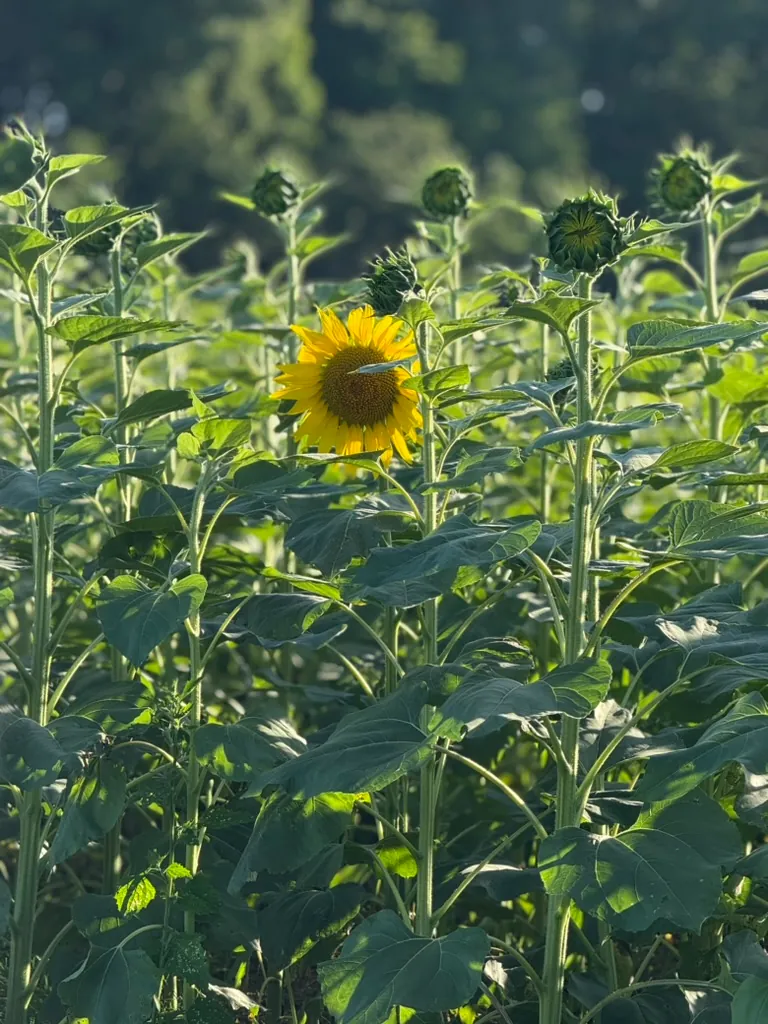
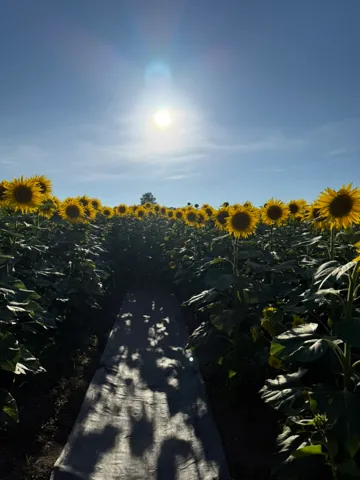
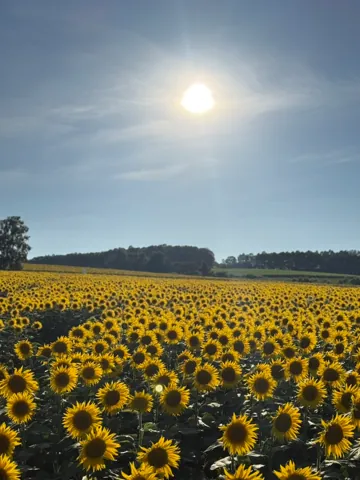
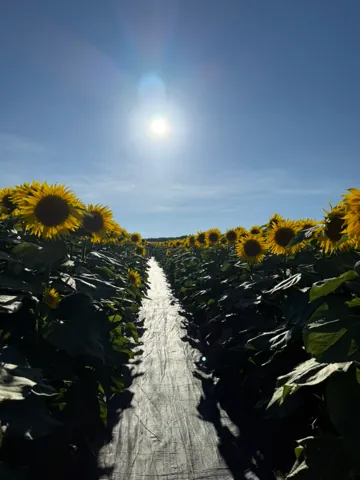
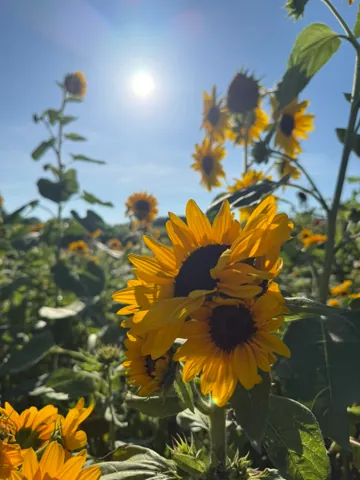
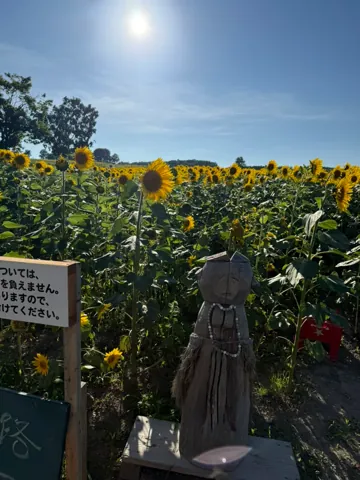
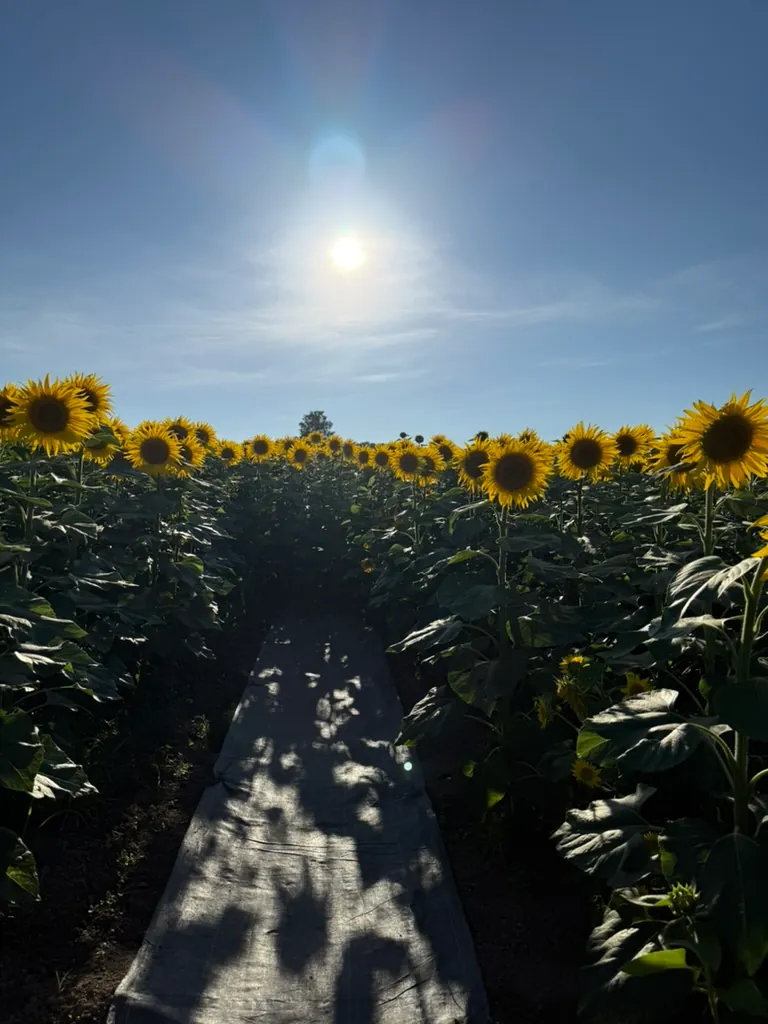
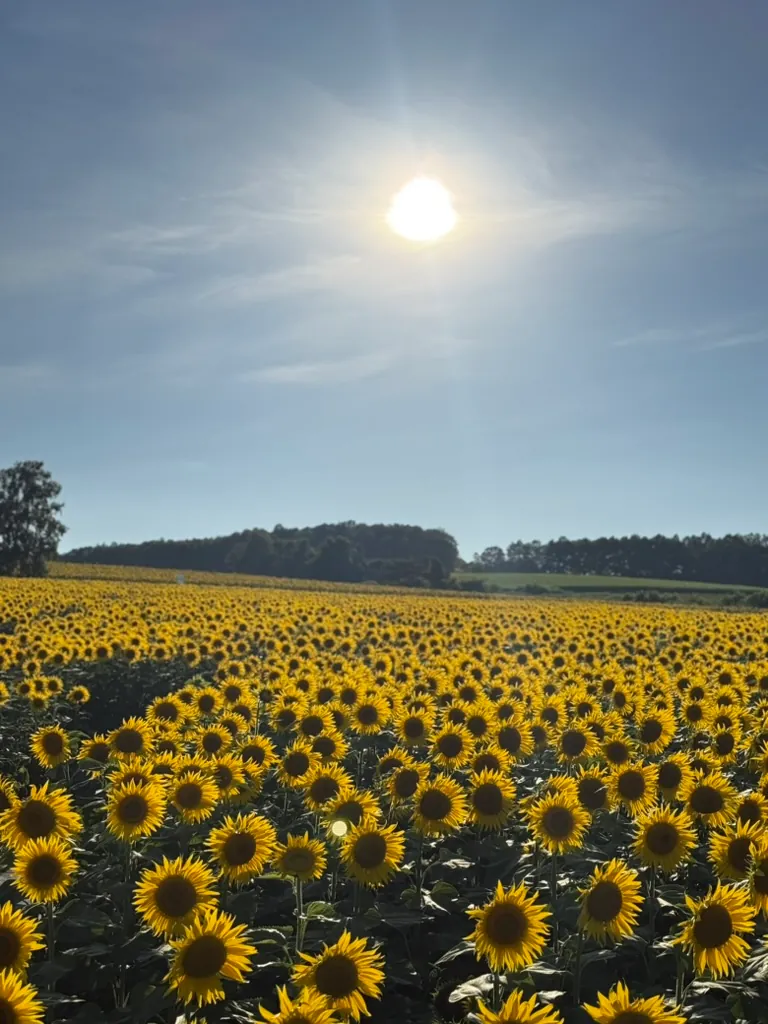
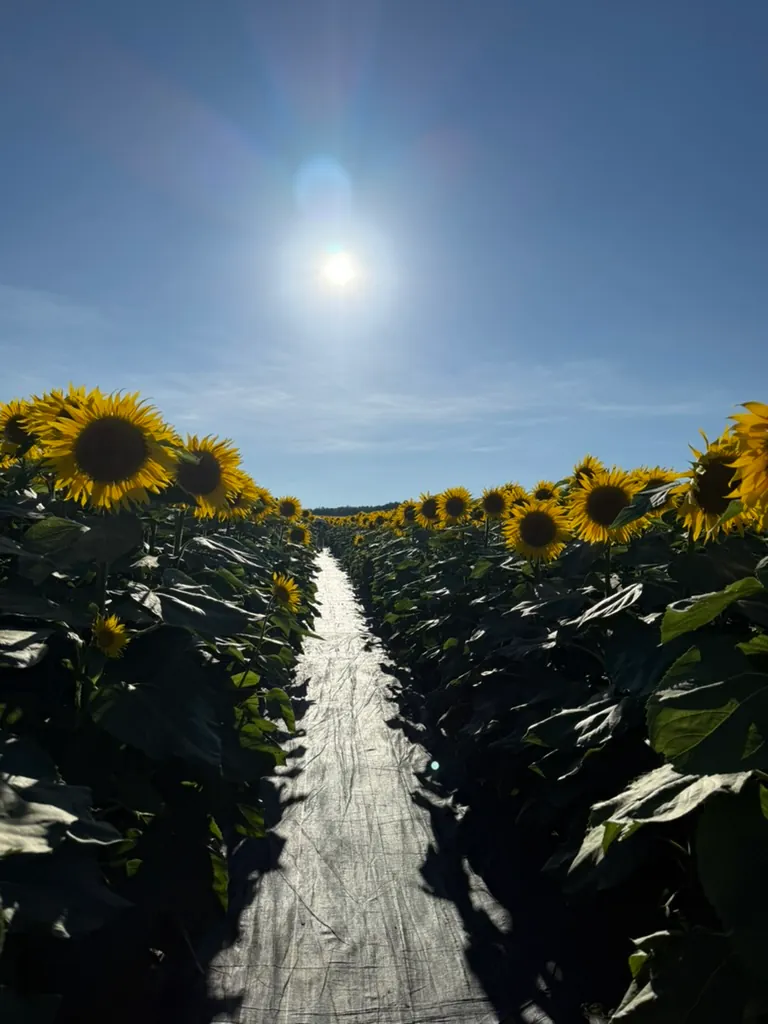
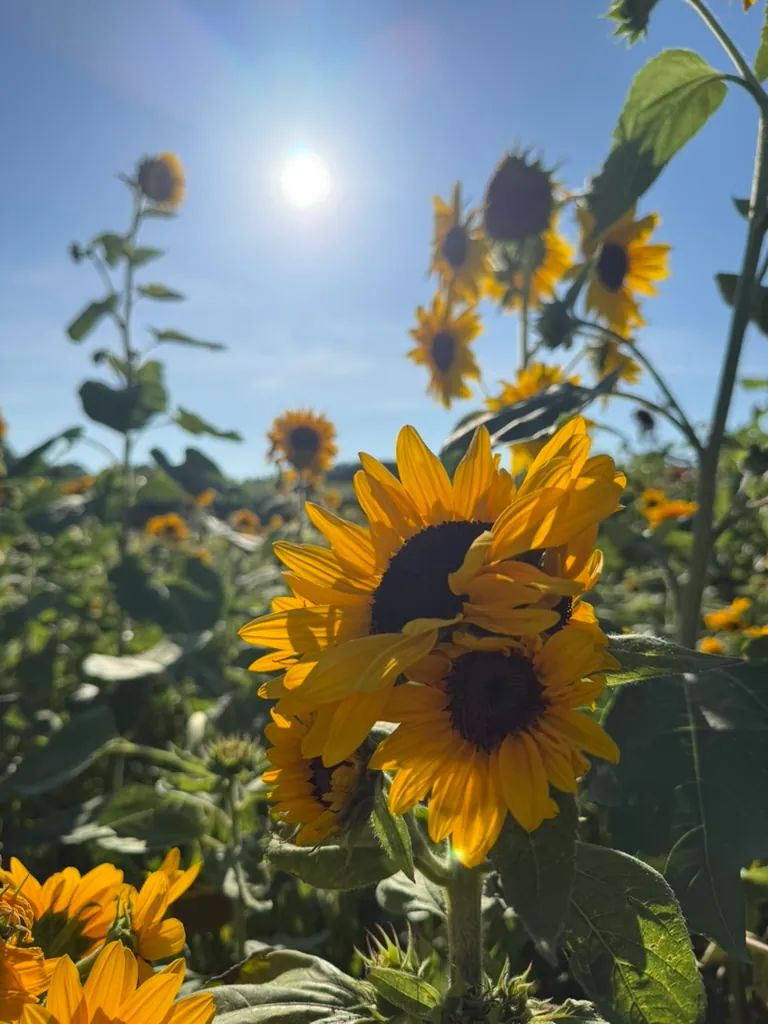
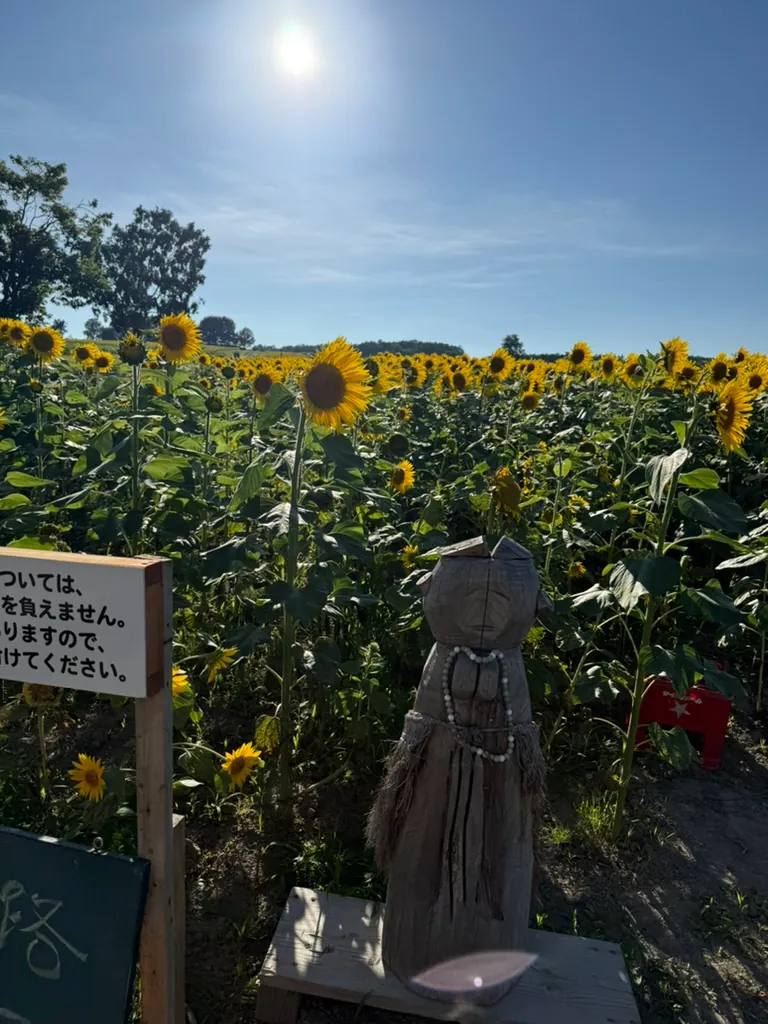
Hokuryu is a rice-farming town of about 1,550 people on the west bank of the Uryu River in northern Sorachi. Every summer about two million sunflowers bloom on a 23-hectare field called Himawari no Sato, which the town's tourism association describes as one of the largest sunflower fields in Japan. The town has also grown low-pesticide "Himawari Rice" as a town-wide effort for more than 30 years.1234
- Population (2020 Census)
- 1,724
- Area
- 158.7 km²
- District
- Uryu District (雨竜郡)
- Official website
- www.town.hokuryu.hokkaido.jp
Known for
- Himawari no Sato (ひまわりの里) and the Sunflower Festival: about 2 million sunflowers bloom on a 23.13 ha field, an area the town compares to five Tokyo Domes. The festival draws more than 200,000 visitors a year. The 40th festival ran from 20 July to 18 August 2026.110
- Himawari Rice (ひまわりライス / 北竜ひまわりライス): in 1990 the town declared itself a town of safe food production. Its farmers now use about half the pesticide of Hokkaido's conventional standard. In 2017 the programme won the grand prize of the 46th Japan Agriculture Awards (日本農業賞).111
- Kurosengoku black soybeans (黒千石大豆): a small Hokkaido black soybean. Farming of it stopped in the 1970s, and it was revived from 50 seeds found in 2001. The growers' cooperative that markets it is based in Hokuryu.312
- Himawari melons and watermelons: Hokuryu grows green- and orange-fleshed "Himawari Melon" and a small yellow-fleshed "Himawari Suika" watermelon.13
- Michi-no-Eki Sunflower Hokuryu (道の駅サンフラワー北竜): a roadside station on National Route 275 with a hot spring, sauna, hotel and restaurant. Its entrance gate has two dragons facing each other.1314
- Sunflower oil: oil from local seed, dropped in 2003, was revived in 2017 with Nisshin OilliO as "Sansan Himawari Oil". The Michi-no-Eki shop now sells a local first-press oil, "Ichiban Shibori Himawari Oil" (一番しぼりひまわり油).1516
- Hokuryu Himawari IC (北竜ひまわりインターチェンジ): on the Fukagawa-Rumoi Expressway. Japanese Wikipedia, citing the town portal, calls it the first interchange in Japan whose name includes a word other than a place name.17
Sights & activities
Nature & scenery
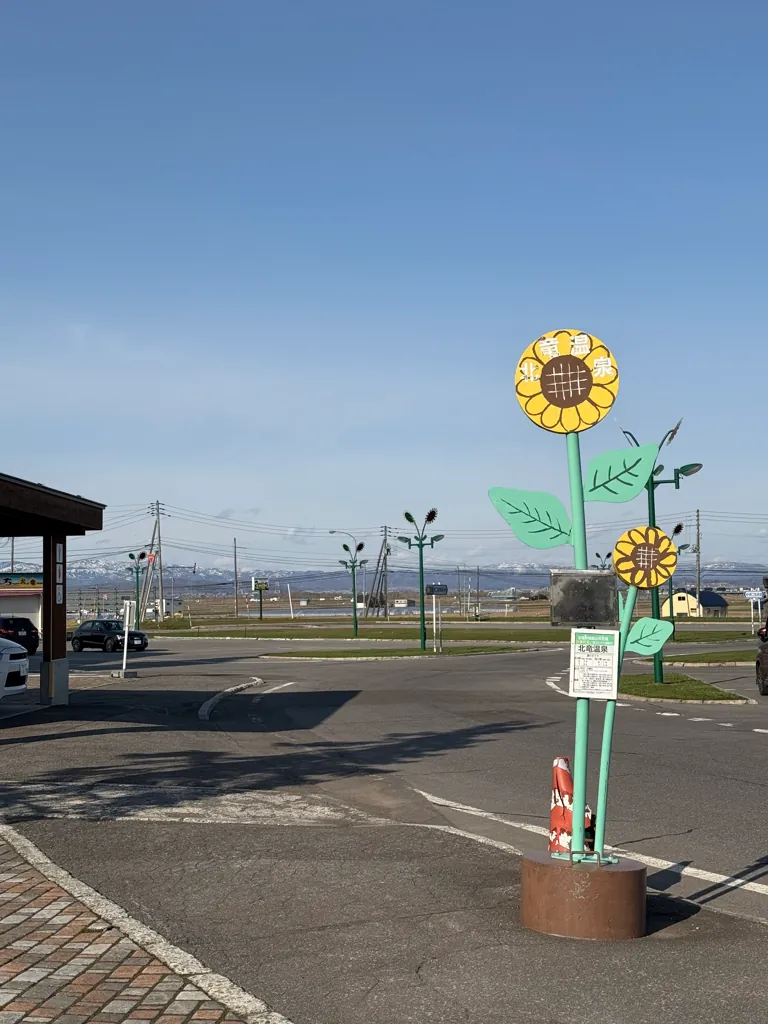
- Himawari no Sato (ひまわりの里), Itaya 143-2 (字板谷143-2), on Route 275:
- Chōbō no Oka (眺望の丘), Nishikawa (字西川): a lookout over the northern Sorachi paddies to the Daisetsuzan range.32
- Konpira Park (金比羅公園), Mitani (字三谷): a hilltop park with a red arched bridge over a pond. Ezo mountain cherry and moss phlox bloom from early May to early June, and the leaves turn in autumn. The campground, barbecue area, cooking area and toilets are all free.3233
- Ichii no Mori (イチイの森), Itaya: woods planted by townspeople, with a walking path and literary monuments.32
- Ryūjin no Onko (竜神のオンコ), Etaibetsu (字恵岱別): a Japanese yew about 800 years old, about 11 m tall and 488 cm around the trunk. In a 1989 Environment Agency survey it ranked ninth in Japan for its species. It stands at the end of a rough forest road, so go well prepared.32
Onsen
- Hokuryu Onsen (北竜温泉) at Sunflower Park: an open-air bath of 100% flowing hot-spring water, jet and sleeping baths, the "Hokuryu Sauna" with an outdoor cooling area, and an early-morning bath from April to October. See the Michi-no-Eki section below.3413
Museums & heritage
- No town museum: no town museum was found in the sources consulted. The main heritage sites are the Ichii no Mori monuments and the old Sasshō Line route through Yawara and Hekisui, which closed in 1972.324
Outdoor & seasonal activities
- Himawari Park Golf Course (ひまわりパークゴルフ場), Itaya 154-3:
- Courses: four par-33 courses (Ichii, Himawari, Sakura and Dragon), 36 holes in all, officially certified.33
- Season and fees: late April or May to the end of October, 8:00–17:00 (to 19:00 in some periods). A day ticket costs ¥400 and club hire ¥200.3335
- Size: the town's plan lists it as opening in FY2001, with a total length of 1,899 m and par 132.5
- Hokuryu Town Ski Area (北竜町営スキー場), Hekisui 222-6:
- Sunflower mazes and tractor ride (festival only):
Food experiences
- Restaurants: Restaurant Fusha at the Michi-no-Eki is the main restaurant (see below). Food stalls run at the Himawari no Sato tourist centre in summer.36
- Places to eat in Yawara (字和): listings date from the tourism association's older page, so check before going.36
- Aji-dokoro Yahachi (味処八八): an izakaya.
- Jirochō (次郎長): a yakiniku restaurant.
- O-shokujidokoro Himawari (お食事処向日葵): a set-meal restaurant.
- Seasonal fruit: the Minorichi farm stand sells melons and watermelons from July.28
Roadside stations (Michi-no-Eki)
Sunflower Hokuryu (道の駅サンフラワー北竜)
- Location: Itaya 163-2 (字板谷163番地2), Hokuryu, on National Route 275. Tel. 0164-34-3321.13
- Hours (as of September 2026 — check before visiting):
- Station: 8:00–22:00. Shop: 8:00–21:00.13
- Restaurant Fusha: 11:00–14:30 (last order 14:00) and 17:00–20:00 (last order 19:30).13
- Day bathing: 9:30–22:00.34
- Early-morning bath: 6:00–9:00 (entry 6:00–8:00), from 1 April to the end of October.34
- Closures: closed for about five days in mid-November.13 Japanese Wikipedia says about three days.14
- Minorichi farm stand: open only from May to mid-October.13
- Shops & products:
- Food:
- Facilities:
- Parking: 110 cars (campervans welcome) and 16 large vehicles, open 24 hours, with toilets in the car park. The operator welcomes car camping.3513
- Hokuryu Onsen: ¥500 for adults, ¥250 for children. Half price on the 11th and 26th of each month, except in July and August.34
- Water: sodium-chloride spring (weakly alkaline, hypertonic), 41.1 °C, 260 L/min, pH 7.56. The two main baths, "Ryūshin no Yu" and "Himawari no Yu", switch between men and women each day.34 Japanese Wikipedia gives an older flow of 472 L/min.14
- Extras: private rest rooms for ¥1,100 per 2 hours, a towel set for ¥330, and a lounge with about 2,000 manga and board games.34
- No tattoos: guests with tattoos are not admitted.34
- Hotel: Sunflower Park Hotel, with Japanese- and Western-style rooms.13
- Other: a free playground park, Wi-Fi, a nursing room and baby-changing table, accessible toilets, covered parking, and card and cashless payment.13 The tourism association lists two standard and two rapid EV chargers.37
- Notes:
- Registration: registered on 30 January 1995 as Hokkaido Michi-no-Eki No. 17. The stamp can be used during opening hours, even on closing days.13
- Building: Sunflower Park opened in June 1992. It is known for its "Hokuryu Gate" (北竜門), where two dragons face each other, and its two-storey building styled on the medieval Netherlands.1437
- Renovations: the restaurant was renovated in December 2017 and the baths in March 2018.14
Getting there & around
- Rail: no railway runs through the town since the JNR Sasshō Line closed in 1972. The nearest JR station is Moseushi on the Hakodate Main Line.4 The town's transport plan uses Fukagawa and Takikawa stations as the rail connections. The Takikawa–Hokuryu route bus that once linked the town to Takikawa Station has been abolished.23
- Highway bus: Hokkaido Chūō Bus's "Kōsoku Rumoi-gō" (高速るもい号) runs between Sapporo and Rumoi. In Hokuryu it stops at Hokuryu Yakuba-mae (北竜役場前, by the town hall) and Hekisui (碧水).23 Service was cut from seven to five round trips a day in FY2024.23 The ride from Sapporo takes about 120 minutes.38 During the festival some buses also stop at Hokuryu Junior High School (北竜中学校), near Himawari no Sato.38
- Local bus: the Rumoi–Asahikawa line (留萌旭川線) of Engan Bus and Dōhoku Bus is the only route bus left in the town, with five services a day.23
- On-demand transport: the town runs "Himawaru" (みんなのクルマひまわる) for its residents. Its services within the town and to Fukagawa and Takikawa need prior registration and a booking. A morning fixed-route service to Fukagawa and Takikawa needs neither.39
- Road:
- Expressway: the Fukagawa-Rumoi Expressway (E62) has Hokuryu Himawari IC in the Bibaushi district. It is about 10 km north of the town centre, so Numata IC or Chippubetsu IC may be closer.1738
- Main roads: National Route 275 runs north to south through the town, and Route 233 and Prefectural Road 94 run east to west.1
- Travel times:
- Sapporo: about 120 km, or about 80 minutes to Himawari no Sato by expressway. The town itself says about two hours by car.31
- Asahikawa: about one hour by car, according to the town.1
- Asahikawa Airport: the nearest airport, about 60 km or 40 minutes away.3
- Rumoi and Furano: about 40 km and about 85 km from the Michi-no-Eki respectively.35
Practical tips
- When to go: late July to mid-August, during the Sunflower Festival. Japanese Wikipedia says the fullest bloom usually comes in early August.15 The festival website links to live cameras showing the field, so check bloom before you set out.3
- Costs and services at the field: the field is free to enter all year. Shops, rides and the tourist centre open only during the festival.15
- Information: the Himawari Tourism Association is in the town hall (Yawara 11-1). It is open weekdays 8:30–17:15, tel. 0164-34-6790.32 Its access page gives the town hall's main number, 0164-34-2111, instead.38 During the festival a tourist information desk on the lawn plaza is staffed by experienced guides.32
- Where to stay: Sunflower Park Hotel at the Michi-no-Eki is the town's main place to stay. Overnight visitors numbered only about 5,500 in FY2024, so book ahead for festival weekends.135
- Getting around without a car: buses are few, and the town runs "Himawaru" for residents, with registration needed for its on-demand services. A car or a rental car is by far the easiest option.2339
- Onsen rules: guests with tattoos are not admitted to Hokuryu Onsen.34
- Winter: snow lies 1.5–1.8 m deep, so expect snow-covered roads and use winter tyres.1
- Forest roads and wildlife: the Ryūjin no Onko yew is at the end of a rough forest road, and the tourism association advises careful preparation.32 As in all of Hokkaido's mountain forest, take precautions against brown bears.
- Nearby:
Photos
-
 Aug 2026
 -
 Apr 2026
 -
 Aug 2026
 -
 Aug 2026
 -
 Aug 2026
 -
 Aug 2026
 -
 Aug 2026
More about Hokuryu
At a glance
| Field | Details |
|---|---|
| Type | Town (町) |
| Subprefecture | Sorachi (空知総合振興局). Hokuryu is in the north of the subprefecture.1 |
| District | Uryu District (雨竜郡)4 |
| Population | 2020 Census: 1,724, down 13.0% from 1,981 in 2015. People aged 65 and over made up 45.0%.5 Latest: 1,550 people (751 men, 799 women) in 783 households on 1 September 2026, according to the town website.2 Peak: 6,463 at the 1960 Census.5 |
| Area | 158.70 km² (GSI, 1 April 2026).6 The town is 28 km east to west and 14 km north to south, and about 70% of it is forest.1 English Wikipedia gives an older figure of 158.82 km².7 |
| Density | About 9.8 people/km² in September 2026 and about 10.9/km² at the 2020 Census (both calculated from the figures above). |
| Municipal history | Settlement: a group of settlers from Chiba Prefecture arrived in May 1893. Village: Hokuryu split off from Uryu Village in 1899 and became a second-class village in 1915. Town: it became a town in September 1961.1 Boundary changes: the village lost land twice. In 1914 its eastern part became Kami-Hokuryu Village (later Numata). In 1943 four more districts moved to Numata Village.4 |
| Neighboring municipalities | Numata to the north (across the Bibaushi River), Chippubetsu to the east (across the Uryu River), and Moseushi and Uryu to the south. Rumoi and Mashike lie to the west, beyond the Mashike Mountains.5 |
| Symbols | Flower: sunflower (ひまわり), adopted in 1982.8 Tree: Japanese yew (イチイ).1 No town bird was found. The town flag and emblem date from 23 July 1963.4 |
| Mascot | Himawari Saki-chan (ひまわり咲ちゃん): a sunflower girl who first appeared in March 1991 and promotes the town at events.97 Agri-Fighter North Dragon (アグリファイター・ノースドラゴン): a local superhero team; enquiries go to JA Kitasorachi's Hokuryu branch. Its three members use rice power to fight villains named after a rice disease, a pest insect and a paddy weed.9 |
| Official website | https://www.town.hokuryu.hokkaido.jp/ |
Name origin
- "North of the Uryu": the town says it took the name Hokuryu (北竜) because it lies north of Uryu.1 Japanese Wikipedia explains the name more fully. "Hokuryu" was the name given to the whole area north of the Etaibetsu River when it split from Uryu Village in 1899. That area also included today's Numata and Horokanai. A 1973 JNR book on station names explains the name as "the north bank of the Uryu River".4
- The Ainu root, "Uryu": Hokkaido's official list of Ainu place names gives two readings for the Uryu River:18
- Urir-o-pet (ウリリオペッ), "river with many cormorants": Nagata Hōsei's reading. Cormorants were said to gather at the river mouth, though none are seen there now.
- O-rir-o-pet (オリリオペッ), "river where waves rise": the reading given in a book of station names.
- A town without a "Hokuryu" district: the old Hokuryu village office stood in what is now the Hokuryu district of Numata. That district passed to Numata Village in 1943. As a result, no district in present-day Hokuryu Town carries the name.4
- The name debate of 1956–1961: before becoming a town, residents argued over whether to keep "Hokuryu" or to rename the town after its administrative centre, Yawara (和 or やわら). A planned vote never took place, so the village name carried over when the town was created in 1961.4
- Yawara (和): the town-centre district shares its name with Yawara Village (埜原村) in Chiba, where the founding settlers came from.19
History
- Ainu era: no archaeological sites or Ainu settlements in the town were documented in the sources consulted. The Ainu names of the Uryu, Etaibetsu and Bibaushi rivers show that Ainu people used the area.1820
- 1857: the explorer Matsuura Takeshirō (松浦武四郎) travelled by boat up the Uryu River into the Hokuryu area.4
- 1890: when a village office (戸長役場) opened at Shintotsukawa in June 1890, both banks of the Uryu River came under it.5
- 1892–1893, Chiba settlers: Yoshiue Shōichirō (吉植庄一郎) of Yawara Village in Inba District, Chiba, brought settlers to Uryu to clear land. His son's biography says he brought 47 households in 1892.19 The town dates the Chiba group settlement to May 1893.1 The settlers cleared forest for a large-scale farm.5
- 1899: the area north of the Etaibetsu River split from Uryu Village as Hokuryu Village. The town gives the month as July, while its 2026 depopulation plan says May. The first village office stood in what is now Numata's Hokuryu district.154
- 1910–1914: the railway to Rumoi reached nearby Numata in 1910. In 1914 the land east of the Horoshin-Tachibetsu River split off as Kami-Hokuryu Village. It was later renamed Numata, and Horokanai split from it.4
- 1915: Hokuryu became a second-class village.1
- 1943–1944: the Hokuryu, Ebishima, Gokayama and Kuchi-Bibaushi districts moved to Numata Village. In 1944 a new village office was built at Yawara.4
- 1960–1961: the population peaked at 6,463 at the 1960 Census. Hokuryu became a town in September 1961.51
- 1972: the JNR Sasshō Line (札沼線) closed on 19 June 1972. It had three stations in the town: Yawara (和), Nakanotai (中ノ岱) and Hekisui (碧水).4
- 1979–1980, sunflowers arrive: a farm co-op employee on a study tour saw sunflower fields around Belgrade airport in former Yugoslavia. At the time the co-op women's group was running a campaign for healthier home-grown food. In 1980 the town started a "one are per household" campaign, and 422 households planted 4.2 ha of sunflowers for oil.8
- 1987–1991: the first Sunflower Festival was held in 1987. Himawari no Sato opened in 1989, after a landowner along Route 275 asked the town and the farm co-op to take over the management of 4 ha of farmland; the town leased 6 ha for the field. In 1991 the World Sunflower Corner was added. It is run by Hokuryu Junior High School students, who began helping after birds destroyed the young plants in 1990.821
- 1990: the town declared itself a "town of safe food production that protects the lives and health of the people" (国民の命と健康を守る安全な食糧生産宣言の町).1
- 1992–1995: Sunflower Park opened in June 1992 and its hotel in October 1994. It was registered as a Michi-no-Eki in January 1995, the year the Hokuryu Onsen opened.144
- 2001: on 29 June, one of Hokkaido's strongest recorded tornadoes damaged 75,000 sunflowers in the field and 9,000 in the World Sunflower Corner.8 In all, 324 volunteers joined the "weeding crusade" (草取り十字軍) to restore the field.21
- 2003: the local farm co-op stopped making sunflower oil and nuts.8
- 2005–2006: the Hokuryu Himawari IC opened on 27 March 2005. The tourism association's timeline dates it to 2004.178 In 2006 the sunflower field reached its current 23.13 ha.8
- 2007: Himawari Rice gained Japan's JAS certification for published production information (生産情報公表JAS).22 The Kurosengoku black-soybean cooperative was founded on 5 March 2007.12
- 2017: the rice programme won the grand prize of the 46th Japan Agriculture Awards.1 In February 2017 "Sansan Himawari Oil" (燦燦ひまわり油), made with Nisshin OilliO, went on sale.15
- 2018: a new commercial building opened in the town centre. It has a supermarket, a community space with seating for eating in, and the commerce association's office.5 The town's transport plan calls it COCOWA.23
- 2020s, transport cuts: the town's two route buses, the Takikawa–Hokuryu and the Fukagawa-bound Hokuryu lines, were both abolished in the early 2020s. The town's own plans give different years. In October 2025 the town began trial runs of "Himawaru" (ひまわる), an on-demand transport service booked through an AI dispatch system.235
- 2026: the 40th Sunflower Festival was held.10 "Himarie" (ひまリエ), a digital making space for children and adults, holds its grand opening on 27 September 2026.24
Geography & climate
- Location: Hokuryu spans latitude 43°43′–43°51′N and longitude 141°31′–141°56′E. The west of the town is high ground and the east is flat, fertile farmland.5
- Mountains: the Mashike Mountains form the western border with Rumoi and Mashike. Their main peak is Shokanbetsu-dake (暑寒別岳, 1,491 m). Other peaks include Higashi-Shokan-dake (東暑寒岳, 1,126 m) and Nobusha-dake (信砂岳, 927 m).41
- Park: the western mountains are part of Shokanbetsu-Teshio-Yagishiri Quasi-National Park (暑寒別天売焼尻国定公園).5
- Rivers: the Uryu River (雨竜川) forms the eastern and southern boundaries. The Etaibetsu (恵岱別川) and Bibaushi (美葉牛川) rivers water the rice paddies.5 Japanese Wikipedia lists the Etaibetsu Dam (恵岱別ダム) reservoir as the town's lake.4
- Forest: 10,674 ha of forest covers 67.3% of the town, and 7,115 ha of that is national forest.5
- Climate: the town calls its climate halfway between maritime and inland. Winters are cold, with 1.5–1.8 m of lying snow, one of the snowier areas of Hokkaido. Summers are mild, with southwesterly winds that suit rice and field crops.1 Strong northwesterly winds blow in winter.5
- Weather stations: there is no JMA AMeDAS station in the town. The nearest to the town hall are Uryu (雨竜), Chippubetsu (秩父別) and Ishikari-Numata (石狩沼田), each about 8–10 km away (calculated from the stations' listed coordinates).25
Economy & industry
- Farming: agriculture is the town's main industry, based on rice.1 According to the 2020 Census of Agriculture:5
- Farms: 143 farm households, 140 of which sold produce.
- Output: farm output was ¥2.28 billion. Rice made up ¥1.78 billion (78.0%) and vegetables ¥290 million (13.0%).
- Fewer, bigger farms: in FY2024 there were 128 farm households. They worked 2,977.65 ha, mostly paddy (2,562.87 ha), an average of 23.2 ha each.5
- Low-pesticide rice: the rice is sold as Himawari Rice. Varieties include Yumepirika, Nanatsuboshi, Oborozuki and Kitakurin.3 Growers cut chemical pesticide use by more than half, from 22 active ingredients to 11. The rice meets the national guideline for "specially cultivated rice" (特別栽培米).16 The festival website says the town is the only place in Japan where a whole growers' organization holds JAS certification for published production information.3
- Converted paddy: some paddy has been switched to melons and small watermelons, which the town calls among the leading growers in Hokkaido.1
- Jobs: 895 people had jobs at the 2020 Census. 46.3% worked in the primary sector, 9.0% in the secondary sector and 44.7% in services.5
- Commerce and manufacturing:
- Tourism:
- Revitalization:
- Plan: the town plan for 2019–2028 has the theme "Bright farming – Hokuryu, town of sunflowers" (あかるい農法 ひまわりの北竜町).26
- Product grants: the town pays up to three-quarters of the cost of developing new local products, up to ¥500,000.27
- Himarie: the new digital making space links children's education, welfare and the community.24
Local specialties
| Specialty | Category | Details & where to get it |
|---|---|---|
| Himawari Rice (北竜ひまわりライス) | Rice | Low-pesticide rice (Yumepirika, Nanatsuboshi, Oborozuki, Kitakurin) with published production records. Sold at the Michi-no-Eki shop, the Minorichi farm stand and as a furusato nozei gift.31128 |
| Kurosengoku soybeans (黒千石大豆) | Beans | A small heirloom black soybean with green insides. It is said to have about five times the polyphenols of ordinary soybeans. The beans also go into natto, tofu, kinako, sweets and curry. Annual output is only about 400 t, compared with about 2,400 t for Tamba black beans.1132213 |
| Himawari Melon (ひまわりメロン) | Fruit | Green-fleshed (青肉) and orange-fleshed (赤肉) melons, available as furusato nozei gifts from July to early September. All the growers are certified eco-farmers.1122 |
| Himawari Suika (北竜ひまわりすいか) | Fruit | A small, thin-skinned watermelon with yellow flesh. Only fruit with a sugar content of 11° or more may use the name.31 |
| Ichiban Shibori Himawari Oil (一番しぼりひまわり油) | Oil | First-press oil from sunflower seed grown by contract farmers without pesticides. It is over 80% oleic acid. ¥1,300 at the Michi-no-Eki shop.1611 |
| Hokuryu Suisei (北竜彗星) | Sake | Junmai sake made from 100% local "Suisei" sake rice polished to 55%, brewed by Kinteki Shuzō in Shintotsukawa. ¥2,600 for 720 ml. The Michi-no-Eki site calls it a junmai ginjo, while the tourism association calls it a tokubetsu junmai.161322 |
| Himawari Pork (ひまわりポーク) | Meat | The town's brand pork, from pigs fed on Hokuryu sunflower seeds. Served at Restaurant Fusha and sold in the new steamed "yakibuta-man" bun, fresh or frozen.2913 |
| Sunflower and Kurosengoku soft-serve (ひまわりソフト・黒千石ソフト) | Sweets | Soft-serve topped with roasted sunflower seeds, or with Kurosengoku kinako, ¥450 each. There is also a sunflower-seed ice cream (¥400) and a revived sunflower-seed cookie (¥950 for 18).16 |
| Tamakara Mochi (田からもち) | Rice cakes | Mochi made from local Hakuchōmochi glutinous rice, grown with only one herbicide application and made without preservatives. Flavours include ancient purple rice, mugwort and black bean.22 |
| Himawari Sausage (ひまわりウインナー) | Processed meat | A sausage with Hokuryu sunflower seeds mixed in.13 |
| Furusato nozei gifts | Gifts | The town's featured gifts are rice, melons, sunflower oil and Kurosengoku soybeans, offered through portals including Furunavi, Furusato Choice, Rakuten, ANA, Saison and Satofull.113 |
Culture & festivals
| Event | When | Highlights |
|---|---|---|
| Hokuryu Sunflower Festival (北竜町ひまわりまつり) | Mid-July to late August. 2026 (40th): 20 July – 18 August | Two sunflower mazes, the "Himawari-gō" tractor bus, the World Sunflower Corner, and a donation for seeds to take home. The 2026 festival added a puzzle game voiced by Ōtani Ikue, the voice of Pikachu. A fireworks show has been held since 2000.3108 |
| Hokushō Road Race (北商ロードレース大会) | 2026 (62nd): 20 July | A local race first held in 1965 by the Hokuryu commerce association, known as "Hokushō". Since 2003 it has run through Himawari no Sato and the surrounding paddies. Races are 10 km, 5 km, 3 km and a 3 km parent-and-child pair race.30 |
| Sapporo Autumn Fest (さっぽろオータムフェスト) | 1–3 October 2026 | Hokuryu runs a stall at this food festival on Ōdōri West 8-chōme in Sapporo.231 |
| Himawari-no-Machi Craft Marché vol. 2 (ひまわりのまちクラフトマルシェ) | 17–18 October 2026 | About 40 craft makers at the town community hall (北竜町公民館).31 |
| Hekisui Festival (碧水祭り); Himawari Beer Party (ひまわりビールパーティー) | Dates not confirmed | Listed as local events by Japanese Wikipedia (unverified).4 |
- Performing arts: the lion dance of Shinryu Shrine (真竜神社の獅子舞) and Hokuryu Taiko drumming (北竜太鼓) have been handed down to younger people.1 The Shinryu lion dance is a town-designated cultural property kept by a preservation society.4
- Literary monuments: the Ichii no Mori woods have poem monuments to the tanka poet Yoshiue Shōryō (吉植庄亮), son of the founding settler. There is also one to Takahashi Nobukiyo, the forester known as "Dorogame-san" at the University of Tokyo forest in Furano.32
- Volunteer culture: in 2002 townspeople founded the Himawari Voluntary Association (ひまわりボランタリー協会), whose members guide visitors at the field.21 Students of Hokuryu Junior High grow about two dozen rare sunflower varieties in the World Sunflower Corner and guide visitors one day each year.32
Ainu heritage
- Little recorded: the sources consulted describe no Ainu settlements, excavated sites or cultural facilities in Hokuryu. The town dates its history from Meiji-era settlement.15
- Bibaushi (美葉牛): the name of this river, pass and district in the north of the town comes from Ainu pipa-us-i (ピパウシイ), "the place (river) where there are many freshwater mussels". Hokkaido's place-name list notes that mussels are still said to live there.20
- Etaibetsu (恵岱別): the name of this river and dam on the southern boundary may come from etaye-pet (エタイェペッ). Chiri Mashiho read this as "the river whose head goes far back", a name given to a long river. Yamada Shūzō read it as "the pulling river". The list rates this reading as uncertain.18
- Uryu: see "Name origin" above.18
- Ainu words in daily use: the town's giant Japanese yew is known locally as an onko (オンコ), which the tourism association calls the Ainu name for the tree. The wildflower woods at Himawari no Sato are named Nonno no Mori (ノンノの森), from the Ainu nonno, "flower".32
Sister & friendship cities
Notable people
- Yoshiue Shōichirō (吉植庄一郎, 1865–1943): the Chiba-born pioneer who led settlers to found Yawara (Hokuryu). He was later a newspaper owner and was elected to the House of Representatives nine times.4019
- Yoshiue Shōryō (吉植庄亮, 1884–1958): his son, a tanka poet and member of the House of Representatives. A monument to one of his poems stands in Ichii no Mori.1932
- Not included, Takaishi Tomoya (高石ともや): Japanese Wikipedia's Hokuryu article lists this folk singer as coming from the town, but his own article gives his birthplace as neighbouring Uryu.441
Sources
Numbers in the text link to these sources. Figures as of 23 September 2026
- 北竜町の概要 | 北竜町公式ホームページ — Hokuryu Town JA accessed 2026-09-23
- 北竜町公式ホームページ(トップページ・人口表示 2026年9月1日現在) — Hokuryu Town JA accessed 2026-09-23
- 北竜町ひまわりまつり(特設サイト) — Hokuryu Town Himawari Tourism Association JA accessed 2026-09-23
- 北竜町 — Wikipedia JA accessed 2026-09-23
- 北竜町過疎地域持続的発展市町村計画(令和8年度~令和12年度) — Hokuryu Town JA accessed 2026-09-23
- 令和8年全国都道府県市区町村別面積調(4月1日時点) — Geospatial Information Authority of Japan JA accessed 2026-09-23
- Hokuryū, Hokkaido — Wikipedia EN accessed 2026-09-23
- 歴史(北竜町とひまわりの歴史) — Hokuryu Town Himawari Tourism Association JA accessed 2026-09-23
- キャラクター(ひまわり咲ちゃん/アグリファイター・ノースドラゴン) — Hokuryu Town Himawari Tourism Association JA accessed 2026-09-23
- 観光・体験(第40回北竜町ひまわりまつり)| 北竜町公式ホームページ — Hokuryu Town JA accessed 2026-09-23
- ふるさと納税 | 北竜町公式ホームページ — Hokuryu Town JA accessed 2026-09-23
- 【黒千石大豆物語】北竜町の奇跡の黒豆「黒千石大豆」 — Hokuryu Town Portal (北竜町ポータル) JA accessed 2026-09-23
- サンフラワー北竜 | 北の道の駅 — Hokkaido Michi-no-Eki Liaison Council (北海道地区「道の駅」連絡会) JA accessed 2026-09-23
- 道の駅サンフラワー北竜 — Wikipedia JA accessed 2026-09-23
- ひまわりの里 — Wikipedia JA accessed 2026-09-23
- ホクリュウバイテン — Sunflower Park Hotel / Hokuryu Onsen (official) JA accessed 2026-09-23
- 北竜ひまわりインターチェンジ — Wikipedia JA accessed 2026-09-23
- アイヌ語地名リスト(イチャニ~エラ、pp. 11–20)[Wayback Machine保存版] — Hokkaido Government JA accessed 2026-09-23
- 吉植庄亮 — Wikipedia JA accessed 2026-09-23
- アイヌ語地名リスト(ノブトリ~ヒラギシ、pp. 101–110)[Wayback Machine保存版] — Hokkaido Government JA accessed 2026-09-23
- 【ひまわりまつり物語】大地と人の交響曲 〜 北竜町ひまわりまつり40周年へ — Hokuryu Town Portal (北竜町ポータル) JA accessed 2026-09-23
- お土産&販売店 — Hokuryu Town Himawari Tourism Association JA accessed 2026-09-23
- 第2次北竜町地域公共交通計画(令和8年度~令和12年度) — Hokuryu Town JA accessed 2026-09-23
- ひまリエ グランドオープン | 北竜町公式ホームページ — Hokuryu Town JA accessed 2026-09-23
- アメダス観測所一覧(amedastable.json) — Japan Meteorological Agency JA accessed 2026-09-23
- 北竜町総合計画 | 北竜町公式ホームページ — Hokuryu Town JA accessed 2026-09-23
- 北竜町地域特産品開発支援事業 | 北竜町公式ホームページ — Hokuryu Town JA accessed 2026-09-23
- みのりっち — Sunflower Park Hotel / Hokuryu Onsen (official) JA accessed 2026-09-23
- レストラン風車 — Sunflower Park Hotel / Hokuryu Onsen (official) JA accessed 2026-09-23
- 北商ロードレース大会・北海道の田園を走る市民マラソン大会(北竜町) — Hokuryu Town Portal (北竜町ポータル) JA accessed 2026-09-23
- ひまわりの里 北竜町ポータル(トップページ・イベント予定) — Hokuryu Town Portal (北竜町ポータル) JA accessed 2026-09-23
- ひまわり観光(観光スポット) — Hokuryu Town Himawari Tourism Association JA accessed 2026-09-23
- 遊ぶ — Hokuryu Town Himawari Tourism Association JA accessed 2026-09-23
- 温泉(北竜温泉&ホクリュウサウナ) — Sunflower Park Hotel / Hokuryu Onsen (official) JA accessed 2026-09-23
- アクセス・周辺観光 — Sunflower Park Hotel / Hokuryu Onsen (official) JA accessed 2026-09-23
- 食事(飲食店) — Hokuryu Town Himawari Tourism Association JA accessed 2026-09-23
- 温泉&ホテル — Hokuryu Town Himawari Tourism Association JA accessed 2026-09-23
- アクセス — Hokuryu Town Himawari Tourism Association JA accessed 2026-09-23
- みんなのクルマひまわる | 北竜町公式ホームページ — Hokuryu Town JA accessed 2026-09-23
- 吉植庄一郎 — Wikipedia JA accessed 2026-09-23
- 高石ともや — Wikipedia JA accessed 2026-09-23