Shintotsukawa 新十津川町
しんとつかわちょう
Shintotsukawa means "New Totsukawa". The town was founded in 1890 by 2,489 people who left Totsukawa in Nara Prefecture after the great flood of 1889, and it still calls Totsukawa its "mother village".123 Today it is one of Hokkaido's leading rice towns, grows more sake rice than any other municipality in Hokkaido, and is home to the Kinteki sake brewery. It was also the terminus of the Sasshō Line, which ran one train a day before it closed in 2020.456
- Population (2020 Census)
- 6,484
- Area
- 495.47 km²
- District
- Kabato District (樺戸郡)
- Official website
- www.town.shintotsukawa.lg.jp
Known for
- A town built by flood refugees from Nara: after the Totsukawa flood of August 1889, 600 households (2,489 people) moved to Hokkaido and settled the Tokku plain in June 18901. The ties continue: Nara Prefecture, Totsukawa Village and Shintotsukawa signed a three-way cooperation agreement in August 20172.
- Rice and sake rice: in 2016 the town had 3,570 ha planted in rice, the fifth largest area in Hokkaido. It also has the largest sake-rice area in Hokkaido4.
- Kinteki sake (金滴): Kinteki Shuzo, founded in 1906, is the only sake brewery in the Naka-Sorachi (中空知) area519.
- The Sasshō Line terminus: from 2016 Shintotsukawa Station had just one train a day, and its 9:40 departure made it the Japanese station with the earliest last train. The line closed on 7 May 2020, and the station site became a park in 20236.
- Shintotsukawa Monogatari (新十津川物語): Kawamura Takashi's 10-volume novel about the migration, published 1978–1988 and dramatized by NHK in 1991–1992. The town has a museum devoted to it2021.
- Pinneshiri (ピンネシリ): the town's symbolic mountain, 1,100 m high17.
- Unusual contests: the International Chinese Wok Pushing Sumo Championship (国際中華鍋押相撲選手権) at the January snow festival22, and a summer "mud day-bridge" slide at the Furusato Festival23.
- Nara food culture: mehari-zushi (めはりずし), rice balls wrapped in pickled takana leaves from the Yoshino area of Nara, came north with the settlers15. The Kujira restaurant at the town's product center serves them24.
Sights & activities
- Nature & scenery
- Pinneshiri: from the Shintotsukawa side the trailhead is near Sokkidake Ski Area, about 3 hours one way. The route from Tobetsu's Dōmin-no-Mori forest takes about 2 hours, but since 2017 rain damage hikers must walk the last 4.6 km of forest road. The ridge trail to Kumaneshiri was abandoned in 201827.
- Tōsenchi viewpoint (当せん地展望台): looks over rice fields that still follow the grid of lots drawn up for the 1890 settlers33.
- Tokufutsu Dam (Toppu-ko), the Rūku reservoir in Yoshino and the Ishikari River riverside parks1733.
- Onsen
- Shintotsukawa Onsen at Green Park Shintotsukawa (総進189-1, in Furusato Park): a weakly alkaline simple spring (26 °C at source, pH 8.13), with baths kept at different temperatures, a bubble bath and a sauna. Day bathing 8:00–20:00, adults ¥60050. The operator is closing in stages: the lounge and restaurant end service on 30 September 2026 and lodging (room only) on 31 October 2026. At the town's request, day bathing will continue until the end of December 2026, and the town's development corporation (新十津川町総合振興公社) plans to take over operations from January 20273251.
- Yoshino Onsen: at the Yoshino District Activation Center, opposite the Yoshino Park campground, about 20 minutes west of the town center along Route 4515233.
- Museums & heritage
- Pioneer Memorial Museum and Agricultural Memorial Hall (中央1-1): open 10:00–16:00 Tuesday–Sunday except Friday, when it closes at 13:00. Closed Mondays and from November to April. Admission ¥200. The storeroom is open on Sundays28.
- Shintotsukawa Monogatari Memorial Museum (総進188-6, Furusato Park): 10:00–16:00 daily from 29 April to 31 October, closed the rest of the year. Admission ¥20020.
- Bunka Denshūkan (文化伝習館): crafts center in Furusato Park with pottery, weaving and plant-dyeing workshops (reservation required). Open 9:00–17:00, daily from late April to October, and closed Mondays and Tuesdays in winter. Admission ¥20041.
- Kazenobi (かぜのび), the Igarashi Takenobu Art Museum: the former Yoshino Elementary School, closed after 103 years, turned into a studio and gallery for the Takikawa-born sculptor. According to the artist's site it opens from May to October, closed Mondays, with a small shop and café53. The town's sightseeing taxi still includes it54. Igarashi died on 12 February 202555.
- Station-site Sakura Park (駅跡地さくら公園, 中央18-2): opened on 10 October 2023 on 1.6 ha of the old Sasshō Line site. It keeps the platform and rails and has Igarashi's sculpture "Terminus no Asagohan" (テルミヌスの朝ごはん)656.
- Kinteki Shuzo: brewery shop in the town center19.
- Outdoor & seasonal activities
- Furusato Park (ふるさと公園): the town's largest park, with a large roofed rest area, fountain plaza, net climbing frame, barbecue area and new toddler play equipment57. It also has two ballparks, tennis courts, park golf, a soccer pitch, a sports center and a heated pool58. Cherry trees and moss phlox bloom there in spring4259.
- Camping: Shintotsukawa Camp Field has 11 powered auto sites and 10 bungalows with barbecue grills, open 28 April–31 October60. Yoshino Park Campground is a first-come free site on the Tokufutsu River, ¥500 per tent, open 29 April–31 October in 202652.
- Sokkidake Ski Area (そっち岳スキー場, 総進294-1): a family hill with a 330 m slope, 80 m vertical, one pair lift and night lighting. The 2025–26 season ran from 13 December to 20 March, with hours of up to 9:00–21:0061.
- Sightseeing taxi: half-price guided taxi tours by Shintotsukawa Hokusei Hire. The culture-and-art course visits the pioneer museum and Kazenobi (about ¥9,000, 2 hours, not on Mondays). The "power spot" course visits Shintotsukawa Shrine and the Izumo Taisha branch (about ¥5,500, 1.5 hours). Book on 0125-76-234554.
- Food experiences
Roadside stations (Michi-no-Eki)
No Michi-no-Eki is located in Shintotsukawa. The town does not appear in the official list of Hokkaido roadside stations, which has 131 entries as of September 202662. The nearest stations are:
- Takikawa (道の駅たきかわ) in Takikawa, at 江部乙町東11丁目13-3 in the Ebeotsu district62.
- Tsurunuma (道の駅つるぬま) in Urausu, on National Route 275 about 65 km north of Sapporo. It has a tofu shop with soy-milk soft-serve, botan soba and carrot soft-serve. Open 10:00–18:00 (May–September) and 10:00–17:00 (October–April), closed Mondays (as of September 2026, check before visiting)63.
- Den'en no Sato Uryu (道の駅田園の里うりゅう) in Uryu, on National Route 275, the gateway to the Uryu-numa Marsh64.
- House Yarubi Naie (道の駅ハウスヤルビ奈井江) in Naie62.
In town, the Shintotsukawa Product Center (新十津川物産館, "Kujira-kan", 中央5-1) is the main place to buy local goods, although it is not a registered Michi-no-Eki. The shop opens 10:00–17:30 (March–October) and 10:00–16:00 (November–February) and closes 31 December–3 January. Restaurant Kujira opens 11:00–14:30 (last order 14:00) and closes on Mondays and Tuesdays4024. The center's shop page lists no regular closing day, but the town's page gives Monday and Tuesday closing (open on public holidays) for the center as a whole, and gives the address as 中央301-1 rather than 中央5-165, so check before visiting. The whale fossil skeleton on display explains the whale sign on a building so far from the sea4016.
Getting there & around
- Rail: there is no railway in the town since the Sasshō Line closed in 20206. The nearest station is JR Takikawa on the Hakodate Main Line, about 50 minutes from Sapporo and 30 minutes from Asahikawa by limited express66.
- Bus: Hokkaido Chūō Bus runs the Takishin Line (滝新線) from the Takikawa bus terminal to the town center in about 10 minutes6615. Seiwa Unyu's Shintotsukawa Line also runs from Takikawa via the Ishikari Bridge15. The Takishin and Shintotsukawa lines need no reservation, but the town's internal lines and the Sunagawa line run only when booked. Passengers change between town and out-of-town lines at the town hall, and fares went up on 1 April 202667. Wikipedia says the town-contracted lines (not Chūō Bus) accept only coupon tickets and passes, not cash or IC cards15; check the town's transit guide before relying on this.
- Taxi: about 10 minutes and about ¥1,800 from Takikawa Station66.
- Road: Takikawa IC on the Dō-ō Expressway is the nearest interchange. It is about 1 hour from Sapporo JCT, about 1 hour from Asahikawa-Takasu IC and about 2 hours from Chitose IC. Taking National Route 275 from Sapporo takes about 1 hour 45 minutes66. National Routes 275 (Sorachi Kokudō) and 451 (Shokan Kokudō) pass through the town15. Route 451 runs west from the town center to the Yoshino district52. A reservation-only shared bus between Hamamasu (Ishikari City) and Takikawa crosses the town but can be used within it only in the Horoka district15.
- Air: New Chitose Airport, about 2 hours by car via the expressway. Asahikawa Airport is an alternative66.
Practical tips
- Best seasons: early May for cherry blossoms at Furusato Park42. May to October, when the museums and campgrounds are open282060. Late July for the Furusato Festival and early October for the taste festival and new rice2338. Late January for the snow festival and wok sumo22.
- Seasonal closures: the pioneer museum and the Monogatari museum close from November to late April2820. Kazenobi opens only from May to October53.
- Green Park changes: plan around the phased closure. Meals end on 30 September 2026 and lodging on 31 October 2026, and day bathing is confirmed only until the end of December 20263251. Sun Hills Sarai (サンヒルズ・サライ) at the Furusato Park entrance also offers rooms and the Villa Tokufutsu cottages68.
- Brown bears: bears live in and around the town. In 2026, sightings or droppings were reported in the Yoshino and Sōshin districts and near the town-center riverbank, most recently on 18 September. The autumn bear-caution period (秋のヒグマ注意特別期間) runs from 1 September to 31 October. Make noise, avoid dawn and dusk and pack out all food when picking mushrooms or hiking69.
- Winter: the Sorachi-Yoshino station has recorded −30.2 °C35. Allow extra time for the Ishikari River bridges and Route 451 in snow.
- Information: the tourism association office is in the town's Industry Promotion Section (産業振興課), tel. 0125-76-2134181.
Photos
-
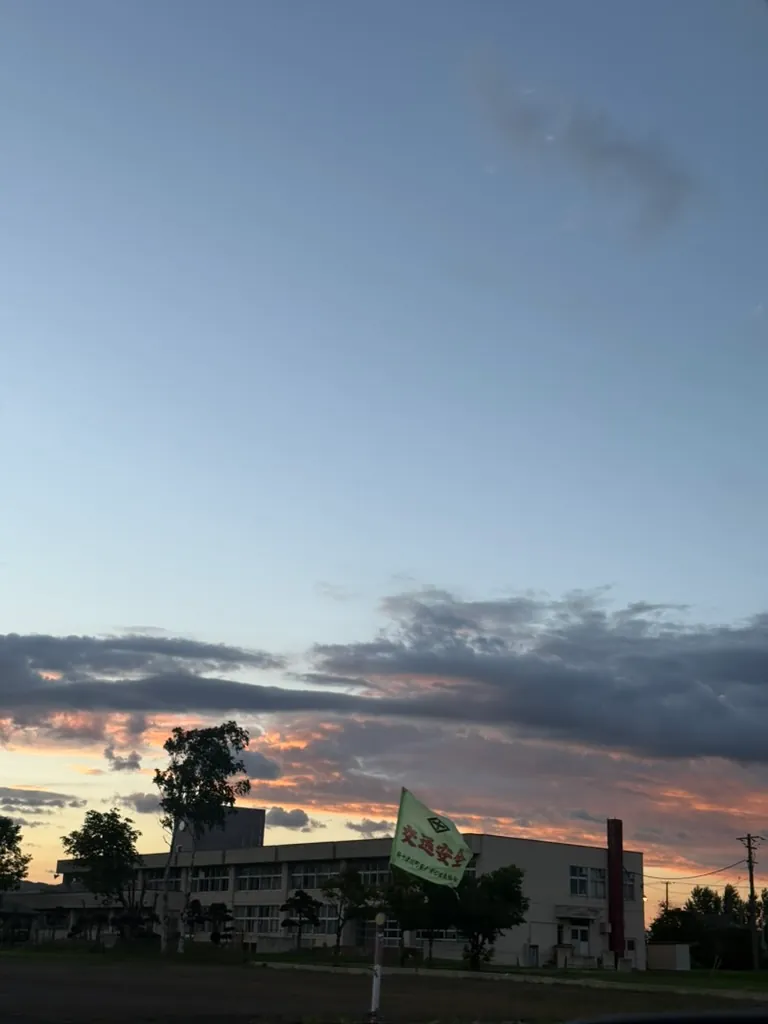
 Aug 2026
More about Shintotsukawa
At a glance
| Field | Details |
|---|---|
| Type | Town (町) in Kabato District. It lies near the center of Sorachi, on the right (west) bank of the Ishikari River7 |
| Subprefecture | Sorachi (空知総合振興局) |
| District | Kabato District (樺戸郡) |
| Population | 6,484 in 2,543 households (2020 Census), down 347 people (5.1%) from 20158. The preliminary 2025 Census count was 6,114, down 5.7%9. The resident register showed 6,058 people in 2,933 households on 31 August 202610. The population peaked at 16,199 in 195511 |
| Area | 495.47 km²127. The town measures 35 km east–west and 30 km north–south7. English Wikipedia still gives an older figure of 495.62 km²13 |
| Density | About 12.2 people/km² (August 2026 register); about 13.1/km² at the 2020 Census (calculated from the figures above) |
| Municipal history | The settlers named their village Shintotsukawa in November 1889, and the village was formally created in January 1890 by Hokkaido Government Ordinance No. 114. It became a second-class village on 1 April 1902, a first-class village on 1 April 1907 and a town on 1 January 195715. There have been no mergers. The town's founding day, 20 June, was set in 198516 |
| Neighboring municipalities | Across the Ishikari River to the east: Takikawa, Sunagawa and Naie. Beyond the Pinneshiri and Mashike ranges to the west: Tobetsu, Ishikari and Mashike7. Also Urausu and Uryu; the Oshirarika River marks the Uryu border in the north1517 |
| Symbols | Tree: onko (オンコ, Japanese yew). Flower: tsutsuji (ツツジ, azalea). Both were designated in September 197216. In 1983 the town formally adopted an emblem and flag matching those of its mother village, Totsukawa1615. No town bird was found |
| Mascot | Totsukawa Komezō (とつかわ こめぞー), the tourism PR character. He is a "rice fairy" who is good at kendo, always carries sake and names Shintotsukawa Monogatari as his favorite book18 |
| Official website | https://www.town.shintotsukawa.lg.jp/ |
Name origin
- Shintotsukawa (新十津川) is Japanese, not Ainu. It means "New Totsukawa". The settlers came from Totsukawa (十津川) in Yoshino District, Nara Prefecture, and chose the name to express their wish to "build a new Totsukawa here" and keep their home culture alive2513.
- Tokku / Tokufutsu (トック・徳富): before settlement the area was called the Tokku plain (トック原野). The name comes from Ainu tokkuputo (トックプト), used for the area where the Tokufutsu River meets the Ishikari. Tok means "a bump or protrusion" and puto means "river mouth". The explorer Matsuura Takeshirō wrote the name as 突区. The settlers first wrote it 徳久 but soon changed it to 徳富, read "Toppu" for the river. The town suggests the character 富 ("wealth") carried their hopes for the new village17.
- Pinneshiri (ピンネシリ): Ainu for "male mountain". It pairs with Matsuneshiri (マツネシリ, 1,002 m), "female mountain", just to the southeast17. A town legend says the Ainu once called the peak Chisenesiri (チセネシリ), "house-shaped mountain". After people escaped a great storm on its slopes, they named the higher peak the male mountain and the lower one the female mountain26. Some older documents write the peak as 地勢根尻山, from Chisenesiri27.
- Other Ainu names in the town: Horoka (幌加), "turning back", for a side stream that bends back toward the sea. Rūku (留久), from ru-kus-pet, "the river the trail runs along", because the old road to Hamamasu followed it. Wakka (和歌), from wakka-wen-pet, "river of bad water", known locally by its translation Dorokawa ("mud river"). Sotchi (総富地), probably so-puchi, "mouth of the waterfall river", although an older Ainu place-name dictionary gives sopuchi and leaves the meaning unclear. Oshirarika (尾白利加), "a river flowing over rocks at its mouth". Shisun (志寸), from susu-un-nay, "stream with willows"17.
History
- Before settlement: the town's chronologies do not describe prehistoric sites or Ainu villages. In 1998 the Sōshin Fudōzaka site (総進不動坂遺跡) was reported to have yielded Middle Paleolithic stone tools. The find turned out to be fabricated, part of the nationwide Paleolithic hoax exposed in 2000, and a final report confirming the fabrication came out in March 20032115.
- Edo-era contact: the explorer Matsuura Takeshirō surveyed the area in 1857 and wrote a poem about the "village of 突区 (Tokku)" in his Ishikari River diary1517. The sources consulted do not mention Matsumae-era trading posts in the town.
- 1889, the Totsukawa flood: in August 1889 days of torrential rain hit the Totsukawa district of Yoshino, Nara. Landslides dammed the valleys and the dams burst. The flood killed 168 people, destroyed or washed away 426 houses, buried 226 ha of farmland and left about 3,000 people without a livelihood1. The pioneer museum gives 610 houses destroyed or damaged28. Nagayama Takeshirō, head of the Hokkaido Agency (北海道長官), wrote to the governor of Nara recommending migration15.
- 1889–1890, the migration: 600 households (2,489 people) sailed from Kobe to Otaru in three groups in October 1889. They took the train to Ichikishiri (today's Mikasa) and walked on to Sorachibuto (today's Takikawa). Prisoners carried the sick, the elderly and children. The settlers wintered in half-built tondenhei houses there, four families to a house. In June 1890 they crossed the Ishikari River and settled the Tokku plain, the first colonial land lots laid out in Hokkaido115.
- Meiji pioneers: the settlers cleared forest and planted buckwheat and radishes in the first year11. They opened two elementary schools in March 1891 and a private academy, the Bunbukan (文武館), in 1895, modeled on the one in their home village1114. In January 1891 they enshrined the five deities of Totsukawa's Tamaki Shrine (玉置神社)14. Other key dates: a trial rice crop in 1893, a flax mill in 1896, an armyworm plague in 1897, a major Ishikari River flood in 1898 and placer gold found up the Sotchi River in 190114. From the late 1890s, settlers from Hokuriku and other regions put rice growing on a full scale11. In 1906, 90 subscribers founded Shintotsukawa Shuzo, today's Kinteki Shuzo29. In 1908 settlers from Toyama Prefecture introduced lion-dance kagura, and in 1910 a pottery company opened in Hashimoto-chō14.
- Taishō–early Shōwa, rice country: the population passed 15,000 in the Taishō era. A cold-resistant rice variety, "Tamaki Bōzu" (玉置坊主), made the village one of Hokkaido's first-rank rice areas11. The Sasshō Line reached Naka-Tokufutsu (later Shintotsukawa Station) in October 1931 and was completed in October 193530. Floods were frequent. The Tokufutsu River flood of August 1950 killed four people, according to the town chronology30. Wikipedia, citing a contemporary newspaper, says 14 houses were swept away and 14 people went missing15.
- 1957–1980s: the village became a town in January 1957. Shintotsukawa Dam was completed in 1960, and more Ishikari River floods followed in 1961 and 196230. In June 1972 the Sasshō Line north of Shintotsukawa closed, leaving the town station as the terminus16. In 1980 the pioneer museum opened and the first Furusato Festival was held. In 1984 a whale fossil was found on the upper Horoka-Oshirarika River (幌加尾白利加川). The Green Park Shintotsukawa hot-spring hotel opened in 198816.
- 1990s: the Shintotsukawa Product Center with its whale sign opened in 1991. NHK aired Shintotsukawa Monogatari in 1991–199221. In May 1995 the Northern Sorachi Earthquake, centered in the town, damaged the western districts. In 1998 three farm co-ops merged into JA Pinne21.
- 2000s–2010s: the Takishin Bridge to Takikawa opened in 2002. The town sent ¥50 million to Totsukawa after Typhoon No. 12 hit the Kii Peninsula in 2011. Tokufutsu Dam went into service in April 201421. From March 2016 only one round trip a day ran on the line to Shintotsukawa6.
- 2020s: the last train ran on 17 April 2020, brought forward by the COVID-19 emergency, and the line formally closed on 7 May 2020631. The new town hall opened in May 202131. On 7 June 2022 Hokkaido issued the town's first brown-bear advisory15. Also in 2022 the town reorganized its bus network and became an exchange partner of Gojō City in Nara31. The Station-site Sakura Park opened in October 2023316. In August 2026 the operator of Green Park Shintotsukawa announced it would close the hotel32.
Geography & climate
- Landforms: the eastern part of the town is alluvial farmland on the Ishikari Plain. The west is mountainous, with Shokanbetsu-dake (暑寒別岳) at the northwest corner and Pinneshiri at the western edge. The Tokufutsu River (徳富川) runs west to east through the middle of the town7. Forest covers 57% of the land by the town's 2022 land-use figures and farmland 12.5%7. The depopulation plan puts forest at 77% of the town area, with Hokkaido-owned forest given as 50% (the plan does not say whether this is a share of the forest or of the whole town)3.
- Mountains: Pinneshiri (1,100.4 m) sits on the border with Tobetsu. With Kamuishiri and Kumaneshiri it is one of the "Three Kabato Mountains" of the Kabato range, and a rain and snow radar station stands on its summit27.
- Rivers and lakes: the Ishikari River forms the eastern border and the Oshirarika River the northern border with Uryu. Tributaries include the Sotchi and Shisun rivers17. The main reservoirs are the Rūku reservoir behind Shintotsukawa Dam in Yoshino, completed in 1960, and Tokufutsu Dam, known as "Toppu-ko" (トップ湖), in service since 201417302133.
- Climate: figures are from the JMA station at Sorachi-Yoshino (空知吉野, 100 m) in the west of the town, 1991–2020 normals. The annual mean is 6.6 °C, with −7.0 °C in January and 20.4 °C in August. Annual precipitation is 1,608.7 mm, and the wettest months are November (192.8 mm) and December (186.9 mm). Sunshine is 1,463.3 hours a year34. The record high is 36.8 °C (7 August 2021) and the record low −30.2 °C (25 January 1985)35. The station does not publish snow normals.
Economy & industry
- Rice: rice covers about 80% of the town's farmland, mainly Nanatsuboshi (ななつぼし) and, increasingly, Yumepirika (ゆめぴりか)3. In 2016 the rice area was 3,570 ha, fifth in Hokkaido4. The harvest was 20,800 t in 20203. Nanatsuboshi is the most widely planted variety, followed by Yumepirika and Fukkurinko (ふっくりんこ). A local "clean rice" growers' group produces rice with reduced chemical use4.
- Sake rice: the town began growing sake rice in 1998, mainly in the Gakuen and Tokufutsu districts, and now leads Hokkaido in sake-rice area and output34. The main varieties are Ginpū (吟風) and Kitashizuku (きたしずく). A Kinteki sake brewed from Ginpū won a gold prize at the 2011 National New Sake Competition429. In December 2020 the town obtained a patent on using sake-rice flour31.
- Other farming: field crops include wheat, soybeans and buckwheat, as well as onions, cherry tomatoes and sweet corn. Wagyu calf breeding supplements rice farming3. The farm co-op is JA Pinne (JAピンネ), formed by a merger in 199821. The town has run smart-farming trials since a demonstration consortium was set up in 2019213.
- Decline: farm households fell from 743 in 1997 to 297 in 20203. The population dropped 32% between 1975 and 2020. In 2020, 41.1% of residents were 65 or older, and the town projects 3,156 residents by 20513. Sika deer and invasive raccoons damage crops3.
- Commerce and industry: apart from Kinteki Shuzo, founded in 1906 with nine full-time staff and about 100 kL of sake a year19, there is little manufacturing. Spending leaks to large stores in neighboring cities. The town counters this with point cards at local shops and the "Fureai" gift certificates, which its shopping street issued ahead of others in Hokkaido3.
- Tourism: the town's indicator for visits to tourist facilities and events (labeled a three-year average) stood at 168,000 in FY2019, then fell to 107,000 in FY2020 and 96,000 in FY2021 during the pandemic33. The 2023–2027 tourism plan builds on the Totsukawa connection, Furusato Park and local food33.
Local specialties
| Specialty | Category | Details & where to get it |
|---|---|---|
| Kinteki (金滴) sake | Sake | Brewed by Kinteki Shuzo (中央71-7) since 1906. The name refers to the gold-bearing streams that flow from Pinneshiri29. Current releases include the 3-year-aged junmai ginjō "Hisakamo" (久醸) and the fresh "Hatsukamo" (初醸) genshu, both from local Ginpū rice, and a daiginjō with a Sada Masashi label36. The brewery shop is open 8:30–17:30 on weekdays and 10:00–16:00 on weekends and holidays19 |
| Rice: Nanatsuboshi, Yumepirika | Crop | JA Pinne rice. Nanatsuboshi 10 kg is a furusato nōzei gift37. New-crop Yumepirika is served free at the October taste festival38 |
| Sake-lees ramen and Tokufutsu Dam curry | Local dish | Kinteki sake-lees ramen and the "Tokufutsu Dam curry", made with sake-lees cheese curry (¥1,500), at Restaurant Kujira in the product center24. The Kinteki brewery also recommends the sake-lees ramen at Green Park's Subaru restaurant19, but that restaurant ends service on 30 September 202632 |
| Mehari-zushi (めはりずし) | Nara heritage dish | Rice wrapped in pickled takana leaves, a Yoshino dish. It comes with the "Torimen set" at Restaurant Kujira2415 |
| Shintotsukawa zangi (新十津川ザンギ) | Local dish | Fried chicken in two flavors, Kinteki sake-lees salt and local rice-flour soy sauce. A 300 g plate was added to Restaurant Kujira's menu as a limited-time dish in April 2025, and a frozen tasting set is sold in the shop25 |
| Sasa-zushi (笹鮨) | Local dish | Mackerel sushi wrapped in local "Tokufutsu bamboo" leaves. Oume Chaya (お梅茶屋), 中央75 |
| Horumon and jingisukan | Meat | Ōhata Meat Shop (大畠精肉店), 中央70. Its jingisukan is marinated in a sauce of onions and apples5. A jingisukan set is a furusato nōzei gift37 |
| "Hunter's sausage" (狩人のソーセージ) | Meat | Salt-aged Ezo deer sausage with green pepper, from Wurst Yoshida (ヴルストよしだ, 中央6-99), which makes ham and sausage in the German style5 |
| Flavor Country sausage, bacon and jerky | Meat | Made by a social-welfare job-support workshop from Hokkaido pork and wagyu, 中央27-45 |
| Northland Red melon (ノースランドレッド) | Fruit | Red-fleshed melon from the JA Pinne melon growers, a recommended town brand since 201039. It is sold as a summer gift through the product center25 |
| Tomatoes and onions | Vegetables | Momotaro tomatoes and JA Pinne onions are also recommended town brands39. Tomato juice is sold at the product center40 |
| Tonden-gama pottery (屯田窯) | Craft | Wood-fired Hokkai-yaki made by potter Shimizu Hiroyuki in an anagama kiln, using Shigaraki and Hokkaido clays (総進187)5 |
| Tokufutsu-ori (徳富織) weaving and plant dyeing | Craft | Shown, sold and taught at the Bunka Denshūkan in Furusato Park41 |
| Souvenir sweets | Sweets | "Shūchakueki manjū" (終着駅饅頭, rice-flour buns named after the terminal station), "Shintotsukawa Monogatari" pumpkin pie, rice syrup, Kinteki sake-lees crackers and cakes, and "kujira shio-mochi" (くじら塩もち)33 |
| Furusato nōzei gifts | Hometown tax | Examples: JA Pinne Nanatsuboshi 10 kg, a Wurst Yoshida selection, an Ōhata jingisukan set and a Kinteki daiginjō set with a Sada Masashi label37 |
Culture & festivals
| Event | When | Highlights |
|---|---|---|
| Shintotsukawa Sakura Marché (桜マルシェ) | Early May (4–5 May in 2026) | Food trucks at Furusato Park during cherry-blossom season, with night-time lighting of the cherries on the second day42 |
| Shintotsukawa Pottery Festival (陶芸まつり) | A Saturday and Sunday in mid-June (30th edition 13–14 June 2026) | Potters from all over Hokkaido sell their work at the Miraie community center. Hand-building workshop for ¥1,000. About 2,800 visitors in 20264344 |
| Outdoor charity beer party (野外慈善ビールパーティー) | Last Saturday of July | Summer beer garden44 |
| Furusato Festival (ふるさとまつり) | Last Sunday of July, with fireworks on the Tokufutsu riverbank the evening before (38th edition 26 July 2026) | The "Mud Day-Bridge Championship" (泥ブリッジ選手権), where contestants ride boards down farm roller conveyors toward a mud pool for a ¥100,000 top prize. Also lion-dance kagura, taiko and local beef. About 5,200 visitors in 202623 |
| Shintotsukawa Shrine annual festival (例大祭) | 4 September | Annual festival of the shrine founded by the Totsukawa settlers45 |
| Taste Festival (味覚まつり) | First Sunday of October (27th edition 4 October 2026) | Mushroom hot pot made with bunashimeji from Totsukawa, freshly made new soba, free tastings of new-crop Yumepirika and a rice-scooping game. Gojō City sells persimmons38 |
| Snow Festival (雪まつり) | Last Sunday of January (33rd edition 25 January 2026) | The International Chinese Wok Pushing Sumo Championship, "WAJIMA", in which contestants sit in giant woks on a slippery snow ring. There is also a winter hot-pot contest and a giant snow slide. About 4,200 visitors in 2026. The 34th edition is scheduled for 31 January 20272218 |
| Pinneshiri Mountain Marathon (ピンネシリ登山マラソン), discontinued | Early July, 1995–2024 | A race from Furusato Park up Pinneshiri, with a 42 km course to the summit and back. It ended with the 30th race on 7 July 2024. Heat had forced half the 42 km field to drop out in 2022, and fallen trees and worsening mountain roads made it hard to bring retiring runners down46 |
- Performing arts: the Shintotsukawa lion-dance kagura (獅子神楽) was introduced in 1908 by settlers from Toyama Prefecture. They wanted to give young people wholesome entertainment after the Russo-Japanese War. It is performed at the annual festival of Shintotsukawa Shrine (formerly Tamaki Shrine) and became the town's first designated intangible folk cultural property in 198347. The Shintotsukawa Odori folk-dance preservation society was founded in 198016. The tourism plan also lists Tokufutsu taiko drumming and the shrine's mikoshi procession as living traditions33.
- Kendo: the Totsukawa tradition of valuing "both letters and martial arts" (文武両道) lives on in the town's kendo halls, the Shōbukan (尚武館)1133. The junior high school team took second place nationally in 200521.
- Shrines and temples: Shintotsukawa Shrine (新十津川神社, 中央37) enshrines the five deities of Totsukawa's Tamaki Shrine. The settlers first enshrined them in 1891. After the 1898 flood the shrine moved to its present higher ground, where the hall was rebuilt in 1915, and it took its present name in 1967. For its 100th anniversary in 1990, the mother village donated cedar and cypress timber for repairs45. There is also a branch of Izumo Taisha (出雲大社新十津川分院)4833, and temples include Kōdaiji, Kōbōji, Enmanji and Anrakuji15.
- Cultural properties: an 1894 oil-on-canvas votive painting shows villagers at the Tamaki Shrine dedication, with stalls, fencing, shooting and dancing. It is the town's tangible cultural property No. 2 (2002) and hangs in the pioneer museum49.
- Museums: the Pioneer Memorial Museum (開拓記念館) opened in 1980 for the town's 90th anniversary. It has seven themes, including the history of Totsukawa. The Agricultural Memorial Hall (農業記念館) recreates a 1921 cooperative building28. The Shintotsukawa Monogatari Memorial Museum is modeled on the old Bunbukan academy. It shows manuscripts, NHK drama costumes and a 38-minute digest of the drama20.
Ainu heritage
The town's history pages begin with the 1889 flood and the 1890 migration, and give little on Ainu life in the Tokku plain before settlement1. The clearest traces are place names, several of which are explained under Name origin: Tokku (tokkuputo), Pinneshiri and Matsuneshiri, Horoka, Rūku, Wakka and Oshirarika17. Two hill names suggest Ainu land use. Chashi-pa-oma-nai (茶志麿間内), from chasi-pa-oma-nay, means "stream with a fort (chashi) at its upper end". Petotsurunbe (ペトツルンベ山) comes from pet-utor-un-p, "the one between the rivers"27. No Ainu cultural facility or documented chashi site in the town was found in the sources consulted.
Sister & friendship cities
- Totsukawa Village, Nara Prefecture (母村): the "mother village" of the settlers. The two share the same emblem, adopted in 198316. In August 2017 Nara Prefecture, Totsukawa and Shintotsukawa signed a cooperation agreement on promoting products and tourism. It was proposed by the Nara governor at the town's 60th anniversary ceremony that June. Since then the partners have held joint sales and PR events in Nara and Tokyo and developed new products together2.
- Gojō City, Nara Prefecture: exchange city since October 202231. Gojō sells its persimmons at the October taste festival38.
- No international sister cities were found.
Notable people
- Leonardo Kuma (レオナルド熊): comedian, born in the town15.
- Hachiro Yoshio (鉢呂吉雄): politician, born in the town. He served seven terms in the House of Representatives and one term in the House of Councillors (2016–2022), and was briefly Minister of Economy, Trade and Industry in 20111570.
- Nishida Nobuharu (西田信春): peace activist from the town who died under police torture in 1933. A monument to him stands in Nishida Park in Yamato15.
- Kawamura Takashi (川村たかし): author of Shintotsukawa Monogatari, which won the Sankei Children's Book Award grand prize and the Japan Children's Literature Association Award20.
- Town ambassadors: mystery writer Nishimura Kyōtarō (appointed 2018, died 2022), who set a Totsukawa Keibu novel on the Sasshō Line; sculptor and designer Igarashi Takenobu (2019, died 2025); and singer-songwriter Sada Masashi (2019). Nishimura and Sada were also tourism ambassadors for Totsukawa5515.
Sources
Numbers in the text link to these sources. Figures as of 23 September 2026
- 開拓史(前編) — 新十津川町 JA accessed 2026-09-23
- 奈良県、十津川村、新十津川町連携協定PR事業 — 新十津川町 JA accessed 2026-09-23
- 新十津川町過疎地域持続的発展市町村計画(令和8年度~令和12年度) — 新十津川町 JA accessed 2026-09-23
- 新十津川のお米 — 新十津川町 JA accessed 2026-09-23
- 優良特産品(おみやげ) — 新十津川町 JA accessed 2026-09-23
- 新十津川駅 — Wikipedia JA accessed 2026-09-23
- まちのすがた(新十津川町の特徴・概要) — 新十津川町 JA accessed 2026-09-23
- 令和2年国勢調査結果(確報値)報告 — 新十津川町 JA accessed 2026-09-23
- 令和7年国勢調査速報 北海道の人口・世帯数 — 北海道総合政策部計画局統計課 JA accessed 2026-09-23
- 住民基本台帳人口(住民基本台帳人口・世帯数 毎月、2026年8月31日現在) — 新十津川町 JA accessed 2026-09-23
- 開拓史(後編) — 新十津川町 JA accessed 2026-09-23
- 令和8年 全国都道府県市区町村別面積調(1月1日時点) — 国土地理院 JA accessed 2026-09-23
- Shintotsukawa, Hokkaido — Wikipedia EN accessed 2026-09-23
- あゆみ:明治 — 新十津川町 JA accessed 2026-09-23
- 新十津川町 — Wikipedia JA accessed 2026-09-23
- あゆみ:昭和(後期) — 新十津川町 JA accessed 2026-09-23
- 地名辞典 — 新十津川町 JA accessed 2026-09-23
- PRキャラクター「とつかわ こめぞー」 — 新十津川町 JA accessed 2026-09-23
- 会社概要/金滴の歴史 — 金滴酒造株式会社 JA accessed 2026-09-23
- 新十津川物語記念館 — 新十津川町 JA accessed 2026-09-23
- あゆみ:平成 — 新十津川町 JA accessed 2026-09-23
- しんとつかわ雪まつり — 新十津川町 JA accessed 2026-09-23
- しんとつかわふるさとまつり — 新十津川町 JA accessed 2026-09-23
- 新十津川物産館 レストランくじら — 株式会社新十津川総合振興公社 JA accessed 2026-09-23
- 新十津川物産館┃北海道・新十津川町の情報発信スポット/売店/食堂 — 株式会社新十津川総合振興公社 JA accessed 2026-09-23
- ピンネシリの由来 — 新十津川町 JA accessed 2026-09-23
- ピンネシリ (新十津川町・当別町) — Wikipedia JA accessed 2026-09-23
- 開拓記念館 — 新十津川町 JA accessed 2026-09-23
- 金滴酒造 — Wikipedia JA accessed 2026-09-23
- あゆみ:昭和(前期) — 新十津川町 JA accessed 2026-09-23
- あゆみ:令和 — 新十津川町 JA accessed 2026-09-23
- 【重要】営業終了(閉館)について(2026年8月3日) — 美緑の宿グリーンパークしんとつかわ JA accessed 2026-09-23
- 新十津川町観光振興計画(令和5年度~令和9年度) — 新十津川町 JA accessed 2026-09-23
- 空知吉野 平年値(年・月ごとの値) — 気象庁 JA accessed 2026-09-23
- 空知吉野 観測史上1~10位の値(年間を通じての値) — 気象庁 JA accessed 2026-09-23
- 金滴酒造株式会社 - 金滴の酒 — 金滴酒造株式会社 JA accessed 2026-09-23
- ふるさと納税 — 新十津川町 JA accessed 2026-09-23
- しんとつかわ味覚まつり — 新十津川町 JA accessed 2026-09-23
- 推奨農産品 — 新十津川町 JA accessed 2026-09-23
- 新十津川物産館 売店 — 株式会社新十津川総合振興公社 JA accessed 2026-09-23
- 文化伝習館 — 新十津川町 JA accessed 2026-09-23
- ふるさと公園「しんとつかわ桜マルシェ」開催 — 新十津川町 JA accessed 2026-09-23
- 第30回新十津川陶芸まつり — 新十津川町 JA accessed 2026-09-23
- お祭り年間スケジュール — 新十津川町 JA accessed 2026-09-23
- 新十津川神社 — 北海道神社庁 JA accessed 2026-09-23
- ピンネシリ登山マラソン — Wikipedia JA accessed 2026-09-23
- 新十津川獅子神楽 — 新十津川町 JA accessed 2026-09-23
- 出雲大社新十津川分院 — 出雲大社新十津川分院 JA accessed 2026-09-23
- 絵馬・玉置神社奉祀之景 — 新十津川町 JA accessed 2026-09-23
- 温泉|美緑の宿グリーンパークしんとつかわ — 株式会社グリーンパークしんとつかわ JA accessed 2026-09-23
- 日帰り入浴の営業期間の延長について(2026年9月13日) — 美緑の宿グリーンパークしんとつかわ JA accessed 2026-09-23
- 吉野公園キャンプ場 — 新十津川町 JA accessed 2026-09-23
- かぜのび / Kazenobi — 五十嵐威暢 Takenobu Igarashi JA/EN accessed 2026-09-23
- 町内観光周遊タクシー — 新十津川町 JA accessed 2026-09-23
- 新十津川町応援大使 — 新十津川町 JA accessed 2026-09-23
- 駅跡地さくら公園(遊具紹介) — 新十津川町 JA accessed 2026-09-23
- ふるさと公園のご案内 — 新十津川町 JA accessed 2026-09-23
- ふるさと公園施設ガイド — 新十津川町 JA accessed 2026-09-23
- [春] ふるさと公園 — 新十津川町 JA accessed 2026-09-23
- しんとつかわキャンプフィールド — 新十津川町 JA accessed 2026-09-23
- そっち岳スキー場 — 新十津川町 JA accessed 2026-09-23
- 住所等一覧 — 北の道の駅(北海道の道の駅公式総合情報サイト) JA accessed 2026-09-23
- つるぬま — 北の道の駅 JA accessed 2026-09-23
- 田園の里うりゅう — 北の道の駅 JA accessed 2026-09-23
- 物産館(おみやげ) — 新十津川町 JA accessed 2026-09-23
- アクセス — 新十津川町 JA accessed 2026-09-23
- 公共交通の時刻表・利用案内 — 新十津川町 JA accessed 2026-09-23
- 【公式】サンヒルズサライ|北海道新十津川町のホテル — サンヒルズ・サライ JA accessed 2026-09-23
- ヒグマ情報 — 新十津川町 JA accessed 2026-09-23
- 鉢呂吉雄 — Wikipedia JA accessed 2026-09-23