City Rumoi Subprefecture
Rumoi 留萌市
るもいし
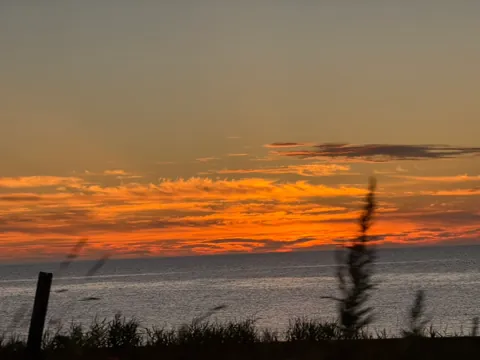
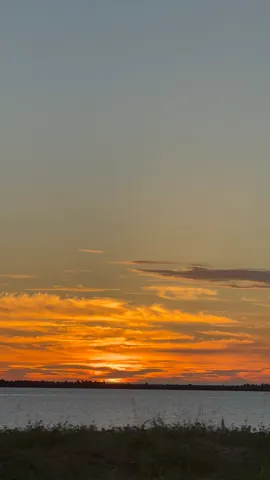
Rumoi is the port city and administrative centre of northwest Hokkaido's Sea of Japan coast, a former herring boomtown that kept its processing skills alive after the fish vanished. The city says it processes more salted herring roe (kazunoko) than anywhere else in Japan, and the sunsets at Ogon Cape (黄金岬) are among Japan's "100 Best Sunsets".
- Population (2020 Census)
- 20,114
- Area
- 297.81 km²
- Official website
- www.e-rumoi.jp
Known for
- Kazunoko (数の子, salted herring roe). Rumoi says it produces more salted kazunoko than anywhere else in Japan.2 The tourism association puts its domestic share at about 50%.9
- Herring heritage. The Former Rumoi Saga Family Fishery (旧留萌佐賀家漁場) is a National Historic Site. Its 3,745 herring-fishing tools are a National Important Tangible Folk Cultural Property.10
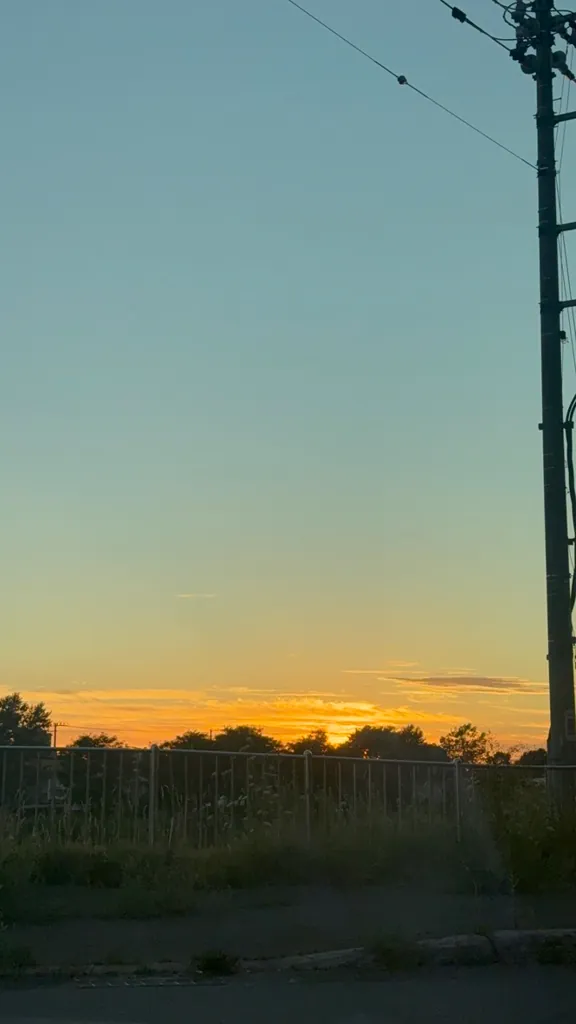
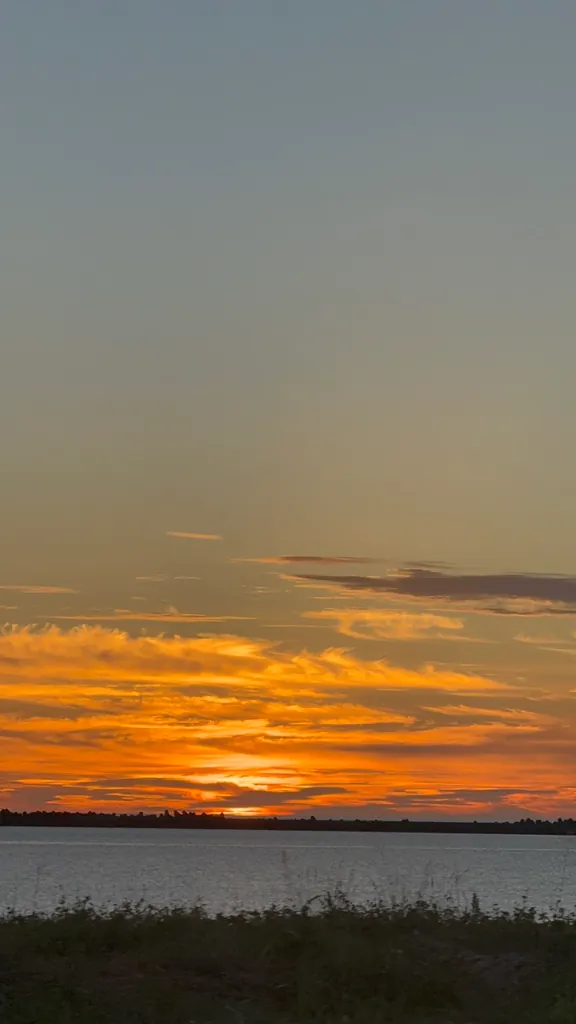
- Sunsets at Ogon Cape (黄金岬). The cape is one of Japan's "100 Best Sunsets" (日本の夕陽百選).2
- Golden Beach Rumoi (ゴールデンビーチるもい). An artificial beach, one of the largest swimming beaches in northern Hokkaido (道北).1112
- Rumoi Port (留萌港). A nationally designated Important Port (重要港湾) and the base of the city's economy.2
- Michi-no-Eki Rumoi and outdoor tourism. The roadside station includes an indoor children's play centre. A mont-bell outdoor activity base opened there on 16 July 2026.1314
- The "heart-shaped" city. The municipal boundary is shaped like a heart, and local promotions make use of it.215
- A road-map oddity. National Routes 231, 232 and 233 (and 239) all end at the same junction in central Rumoi, Motokawa-chō 2-chōme (元川町2丁目交差点).16
Sights & activities
Nature & scenery
- Ogon Cape Seaside Park (黄金岬海浜公園), Ōmachi 2-chōme. The cape's name ("golden cape") comes from the herring schools that once swept towards shore glittering gold in the evening light. There are dramatic pillar-like rocks, sunset viewing and rock-crab fishing (bait sold on site). Swimming is not allowed. There is a free campsite and 60 free parking spaces. The season runs 25 April–12 October 2026 (as of September 2026).27
- Senbōdai Observatory (千望台). A viewpoint about 180 m above sea level, over the city and port (Japanese Wikipedia gives the hill as 170.2 m).474 On clear days you can see Teuri and Yagishiri islands and the outline of Rishiri. It is a popular night-view spot. HeartLand♥Cafe runs in a log-house rest area, open 25 April–12 October 2026.47
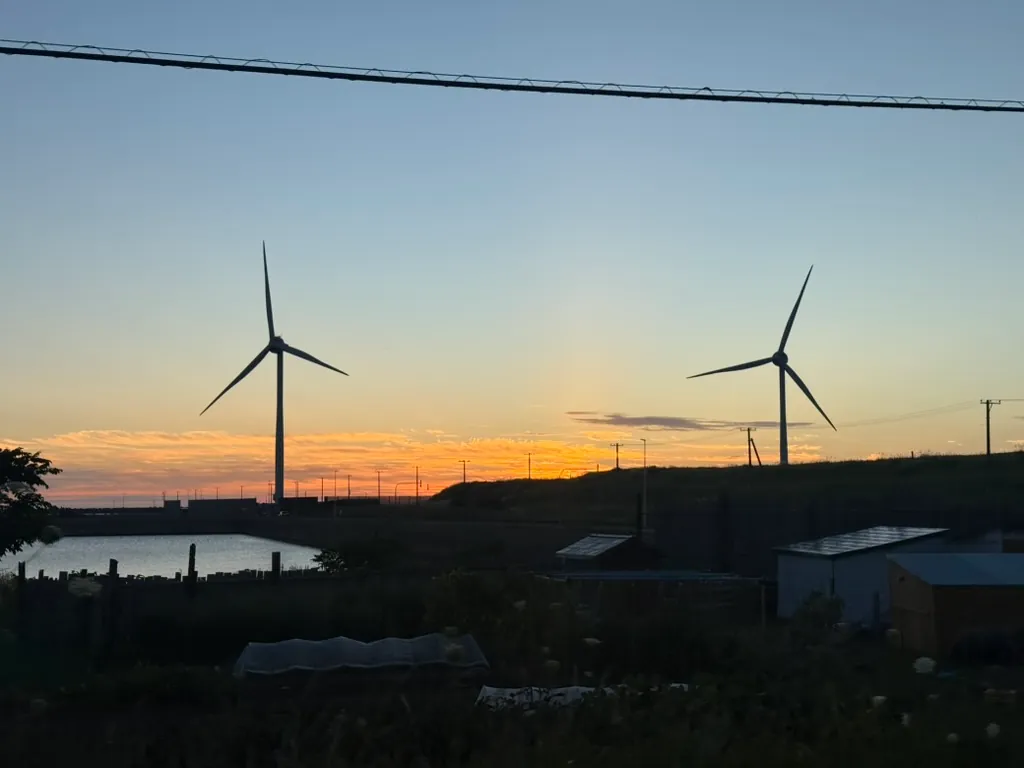
- Reuke Pasture (礼受牧場), Reuke-chō 294-1. A "hill where you can see the wind", with large wind turbines and views of the Sea of Japan and Mt Shokanbetsu. Its rest house sells soft-serve (¥400) and BBQ sets. It opens 10:00–18:00, closed Mondays, from 25 April to 27 September 2026.31 Buckwheat flowers bloom from mid-July to mid-August.25
- Kamuiwa Park (神居岩公園). The city's largest park, with about 1,500 Ezo-yamazakura and double-flowered cherry trees and about 500 moss phlox (shibazakura). It is one of the best cherry-blossom spots in northern Hokkaido, and the leaves colour well in autumn.48
- Rumoi Dam / Lake Chibaberi (留萌ダム・チバベリ湖). The lake is opened for leisure use on set days in summer; in 2025 this was 13 June–30 September, 10:00–15:00. Dam cards are available at the management office.26
Onsen
- No onsen resort in Rumoi was found in the sources consulted. The tourism association's Kamuiwa Park page says day bathing is available at the nearby Hotel Kamuiwa (ホテル神居岩); check before visiting.48 The subprefecture lists Iwao Onsen (岩尾温泉) among the sights of neighbouring Mashike.7
Museums & heritage
- Former Rumoi Saga Family Fishery (旧留萌佐賀家漁場), Reuke-chō 13-1. Designated a National Historic Site on 11 March 1997. Surviving buildings include the main house and bunkhouse, storehouses for processed herring, boats and nets, and an Inari shrine. It opens to the public only for a limited season, and the city says this year's public opening has already ended (as of September 2026). To visit outside it, contact the Board of Education (0164-42-0435).18
- Other historic sites. The Hiyoriyama beacon site (日和山烽火台跡) at Ogon Cape once guided ships with fire signals. The site of the Igarashi Okutarō residence (旧五十嵐億太郎邸跡地) was designated in 2017. Both are municipal historic sites.10
- Umi no Furusato-kan. See Culture & festivals.
Outdoor & seasonal activities
- Golden Beach Rumoi (ゴールデンビーチるもい), Okimi-chō. About 1 km of sand with 840 parking spaces. Fires lit directly on the ground (直火) are banned, and you take your rubbish home.11 The beach opens for swimming from early July to mid-August.12
- SUP, cycling and hiking. The Michi-no-Eki outdoor base offers SUP on the sea and on dam lakes, cycling along the Orolon Line, trekking around Kamuiwa and Mölkky.14
- Camping and park golf. Kamuiwa Park has a free campsite (May–October) and a 36-hole park-golf course certified by the Japan Park Golf Association.48
Food experiences
Roadside stations (Michi-no-Eki)
Michi-no-Eki Rumoi (道の駅るもい)
- Location: Funaba-chō 2-chōme 114, Rumoi (〒077-0005), on National Route 231.5051 It sits in Funaba Park, also branded Rushin Fureai Park (るしんふれ愛パーク), next to Rumoi Port and the town centre.523751 The site covers about 78,000 m².50
- Hours: Management building 9:00–17:00. Chairumo (ちゃいるも) is open 9:00–18:00 from 1 May to 30 September and 9:00–17:00 the rest of the year. Toilets are open 24 hours.50 The children's play area inside Chairumo keeps shorter hours: the tourism association gives 10:00–16:45 (17:45 in May–September).52 The station closes 29 December–3 January.51 Individual shops keep their own hours and closing days (below). As of September 2026; check before visiting.
- Shops & products:
- Okatteya Moe, Michi-no-Eki branch (お勝手屋萌 道の駅店), inside Chairumo, run by the Rumoi Tourism Association. It sells kazunoko and traditional herring products, local farm and seafood goods, local sweets, station goods and Kazumo-chan merchandise. Open 9:00–18:00; closed only 29 December–3 January.8
- WAVES, inside Rumo Café. Lumond's rusks and other baked sweets, karintō manjū and freshly baked apple pie, 10:00–17:00.8
- The Hokkaido roadside-station site also lists buta-jisukan (豚ジスカン), kazunoko seasoned in white soy sauce, kazunoko-nishin (数の子にしん), Ruru Rosso fresh tsukemen noodles and a kazunoko gelato among the station's products.51
- Food:
- Musashiya (むさし家), in the management building, 9:00–16:00, closed Tuesdays. Nishin oyako bentō, nishin soba, Musashi zangi and tori-ten udon.33
- Funaba Café (ふなばカフェ). Soft-serve and coffee, 9:00–16:00.33
- Rumo Café (ルモカフェ), run by Lumond. Moppe MILK kazunoko soft-serve, apple pie and a "too-firm pudding" (固すぎるプリン), 10:00–17:00. Closes when the weather is bad.35
- Seasonal challenge-shop stalls, 25 April–3 November 2026 (Shiranchi from 1 May), 10:00–16:00, each closed one weekday:
- Hokkai Yanshū (北海やん衆): squid rice and scallop rice
- Shiranchi (しらんち): flounder burgers
- Suzuki Kamaboko: fried fish cakes
- Hokkaido Ryōsui: octopus zangi and octopus rice36
- HERMOST (ハーモスト), in the outdoor base. Build-your-own sets of Rumoi rice with "rice companions" (ご飯のお供). Takeout 9:00–17:00, eat-in 10:30–14:30.53
- Facilities:
- Parking: the official site lists 319 spaces over several lots, including large-vehicle and accessible spaces.50 Other sources give smaller figures for the main lot: 132 cars and 9 large vehicles51, or 224 spaces in total.52
- Services: 24-hour toilets, accessible and ostomate toilets, EV charging, free Wi-Fi, nursing room, tourist information concierge.5150
- Outdoors: an 18,000 m² lawn with free equipment loans, a dog run (free frisbee loans) and a free 9-hole park-golf course with free club rental.54
- Chairumo (opened spring 2022): an indoor play area for ages 0–12, ¥100 for 1.5 hours, about 60 children at a time, with a parent required.54
- Mont-bell Outdoor Village Rumoi (モンベルアウトドアヴィレッジるもい), opened 16 July 2026: tour desk, rental gear, lockers and changing rooms, outdoor-gear shop, bike repair and sports-bike rental, and a food and local-produce corner.1314
- Rental bikes ("moecle"): ¥500 for 3 hours, late April to late October.55
- Notes:
- Registered on 13 March 2020 in the 52nd national round and opened on 11 July 2020.24 Also registered as a "Minato Oasis" (みなとオアシス, port-based community hub) on 26 July 2020.50
- Local markets such as the Umidori Marché (海鳥マルシェ) are held here. The concierge desk gives tourist information for the whole coast up to Wakkanai.1551
- The 14th National Michi-no-Eki Symposium and Michi-no-Eki Festival are held here and at the Rumoi Culture Center on 3 October 2026.1241
Getting there & around
- Rail. None. The Ishikari-Numata–Rumoi section closed on 1 April 2023, and the rest of the Rumoi Main Line (Fukagawa–Ishikari-Numata) on 1 April 2026.20 Connect to JR at Sapporo, Asahikawa or Fukagawa by bus.
- Buses from Sapporo. Chūō Bus runs the "Kōsoku Rumoi" (高速るもい号). Engan Bus runs the "Tokkyū Mashike" (特急ましけ号) and "Tokkyū Haboro" (特急はぼろ号, reservation required).5655 The city gives about 2 h 30 min by highway bus, and the tourism association about 3 hours.255
- Buses from Asahikawa. Engan Bus and Dōhoku Bus run the Rumoi–Asahikawa line, and Engan Bus also runs the "Tokkyū Asahikawa". The trip takes about 1 h 40 min to 2 h 10 min.56255
- By car. The Fukagawa-Rumoi Expressway (深川留萌自動車道, E62) is toll-free north of Fukagawa-Nishi IC. It has three interchanges in Rumoi: Rumoi-Horonuka IC (opened 2006), Rumoi-Ōwada IC (2013) and Rumoi IC (28 March 2020).23 From Sapporo it is about 1 h 50 min to Rumoi IC by expressway, and from Asahikawa about 1 h 10 min.56 The coastal National Route 231 from Sapporo takes about 2 h 53 min.2
- National routes. Routes 231 (from Sapporo), 232 (north along the coast), 233 (towards Fukagawa and Asahikawa) and 239 all end at Motokawa-chō 2-chōme junction, where Route 451 begins.16
- Airports. New Chitose is about 2 h 30 min by car and Asahikawa Airport about 1 h 30 min.55
- Local transport. Engan Bus runs the city buses, and there is a local taxi company. Rental bikes ("moecle") are available at the Michi-no-Eki.55
Practical tips
- When to go. Visit between late April and mid-October. The seasonal facilities at Ogon Cape and Senbōdai open 25 April–12 October, and the museum until 25 October (2026 dates).274746 Swimming is from early July to mid-August.12 Late July brings the Dontō lantern festival and August the river festival, fireworks and SUP festival.12
- Sunsets. Ogon Cape faces west over the Sea of Japan; arrive before sundown to watch from the rocks.
- Winter. Rumoi averages 546 cm of snowfall a year.28 Northwesterly gales and ground blizzards regularly disrupt traffic.17 Many sights close from November to April. Check road conditions before driving the coast.
- Information. The Michi-no-Eki concierge desk and the NPO Rumoi Tourism Association (0164-43-6817) handle visitor enquiries.5025 To visit the Saga fishery outside its public-opening season, call 0164-42-0435.18
- Rules and wildlife. Swimming is banned at Ogon Cape, and fires lit directly on the ground (直火) are banned at Golden Beach.2711 Brown bears and deer live in forested and rural areas across Hokkaido. Take usual bear precautions around the dam, the pastures and mountain roads, and watch for deer on roads at dusk.
Photos
-
 Aug 2026
 -
 Aug 2026
 -
 Aug 2026
 -
 Aug 2026
 -
 Aug 2026
 -
 Aug 2026
More about Rumoi
At a glance
| Field | Details |
|---|---|
| Type | City (市) |
| Subprefecture | Rumoi (留萌振興局). The subprefecture office moved here from Mashike in 1914.1 |
| District | None (cities belong to no district) |
| Population | 20,114 at the 2020 Census (9,816 households)2; 17,267 on the resident register on 2026-08-31 (10,211 households)3 |
| Area | 297.81 km², per the GSI area survey as of 1 January 20262 |
| Density | About 58 people/km² in August 2026 (67.5/km² at the 2020 Census; calculated from the figures above) |
| Municipal history | 1877: village office (戸長役場) built, the city's official founding (開基). 1902: Rumoi Village absorbed Reuke Village (礼受村). June 1908: town status. 1 October 1947: city status.1 |
| Neighboring municipalities | Mashike, Obira, Hokuryu, Numata4 |
| Symbols | Tree: acacia (アカシア). Flower: azalea (ツツジ). Both adopted in October 1977.5 City seal adopted 16 December 1964: a stylised ル whose diamond shape shows a seed breaking through hard soil.6 No city bird was found. |
| Mascot | Kazumo-chan (かずもちゃん / KAZUMOちゃん), the "Rumoi City kazunoko support mascot" (留萌市かずの子応援マスコットキャラクター)78 |
| Official website | https://www.e-rumoi.jp/ (tourism: NPO Rumoi Tourism Association, https://www.rumoi-rasisa.jp/web/) |
Name origin
- The name comes from the Ainu Rurumoppe (ルルモッペ), a name for the Rumoi River. The city splits it as ruru (潮, tide), mo (静, quiet), ot (入る, to enter) and pe (所, place). It translates the whole as "the place where the tide quietly flows in".2 The city's overview page instead glosses ot as "to be" (ある) and pe as "water" (水), and explains the name as a river where the tide reaches far inland.6
- Japanese Wikipedia notes that there are several theories. Among them it singles out rur-mo-ot-pe ("tide–quiet–always there–thing (river)", i.e. "a river the tide enters deeply") as the natural reading, and says the city uses it.4 The subprefecture's summary gives a shorter version: a corruption of Rurumoppe, "from 'quiet river'".7 The accounts differ mainly on ot. The city profile reads it as "to enter"; the city's overview page and the Wikipedia gloss read it as "to be (always) there".
- In Edo times the Matsumae trading post here was called the Rurumoppe basho (ルルモッペ場所). In 1869 the Meiji government renamed the area 留萌, first read Rumoe (るもえ).1 The kanji 萌 ("to sprout") is echoed in the city seal's sprouting-seed design.6
History
- Prehistory. The 三泊漁港遺跡 site (at the 三泊 fishing port) shows that Jōmon people here lived by hunting at sea. It was designated a municipal historic site in 1999. Also held by the city: a late-Heian star-helmet fragment (星兜残欠), a municipal cultural property.10
- Edo period. Ainu and Japanese lived side by side along this coast.4 In the Keichō era (1596–1614) the Matsumae domain opened the Rurumoppe basho to trade with the Ainu.2 Around 1789 Matsumae assigned the Rumoi post to its retainer 松前貢. Merchant contractors such as Suhara Kakubei (栖原角兵衛, from Kishū) later ran the region's fisheries.17
- Herring and the Saga family. In 1844 Saga Heinojō (佐賀平之丞), eighth head of a fishing family from today's Kazamaura in Aomori, opened a herring fishery at Reuke (礼受). The family fished there for 113 years, until 1957. At its peak it ran 12 set-net operations (12ヶ統の建網) around Rumoi.1819
- Shogunate and early Meiji. In 1855 the shogunate took direct control of western Ezo and the Akita domain guarded the area. In 1869 the area was renamed Rumoi and put under the Yamaguchi domain.1
- Building the town. The village office was built at Kawakita in 1877, and 1877 counts as the city's founding. Rumoi Village absorbed Reuke Village in 1902 and became a town in 1908.1 The Owada coal mine (大和田炭鉱) opened in 1899 and closed in 1959.4 Settlers came in the Meiji era, but the sources consulted do not say which prefectures they came from.
- Railway and port. The Rumoi–Fukagawa railway opened on 23 November 1910. Construction of Rumoi Port began the same year.201 The subprefecture office moved here from Mashike in 1914, and trains reached Mashike in 1921.1 The coastal line north (later part of the Haboro Line) opened to Ōtodo on 25 October 1927 and reached Onishika on 10 October 1928. The city chronology gives 1927 for Onishika.201 The port was completed in 1931 and opened to international trade in 1936.1 Igarashi Okutarō (五十嵐億太郎) is honoured as the "father of Rumoi Port".2
- 1945. On 22 August 1945, a week after Japan's surrender, Soviet submarines attacked three evacuation ships off Rumoi: the Ogasawara Maru, Daini Shinkō Maru and Taitō Maru. More than 1,708 people died. This is the "Three Ships Disaster" (三船殉難事件). Records show that Stalin had planned a landing at Rumoi for 24 August.21
- City status and the end of herring. Rumoi became a city on 1 October 1947. A Self-Defense Forces regiment (today's 26th Infantry Regiment) was stationed here in 1953.1 Herring stopped spawning inshore (群来, kuki) after 1954, and the herring fishery ended in 1957.2 Local processors switched to imported roe, for example from Canada.2 In the 1950s Rumoi Port handled almost all of Japan's kazunoko imports, and Rumoi firms held over 60% of Japan's tarako processing.4
- Disasters. The 1958 Motomachi fire destroyed 252 homes.1 In August 1988 the Rumoi River flooded, causing ¥6.18 billion in damage and flooding 1,270 buildings above floor level.122 Record snow in 2013 paralysed traffic.2
- Herring return. In spring 1999 herring spawned off Rumoi's beaches again for the first time in 45 years.12
- Modern infrastructure. Rumoi Dam began operating in 2010.1 In 2016 the city passed the Rumoi City Kazunoko Ordinance (留萌市かずの子条例).2 Rail lost ground in stages. The Rumoi–Mashike line closed on 5 December 2016. The Ishikari-Numata–Rumoi section closed on 1 April 2023, leaving the city without rail. The rest of the Rumoi Main Line closed on 1 April 2026.20
- Revitalisation. Rumoi IC opened on 28 March 2020, completing the expressway.231 Michi-no-Eki Rumoi opened on 11 July 2020.24 The indoor play centre Chairumo followed in April 2022.25 The outdoor activity base opened on 16 July 2026.13 On 3 October 2026 the city hosts the 14th National Michi-no-Eki Symposium.12
Geography & climate
- Setting. Rumoi lies in northwest Hokkaido on the Sea of Japan, halfway along the coastal Japan Sea Orolon Line (日本海オロロンライン). The Shokanbetsu-Teuri-Yagishiri Quasi-National Park (暑寒別天売焼尻国定公園) stretches away to its south and north.2
- Landforms. The city is built around the Rumoi River, which runs east–west with plains and hills on either side. The south is mountainous and the north has lower hills.6 Forest covers 175.61 km², about 59% of the city.2 The tallest of its main mountains is Mt Poroshiri (ポロシリ山, 730.5 m).4
- Rivers and dam. The Rumoi River (留萌川) is 44 km long, drains 270 km² and rises on Mt Poroshiri. Rumoi Dam (留萌ダム) was completed in 2010 on its largest tributary, the Chibaberi River. It controls floods and supplies water.22 Its reservoir is Lake Chibaberi (チバベリ湖).26
- Coast. Ogon Cape has rugged rock formations that look like stacked pillars. Golden Beach is about 1 km of sand.2711
- Climate. The climate is typical of the Sea of Japan side. The Tsushima Current keeps it fairly mild for its latitude. Winter northwesterlies often exceed 20 m/s and whip up ground blizzards (地吹雪) that disrupt traffic.17 JMA normals for 1991–2020 at Rumoi:28
- Annual mean temperature 8.0 °C (January −4.1 °C, August 20.9 °C)
- Annual precipitation 1,154.1 mm
- Annual snowfall 546 cm
- Sunshine 1,514 hours
- Records. The highest temperature on record is 35.6 °C (1 August 2021) and the lowest −23.4 °C (25 January 1985). The deepest snow was 204 cm (17 March 1946).29 The whole city is designated a special heavy-snow area (特別豪雪地帯).304
Economy & industry
- Seafood processing is the core industry.2 Output in 2025, per the city's July 2026 profile:2
- Salted kazunoko 857 t and seasoned kazunoko 433 t
- Tarako (pollock roe) 274 t and karashi-mentaiko 121 t
- Nuka-nishin (rice-bran-cured herring) 191 t
- Frozen herring 3,290 t
- Fishing. Local catches include octopus, flounder (hirame), sea urchin, scallops and sweet shrimp (amaebi).2 The city had 25 fishing businesses in 2023.2
- Port. Rumoi Port handled 794,150 t of cargo in 2025. That included 612,979 t of inbound domestic cargo and 125,178 t of imports. 1,029 vessels called that year, 706 of them fishing boats.2 The city also promotes timber exports through the port.2 The cruise ships Asuka II and Asuka III call at the 三泊 wharf of Rumoi Port (三泊港), where the city greets them with local-produce fairs.12
- Jobs. The 2021 Economic Census counted 10,299 workers: 67 in primary industry, 1,759 in secondary and 8,473 (about 82%) in tertiary.2 Rumoi is the region's government and service centre.6
- Agriculture. In 2020 the city had 60 farm households and 735 ha of paddy fields.2 "Minami-Rumoi" rice (南るもい米, Nanatsuboshi) has won gold at a national rice taste competition three years running. Ruru Rosso (ルルロッソ) is a local hard wheat grown for pasta.9
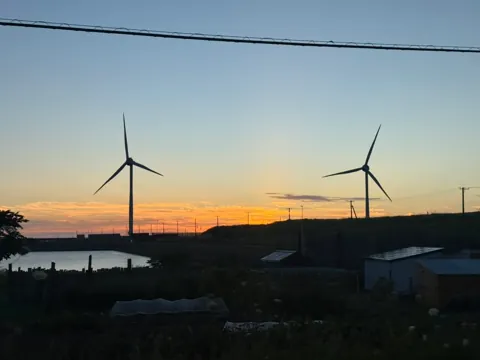
- Energy. Wind turbines stand on the Reuke Pasture hills.31 The city has a Port and Renewable Energy Office.2
- Tourism. Rumoi had 445,700 visitors in FY2025. Only 12,400 stayed overnight and 13,400 came from outside Hokkaido. Golden Beach drew 28,487 bathers.2 The city is trying to move from summer beach day-trips to year-round outdoor tourism.213
- Population. Rumoi had 30,060 people at the 1995 Census and 20,114 at the 2020 Census, a fall of 33%.2 In 2025 there were 65 births and 319 deaths, and 997 people moved out against 717 who moved in.2 By March 2026 about 40% of residents were 65 or older and under 8% were under 15 (calculated from the city's age table).2 The city's strategy aims to hold the population at 11,045 in 2050.2
- Public finances. In FY2024, donations (寄附金, the category that includes furusato nozei) brought in ¥1.95 billion. That was 10.8% of general-account revenue, close to the ¥2.15 billion raised in city taxes.2
- Citizen initiatives. Rumoi has Hokkaido's only "Health Station" (るもい健康の駅), a base for long-term cohort medical research. Residents campaigned to bring a Sanseidō bookstore (三省堂書店) to the city.2
Local specialties
| Specialty | Category | Details & where to get it |
|---|---|---|
| Salted kazunoko (塩かずの子) | Seafood | Rumoi's signature product: 857 t processed in 2025.2 Sold with other herring products at the Okatteya Moe souvenir shop (お勝手屋萌), in town and at the roadside station.8 |
| Seasoned kazunoko (味付数の子) | Seafood | 433 t made in 2025.2 A 360 g pack by the maker Mitsuhashi (三橋) is a furusato nozei gift.32 |
| Kazunoko Matsumae-zuke (数の子屋こだわりの松前漬) | Pickles | Squid-and-kelp pickle with herring roe, offered as a furusato nozei gift32 |
| Tarako & karashi-mentaiko (たらこ・辛子明太子) | Seafood | Pollock roe: 274 t of tarako and 121 t of mentaiko in 2025. Listed as an official specialty.27 |
| Nuka-nishin (糠にしん) | Preserved fish | Traditional rice-bran-cured herring, 191 t in 202527 |
| Nishin oyako bentō (にしん親子弁当) | Ekiben / dish | "Parent and child" herring box: kazunoko cured in white soy sauce with sweet-simmered herring.33 Rumoi Station's ekiben, created in 2003 when station bento returned after 16 years.34 Now served at Musashiya (むさし家) in the Michi-no-Eki.33 |
| Minami-Rumoi rice (南るもい米) | Rice | Nanatsuboshi and Yumepirika varieties. A 5 kg bag of Yumepirika is a furusato nozei gift.932 |
| Ruru Rosso (ルルロッソ) | Wheat / pasta | Local durum-like wheat, developed from field to finished pasta97 |
| Butachan-yaki, buta-jisukan (豚ちゃん焼・豚ジスカン) | Local gourmet | Pork dishes the subprefecture lists as Rumoi's local gourmet, together with sushi7 |
| Moppe MILK kazunoko soft-serve (Moppe MILK 数の子ソフトクリーム) | Sweets | Soft-serve with herring roe, sold at Rumo Café (ルモカフェ) in Chairumo. Made by the local confectioner Lumond (ルモンド), which also sells rusks, karintō manjū and apple pie.358 |
| Fried kamaboko (揚げかまぼこ) | Fish cake | Shrimp, octopus, scallop and vegetable versions by Suzuki Kamaboko (鈴木かまぼこ店), ¥600 each, at the station's seasonal stalls36 |
| Octopus dishes (たこザンギ・たこ飯) | Seafood | Fried octopus, octopus rice and takoyaki from Hokkaido Ryōsui (北海道良水) at the station36 |
Culture & festivals
| Event | When | Highlights |
|---|---|---|
| Moekko Harumatsuri (萌っこ春待里) | Early March4 | "Waiting for spring" festival at the Michi-no-Eki. Its highlight is the Moekko Banba Race (萌っこばんばレース), a crowd-pleasing contest for strongmen.37 |
| Kazunoko no Machi Rumoi Festa (かずの子のマチ留萌フェスタ) | 5 May, "Kazunoko Day" | Kazunoko and other processed seafood sold at bargain prices. Promotes the city's kazunoko ordinance.38 |
| Shōtoku Taishi Festival (聖徳太子祭) | June (21–22 June in 2026) | Street stalls on the road leading to the old station12 |
| Rumoi Dontō Matsuri (るもい呑涛まつり) | Late July (24–25 July in 2026) | Rumoi's largest festival, meant to revive the spirit of the old herring workers (やん衆, yanshū). Parades of lit andon lanterns with drums and shouts of "Raiya!" (らいや) along the main street.3912 |
| Rumoi River Festival (るもい川まつり) | August (37th edition on 9 August 2026) | Boat events on the river beach behind Takasago Park, an amaebi rock-paper-scissors contest and a prize draw. Started after flood-control work on the river.1240 |
| Summer sea-urchin harvesting & "World Rock-Crab Fishing Championship" (夏休みウニ獲り体験・世界磯ガニ釣り選手権) | August (9 August in 2026) | Hands-on sea-urchin gathering and crab fishing at Ogon Cape12 |
| Orolon Summer Festa (オロロンサマーフェスタ) | August (11 August in 2026) | Stage shows and fireworks on the south quay of Rumoi Port12 |
| RUMOI SUP FESTIVAL | Late August (30 August in 2026) | SUP races sanctioned by the SUP association SUPA, on the south quay of Rumoi Port12 |
| Health Rumoi Marathon (健康づくり留萌マラソン大会) | September (20 September in 2026) | 48th running, along the Nishi-kaigan coastal road12 |
| National Michi-no-Eki Symposium & Michi-no-Eki Festival (全国「道の駅」シンポジウム・道の駅まつり) | 3 October 2026 | Stalls from 27 roadside stations (25 from Hokkaido, plus one each from Hyōgo and Hiroshima), company exhibits and panel displays41424312 |
| Umaiyo! Rumoi-ichi (うまいよ!るもい市) | Not held in 2026 (per the tourism association; the subprefecture calendar listed the date as undecided) | Seafood fair at the Rumoi regional wholesale market, including scallop stuff-a-bag sales4412 |
- Remembrance. Every August, memorial fires are lit at Ogon Cape for the victims of the 1945 Three Ships Disaster.21
- Umi no Furusato-kan (留萌市海のふるさと館). The city's local history museum, at Ōmachi 2-3-1. It shows fossils from the birth of the Sea of Japan, herring-fishing tools, Jōmon finds and a corner on the Rumoi-born film composer Satō Masaru (佐藤勝). The building has no lift and no air conditioning. It is open 9:00–18:00 from 25 April to 25 October 2026 (as of September 2026).4546
- Herring Road. The Saga fishery is part of the Hokkaido Heritage listing "Rumoi Herring Road" (留萌のニシン街道).2
- Community radio. FM Moeru (エフエムもえる) moved into the Michi-no-Eki in October 2023 after Rumoi Station closed.24
Ainu heritage
- Ainu and Japanese lived side by side here through the Edo period.4 Rumoi's recorded history begins with the Matsumae domain's Ainu trading post, the Rurumoppe basho.2 The city's name is Ainu, from Rurumoppe (see Name origin).
- The city has designated two Ainu attus robes (アトゥシ), made of bark-fibre cloth, as municipal cultural properties (1999). They are not on public display at present.10
- No museum or cultural centre in Rumoi is dedicated to Ainu culture, and no living Ainu cultural activities specific to Rumoi were found. Upopoy in Shiraoi is Hokkaido's national Ainu culture centre. The park name Kamuiwa (神居岩) uses 神居, a common kanji rendering of the Ainu kamuy ("deity"), but the park's own page mentions no legend (unverified).
Sister & friendship cities
Notable people
- Wakamatsu Tsutomu (若松勉). Baseball player who went to school at Rumoi's Tōkō Elementary and Rumoi Junior High.7 He was Central League batting champion in 1972 and 1977.4 As manager he led the Yakult Swallows to the 2001 title.1
- Morita Kōichi (森田公一). Composer and singer, known for "Seishun Jidai".7
- Satō Masaru (佐藤勝). Film composer, with a corner at Umi no Furusato-kan.745
- Miyagawa Hiroshi (宮川泰). Composer.7
- Igarashi Okutarō (五十嵐億太郎). Honoured as the "father of Rumoi Port development".2
- Agata Morio (あがた森魚). Singer-songwriter.4
- Igarashi Ryōta (五十嵐亮太). Pitcher for Yakult, SoftBank and the New York Mets.4
Sources
Numbers in the text link to these sources. Figures as of 23 September 2026
- 留萌市のあゆみ — 留萌市 JA accessed 2026-09-23
- 市勢要覧(令和8年7月改訂版)全体版 — 留萌市 JA accessed 2026-09-23
- 人の動き — 留萌市 JA accessed 2026-09-23
- 留萌市 — Wikipedia JA accessed 2026-09-23
- 留萌市の木、花 — 留萌市 JA accessed 2026-09-23
- 留萌市の概要 — 留萌市 JA accessed 2026-09-23
- 留萌の概要2026 管内市町村の概要(市町村コーナー) — 北海道留萌振興局 JA accessed 2026-09-23
- 買う — 道の駅るもい JA accessed 2026-09-23
- 特産品 — NPO法人留萌観光協会 JA accessed 2026-09-23
- 留萌市の文化財について — 留萌市 JA accessed 2026-09-23
- ゴールデンビーチるもい — NPO法人留萌観光協会 JA accessed 2026-09-23
- 令和8年度 留萌管内イベントカレンダー — 北海道留萌振興局 JA accessed 2026-09-23
- アウトドア・アクティビティ拠点施設の概要 — 留萌市 JA accessed 2026-09-23
- るもいアウトドア — 道の駅るもい JA accessed 2026-09-23
- お知らせ — 道の駅るもい JA accessed 2026-09-23
- 国道231号 — Wikipedia JA accessed 2026-09-23
- 留萌の概要2026 沿革・自然条件 — 北海道留萌振興局 JA accessed 2026-09-23
- 国指定史跡「旧留萌佐賀家漁場」について — 留萌市 JA accessed 2026-09-23
- Former Rumoi Saga Family Fishery — Wikipedia EN accessed 2026-09-23
- 留萌本線 — Wikipedia JA accessed 2026-09-23
- 三船殉難事件 — Wikipedia JA accessed 2026-09-23
- 留萌川 — Wikipedia JA accessed 2026-09-23
- 深川留萌自動車道 — Wikipedia JA accessed 2026-09-23
- 道の駅るもい — Wikipedia JA accessed 2026-09-23
- 留萌の観光 — 留萌市 JA accessed 2026-09-23
- 留萌ダム — NPO法人留萌観光協会 JA accessed 2026-09-23
- 黄金岬海浜公園 — NPO法人留萌観光協会 JA accessed 2026-09-23
- 留萌 平年値(年・月ごとの値) — 気象庁 JA accessed 2026-09-23
- 留萌 観測史上1~10位の値 — 気象庁 JA accessed 2026-09-23
- 豪雪地帯及び特別豪雪地帯の指定地域(詳細) — 国土交通省 JA accessed 2026-09-23
- 礼受牧場 — NPO法人留萌観光協会 JA accessed 2026-09-23
- 留萌市ふるさと納税 特設サイト — 留萌市 JA accessed 2026-09-23
- 食べる|管理棟(むさし家・ふなばカフェ) — 道の駅るもい JA accessed 2026-09-23
- 留萌駅 — Wikipedia JA accessed 2026-09-23
- 食べる|ちゃいるも(ルモカフェ) — 道の駅るもい JA accessed 2026-09-23
- 食べる|チャレンジショップ — 道の駅るもい JA accessed 2026-09-23
- 萌っこ春待里 — NPO法人留萌観光協会 JA accessed 2026-09-23
- かずの子のマチ留萌フェスタ — NPO法人留萌観光協会 JA accessed 2026-09-23
- るもい呑涛まつり — NPO法人留萌観光協会 JA accessed 2026-09-23
- るもい川まつり — NPO法人留萌観光協会 JA accessed 2026-09-23
- 北海道の道の駅 トップページ — 北海道の道の駅(北海道道の駅連絡会) JA accessed 2026-09-23
- 第14回全国「道の駅」シンポジウムin留萌開催のお知らせ! — 北海道の道の駅(北海道道の駅連絡会) JA accessed 2026-09-23
- 道の駅まつり in るもい — 第14回全国「道の駅」シンポジウムin留萌実行委員会 JA accessed 2026-09-23
- うまいよ!るもい市 — NPO法人留萌観光協会 JA accessed 2026-09-23
- 留萌市海のふるさと館 展示室について — 留萌市 JA accessed 2026-09-23
- 留萌市海のふるさと館 — NPO法人留萌観光協会 JA accessed 2026-09-23
- 千望台 — NPO法人留萌観光協会 JA accessed 2026-09-23
- 神居岩公園 — NPO法人留萌観光協会 JA accessed 2026-09-23
- 寿司 — NPO法人留萌観光協会 JA accessed 2026-09-23
- 道の駅るもい 公式サイト — 道の駅るもい JA accessed 2026-09-23
- 道の駅るもい — 北海道の道の駅(北海道道の駅連絡会) JA accessed 2026-09-23
- 道の駅るもい — NPO法人留萌観光協会 JA accessed 2026-09-23
- 食べる|VC(HERMOST) — 道の駅るもい JA accessed 2026-09-23
- 遊ぶ — 道の駅るもい JA accessed 2026-09-23
- アクセス — NPO法人留萌観光協会 JA accessed 2026-09-23
- 留萌市への交通アクセス — 留萌市 JA accessed 2026-09-23
- 留萌の国際交流 — 留萌市 JA accessed 2026-09-23
- Rumoi, Hokkaido — Wikipedia EN accessed 2026-09-23