Shikaoi 鹿追町
しかおいちょう
Shikaoi is a dairy and field-crop town on the northwest rim of the Tokachi Plain. Its northern half climbs into Daisetsuzan National Park, where Lake Shikaribetsu, Hokkaido's highest natural lake, holds a char found nowhere else and, every winter, a village built of lake ice. Down on the plain, the town turns cow manure into electricity and hydrogen, and uses the leftover heat to farm sturgeon for caviar.
- Population (2020 Census)
- 5,266
- Area
- 402.88 km²
- District
- Kato District (河東郡)
- Official website
- www.town.shikaoi.lg.jp
Known for
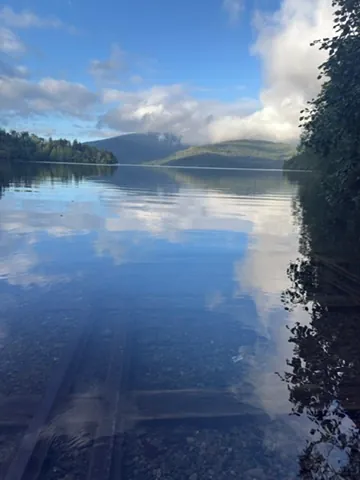
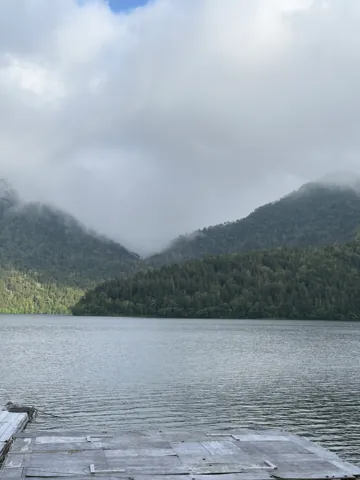
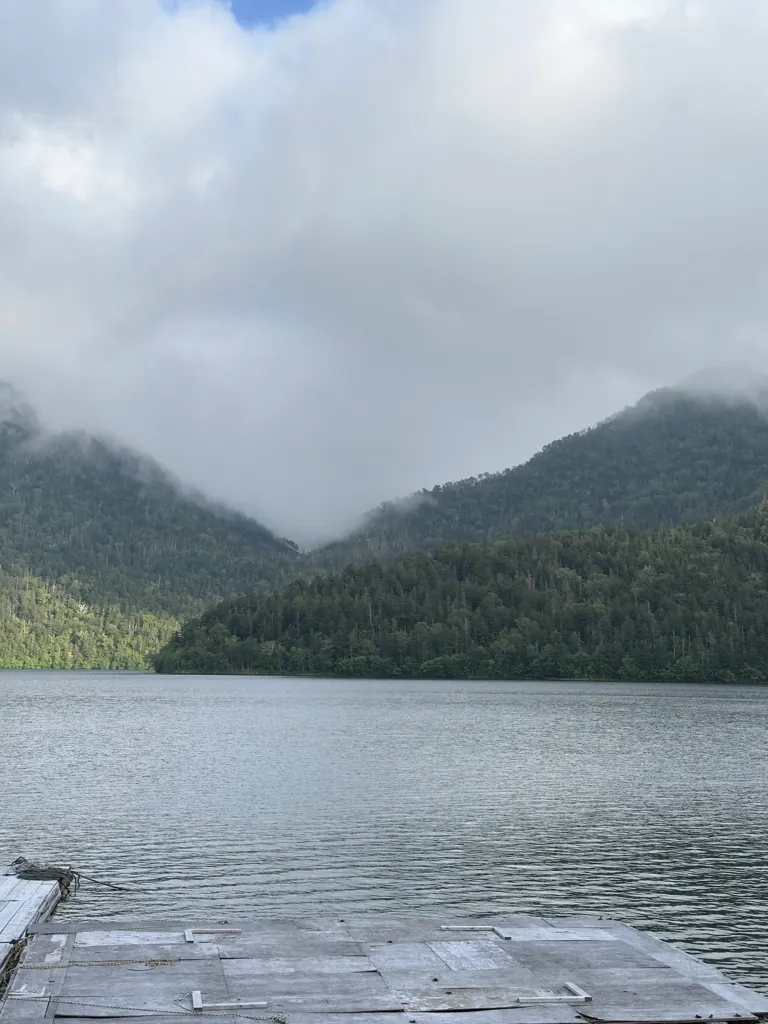
- Lake Shikaribetsu (然別湖). At about 800 m above sea level, it is the highest natural lake in Hokkaido and the only natural lake in Daisetsuzan National Park. Locals call it the "lake in the sky" (天空の湖)8.
- Shikaribetsu Kotan (しかりべつ湖コタン). From late January to mid-March an igloo village is built on the frozen lake, with an ice bar and a hot-spring bath on the ice. It won the top Furusato Event Award in 2010 and the Suntory Prize for Community Cultural Activities in 20218.
- Miyabe char (ミヤベイワナ). This fish lives only in Lake Shikaribetsu. It evolved from Dolly Varden (オショロコマ) that were trapped when the lake formed, and its habitat is a Hokkaido natural monument8.
- Kanda Nissho (神田日勝). The farmer-painter grew up in Shikaoi and died in 1970 at 32. His memorial museum permanently displays about half of his major works, including his unfinished last painting, Horse (馬)1011.
- Biogas, hydrogen and caviar. Two biogas plants run on dairy manure. The town makes hydrogen from the gas, was chosen in 2022 as one of Japan's first "Decarbonization Leading Areas," and in 2025 launched "Shikaoi Caviar" from sturgeon raised with the plants' spare heat812.
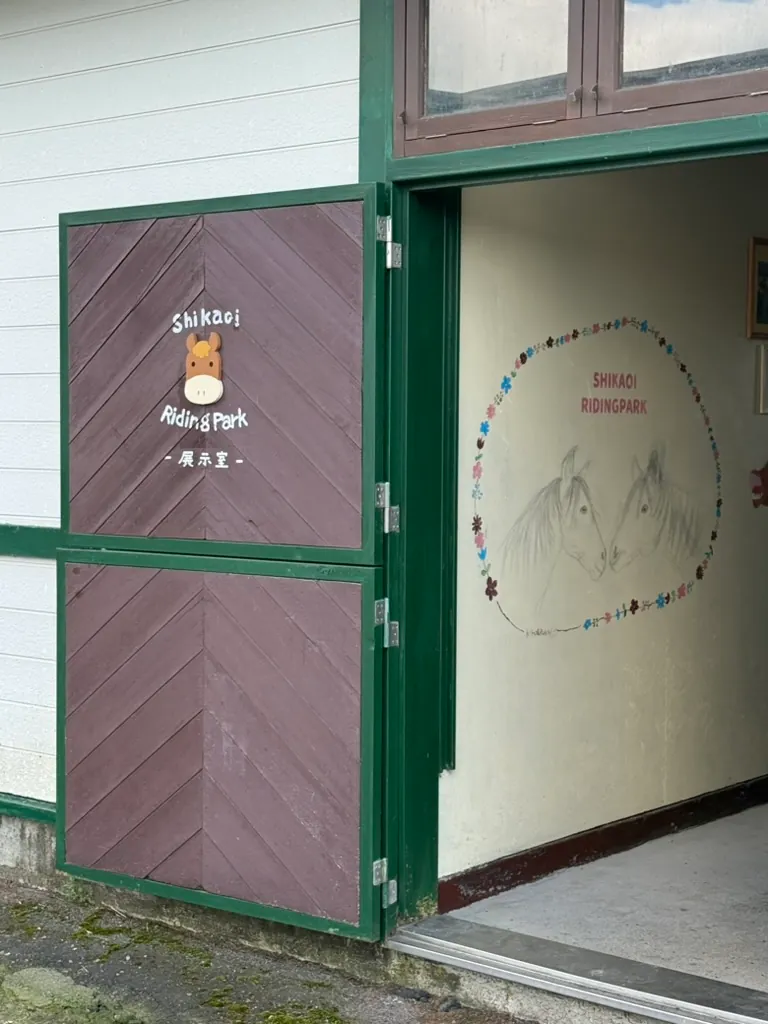
- Horses. Michi-no-Eki Urimaku is the only roadside station in Hokkaido where you can ride a horse, and the town has a 120 km riding-only trail, described as the longest in Japan1314.
- Tokachi Shikaoi Geopark (とかち鹿追ジオパーク). The whole town is a Japanese Geopark, the only one in Tokachi. It is the only geopark in Japan built around shibare (凍れ), deep cold815.
Sights & activities
Nature & scenery
- Lake Shikaribetsu. In autumn, Erman's birch turns yellow and rowan turns red, peaking from late September to early October. A cruise boat circles the lake and shows shoreline colors you cannot see from the road25.
- Ōgigahara Observatory (扇ヶ原展望台). On the road up to the lake. It looks over a fan-shaped plateau built by pyroclastic and debris flows, and on clear days the view reaches the Pacific25.
- Lake Shinonome. Best reached on guided treks run from early summer to autumn25.
- Shikaribetsu River cherry trees. 18 km of Ezo mountain cherry, usually at their best in mid-May. The embankment makes a good cycling route25.
- Fukuhara Sansō (福原山荘). A private garden opened free for about a month of autumn color, from mid-September to mid-October25.
- Wind holes (風穴). The geopark ran 20-minute wind-hole mini tours in August–September 202615.
Onsen
- Shikaribetsu Kohan Onsen (然別湖畔温泉). A 64 °C sodium chloride–bicarbonate spring flows straight into lakeside baths kept at about 44 °C outdoors and 43 °C indoors50. Hotel Fūsui (ホテル風水) is open all year24.
- Shikaribetsu-kyō Kanno Onsen (然別峡かんの温泉). A spring was found about 1907 by Hongō Hyōkichi of Miyagi, and he opened an inn here in 1911 (the town yearbook says 1912). The inn closed in 2008 and reopened in August 2014508. Water from 13 sources feeds 11 baths50.
- Shika-no-Yu (鹿の湯). A free-flowing open-air bath by the stream at Shikaribetsu-kyō campground, run by the town, open 1 July–30 September50.
Museums & heritage
- Kanda Nissho Memorial Art Museum (神田日勝記念美術館), 東町3-2. Opened in June 199319. Closed for renovation from 1 April 2026 to 31 March 2027 (planned); the grounds are closed too19.
- Fukuhara Memorial Art Museum (福原記念美術館), 泉町1-21. About 150 works by Kanda Nissho and other leading Japanese artists in five galleries, with a café52.
- Hours: 9:30–17:00 (April–November), 10:00–16:00 (December–March).
- Closed Mondays and at New Year.
- Admission: ¥600 adults, ¥300 high-school students, ¥200 younger students.
- Tokachi Shikaoi Geopark Visitor Center, 瓜幕西29線28. Projection mapping, hands-on exhibits and live Miyabe char. Free; 9:00–17:00; closed Tuesdays, the day after public holidays and at New Year2627.
- Hokkaidōite (北海道石). A mineral in opal from the town, recognized as new in January 2023. It glows yellow under ultraviolet light and became a town cultural property in September 2023827.
- Railway remains. The geopark shows sites of the Takushoku and Kasai railways27. A memorial plaza opened in 2011 on the site of the old Urimaku station8.
Outdoor & seasonal activities
- Guided tours. Shikaribetsu-ko Nature Center (然別湖ネイチャーセンター) runs canoe and nature tours in every season. The Boreal Forest (ボレアルフォレスト) guides, who trained in North America, have lived at the foot of Daisetsuzan for 25 years53.
- Hot-air balloons with Hot Air (ほっとえあ), and dog sledding with Mushing Works (マッシングワークス), where you drive the sled yourself53.
- Horse trekking. My Stable (マイステーブル) and Wild West Riders Club (ワイルドウエストライダーズクラブ) ride the woodchip "horse road," with river crossings and routes through larch forest53.
- Camping. Shikaribetsu-ko North Shore Campground (然別湖北岸野営場), 1 July–30 September. ¥250 adults, ¥150 children; first come, first served54.
- Park golf. 36 holes at the Riding Park (see Michi-no-Eki Urimaku)55. The 36-hole GEOP Park Golf Course (しかおいGEOパークゴルフ場) opened in 2018 at Shikaoi Tenbō-no-Oka Park8.
Food experiences
- Farm restaurants. Daisōgen no Chiisana Ie (大草原の小さな家) offers an all-you-can-eat spread of local produce. Other options include Country Papa (カントリーパパ), Country Home Fūkei and Road House Nest (ロードハウスネスト), whose pizza uses Shikaoi mozzarella32.
- Lake views. Cafe mubanchi looks out over Lake Shikaribetsu. Mori no Kitchen Kawai (森のキッチン かわい), in birch woods on the way to the lake, serves Tokachi beef steak and hamburg32.
Roadside stations (Michi-no-Eki)
Michi-no-Eki Shikaoi (道の駅しかおい)
- Location: 東町3丁目2, in the town center on National Route 274. The Kanda Nissho Memorial Art Museum is next door, and Sen-no-Kōen park (千の公園, with fountain and carillon) is nearby. MAPCODE 343 644 42239.
- Hours: 9:00–17:00 (April–October) and 10:00–16:00 (November–March)56.
- From November 2026 the station closes on Mondays in November–March (open if Monday is a holiday)40. It also closes at New Year and on some other days39.
- The tourist information desk has moved to a prefab building behind the station. According to the town's manhole-card notice, it is open every day except Wednesday and Thursday49.
- As of September 2026 — check before visiting.
- Shops & products: Fresh local vegetables and specialties3833:
- wild and cultivated gyōja ninniku in spring
- "Shikaoi-jin" soba, cheap local azuki, Nishikami Farm's dried daikon
- baked sweet-potato daifuku (sold only here) and Naki-usagi cookies
- Shikaoi-yaki pottery, wildlife woodcraft and handmade accessories
- Shikaoi Caviar12 and "Shikaoi No. 1" liquid fertilizer40
- Food: A food corner sells nikujaga-man, Country Home Fūkei's milk soft-serve made only from fresh raw milk, coffee from organic Salvadoran beans, and ice cream34.
- Facilities:
- Notes:
- Registered 8 August 2003 (registration no. 82) on the Hokkaido roadside-station site; the town yearbook calls it Hokkaido's 83rd station. The farm shop opened in April 2004398.
- The tourism association calls it "the roadside station where sturgeon swim": a large tank inside shows sturgeon raised with surplus biogas heat3840.
- Stamp: available during opening hours. After hours and on closing days it is normally kept at the Shikaoi Town Community Hall (町民ホール) across the road, 9:00–22:00. While the hall is being renovated (from September, according to the Hokkaido roadside-station site), it is at the health toilet (健康トイレ) next to the station, 24 hours3940.
- The nearby pottery workshop (陶芸工作館) offers one-day pottery classes by reservation39.
Michi-no-Eki Urimaku (道の駅うりまく)
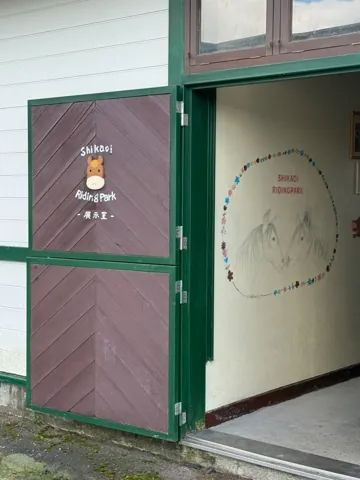
- Location: 瓜幕西3丁目1, in the Urimaku district on National Route 274, inside the Shikaoi Riding Park (鹿追町ライディングパーク), about 20 minutes by car from Lake Shikaribetsu5755. MAPCODE 702 018 07455.
- Hours: 9:00–17:00 from late April to early November and 9:00–16:00 from mid-November to mid-April. Closed 26 December–4 January55.
- For winter 2025–26 the shop kept 9:00–16:00 from 4 November to 17 April and closed 27 December–4 January35.
- The station closed on several single days in 2025, so check its notices55.
- Horse riding: 9:30–16:30 (April–October), 10:30–15:00 (November–March); no rides 30 December–6 January. Some rides need a booking, so phone the Riding Park (0156-67-2345) first5557.
- As of September 2026 — check before visiting.
- Shops & products: Shikaoi specialty foods, horse-themed goods, crafts made by local people and handmade leather goods found nowhere else5558. Shikaoi Caviar is also sold here12.
- Food: Light meals since April 2010. The favorites are soba and udon made with Shikaoi buckwheat flour and dashi broth55. Takeout nikujaga-man (¥270) and milk soft-serve (¥350)35.
- Facilities:
- Parking for 81 cars and 3 large vehicles
- Toilets with warm-water bidet seats, an accessible toilet and an ostomate facility
- EV charger, Wi-Fi, information desk and diaper-changing table
- A park and a multipurpose plaza with covered benches55
- Riding Park: beginner rides on real horses, and a life-size riding simulator, one of only a few in Japan (¥200 for 90 seconds)
- A 36-hole park-golf course about 1,500 m long, with holes up to 134 m and kids' clubs for rent55
- Notes:
- It bills itself as Hokkaido's only roadside station with horse riding13.
- Registered 10 August 2005 (registration no. 92) on the Hokkaido roadside-station site; the town yearbook says it was designated in October 2005 as Hokkaido's 91st and Tokachi's 11th station. The farm shop opened in April 2006 in the Riding Park office building558.
- The Riding Park opened in 1990 and hosts the endurance riding events844. The station site still mentions ban'ei horse races, but the town yearbook says the 2022 competition was the last558.
- Stamp: 9:00–17:00; not available on closing days55.
Getting there & around
- By car from Sapporo: Take the Dōō and Dōtō expressways to Tokachi-Shimizu IC (十勝清水IC), then National Route 274; central Shikaoi is about 25 minutes from Shimizu59. The Kotan organizers put Sapporo to Lake Shikaribetsu at about 4.5 hours (230 km) using toll roads23.
- By car from Asahikawa: National Route 38 to Shintoku, then Hokkaido Route 75 (道道75号帯広新得線), about 20 minutes to the town center59.
- From Obihiro: The Kotan organizers give about 1 hour 30 minutes (about 60 km) from Obihiro Station to Lake Shikaribetsu, and tell drivers to head for Shikaoi and follow Hokkaido Route 8523.
- By rail: There has been no railway in town since 19688. The nearest station is JR Shintoku (新得駅), about 2 hours from Sapporo and 1 hour 20 minutes from Chitose by JR, then about 20 minutes by Takushoku bus, rental car or taxi59.
- By air and bus: From Tokachi-Obihiro Airport, take the bus to Obihiro Station (about 50 minutes). From there, the Hokkaido Takushoku Bus (北海道拓殖バス) Shintoku–Shikaoi–Lake Shikaribetsu line (新得・鹿追・然別湖線) takes about an hour to the town center59. Buses use the Shikaoi Bus Station in front of the JA building (0156-66-2224). The local taxi company is Shikaoi Hire (鹿追ハイヤー, 0156-66-2525)60.
- Roads to the lake: Hokkaido Route 85 (道道85号鹿追糠平線) climbs over the Shirakaba Pass (白樺峠) to the lake, then continues over the Horoshika Pass (幌鹿峠) to Nukabira in Kamishihoro1. The Nukabira–Shikaribetsu section is closed in winter23.
- Getting around: Buses are few and distances long, so a car is the practical way to reach the lake, the gorge and the farm restaurants.
Practical tips
- Best seasons:
- Closures in 2026–27:
- Tourist information: Shikaoi Tourism Information Desk at Michi-no-Eki Shikaoi (0156-66-1135), or the town's commerce and tourism section (0156-66-4034)56.
- Fuel and medical: Hokuren Shikaoi SS (西町4丁目6) is open 8:00–19:00 in March–October, 8:30–18:30 in November–February and 9:00–18:00 on Sundays; the Urimaku and Higashi-Urimaku stations close on weekends. Shikaoi Town National Health Insurance Hospital (鹿追町国保病院) is at 東町1丁目38 (0156-66-2031)60.
- Fishing rules: Lake Shikaribetsu is normally closed to fishing. You may fish only during the Great Fishing seasons and the early-March winter angling, and you may not take the char home3044.
- Nature rules: The geopark posts requests on protecting Hokkaidōite and on watching or photographing pikas; read them before visiting15. Drones may not be flown over the Kotan site and its surroundings without permission43.
- Mountain roads and cold: Winter lows below −20 °C occur7. After the 2016 typhoons the Horoshika Pass road was closed for almost three years, so check road status before driving the passes8.
- Wildlife: The lake, gorge and mountain trails lie inside Daisetsuzan National Park, which is home to brown bears and sika deer16. Carry a bear bell, and watch for deer on roads at dusk.
Photos
-
 Aug 2026
 -
 Aug 2026
 -
 Aug 2026
More about Shikaoi
At a glance
| Field | Details |
|---|---|
| Type | Town (町) |
| Subprefecture | Tokachi (十勝総合振興局) |
| District | Kato District (河東郡)1 |
| Population | 5,266 in 2,255 households (2020 National Census)2. The 2025 Census preliminary count is 4,861, down 7.7%3. The resident-register network showed 4,787 people, including 123 foreign residents, on 31 August 2026 (Hokkaido reference value)4. The official resident register for 1 January 2026 counted 4,828 people in 2,455 households5. |
| Area | 402.88 km² (GSI, as of 1 April 2026). Lake Shikaribetsu (3.59 km²) is not included: its water boundary with Kamishihoro is undetermined, so GSI lists the lake separately6. The town's own figure is 404.70 km²7. |
| Density | About 11.9 people/km² (August 2026); 13.1/km² at the 2020 Census (calculated from the figures above). |
| Municipal history | Part of Otofuke Village (音更村), which was set up under Hokkaido's second-class village system in 19061. Shikaoi split off as Shikaoi Village (鹿追村) in April 1921 and became a town in September 19598. It has never merged with a neighbor. |
| Neighboring municipalities | Otofuke, Shihoro and Kamishihoro (Kato District); Shintoku and Shimizu (Kamikawa District, Tokachi); Memuro (Kasai District)1 |
| Symbols | Tree: Japanese maple (モミジ). Flower: rhododendron (シャクナゲ). Bird: common cuckoo (カッコウ), whose call told pioneer farmers it was time to sow. The emblem (10 July 1949) shows potato flowers around the first character of the name; the flag (24 August 1970) shows deer antlers and a sun9. |
| Mascot | No official town mascot (yuru-chara) was found on the town or tourism association websites (unverified). |
| Official website | https://www.town.shikaoi.lg.jp/ |
Name origin
The town's name comes from the Ainu Kutek-ushi (クテクウシ). The town quotes Inoue Hisashi's Tokachi Ainu-go Chimei-kai (十勝アイヌ語地名解): ku means a bow, here an amappo (アマッポ) set-bow trap. A kutek was a fence built to steer deer into these traps, and kutek-ushi means "place where there are deer-trapping fences." Japanese settlers translated the idea as 鹿追, literally "chasing deer"7.
Several other local names are Ainu, as recorded by the tourism association16:
- Shikaribetsu (然別). Three readings are cited. The place-name scholar Yamada gives "the river that turns itself around." Chiri gives shiri-kari-pet, "a river whose water eddies." Nagata gives shikari-pet, "a river without an end," but its meaning is unclear. The Shikaribetsu River does bend through the west of town in almost a half circle.
- Urimaku (瓜幕). The association explains the name of the Urimaku River (ウリマク川) as "that hill," "the river at the back" or "the river on the far side."
- Tōmabetsu River (トウマベツ川). To-oma-pet, "the river that goes into the lake." Ainu thought of rivers as climbing from mouth to source, so this is the river that climbs up into Lake Shikaribetsu.
- Nupukaushi Nupuri (ヌプカウシヌプリ). "The mountain that sticks up from the plain." Settlers called it Bōzu-yama ("bald mountain") after land-clearing fires burned off its trees. The name Meoto-yama (夫婦山, "husband-and-wife mountain") came later, from a line in Tokachi Ondo, a song written by Hayashi Toyoshū, first president of the Tokachi Mainichi Shimbun.
History
- Ainu era. The deer-trap fences in the town's name show that Ainu hunted here. According to the tourism association, the last Ainu residents of Shikaoi lived along the Osoushu River (オソウシュ川), in what is now the Kita-Urimaku / Shizen Land area, until 196616.
- 1858–1879. Matsuura Takeshirō (松浦武四郎) crossed inland Tokachi into the Otofuke area in 1858. The American geologist Benjamin Smith Lyman surveyed the Otofuke River in 1874. In 1879 Ōkawa Uhachirō (大川宇八郎) settled at Otofuke and began trading with the Ainu1.
- 1902. Yamada Matsujirō (山田松次郎) came from Tokyo and settled near today's Shimo-shigai (下市街). The town counts this as its beginning8.
- 1913 onward. A post relay station (駅逓) opened, and group settlers came from many parts of Honshu. Post office, police box and restaurants followed8. One group came from Iwate Prefecture in 1925; its farming co-op, Nishikami Keiei Kumiai (西上経営組合), still works the high plateau fields17. The 1920 Census counted 4,526 people in 822 households8.
- April 1921. Shikaoi Village split from Otofuke Village8.
- 1923–1931. The Kasai Railway (河西鉄道) began carrying sugar beet between Shikaoi and Shimizu in 1923. The Hokkaido Takushoku Railway (北海道拓殖鉄道) was built from Kamishihoro to Shintoku (54.3 km) in 1928–1931, and in 1930 the village office moved to Higashimachi, pulling the town center away from Shimo-shigai8. By the 1930 Census the population had jumped 51% to 7,0592. Cars later replaced both railways; the last train ran on 31 July 19688.
- Postwar. Groups of wartime evacuees settled here, and a Ground Self-Defense Force camp was brought to town8. The seven-year-old Kanda Nissho came with his family from Tokyo in August 194511.
- 1959–1971. Shikaoi became a town in September 1959. The population peaked at 10,778 in 1961. Cold-summer crop failures then drove many farmers out, and from 1965 the town promoted dairy farming, which copes better with cold. In 1971 the town ranch won first prize in a national grassland contest8.
- 1972. The first White Snake Princess Festival was held1.
- 1985–1993. A sister-city agreement with Stony Plain, Canada, was signed in 1985. The "nature-experience study-abroad" program for city children began in 1988. The Riding Park opened in 1990. In 1993 the main roads through town became National Route 274, and the Kanda Nissho memorial museum opened in June8.
- 2003–2005. The first Shikaoi Flower Festa was held in 2003. The town won Japan's top flower-town prize in 2004 and "five blooms," the top rank, in the international Communities in Bloom contest in 2005. The two roadside stations were designated in 2003 and 20058.
- 2007–2016. The biogas-based Shikaoi Environmental Conservation Center opened in September 2007. Tokachi Shikaoi Geopark was certified on 16 December 2013 as Japan's 33rd geopark8. Sturgeon farming using surplus plant heat began in 201412. A second biogas plant opened at Urimaku in 20168.
- 2016–2019. Typhoons in 2016 cut Miyabe char numbers and closed the Horoshika Pass (幌鹿峠) road. It reopened in April 2019 after two years and eight months8.
- 2018. In May, Shikaoi became one of 12 Kamikawa and Tokachi municipalities in the Japan Heritage story "Kamikawa Ainu Living with Kamuy." In the September Iburi-Tōbu earthquake the town recorded seismic intensity 4 and lost power in the Hokkaido-wide blackout8.
- 2019. NHK's 100th morning drama, Natsuzora, featured a character modeled on Kanda Nissho. That fiscal year 40,416 people visited his museum, up from 8,1158.
- 2021–2023. Shikaoi declared a zero-carbon goal in March 2021, opened a renewable "private power line" network linking public buildings in April, and held its postponed centenary in September. It was chosen as a Decarbonization Leading Area in April 2022 and opened the Shikaoi Hydrogen Farm in May 2022. The 60th Shikaoi ban'ei horse competition in 2022 was the last. In 2023 a new mineral found in the town was named Hokkaidōite (北海道石)8.
- 2024–2026. The Shikaoi-set film Oshaberi na Shashinkan (おしゃべりな写真館) opened in February 2024. Kamihoronai Elementary School closed in 2025 after 109 years8. "Shikaoi Caviar" went on sale in 202512. From 2025 a council has discussed a geothermal survey in the north of the town18. The Kanda Nissho museum closed for renovation on 1 April 202619. On 23–25 June 2026 the town hosted the 21st national training meeting of the Japanese Geoparks Network (日本ジオパークネットワーク全国研修会)20.
Geography & climate
Shikaoi lies at the northwest corner of the Tokachi Plain, between the Daisetsuzan range and the Hidaka Mountains. It is long and narrow, 17.7 km east to west and 39.8 km north to south7.
- Landforms. The north is high ground that slopes gently south in a wide fan and flattens toward the south. Part of the north is a Ground Self-Defense Force training area7. The town center stands at about 200 m, Urimaku at 300 m, and farmland in Nishi-Kamihoronai reaches 500 m16. Forest covers 20,902 ha (51% of the town), 17,976 ha of it national forest21.
- Mountains. Mt. Upepesanke (ウペペサンケ山, 1,848 m) is the highest1. Others include Mt. Pishikachinai and the eastern and western peaks of Nupukaushinupuri7. Around the lake rise Mt. Hakuun (白雲山) and Mt. Tenbō (天望山), part of the Shikaribetsu volcanic group16.
- Rivers. The Shikaribetsu River (然別川) flows out of the lake and runs south through the town to the Tokachi River, joined by the Tōmabetsu, the Osoushu and other tributaries16. Ezo cherry trees line 18 km of its embankment, which the town calls the longest cherry row in Hokkaido22.
- Lake Shikaribetsu. The lake is 13.8 km around, up to 99 m deep and 3.4 km² in area according to the tourism association (GSI gives 3.59 km²)166. Its elevation is given as 804 m by the town and the Kotan organizers, 810 m by the tourism association, and "about 800 m" in the town yearbook2223168. It formed 10,000–40,000 years ago when volcanic activity dammed a river, and its water is clear to 19.5 m24. The lake is shared with Kamishihoro16.
- Smaller lakes. Lake Shinonome (東雲湖) is a pond about 1 km around, said to be an old crater and counted among Hokkaido's "three hidden lakes"25. It has no inflow or outflow, and salamanders are its only animal life16. Lake Komadome (駒止湖) sits by the road down to the lake16.
- Parks. The north of the town lies in Daisetsuzan National Park7. The whole town is Tokachi Shikaoi Geopark, themed "the story of life nurtured by volcanoes and shibare." It has 17 geosites2615. Around the lake is a field of wind holes (風穴), which the geopark calls one of the largest in Japan. Cold air seeps between the rocks, and the Ezo pika (エゾナキウサギ) lives there27.
Climate. Most of the town has an inland climate7. The JMA station in Shikaoi recorded these normals for 1991–202028:
- Annual mean temperature: 6.6 °C.
- January: mean −6.7 °C, average daily low −11.9 °C.
- August: mean 19.6 °C, average daily high 24.3 °C.
- Annual precipitation: 952.8 mm.
The record high is 37.4 °C (24 July 2025) and the record low −26.3 °C (24 January 1985)29. The station does not measure snow. The tourism association says snow cover has averaged about 60 cm through recent winters, and more than 60 cm once fell in a single night in 197016.
Economy & industry
- Farming. Agriculture rests on dairy and field crops, with some mixed farms. The staples are milk, sugar beet, potatoes, beans, wheat and feed crops; cabbage and asparagus have been added, and beef cattle help keep the soil fertile8.
- Output. Farm output reached ¥27.06 billion in fiscal 2024, up from ¥24.19 billion in fiscal 201921. In fiscal 2021 milk sales alone were ¥13.12 billion and beef-cattle sales ¥4.38 billion, while field crops earned ¥7.01 billion22.
- Land use. Of 11,492 ha of cropland in fiscal 2024 (including 407 ha left unplanted), feed crops took 6,346 ha (3,857 ha of pasture grass and 2,489 ha of silage corn)21. The rest included:
- wheat, 1,711 ha
- beans, 1,076 ha (642 ha azuki, 396 ha soybeans)
- potatoes, 946 ha
- sugar beet, 847 ha
- buckwheat, 72 ha, and cabbage, 68 ha
- Dairy. The 2020 Census of Agriculture counted 20,760 dairy cattle on 92 farms (225.7 head per farm), against 12,010 head on 227 farms in 1983. Farm households fell from 441 to 221 over the same period21.
- Biogas and hydrogen.
- The Shikaoi Environmental Conservation Center (2007) can treat the daily manure of 1,870 dairy cows. The Urimaku plant (2016) handles the manure of 3,000 cows a day, one of the largest capacities in Japan8.
- In fiscal 2024 the center took in about 102,000 t of manure and sold 6.59 million kWh of electricity for about ¥276 million21.
- The Shikaoi Hydrogen Farm (しかおい水素ファーム, 2022) makes hydrogen from manure gas; 19 fuel-cell vehicles were introduced for the town and local firms. The project won the 2023 EST Transport and Environment Award8.
- Sturgeon and caviar. Sturgeon have been raised with surplus plant heat since 2014. From about 2018 the males' meat was sold in and outside the town and served in school lunches, and caviar followed in 202512.
- Other employers. JGSDF Camp Shikaoi (陸上自衛隊鹿追駐屯地) hosts the 5th Tank Unit, reorganized in March 20238. In the 2020 Census, 975 of 2,844 working residents (34%) worked in primary industries21. Kajima Corporation and Chubu Electric Power are surveying geothermal resources in the north of the town with JOGMEC support; the town says it is taking a "careful and neutral" position18.
- Tourism. The town counted 683,000 visitors in fiscal 2024, of whom 82,600 came from outside Hokkaido and 23,800 stayed overnight. Since fiscal 2010, the peak was 813,600 in fiscal 2015 and the low 590,300 in fiscal 2021. August is the busiest month (111,700 in 2024)30.
- Population. The 2020 Census recorded a 5.0% drop, the largest in 30 years, and 30.9% of residents were 65 or older2. In 2024 the town had 24 births against 62 deaths, and 268 people moved out while 173 moved in2. The 2025 preliminary count shows a further 7.7% fall3.
- Revitalization. City children come to live and study through the nature-experience study-abroad program, which began in 1988. Shikaoi High School has recruited nationwide since April 2023, and in January 2025 the board of education partnered with Tsuru University on International Baccalaureate education8.
Local specialties
| Specialty | Category | Details & where to get it |
|---|---|---|
| Shikaoi soba (鹿追そば) | Noodles | Buckwheat from the cool uplands, which the tourism association credits for the flavor16. Tokachi Shikaoi Soba "Shikamen" (十勝しかおいそば/そば処しかめん, 西町3-9) serves nihachi soba with a huge burdock tempura, Sat/Sun/holidays 11:00–15:00 until sold out3132. Soba Katō (そば かとう) makes hand-made soto-nihachi soba from the rare local Botan (牡丹) variety32. Dried "Shikaoi-jin" (しかおい人) soba is sold at Michi-no-Eki Shikaoi33. |
| Shikaoi Caviar (鹿追キャビア) | Seafood | From sturgeon raised on biogas surplus heat. 10 g ¥8,000 and 20 g ¥14,000 (tax included), gift-boxed. Sold at A-Coop Shikaoi and both roadside stations, and as a furusato nōzei gift on Furusato Choice, Furunavi and Rakuten12. |
| Milk soft-serve (ソフトクリーム) | Dairy | At Michi-no-Eki Shikaoi, Country Home Fūkei's "premium" soft-serve made from 100% fresh raw milk34; ¥350 at Michi-no-Eki Urimaku35. |
| Nikujaga-man (肉じゃがまん) | Snack | A steamed bun stuffed with nikujaga (meat-and-potato stew). ¥270 at Urimaku, also sold at Shikaoi3534. |
| Shikaoi Cheese Kōbō (鹿追チーズ工房) | Cheese | Mozzarella, cheddar and 4-month-aged gouda made with Daisetsuzan spring water. Shop at 瓜幕南2-26-23617. |
| Country Home Fūkei (カントリーホーム風景) | Farm dairy | Dairy-farm restaurant at 東瓜幕西18線28-26 using low-temperature-pasteurized milk: soft-serve, pudding, hams and sausages, burgers. 11:00–17:00; closed Mondays and second Tuesdays; dog run37. |
| Stewed Genghis Khan (煮込みジンギスカン) | Local dish | Lamb and onions simmered in an iron wok at Ōsakaya (大阪屋), invented by its Osaka-born founder; the tourism association says it is the only restaurant in Tokachi with this as its signature. Family Restaurant Hayakawa serves venison Genghis Khan ("Shika-jin")32. |
| Beef, pork and sausages | Meat | "Tokachi Shikaoi beef" (十勝しかおい牛) from A-Coop is listed on Furusato Choice. Also free-range "Tokachi Hōboku Kurobuta" black pork from Yukiakari (雪あかり) and additive-light sausages from Shikaoi Sausage Factory17. |
| Mountain trout | Freshwater fish | Shikaoi Yamabe-en (鹿追やまべ園) raises yamabe, trout salmon and Dolly Varden in Daisetsuzan spring water, with a fishing pond and meal sets32. |
| Vegetables & beans | Crops | Cheap Shikaoi azuki beans, and Nishikami Farm's thick-cut dried daikon "Daikon wa Erai" (大根はえらい), at Michi-no-Eki Shikaoi33. Wild and cultivated gyōja ninniku (alpine leek) sell out there in spring38. |
| Summer–autumn strawberries | Fruit | Mine Farm (マインファーム) grows "Akai Yōsei" and "Suzuakane," shipped late May–late November and also sold at Michi-no-Eki Shikaoi. Bell Veggy grows strawberries without relying on agrochemicals17. |
| Naki-usagi cookies & sweet-potato daifuku | Sweets | Pika-shaped cookies (plain, strawberry, chocolate) made with Tokachi butter and Shikaoi eggs, potatoes and black beans, created to mark the geopark certification. Baked sweet-potato daifuku from local sweet potatoes is sold only at Michi-no-Eki Shikaoi33. |
| Shikaoi-yaki (鹿追焼) and woodcraft | Crafts | Pottery made from Biman (美蔓) clay; the pottery workshop offers one-day classes by reservation. Carvings of local wildlife and birds3339. |
| "Shikaoi No. 1" (鹿追1号) | Garden fertilizer | Liquid fertilizer from the biogas plant's digestate, sold at Michi-no-Eki Shikaoi40. |
| Furusato nōzei (ふるさと納税) | Gifts | Accepted via Rakuten, Furusato Choice, Satofull, Furunavi, Furusato Premium, ANA, JAL and Mitsukoshi Isetan. The town warns of fake sites copying its gift photos41. |
Culture & festivals
| Event | When | Highlights |
|---|---|---|
| Shikaribetsu Kotan (しかりべつ湖コタン) | Late January–mid-March (2027: 28 January–14 March) | An igloo village on the frozen lake, built from more than 10,000 hand-made blocks of snow mixed with lake water, with interiors of clear lake ice23. Ice bar, open-air bath and footbath on the ice, an ice lodge for overnight stays and a geopark "Geo Igloo." Open 9:00–20:00 until 28 February and 9:00–18:00 in March. Season pass ¥600 for primary-school age and up; free for residents4243. The 2026 season drew more than 26,000 visitors43. |
| Great Fishing in Lake Shikaribetsu (グレートフィッシング in 然別湖) | Late May–late June; mid-September–early October | The normally closed lake opens for about 50 days a year to 50 anglers a day. It has run since 2005, and the char may not be taken home2430. |
| Shikaoi Hana Festa (しかおい花フェスタ) | 20 June–5 July 2026 | Open private gardens and animal topiaries around town; maps at both roadside stations4430. |
| Hokkaido Endurance Riding, spring | 27–28 June 2026 | 80, 60, 40 and 20 km races from the Riding Park44. |
| White Snake Princess Festival (白蛇姫まつり) | First Saturday of July | On the lakeshore: the Hakujahime-mai dance with a 13 m parent snake and an 8 m child snake, praying for a good harvest; Ainu kamuy-nomi prayer, traditional dance and mukkuri (mouth harp)1444. |
| Shikaoi Dairy Festival (鹿追町デーリィフェスティバル) | 11 July 2026 | Livestock show and dairy and meat fair44. |
| Shikaoi fireworks (鹿追町民花火大会) | 25 July 2026 | Watched lying on the grass of the Shikaribetsu riverbed. The town says about 2,000 shells; the tourism association says more than 4,0004414. |
| Furusato Shikaoi Bon Odori (ふるさとしかおい盆踊り) | 11 August 2026 | Group and solo costume and yukata contests in Shikaoi Central Park44. The town yearbook lists the same contest as the "Shikaoi 7,000-person Dance" (しかおい7,000人踊り)30. |
| Bakōki (馬耕忌) | Around 25 August | Memorial gathering for Kanda Nissho on his death anniversary; the 34th was held on 23 August 202645. |
| Shikaoi Autumn Festival (しかおい秋まつり) | Mid-September | Annual festival of Shikaoi Shrine (鹿追神社), with stalls44. |
| Furusato Industry Festival (鹿追町ふるさと産業まつり) | 27 September 2026 | Harvest fair at Michi-no-Eki Shikaoi with cheap produce, a character show and a prize draw44. |
| All-Japan Endurance Riding Championship (全日本エンデュランス馬術大会) | Autumn (2025: 4–5 October) | 100, 80, 60 and 40 km courses on the riding trail44. |
| Winter angling (然別湖冬期遊漁) | Early March | A winter-only angling season on the lake ice44. |
Traditions and venues.
- Hakujahime-mai. The White Snake Princess dance preservation society received a Hokkaido regional culture award in March 2021 and marked its 50th anniversary in February 20238.
- Asakusa link. Local mikoshi (portable-shrine) groups have long joined Asakusa's Sanja Matsuri in Tokyo. This led to the partnership with Taitō Ward, where Hakujahime-mai has also been performed46.
- Local History Room (郷土資料室). On the 2nd floor of the town library (東町1-38). Pioneer-era household goods; free; 10:00–17:00; closed Mondays47.
- Horse painting contest. The Kanda Nissho museum runs a national horse-painting exhibition for schoolchildren8; the 32nd, in 2026, drew 315 entries45.
- On screen. The town appears in the films Onna wa Basutei de Fuku o Kigaeta and Oshaberi na Shashinkan, and in Massan, Eien no Nishpa and Kyrie no Uta1. Two Oshaberi na Shashinkan actors, Nakahara Takeo and Kaku Chikako, became "Shikaoi ambassadors" in January 202548.
- Idolmaster manhole. On 23 August 2026 a manhole cover featuring the Idolmaster character Kuramoto China (倉本千奈) was unveiled at Michi-no-Eki Shikaoi. Its design shows Lake Shikaribetsu's "lakebed rails" (湖底線路), the pika and the Miyabe char. Free manhole cards are handed out at the tourist information desk49.
Ainu heritage
Ainu history in Shikaoi survives mainly in place names; the town has no Ainu cultural facility.
- Place names. The town's own name refers to Ainu deer-trapping fences, and names such as Shikaribetsu, Urimaku, Tōmabetsu and Nupukaushi Nupuri all come from Ainu (see Name origin)716. Lake Komadome was once called Otchishitō (オッチシトー), translated as "a pond that sounds like a woman sobbing"16.
- Last residents. The tourism association records that the last Ainu in the town lived along the Osoushu River until 1966. The river's name is said to mean "a river with a waterfall at its mouth," and Tōmon Falls (洞門の滝) is in the Shizen Land area there16.
- Japan Heritage. Since 2018 Shikaoi has been part of the Japan Heritage story "Kamikawa Ainu Living with Kamuy: the world of the gods handed down in the heart of Daisetsuzan," which covers Ainu life and the Daisetsuzan landscapes, including Lake Shikaribetsu8.
- White Snake Princess Festival. Each July the festival includes a kamuy-nomi prayer, traditional Ainu dance and mukkuri music1444. The tourism association presents the White Snake Princess as an Ainu legend of the lake's guardian goddess, while the town yearbook calls it a story "created as an Ainu legend" (アイヌ民族の伝説として創作された物語)1430.
Sister & friendship cities
- Stony Plain, Alberta, Canada. Sister town since 26 August 198561.
- Stony Plain is an agricultural town of about 17,000 people, about 17 km west of Edmonton.
- The link grew from Shikaoi's "Northern Zone" delegations in 1982 and 1984. A visiting Stony Plain ice hockey team stopped in Shikaoi, and its mayor then proposed the pairing.
- Since fiscal 1996 every first-year student at Shikaoi High School has made a study trip to Stony Plain.
- The exchange won the top Minister for Internal Affairs and Communications prize for sister-city exchange in 201061.
- The English Wikipedia gives 1984 as the start of the relationship, while the town gives 19856261.
- Taitō Ward, Tokyo. A partner rather than a sister city.
- The link grew out of mikoshi groups joining the Sanja Matsuri. Shikaoi first sold farm products on Asakusa's Nakamise street in fiscal 2006, and since fiscal 2017 has run stalls at the "Furusato Kōryū Shop Taitō" in the Senzoku-dōri shopping street46.
- A four-year industry and environment cooperation agreement was signed on 1 April 2017 and renewed on 31 March 2021 for another four years, to 31 March 2025. A disaster mutual-aid agreement was also signed on that date46.
- Since April 2022, Taitō residents get discounts at the Kanda Nissho museum and on Riding Park rides46.
- Former sister town. Shikamachi (鹿町町), Nagasaki Prefecture, paired with Shikaoi in October 1997. The link ended in March 2010, when Shikamachi merged into Sasebo City8. Japanese Wikipedia gives 1998 as the start1.
Notable people
- Kanda Nissho (神田日勝, 1937–1970). Painter. Born on 8 December 1937 in Nerima, Tokyo, he came to Shikaoi as a wartime evacuee in 1945 and farmed while teaching himself oil painting. He died on 25 August 1970 at 32, leaving Horse unfinished, and inspired the character Yamada Tenyō in NHK's Natsuzora (2019)11.
- Kaneshita Tatsuo (鐘下辰男). Playwright and stage director, born in Shikaoi1.
- Nishimoto Kazuhito (西本和人). Former professional baseball player from Shikaoi1.
Sources
Numbers in the text link to these sources. Figures as of 23 September 2026
- 鹿追町 — Wikipedia JA accessed 2026-09-23
- 我が町の姿 2025年度版 第3章 人口・世帯 — 鹿追町 JA accessed 2026-09-23
- 令和7年国勢調査速報 北海道の人口・世帯数 — 北海道総合政策部計画局統計課 JA accessed 2026-09-23
- 住基ネットにおける人口【参考値】(令和8年8月31日現在) — 北海道総合政策部地域行政局市町村課 JA accessed 2026-09-23
- 令和8年住民基本台帳人口・世帯数(令和8年1月1日現在) — 北海道 JA accessed 2026-09-23
- 令和8年全国都道府県市区町村別面積調(4月1日時点) — 国土地理院 JA accessed 2026-09-23
- 位置と面積、町名の由来、地勢と気象 — 鹿追町 JA accessed 2026-09-23
- 我が町の姿 2025年度版 第1章 鹿追町の概要 — 鹿追町 JA accessed 2026-09-23
- 町徽章、鹿追町旗、町の象徴 — 鹿追町 JA accessed 2026-09-23
- 神田日勝記念美術館 — 鹿追町観光協会 JA accessed 2026-09-23
- 神田日勝 — Wikipedia JA accessed 2026-09-23
- 鹿追キャビア販売について — 鹿追町 JA accessed 2026-09-23
- 道の駅 — 鹿追町観光協会 JA accessed 2026-09-23
- イベント — 鹿追町観光協会 JA accessed 2026-09-23
- とかち鹿追ジオパーク【公式】 — とかち鹿追ジオパーク推進協議会 JA accessed 2026-09-23
- 鹿追町の概要 — 鹿追町観光協会 JA accessed 2026-09-23
- お買い物 — 鹿追町観光協会 JA accessed 2026-09-23
- 地熱発電の資源量調査事業について — 鹿追町 JA accessed 2026-09-23
- 【重要なお知らせ】施設改修に伴う長期休館について — 神田日勝記念美術館 JA accessed 2026-09-23
- 第21回日本ジオパークネットワーク全国研修会を鹿追で開催します — とかち鹿追ジオパーク推進協議会 JA accessed 2026-09-23
- 我が町の姿 2025年度版 第5章 農林業 — 鹿追町 JA accessed 2026-09-23
- 鹿追町のデータ — 鹿追町 JA accessed 2026-09-23
- しかりべつ湖コタンについて — しかりべつ湖コタン JA accessed 2026-09-23
- 大雪山国立公園「然別湖」 — 鹿追町観光協会 JA accessed 2026-09-23
- おすすめビュースポット — 鹿追町観光協会 JA accessed 2026-09-23
- とかち鹿追ジオパーク — 鹿追町 JA accessed 2026-09-23
- 見どころ — とかち鹿追ジオパーク推進協議会 JA accessed 2026-09-23
- 鹿追 平年値(年・月ごとの値) — 気象庁 JA accessed 2026-09-23
- 鹿追 観測史上1~10位の値 — 気象庁 JA accessed 2026-09-23
- 我が町の姿 2025年度版 第12章 観光 — 鹿追町 JA accessed 2026-09-23
- 十勝しかおいそば — 鹿追町観光協会 JA accessed 2026-09-23
- 飲食店・洋菓子・居酒屋 — 鹿追町観光協会 JA accessed 2026-09-23
- 特産品販売 — 道の駅しかおい JA accessed 2026-09-23
- フードコーナー — 道の駅しかおい JA accessed 2026-09-23
- 道の駅うりまく 公式サイト — 道の駅うりまく JA accessed 2026-09-23
- 鹿追チーズ工房 — 鹿追町観光協会 JA accessed 2026-09-23
- カントリーホーム風景 — 鹿追町観光協会 JA accessed 2026-09-23
- 道の駅しかおい — 鹿追町観光協会 JA accessed 2026-09-23
- 道の駅しかおい — 北海道の道の駅 JA accessed 2026-09-23
- 道の駅しかおい公式サイト — 道の駅しかおい JA accessed 2026-09-23
- 寄附のお申し込み方法 — 鹿追町 JA accessed 2026-09-23
- しかりべつ湖コタン【公式】 — しかりべつ湖コタン実行委員会 JA accessed 2026-09-23
- 会場のご案内 — しかりべつ湖コタン JA accessed 2026-09-23
- 鹿追町の年間イベント情報 — 鹿追町 JA accessed 2026-09-23
- 神田日勝記念美術館 公式サイト — 神田日勝記念美術館 JA accessed 2026-09-23
- 東京都台東区 — 鹿追町 JA accessed 2026-09-23
- 郷土資料室 — 鹿追町 JA accessed 2026-09-23
- しかおい応援大使 — 鹿追町 JA accessed 2026-09-23
- アイドルマスターマンホールプロジェクト「ふたマス!!!!!!」 — 鹿追町 JA accessed 2026-09-23
- 天然温泉 — 鹿追町観光協会 JA accessed 2026-09-23
- 然別峡 かんの温泉 — 鹿追町観光協会 JA accessed 2026-09-23
- 福原記念美術館 — 鹿追町観光協会 JA accessed 2026-09-23
- アクティビティー — 鹿追町観光協会 JA accessed 2026-09-23
- 然別湖北岸野営場 — 鹿追町 JA accessed 2026-09-23
- 道の駅うりまく — 北海道の道の駅 JA accessed 2026-09-23
- 道の駅しかおい(施設概要) — 鹿追町 JA accessed 2026-09-23
- 道の駅うりまく(施設概要) — 鹿追町 JA accessed 2026-09-23
- 道の駅うりまく — 鹿追町観光協会 JA accessed 2026-09-23
- 鹿追の地図と交通アクセス — 鹿追町 JA accessed 2026-09-23
- 観光ビジター&タウン情報 — 鹿追町観光協会 JA accessed 2026-09-23
- カナダ・ストニィプレイン町 — 鹿追町 JA accessed 2026-09-23
- Shikaoi, Hokkaido — Wikipedia EN accessed 2026-09-23