Higashikagura 東神楽町
ひがしかぐらちょう
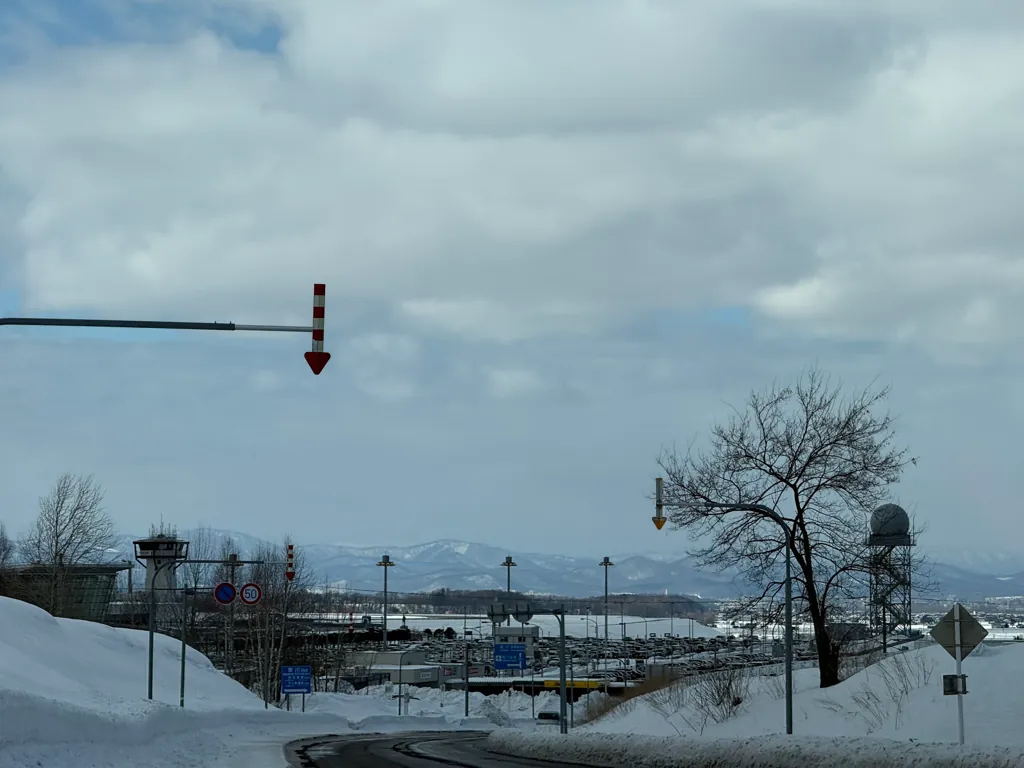
A farming town on the southeastern edge of Asahikawa. Asahikawa Airport is here, the town is one of Hokkaido's well-known rice districts, and a residents' "flower-filling movement" that began in the 1960s has made it known across Japan as a "flower town".
- Population (2020 Census)
- 10,127
- Area
- 68.5 km²
- District
- Kamikawa District (上川郡)
- Official website
- www.town.higashikagura.lg.jp
Known for
- "Flower town" (花のまち): The flower-filling movement (花いっぱい運動) began when the town was created in 1966. In 1969 the town office's staff association won the Prime Minister's Award in the national "Workplaces with Flowers" contest (花のある職場コンクール). In 2000 the town won the top prize, the Construction Minister's Award, at the 10th National Flower Town Contest (全国花のまちづくりコンクール)7.
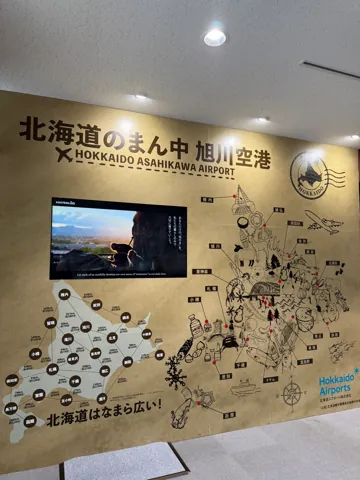
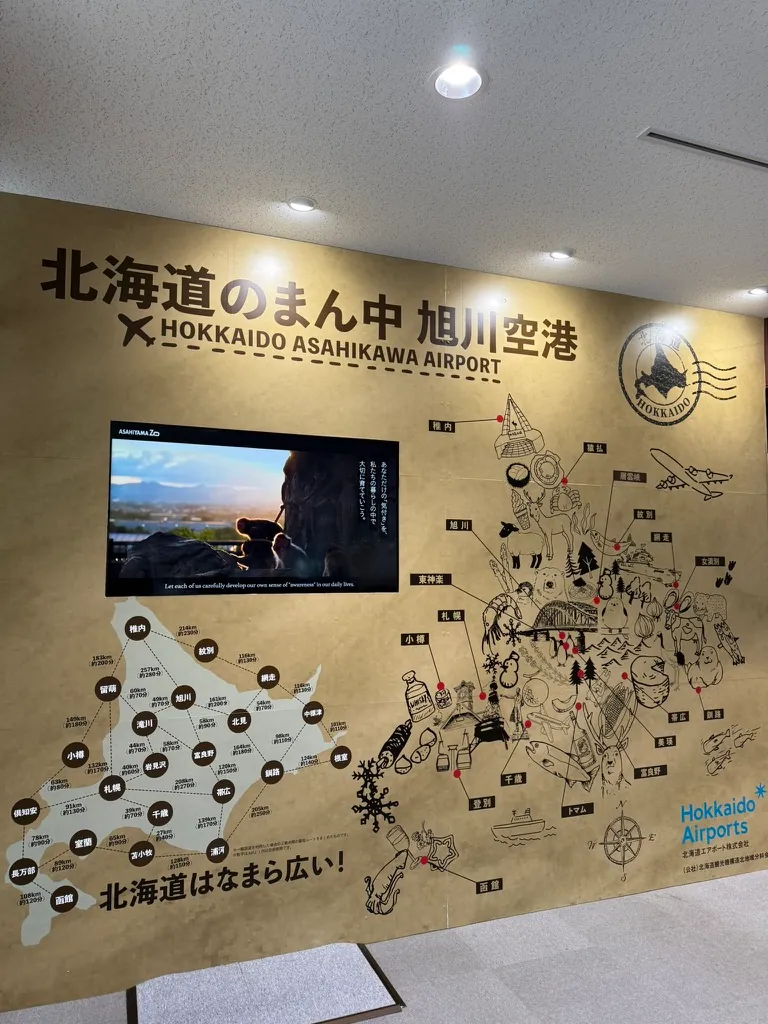
- Asahikawa Airport (旭川空港): Northern Hokkaido's main air gateway. It opened in 1966, the same year Higashikagura became a town, and it is about 4 km from the town hall59.
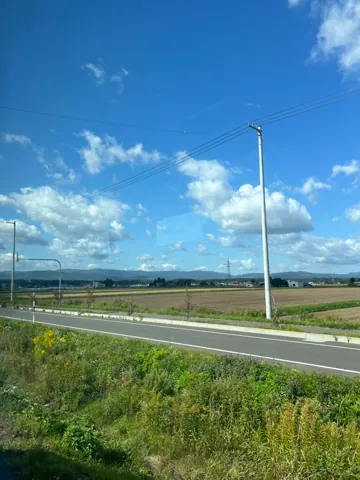
- Rice: Rice farming is the town's main agriculture. Paddy covered 1,290 ha in 2024 and produced 8,070 t1. JA Higashikagura sells Nanatsuboshi and Yumepirika rice under the town brand10.
- Asparagus, summer strawberries and leafy greens: The town's certified products include winter "Snow Asparagus" (雪アスパラ) and the summer strawberry "Natsu-mizuki" (夏瑞)10.
- Asahikawa furniture (旭川家具): The town's furniture workshops are part of the Asahikawa furniture industry11.
- Higashikagura Forest Park and Morinoyu Hanakagura: A 57 ha lakeside park with campgrounds, park golf and an onsen hotel that looks out on the Daisetsuzan range112.
- Rapid suburban growth: The Hijirino (ひじり野) housing development began in 1989. It gave Higashikagura the highest population growth rate in Hokkaido in both the 2005 and 2015 censuses1.
Sights & activities
Nature & scenery
- Higashikagura Forest Park (ひがしかぐら森林公園): At 25-gō 40-banchi, about 8 km east of the town centre. The 57 ha park surrounds an artificial lake and has about 200 Ezo mountain cherry trees and some 3,000 other trees121. Phone 0166-83-3727.
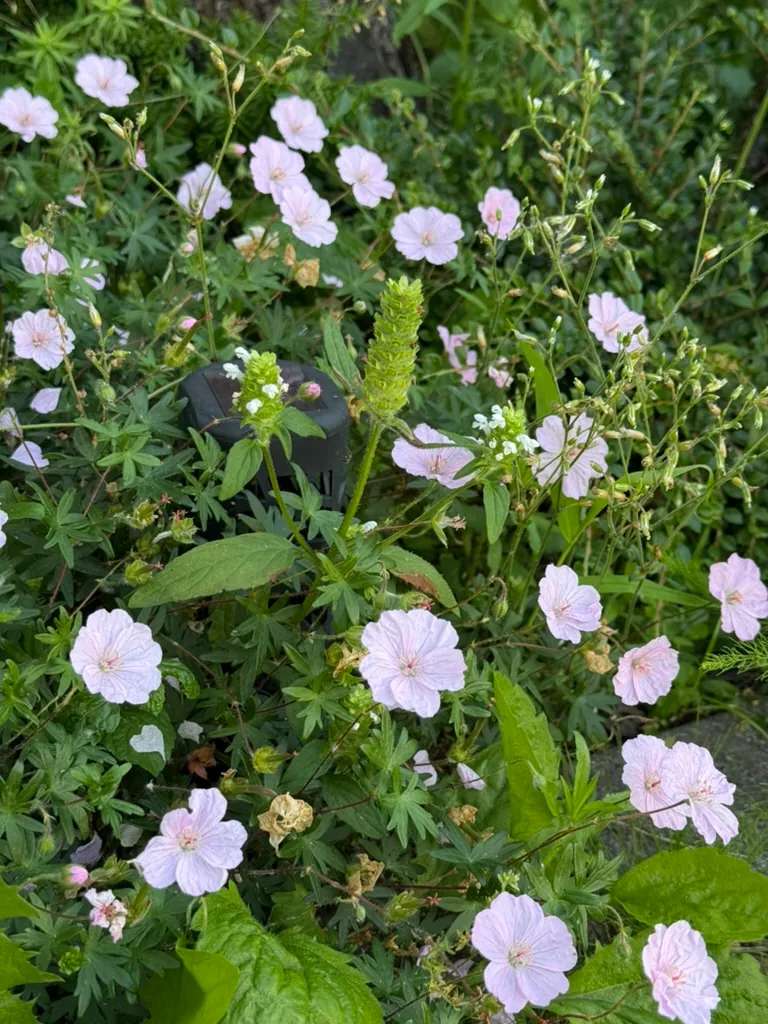
- Hananowa Garden (はなのわガーデン): At the civic complex (南1条西1丁目3-2). About 24,000 perennials of some 200 varieties change with the seasons. Entry and parking are free37.
- Hana no Eki (花の駅): The town nursery's flower-seedling shop at 南2条東2丁目, open early May to late June. It is a shop, not a roadside station34.
Onsen
- Morinoyu Hotel Hanakagura (森のゆ ホテル花神楽): Opened in 2000 in the Forest Park (25-gō), with 39 rooms after a 2006 extension12.
- Weakly alkaline, hypotonic, low-temperature spring water. The large open-air bath faces Asahidake3839.
- Day bathing is available. The hotel announced changes to day-bathing hours in August 2026, and the reopening of its carbonated bath has been postponed, so check before you go39.
- A barrier-free family bath has an electric wheelchair lift38.
Museums & heritage
- Local history exhibition room at Tsutsuji-kan1.
- The Hananowa building itself, designed by Sou Fujimoto35.
Outdoor & seasonal activities
- Camping: The Forest Park campground holds 700 people. Auto Camp Flore (オートキャンプ場フローレ) has 50 car sites of at least 120 m² each, with power and water. Seven cottages stand in a birch grove12.
- Park golf: Four facilities with 117 holes in all12:
- 4-gō riverside course: 18 holes
- 14-gō riverside course: 36 holes
- Forest Park course: 45 holes, officially certified
- "Three Dome" indoor course: 18 holes. It did not open in the 2025–26 winter season29.
- Golf: Daisetsuzan Country Club has 36 holes, with views of the Daisetsuzan range and Asahikawa12.
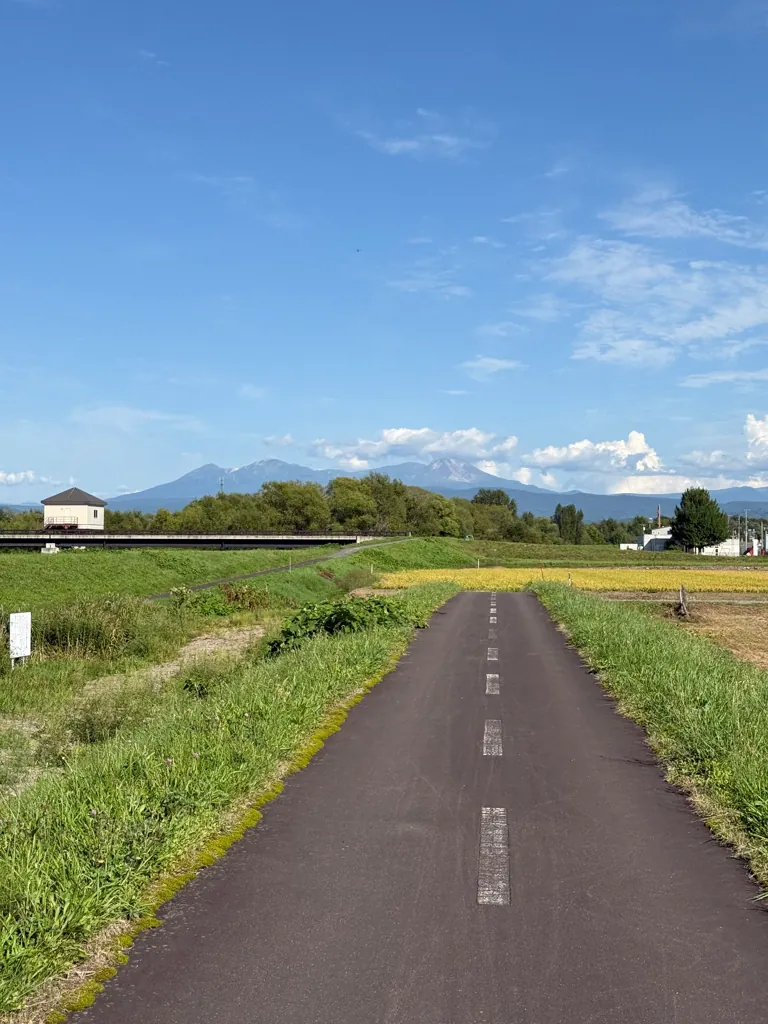
- Cycling: The Chūbetsu River Cycling Road runs 15.2 km from the Twin Harp Bridge area to the Forest Park, facing the Daisetsuzan range12.
Food experiences
- Farm stands (直売所): The town's 2026 map lists nine stands, some of them unstaffed22. Examples:
- Tomatoes at Rock Dream Factory and Shinmura Nōen
- Haskap and blueberry picking plus rice-flour bread at Pan Kōbō Poco a Poco (from late June)
- Corn, watermelon and cherries at Fujita Farm in Shibinai
- Restaurants: Tourism association members include a soba shop using local ingredients (蕎麦 蓬), an Asahikawa-ramen shop (旭川ラーメン東神楽店), and Yone-chan Shokudō, which serves Matsuo Jingisukan25.
Roadside stations (Michi-no-Eki)
No Michi-no-Eki is located in Higashikagura. The official Hokkaido roadside-station list registers no station in the town40. The town's furusato nozei plan has mentioned considering a "Sky Station" (空の駅) concept linked to the airport, but none has been registered41. Locally named "stations" such as Hana no Eki (a flower-seedling shop) are not Michi-no-Eki34.
The nearest Michi-no-Eki:
- Michi-no-Eki Asahikawa (道の駅あさひかわ): Kagura 4-jō 6-chōme, Asahikawa, on National Route 23742.
- Higashikawa "Michikusakan" (道の駅ひがしかわ「道草館」): In central Higashikawa, on the Asahikawa–Asahidake Onsen road. Higashikawa is about 5 km or 7 minutes by car from Higashikagura439.
- Biei "Oka no Kura" (道の駅びえい「丘のくら」): Central Biei44.
- Biei "Shirogane Birke" (道の駅びえい「白金ビルケ」): Shirogane, Biei45.
- Tōma (道の駅とうま): Tōma40.
Getting there & around
- Air: Asahikawa Airport is in the town, about 4 km (7 minutes by car) from the town hall9. As of 2026 the town reports1:
- Haneda: 7 round trips a day, about 95 minutes
- Narita: 1 round trip a day, about 90 minutes
- Also Kansai and Nagoya routes, and international flights to Taiwan and Seoul
- Rail: No railway runs through the town. The nearest JR station is Nishi-Seiwa (西聖和) on the Furano Line, but no bus connects it to the town, so most visitors use JR Asahikawa Station9.
- From Sapporo: About 90 minutes by limited express to Asahikawa (136 km), or about 90 minutes by car on the Dō-Ō Expressway to Asahikawa IC (140 km)9.
- Bus: Asahikawa Denki Kidō runs route 70 (東神楽線) and route 76 (空港線) from Asahikawa Station, about 20 round trips a day. Furano Bus's Asahikawa–Furano service stops at the airport and a few points in town, but not near the town hall9.
- The town bus (町営バス, also used as the school bus) runs three routes from the Community Space in the town centre, including one to Shibinai via the Forest Park. Visitors may ride it9.
- Morinoyu Hanakagura runs a free, reservation-only shuttle for guests from Asahikawa Station, which also connects to the "Ideyu-go" bus to Asahidake39.
- Car: By car19:
- From JR Asahikawa Station: about 25 minutes (about 45 minutes by bus)
- From Asahikawa-Takasu IC: about 45 minutes
- To Biei: 20 minutes
- To Furano: 60 minutes
- To Asahidake: 50 minutes
- Main roads are Prefectural Routes 37, 68, 213, 294 and 1160. The Asahikawa–Higashikagura section of the Asahikawa–Tokachi Road is under construction6.
- Taxi: Chidori Hire (ちどりハイヤー) is based in the town, and taxis wait at the airport9.
Practical tips
- Best seasons: Late June to August is flower season (Flower Festa, Hana Matsuri, Hananowa Garden) and summer-strawberry and tomato season. Early October brings the BBQ Marathon and new-crop rice. From mid-January to late February, Upas no Mori is open on weekends31323328.
- Tourist information: The Higashikagura Tourism Association (東神楽町観光協会) is in the Chamber of Commerce at 南1条西2丁目10-30 (tel. 0166-83-2543). It publishes the guide Kyō wa Higashikagura de. (今日はひがしかぐらで。) and runs the website "Hanabiyori" (花日和)46.
- Farm stands: Most are run by farmers on trust, and some are unstaffed. Follow the posted rules, and expect items to sell out22.
- Winter: This is a heavy-snowfall area, and temperatures below −18 °C have been recorded at nearby Asahikawa. Allow extra time on roads to the airport and the Forest Park61.
- Wildlife: Hokkaido issued the town's first brown-bear advisory in 2022. Check current bear information before walking in the eastern forests and along rivers6.
- Seasonal facilities: Upas no Mori opens only on weekends and holidays. The indoor Three Dome park-golf course and its restaurant did not open in the 2025–26 winter29.
Photos
-
 Feb 2026
 -
 Sept 2024
 -
 Mar 2025
 -
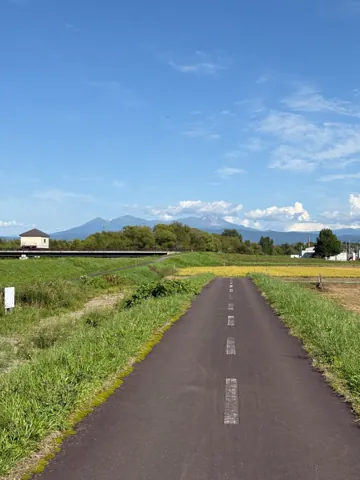 Sept 2025
 -
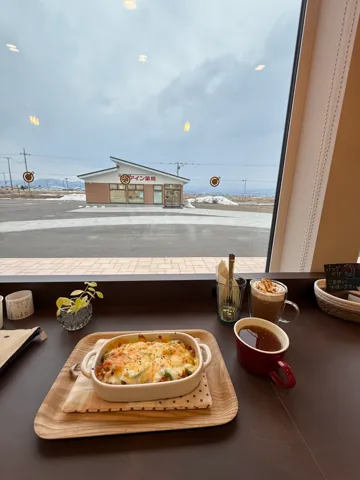 Mar 2026
 -
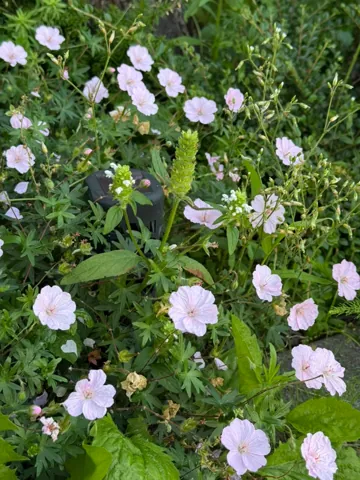 Jul 2026
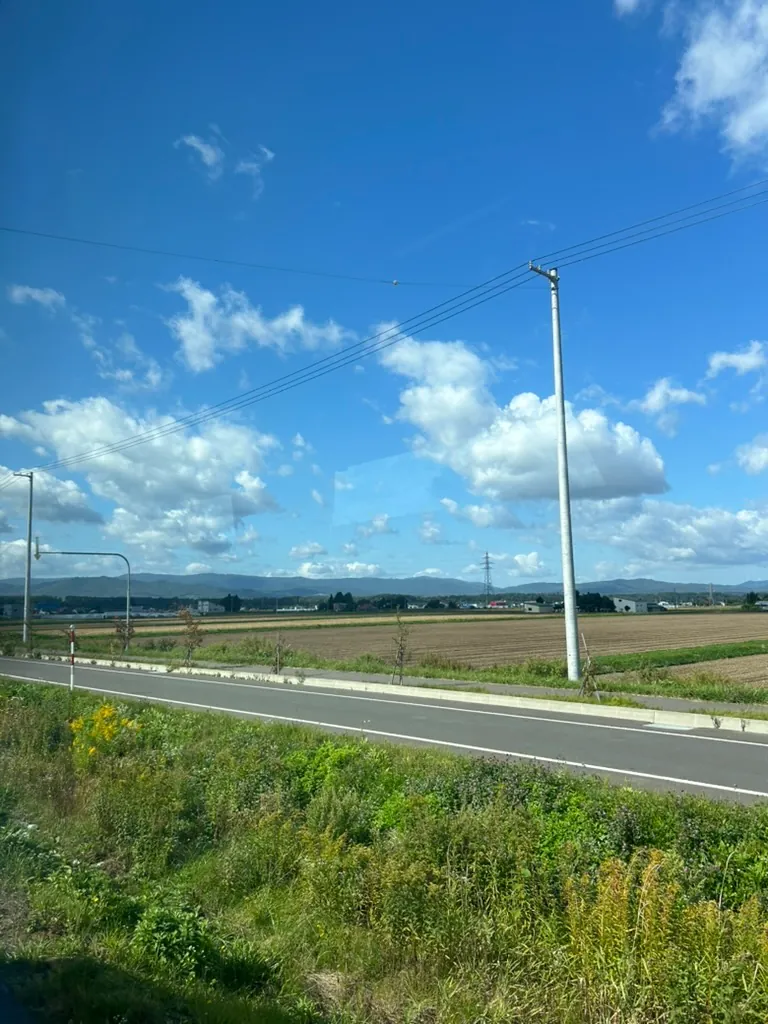
More about Higashikagura
At a glance
| Field | Details |
|---|---|
| Type | Town (町) |
| Subprefecture | Kamikawa (上川総合振興局) |
| District | Kamikawa District (上川郡) |
| Population | 10,127 (2020 National Census, 令和2年国勢調査)1; 9,536 in 4,414 households on the resident register as of 31 August 20262 |
| Area | 68.50 km²3 (English Wikipedia gives an older 68.64 km²4) |
| Density | ≈139 people/km² (9,536 ÷ 68.50 km², calculated) |
| Municipal history | Part of Kagura Village (神楽村, founded 1892). Split off as Higashikagura Village (東神楽村) on 1 April 1943, and became a town on 1 January 19665. Part of the Tōsei (東聖) area was transferred to Asahikawa in 19501 |
| Neighboring municipalities | Asahikawa, Higashikawa, Biei6 |
| Symbols | Tree: Japanese yew (いちい/オンコ). Flower: azalea (つつじ). Bird: skylark (ひばり)1 |
| Mascot | Kagurakkī (かぐらっき~), a flower-motif character created in 20137. English Wikipedia describes her as a tulip-motif flower fairy4 |
| Official website | https://www.town.higashikagura.lg.jp/8 |
Name origin
- "Higashi" (東, "east"): The village took this name when it split from Kagura Village in 1943, because it lay on the east side of the parent village61.
- "Kagura" (神楽): The town explains the name as a free translation of the Ainu place name hetce-us-i (ヘッチェウシ), meaning "place where people chant" (囃し・つけている・所)1. Hetce means shouting "hey! hey!" to accompany song and dance. People are said to have sung and danced here regularly, so the name was rendered as 神楽, Shinto sacred music and dance. Another translation of the Ainu name is "place where the gods play"13.
- Competing theory: Another explanation holds that the name comes from settlers from Kozurido Village in Toyama Prefecture (富山県下新川郡小摺戸村, now Nyūzen), who offered their home region's lion dance (獅子舞) here13.
- How "Higashikagura" became a place name: According to the town, the imperial land here was called the "Eastern Imperial Estate" (東御料地). When it was sold or given to the farmers in 1924, the government renamed it Higashikagura, because it was no longer imperial property1415.
History
- Ainu era: The upper Ishikari basin was Ainu land, as names such as Kagura (hetce-us-i) and the Chūbetsu River (忠別川) show116. The sources consulted do not document any archaeological sites inside the town.
- Imperial-land era (1880s–1890s): In the 1880s Iwamura Michitoshi (岩村通俊), who later became the first governor of Hokkaido, proposed building a northern capital, "Hokkyō" (北京), in the area stretching from today's Asahikawa to Higashikagura. His successor Nagayama Takeshirō (永山武四郎) won approval in 1889 for an imperial detached palace (上川離宮) here instead. After opposition from Sapporo interests, Governor Kitagaki Kunimichi (北垣国道) argued against the plan in 1892 and it faded away, but the land remained imperial property (御料地)145.
- 1892: Kagura Village (神楽村) was created after Kamui, Asahikawa and Nagayama, the first villages in Kamikawa, were set up in 18905.
- 1894: Leasing of the Eastern Imperial Estate (東御料地) began in July. Settlers from Shikoku, Hiroshima and Toyama cleared the primeval forest and first grew wheat and soybeans5.
- 1896: Mitsui Matasaburō (三井又三郎) grew rice on a trial paddy of about 2 tan (≈0.2 ha) and harvested 2 koku 4 to. It showed that rice could grow in Kamikawa, where many had said it could not5.
- 1897–1909: A general store opened at "No. 13" and became the start of the town centre (1897). Settlement then spread to Kamichūbetsu (now Chūei, 1899), Inari (1901) and Shibinai (1909)1.
- 1908–1912: The Eastern Imperial Estate Land Improvement Association (東御料地土功組合) built an irrigation system for ¥65,000, completed in 1912. After this, farmers switched rapidly from upland crops to paddy rice5.
- 1919–1926: Farmers renting the estate land fought a long dispute over their land rights. It was settled in 1923, and the estate land was then sold off514.
- 1930–1937: The Seidai Land Improvement Association (聖台土功組合) built a reservoir and a main canal. By 1937 they had turned over 1,000 chō (about 1,000 ha) of heavy-clay upland into paddy fields5.
- 1 April 1943: Higashikagura Village split from Kagura Village with 1,023 households and 6,139 people1.
- 1947: Yasui Yoshinori (安井吉典) became the first elected village head. That year heavy rain caused the Chūbetsu River to burst its banks across the village15.
- 1 January 1966: Higashikagura became a town. Asahikawa Airport opened with a ceremony on 30 June, and the first flight left on 1 July5.
- 1968: The parent town, Kagura, merged into Asahikawa13.
- 1977–1982: An industrial park was built (1977), and jet aircraft began flying into Asahikawa Airport (1982)1.
- 1989 onward: The Hijirino housing estate opened with 930 residential lots. Population rose from about 5,700 in 1990 to more than 10,000 in 2013115.
- 2000–2001: The Morinoyu Hanakagura onsen opened and the town won the national flower-town prize. In 2001 it represented Japan at Communities in Bloom in Canada and was rated four stars out of five7.
- 2004: Higashikagura formed the Daisetsu Regional Federation (大雪地区広域連合) with Higashikawa and Biei1.
- 2022: Hokkaido issued the first brown-bear advisory (ヒグマ注意報) for the town, from 8 August to 7 September6. The town also declared itself a "zero-carbon city"1.
- 2023: A land-based salmon farm, "Mori no Salmon Plant Higashikagura" (杜のサーモンプラント・東神楽), opened in Shibinai on 30 May1.
- 2024: The Hananowa complex (はなのわ), which houses the town hall and other facilities, opened as an office on 11 March and fully on 30 August1.
Geography & climate
- Location and shape: The town lies in the Kamikawa Basin on gently rolling land in the upper Ishikari River system. It measures about 21.7 km east–west and 6.2 km north–south. The town hall stands at 175 m above sea level, about 11 km from central Asahikawa19.
- Land use (FY2026 survey): Farmland makes up 52.5% of the town (paddy 37.8%, upland fields 14.7%), forest 20.5% and residential land 4.8%1.
- Rivers and hills: The main river is the Chūbetsu (忠別川), with the Pon, Inari, Yachiyo and Shibinai rivers. The highest point is Mt. Bōshi (坊子山, 419 m)6. The name Chūbetsu is usually traced to Ainu ciw-pet ("rippling river"). Other theories are cup-pet ("sun river"), which one theory links to the name Asahikawa, and cuk-pet ("autumn river")16.
- Chūbetsu Dam: The town's easternmost point is Chūbetsu Dam (忠別ダム)1. The dam itself stands on the Biei–Higashikawa boundary and was completed in 2007. At 86 m it is Japan's second-tallest combined concrete-and-rockfill dam17.
- Scenery: The Daisetsuzan and Tokachi ranges rise to the east. The town is on the Daisetsu–Furano Scenic Byway route (シーニックバイウェイ「大雪・富良野ルート」)6.
- Climate: The climate is continental, with large temperature swings, and the town is a designated heavy-snowfall area6. The 2025 figures below come from the Asahikawa Local Meteorological Observatory (旭川地方気象台) in neighbouring Asahikawa, as reported by the town:
- Annual mean temperature 7.9 °C
- Highest 34.3 °C (July), lowest −18.3 °C (January)
- Precipitation 940.5 mm
- Deepest snow 60 cm (February)
- First snow on average 19 October and last snow 1 May (1991–2020 normals)1
Economy & industry
- Agriculture: Main crops in 2024, by area and harvest1:
- Rice: 1,290 ha, 8,070 t
- Wheat: 601 ha, 2,111 t
- Buckwheat: 167 ha
- Corn: 115 ha, 1,088 t
- Sugar beet: 3,341 t
- Asparagus: 26 ha
- Leafy greens and tomatoes (mizuna, komatsuna, spinach, mitsuba, mini tomatoes)
- Livestock and farms: Farms kept 1,120 dairy cattle and 347 beef cattle in 2025. Farm households fell from 243 in 2020 to 164 in 20251.
- Seeds and breeding: Sakata Seed's Hokkaido research farm moved to the town in 19907. The strawberry breeder HOB (ホーブ) is based here18.
- Manufacturing: In 2023, 17 establishments shipped ¥4.07 billion of goods1. The town's own page, dated 2017, lists 10 furniture makers producing about ¥5 billion of furniture and crafts a year11. The industrial park near the airport, laid out from 1977, also has food processing, woodworking and cleaning businesses1.
- Jobs (2020 census): Primary industry employs 11.8% of workers, compared with 7.7% for Hokkaido. Secondary industry employs 15.1% and tertiary 59.7%1.
- Tourism: The town recorded 217,393 visitors in FY2024, of whom 34,460 came from outside Hokkaido and 35,029 stayed overnight. The pre-COVID peak was 273,021 in FY20171.
- Demographics: The population peaked at 10,233 in the 2015 census. It is now falling slowly because deaths far outnumber births: 38 births and 125 deaths in 20251.
- About 30.3% of residents are 65 or older (April 2026).
- Hijirino, the suburban district next to Asahikawa, has 5,537 residents, more than half the town1.
- Revitalization: In 2016 the town created the brand "Higashikagura Seeds & Fruits Select" (東神楽の種と実セレクト), which certifies top local products110. In 2019 it added a furusato nozei scheme for donating musical instruments1. In 2025 it began a trial of on-demand public transport1.
Local specialties
| Specialty | Category | Details & where to get it |
|---|---|---|
| JA Higashikagura rice (ななつぼし・ゆめぴりか) | Rice | The town's core crop, certified under the town brand10. Rice makes up the largest category of furusato nozei gifts, including a Nanatsuboshi subscription and Yumepirika19. |
| Snow Asparagus (雪アスパラ) | Vegetable | Winter-harvested asparagus from Yoshihara Farm (吉原農場), with a registered trademark. Sold in season at Asahikawa Airport shops and online, and offered as a furusato nozei gift20. Spring green asparagus from local grower Kumagai Ryūichi is also certified10. |
| Natsu-mizuki (夏瑞) | Fruit | HOB's fresh-eating summer strawberry, harvested mid-June to mid-July. Sold in Tokyo and Sapporo department stores and offered as a furusato nozei gift since 201818. |
| Kagura-hime fruit tomato (かぐら姫) | Vegetable | Small, sweet-and-tart tomatoes from Kitagawa Nōen (北川能園), July–August. Buy direct from the farm or at HAL Market in town21. Rock Dream Factory sells tomatoes at a farm stand from mid-March to late November22. |
| Mineral mizuna and spinach (ミネラル水菜・ミネラルほうれん草) | Vegetable | Leafy greens from the Higashikagura Vegetable Growers' Association (東神楽蔬菜組合)10. |
| Iwai kuromame (祝黒豆) | Processed food | Extra-large Hokkaido black soybeans simmered without preservatives by Yamagen Yamashita Foods (山源山下食品). Sold in limited quantities at Hokkaido supermarkets and as a furusato nozei gift23. |
| Tamura Farm ice cream (アイス工房田村ファーム) | Dairy / sweets | Ice cream made with milk from the neighbouring Tamura Ranch. Flavours: milk, vanilla, strawberry, chocolate and "Pepo Nuts" (Wassamu pumpkin seeds)24. The shop, Clover, stands on a small hill near the airport at 東2線16号97番地25. It is open 11:00–18:00, April–November (closed Wednesdays), with irregular days December–March22. |
| Wagyu hamburg steak (国産黒毛和牛ハンバーグ) | Meat | Made by Maeda Farm (前田牧場) from its own cattle. Maeda beef is also served at the town's BBQ Marathon1026. |
| Black-bean curry and Higashikagura soba (黒豆カレー・東神楽そば) | Processed food | JA Higashikagura products10. |
| Blueberry jam (ブルーベリージャム) | Preserves | Farm-made by Ōkaku Farm (おおかくファーム). The farm stand also sells asparagus and fresh blueberries in season1022. |
| Mushroom Stool (マッシュルームスツール) | Furniture / craft | An ash-wood stool with Ezo deer leather by Takumi Kōgei (匠工芸), ¥20,000 plus tax27. |
| Furusato nozei overall | Gifts | Hundreds of gifts, mainly rice, furniture, crafts and processed foods. 100% Higashikagura "Kitanokaori" bread flour is also popular19. |
Culture & festivals
| Event | When | Highlights |
|---|---|---|
| Upas no Mori snow park (雪のあそび場 ウパシの森) | Weekends and holidays, mid-January to late February (2026: 11 Jan – 23 Feb) | Free entry to snow activities at the Forest Park park-golf grounds: snow rafting, four-wheel buggies and snowcat rides. An adult pass for four activities costs ¥2,000. A "Yukinko Fes" was held on 15 February 2026282930. |
| Winter Festival (ウィンターフェスティバル) | Early February (2025: 1 Feb) | Held at the Fureai Kōryūkan hall and Hijirino Park, with a free shuttle bus and free cocoa30. |
| Flower Festa (フラワーフェスタ) | Late June (2026: Sunday 28 June, 11:00–15:00) | Held at Higashikagura Forest Park since the late 1980s. Children's flower costume parade, free flower seedlings, stage shows, flea market and food booths317. |
| Hana Matsuri (ひがしかぐら花まつり) | Early August (54th edition: Sunday 2 August 2026) | The town's main summer festival, held since 1971 at Yoshitsune Park (義経公園). It is combined with the Chamber of Commerce summer festival and a residents' talent show. A guest enka singer headlines (Miyama Hiroshi in 2026)327. |
| Higashikagura BBQ Marathon (ひがしかぐらバーベキューマラソン) | Early October (10th race: 5 October 2025) | 15 km, 8 km and 3 km courses along the Chūbetsu River Cycling Road, followed by a barbecue with all-you-can-eat new-crop rice and Maeda Farm beef2633. |
- Flower movement: The movement is run by residents and volunteer groups such as the Himawari-kai (founded 1968) and "Hana no Machi Hana Club" (花のまち花くらぶ). Hana Club won an Excellence Prize at the 35th National Flower Town Contest in 202571. The town-run nursery grows about 130,000 bedding plants a year for public flowerbeds34.
- Performing arts: Yoshitsune Sakura Taiko (義経桜太鼓), a taiko drum group, celebrated its 50th anniversary in 2019. The town also has a YOSAKOI Sōran team, 東神酔華の舞125.
- Local history: The Tsutsuji-kan community centre (交流プラザつつじ館) has a local history exhibition room (郷土資料展示室)1.
- Hananowa (はなのわ): The civic complex's basic design is by architect Sou Fujimoto (藤本壮介). It contains the town hall and a cultural hall nicknamed "花音"35. It won a Hokkaido Red Brick Architecture Encouragement Prize (北海道赤レンガ建築奨励賞) for FY20251.
- The sources consulted do not document notable shrines or temples.
Ainu heritage
Little Ainu history has been documented within the town. Its heritage survives mainly in place names:
- Kagura (神楽): A translation of Ainu hetce-us-i1.
- Chūbetsu River (忠別川): From Ainu ciw-pet or related forms16.
- Upas no Mori: The winter snow park is named for upas, the Ainu word for "snow"29.
None of the sources consulted list an Ainu cultural facility in the town. The nearest major one is the Kawamura Kaneto Ainu Memorial Museum (川村カ子トアイヌ記念館) in Asahikawa's former Chikabumi kotan. The Kamikawa Ainu leader Kawamura Itakishiroma founded it in 1916, which makes it Japan's oldest Ainu museum. It reopened in a new building on 15 July 202336.
Sister & friendship cities
None found. The CLAIR sister-city database lists no international affiliation for Higashikagura47, and the town's own statistics and profile pages mention no domestic partner. The town does share regional services with neighbouring Higashikawa and Biei through the Daisetsu Regional Federation (2004) and joint fire, waste and crematorium unions1.
Notable people
Sources
Numbers in the text link to these sources. Figures as of 23 September 2026
- 東神楽町の統計(令和8年6月1日現在) — 東神楽町 JA accessed 2026-09-23
- 東神楽町世帯・人口統計表(令和8年8月末現在) — 東神楽町 JA accessed 2026-09-23
- 令和8年全国都道府県市区町村別面積調(4月1日時点) — 国土地理院 JA accessed 2026-09-23
- Higashikagura, Hokkaido — Wikipedia EN accessed 2026-09-23
- 東神楽町の歴史 — 東神楽町 JA accessed 2026-09-23
- 東神楽町 — Wikipedia JA accessed 2026-09-23
- 花のまちの歩み — 東神楽町 JA accessed 2026-09-23
- 北海道 東神楽町 公式ウェブサイト — 東神楽町 JA accessed 2026-09-23
- 交通アクセス — 東神楽町 JA accessed 2026-09-23
- 東神楽の種と実セレクト — 東神楽町 JA accessed 2026-09-23
- 特産品 — 東神楽町 JA accessed 2026-09-23
- 町内の観光案内 — 東神楽町 JA accessed 2026-09-23
- 神楽町 — Wikipedia JA accessed 2026-09-23
- ひがしかぐら誕生物語 — 東神楽町 JA accessed 2026-09-23
- 東神楽町の概要 — 東神楽町 JA accessed 2026-09-23
- 忠別川 — Wikipedia JA accessed 2026-09-23
- 忠別ダム — Wikipedia JA accessed 2026-09-23
- 夏瑞(なつみずき) — 東神楽の種と実セレクト/東神楽町 JA accessed 2026-09-23
- 北海道東神楽町のふるさと納税 — ふるさとチョイス JA accessed 2026-09-23
- 雪アスパラ — 東神楽の種と実セレクト/東神楽町 JA accessed 2026-09-23
- フルーツトマト「かぐら姫」 — 東神楽の種と実セレクト/東神楽町 JA accessed 2026-09-23
- ひがしかぐら直売所マップ(2606_直売所MAP) — 東神楽町 JA accessed 2026-09-23
- 祝黒豆 — 東神楽の種と実セレクト/東神楽町 JA accessed 2026-09-23
- アイスクリーム(アイス工房田村ファーム) — 東神楽の種と実セレクト/東神楽町 JA accessed 2026-09-23
- 施設 — 花日和(はなびより)|東神楽観光協会 JA accessed 2026-09-23
- ひがしかぐらバーベキューマラソン【まとめページ】 — 東神楽町 JA accessed 2026-09-23
- マッシュルームスツール 道産材特別仕様 — 東神楽の種と実セレクト/東神楽町 JA accessed 2026-09-23
- 令和8年1月11日!雪のあそび場ウパシの森オープン! — 東神楽町 JA accessed 2026-09-23
- ひがしかぐら森林公園 ウパシの森 — ひがしかぐら森林公園((有)ブルーメン) JA accessed 2026-09-23
- イベント・ニュース — 花日和(はなびより)|東神楽観光協会 JA accessed 2026-09-23
- 6月28日(日曜日)は、フラワーフェスタ 2026 !! — 花日和(はなびより)|東神楽観光協会 JA accessed 2026-09-23
- 8月2日(日曜日)は、第54回 花まつり !! — 花日和(はなびより)|東神楽観光協会 JA accessed 2026-09-23
- 大会記録・第10回大会 — 東神楽町 JA accessed 2026-09-23
- 町営育苗センター・花の直売所「花の駅」 — 東神楽町 JA accessed 2026-09-23
- 複合施設・文化ホールの愛称が決定しました! — 東神楽町 JA accessed 2026-09-23
- 川村カ子トアイヌ記念館 — Wikipedia JA accessed 2026-09-23
- はなのわガーデン — 東神楽町 JA accessed 2026-09-23
- 森のゆ ホテル花神楽 温泉のご案内 — 森のゆ ホテル花神楽 JA accessed 2026-09-23
- 森のゆ ホテル花神楽 公式サイト — 森のゆ ホテル花神楽 JA accessed 2026-09-23
- 住所等一覧 — 北の道の駅(北海道道の駅公式総合情報サイト) JA accessed 2026-09-23
- ふるさと納税について — 東神楽町 JA accessed 2026-09-23
- あさひかわ — 北の道の駅 JA accessed 2026-09-23
- ひがしかわ「道草館」 — 北の道の駅 JA accessed 2026-09-23
- びえい「丘のくら」 — 北の道の駅 JA accessed 2026-09-23
- びえい「白金ビルケ」 — 北の道の駅 JA accessed 2026-09-23
- 東神楽町の観光案内 — 東神楽町 JA accessed 2026-09-23
- 姉妹提携データ(北海道) — CLAIR 一般財団法人自治体国際化協会 JA accessed 2026-09-23