Higashikawa 東川町
ひがしかわちょう
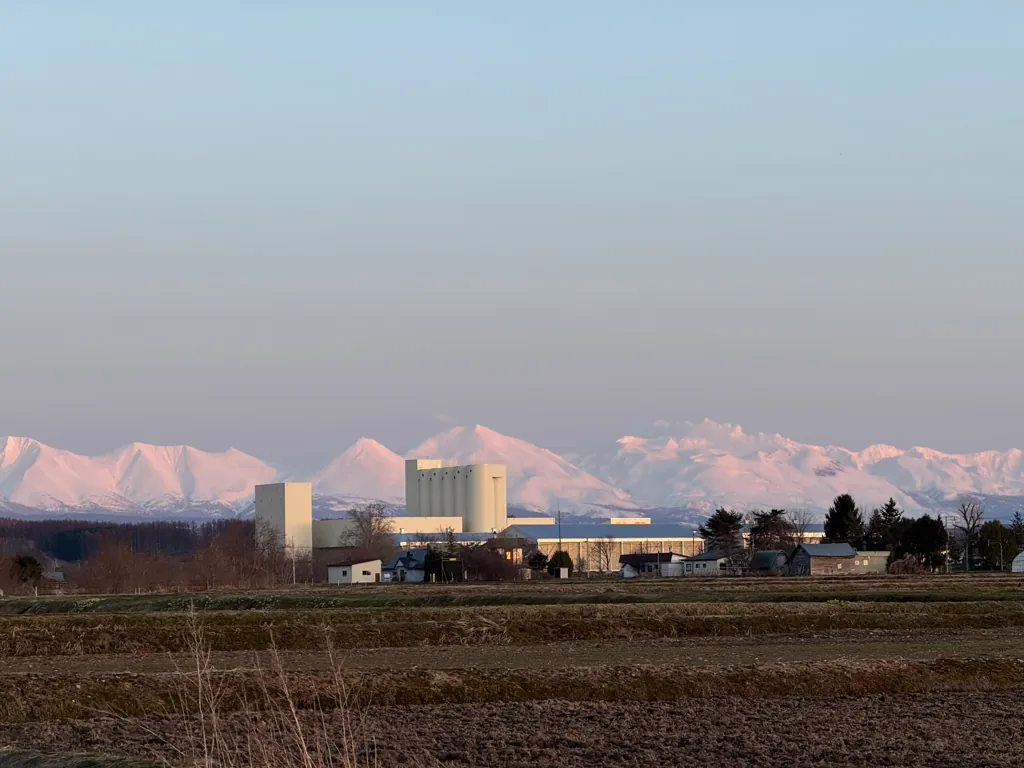
A rice-growing town of about 8,600 people at the foot of Asahidake, Hokkaido's highest peak. Higashikawa declared itself the "Photography Town" in 1985. It has no public water mains, so every household draws Daisetsuzan groundwater, and it is one of the few Hokkaido towns whose population has grown in recent decades.
- Population (2020 Census)
- 8,314
- Area
- 247.3 km²
- District
- Kamikawa District (上川郡)
- Official website
- higashikawa-town.jp
Known for
- "Photography Town" (写真の町): Higashikawa made its "Photography Town" declaration on 1 June 19859 and a "Photography Culture Capital" declaration (写真文化首都宣言) on 6 March 20141.
- A town without water mains: Higashikawa is the only town in Hokkaido with no public water supply. Homes draw groundwater that begins as Asahidake snowmelt13.
- Asahidake and Daisetsuzan: Asahidake (旭岳), Hokkaido's highest peak at 2,291 m, stands in the town. It is known for Japan's earliest autumn colours, from mid to late September14. Tenninkyō gorge has Hagoromo Falls, which at 270 m is the tallest waterfall in Hokkaido15.
- Higashikawa rice (東川米): In 2012 it became the first Hokkaido rice registered as a regional collective trademark (地域団体商標)16.
- Furniture and crafts: About 30% of all Asahikawa furniture (旭川家具) is said to be made in Higashikawa17.
- Growth by design: Japan's first public Japanese-language school opened here in 201518. Since 2006 the town has given every newborn a handmade chair through the "Kimi no Isu" (君の椅子) project19. In 2021 its population grew by more than any other municipality in Hokkaido1.
- New breweries and distilleries: The sake brewer Michizakura (三千櫻酒造) moved here from Gifu in 202020. The town was certified as a special wine zone in 20211, and Tankyu Distillery (丹丘蒸留所) opened in August 202521.
Sights & activities
Nature & scenery
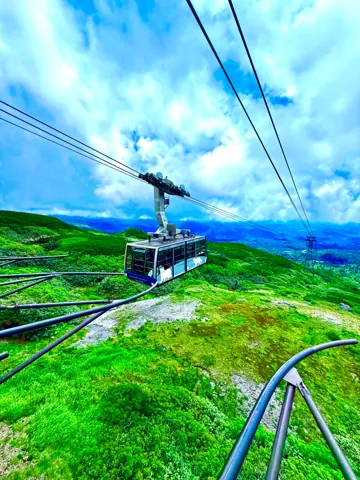
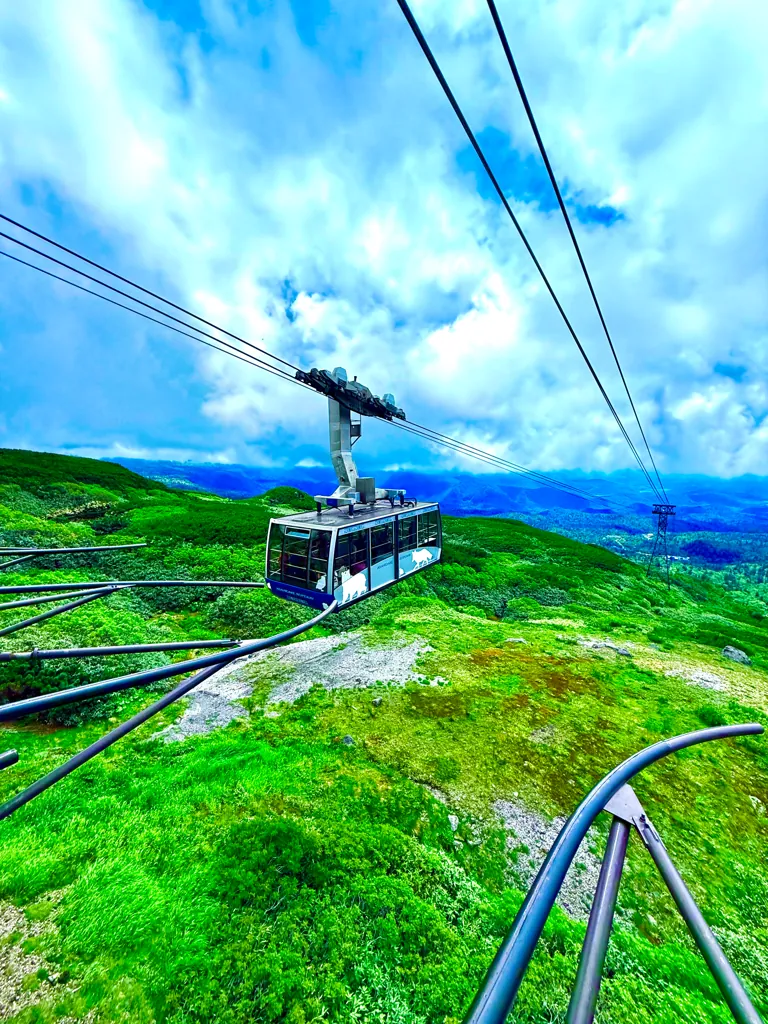
- Asahidake Ropeway (大雪山旭岳ロープウェイ): Operated by Wakasa Resort. The ride from Asahidake Onsen (about 1,100 m) to Sugatami Station (1,600 m) takes about 10 minutes5414.
- Adult round trip: ¥3,500 from 1 June to 31 October, ¥2,800 from 1 November to 31 May.
- Cars run every 15 minutes from 1 June to 20 October and every 20 minutes at other times. The published timetable shows no service from 16 November to 10 December 2026.
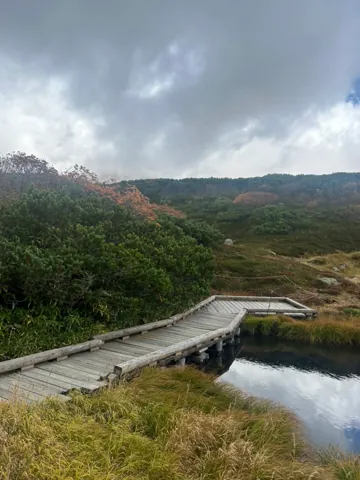
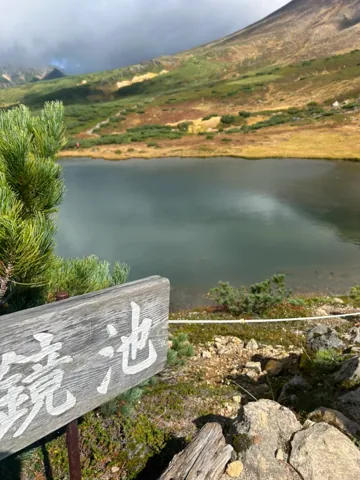
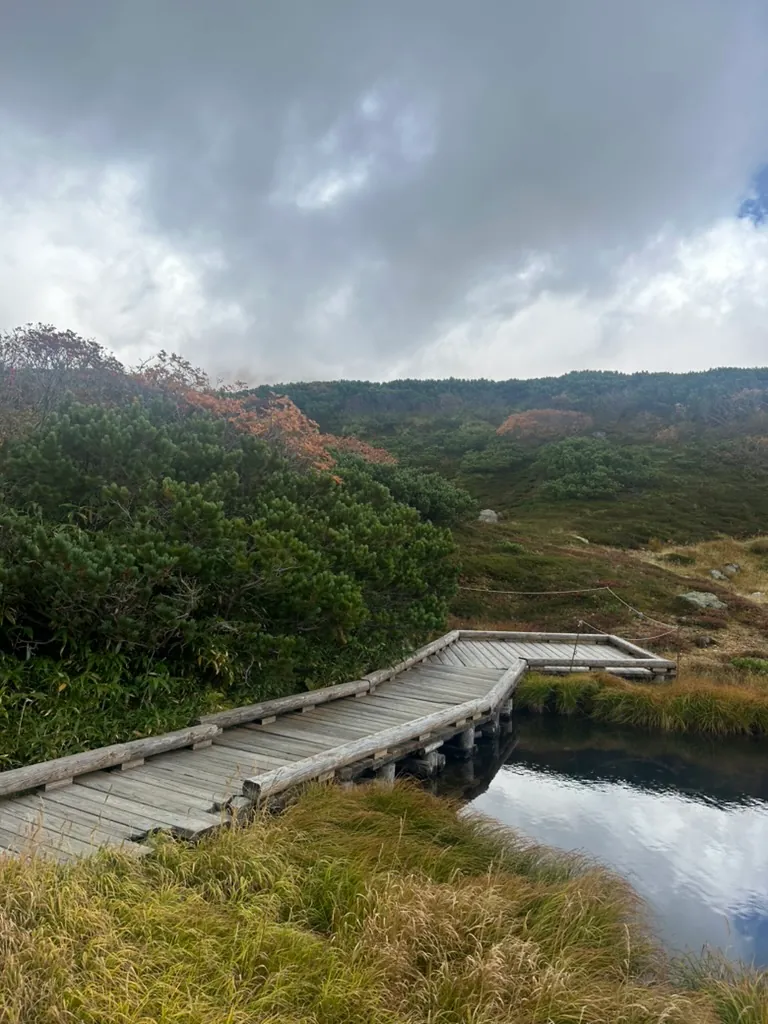
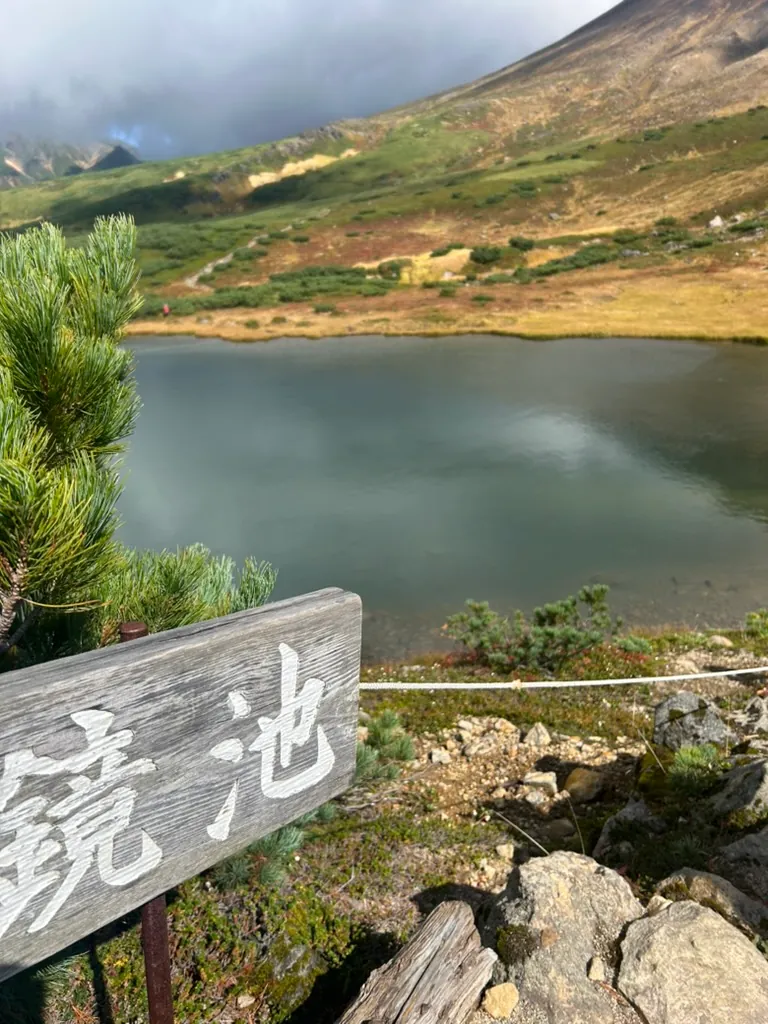
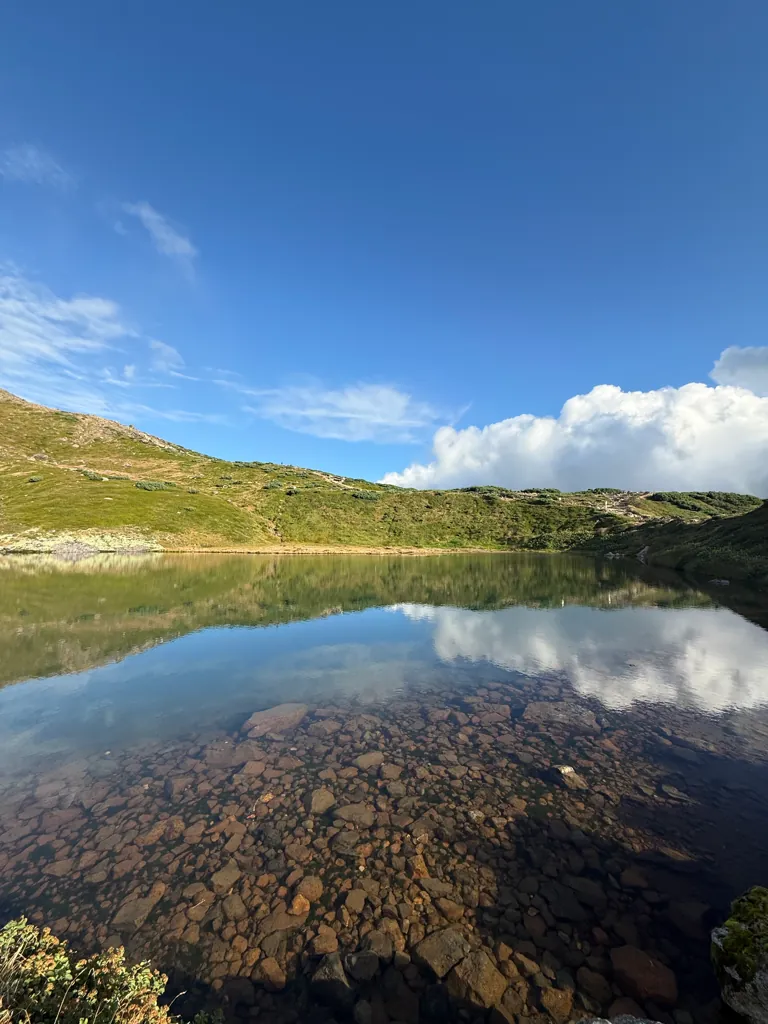
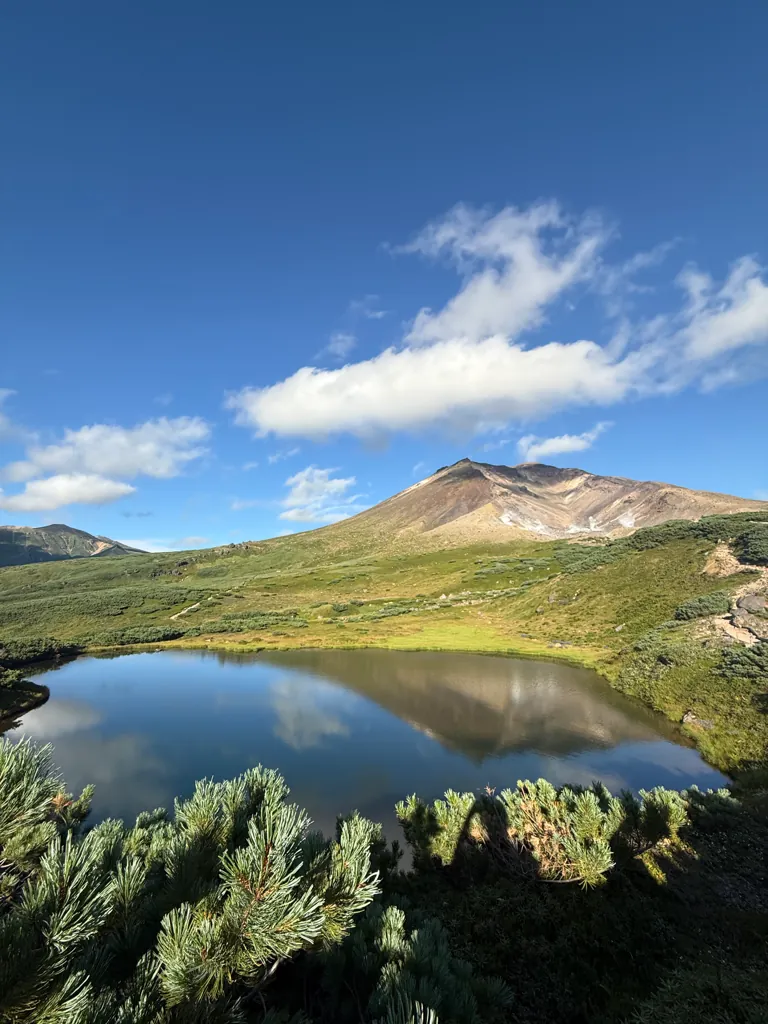
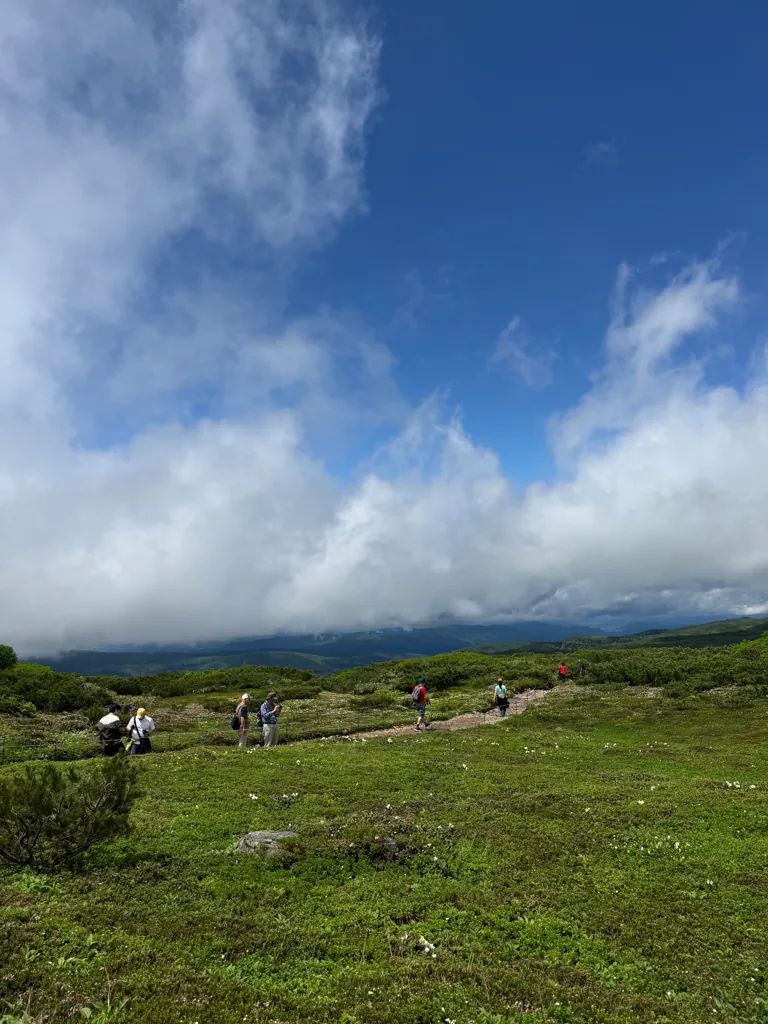
- A 1.7 km loop trail (about 1 hour) circles Sugatami Pond and the steaming vents54.
- The summit climb from Sugatami takes about 2 hours 30 minutes27.
- Asahidake Visitor Center (旭岳ビジターセンター): At Asahidake Onsen. Open 9:00–17:00, closed over the New Year holidays, tel. 0166-97-2153. It posts trail, autumn-colour and bear updates55.
- Tenninkyō and Hagoromo Falls (天人峡・羽衣の滝): A walking trail leads from Tenninkyō Onsen to Hagoromo Falls; it closes in winter33. A 1.5 km climb to the Takimidai viewpoint (滝見台) shows both Hagoromo and Shikishima falls33. The free Tennyo no Ashiyu (天女の足湯) foot bath opened in 201514.
- Chūbetsu Lake (忠別湖): Lakeshore pull-offs give reflections of Asahidake on calm days, and a waterside plaza is used for kayaking and fishing14.
- Daisetsu Asahidake Gensui Park (大雪旭岳源水公園): In Nokanan (ノカナン). Anyone may fill containers with spring water here, year-round; there are 12 car and 2 large-vehicle spaces44. The boardwalk to the source has been closed because of bear activity since June 202635.
- Kitoushi Forest Park (キトウシ森林公園): On Mt. Kitoushi (457 m), with ski slopes, park golf, go-karts, cabins, a campground and an observation deck over the grid of paddies1456.
Onsen
- Asahidake Onsen (旭岳温泉): At about 1,100 m, with nine lodgings and no built-up onsen street, because building heights and spacing are controlled26. Day bathing26:
- Hotel Bear Monte: 12:30–19:00, ¥1,140
- Daisetsuzan Shirakabasō: 13:00–19:00, ¥800
- Yumoto Yukomansō: 12:00–19:00, ¥1,200
- K's House Hokkaido: 15:00–19:00 (last entry), ¥900, irregular closing days
- Tenninkyō Onsen (天人峡温泉): A free-flowing spring (掛け流し). Only Oyado Shikishimasō (御やど しきしま荘) still operates, with day bathing 12:00–15:00 for adults ¥1,00026. Its former operator entered special liquidation in April 2026, but a new company continues the business32.
- Kitoushi no Mori Kitoron (キトウシの森きとろん): A bath and Finnish-sauna resort on Mt. Kitoushi. Open 10:00–22:00 (last entry 20:30), closed Wednesdays. Adults ¥1,000, children ¥50057.
Museums & heritage
- Local History Museum (郷土館): Next to the town hall at 東町1丁目16-250. It hosted the 2026 Jōmon exhibition29.
- Sentpure I & II (北町1丁目): The Oda Collection gallery is open 10:00–17:00, closed Mondays5152.
- Higashikawa Culture Gallery (文化ギャラリー): Opened in 19896. It holds the annual Higashikawa Awards exhibition49.
Outdoor & seasonal activities
- Winter sports: The Asahidake ropeway runs in winter, serving a compacted-snow ski course55. The Asahidake ski course draws powder-snow skiers from Japan and abroad1. Cross-country trails at Asahidake Onsen are open November–May, with rentals26. Canmore Ski Village (キャンモアスキービレッジ) at Kitoushi opened in 1969 and was renamed in 1991 for the sister town58.
- Chobochinai Road (チョボチナイロード): Prefectural Road 1116 is a narrow one-lane mountain road that usually opens for only about a month a year. In 2026 it is open from 6 August to 11:00 on 15 October59.
- Drones: Flying in the national park needs a permit15.
Food experiences
- Cafés and restaurants: Many were opened by newcomers drawn by the water44. Examples include CAFEtune, known for its "YAMADOG" sausage of Taisetsu Sasa pork; Sanuki udon Chiyuki (讃岐うどん千幸); and the soba shop Higashikawa Rakuza Sasaichi (東川楽座 笹一)46.
- Drinks: Tankyu Distillery takes reservations for tours and tastings46.
Roadside stations (Michi-no-Eki)
Higashikawa "Michikusakan" (道の駅ひがしかわ「道草館」)
- Location: 上川郡東川町東町1丁目1-15, in the town centre, tel. 0166-68-477731.
- Hours: 9:00–18:00 (April–September) and 9:00–17:00 (October–March). Closed 31 December – 4 January; the toilets stay open 24 hours all year3147.
- Shops & products:
- Higashikawa rice, fresh vegetables from summer to autumn, sake and wine, sweets and bento47.
- Rice balls, sandwiches, bread and sweets delivered by town shops, which often sell out by early afternoon47.
- Rice-flour bread, pottery and woodcraft by local makers31, and bottled Daisetsu Asahidake Gensui water44.
- Suppliers include JA Higashikawa, Hirata Tofu, Hirata Kōji, Hagoromo Seimen (羽衣製麺), Chamise rice balls, ゝ月庵, Sitoa and &DONUT. An online shop is also run47.
- Food: No restaurant is listed. The soft-serve counter runs year-round and sells "Kirari" (きらり), made with Hokkaido milk and topped with a snowflake-shaped pastry47.
- Facilities:
- Parking: 51 standard and 2 large spaces, per the official listing31. Japanese Wikipedia gives an older count of 30 standard, 3 large and 1 accessible space60.
- 24-hour toilets with a multipurpose stall, ostomate facilities and warm-water bidet seats31.
- Information corner with the town's hand-drawn maps: Asahidake–Tenninkyō, craft and gourmet47.
- Wi-Fi, and credit cards and other cashless payment accepted31.
- No EV charger or RV park is listed31.
- Notes:
- Registered on 9 August 2004 as Hokkaido station No. 86. The stamp can be pressed during opening hours31. Japanese Wikipedia dates its start as a roadside station to spring 2005, citing a Hokkaido Shimbun photo caption1.
- It hosts photo exhibitions. In July 2026 it showed work by Murakami Yūta, a former Photo Koshien competitor31.
- Japanese Wikipedia says it also houses a satellite studio of Asahikawa's community radio station FM Ribere60.
Getting there & around
- Air: Asahikawa Airport is 7 km (about 13 minutes by car) from the town centre63.
- Flights take about 1.5 hours from Tokyo Haneda. There are direct flights from Nagoya, seasonal flights from Osaka and international flights from Asia61.
- Rail: No railway runs through the town. The nearest station is JR Asahikawa, about 80 minutes from Sapporo and about 120 minutes from New Chitose Airport by train61.
- Bus: Asahikawa Denki Kidō (旭川電気軌道) buses (routes 60, 62, 66, 67, 76 and 176) run from Asahikawa Station to Higashikawa Michikusakan-mae in about 30 minutes, for an adult fare of ¥67061.
- The "Ideyu-go" shuttle (いで湯号, route 66) links Asahikawa Station, the airport, Michikusakan and Asahidake Onsen. The tourism association describes three round trips a day, though its timetable lists four. The first bus leaves Asahikawa Station at 7:15 and reaches Asahidake at 9:03, for a fare of ¥1,80061.
- No bus runs to Tenninkyō. Use a taxi or your inn's shuttle63.
- Car: Central Asahikawa is 13 km away, about 22 minutes63. Asahikawa-Kita IC on the Dō-Ō Expressway is about 16 km (25 minutes) away, and New Chitose Airport is about 3 hours 30 minutes by expressway61. Asahidake Onsen and Tenninkyō are each about 30 km from the town centre26.
- Airport coach: The "Taisetsu Liner" (たいせつライナー), reservation only, links Asahikawa Station with New Chitose Airport for ¥4,500 one way (from December 2025)61.
- Taxi: Tōkō Hire (東交ハイヤー), tel. 0166-82-253063.
Practical tips
- Best seasons:
- Mid-to-late September for Japan's earliest autumn colours on Asahidake14. Ropeway queues and car-park waits are heavy on September weekends and holidays, so overflow parking is provided54.
- Late July to August for Photo Koshien and the photo festival11.
- Winter for powder snow1. The ropeway's winter fare season runs from 1 November to 31 May, but in 2026 there is no service from 16 November to 10 December54.
- Mountain safety: The ropeway operator warns of frequent mountain accidents and sudden whiteouts on Daisetsuzan. It says hikers should call the police at once if they lose the trail54. Check trail conditions at the Visitor Center55.
- Brown bears: Hokkaido issued the town's first brown-bear advisory in 20221. Bear activity closed Gensui Park in June 2026, and its boardwalk remained closed as of late August35. Avoid dusk and dawn walks near forests.
- Tenninkyō works: The public car park is closed for renovation until further notice; use the temporary lots toward Hagoromo Falls or Chūbetsu Lake. Large vehicles must use the lake-side lot. The Tennyo no Ashiyu foot bath closes from 13 October 202664.
- Seasonal roads: Chobochinai Road closes on 15 October 2026, or earlier in bad weather59.
- Information: Michikusakan's information corner hands out up-to-date maps47. The Higashikawa Tourism Association runs the website "Welcome Higashikawa" (ようこそ東川)61.
Photos
-
 Apr 2026
 -
 Sept 2024
 -
 Sept 2024
 -
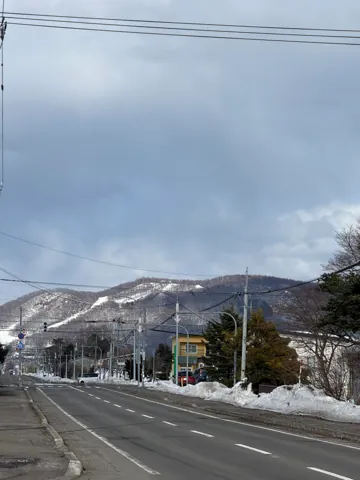 Mar 2025
 -
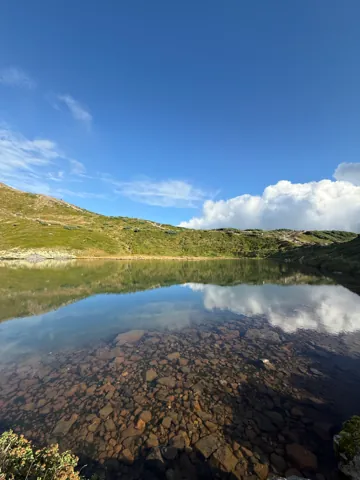 Aug 2025
 -
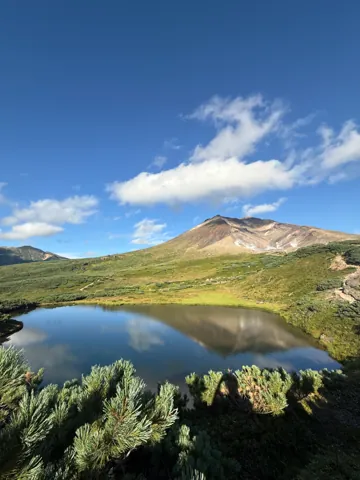 Aug 2025
 -
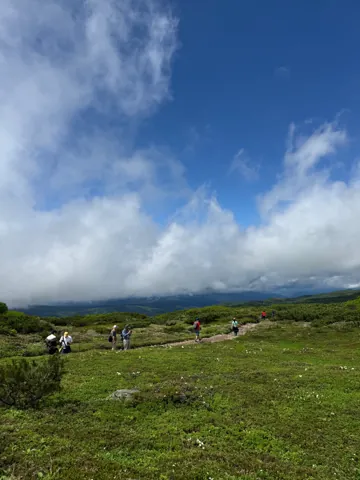 Jul 2026
 -
 Jul 2026
More about Higashikawa
At a glance
| Field | Details |
|---|---|
| Type | Town (町) |
| Subprefecture | Kamikawa (上川総合振興局) |
| District | Kamikawa District (上川郡), historically part of Ishikari Province (石狩国)1 |
| Population | 8,314 (2020 National Census, 令和2年国勢調査), up 203 (+2.5%) from 8,111 in 2015; 3,405 households2. 8,617 on the resident register as of 31 August 2026 (8,047 Japanese and 570 foreign residents)3 |
| Area | 247.30 km²4. English Wikipedia gives an older 247.06 km²5 |
| Density | ≈34.8 people/km² (8,617 ÷ 247.30 km², calculated) |
| Municipal history | Colony plots were surveyed on the Chūbetsu Plain (忠別原野) of Asahikawa Village in 1894. The area split off as Higashikawa in 1897, became a second-class village (東川村) in 1906, a first-class village in 1919, and a town on 15 August 195916. It has never merged with another municipality |
| Neighboring municipalities | Asahikawa, Higashikagura, Biei, Kamikawa1 |
| Symbols | Tree: katsura (カツラ), chosen as a water-loving tree for a town rich in water. Flower: Ezo-murasaki-tsutsuji (エゾムラサキツツジ, Rhododendron dauricum), which blooms purple in early May7. Both were chosen in 19746. No town bird is designated |
| Mascot | No official yuru-chara was found in the sources consulted |
| Official website | https://higashikawa-town.jp/8 |
Name origin
- Higashikawa (東川): The name is written in Japanese characters meaning "east river"; none of the sources consulted gives an Ainu original. When the settlement split from Asahikawa Village in 1897, the record simply says it was "called Higashikawa" (東川と称す)16. None of the sources consulted explains the choice. The common reading, "east of Asahikawa", is unverified.
- The older name, Chūbetsu (忠別): The flat land was surveyed in 1894 as the Chūbetsu Plain (忠別原野). The survey's numbered roads (号線) produced today's grid-pattern town122. The Chūbetsu River's name is usually traced to Ainu ciw-pet ("rippling river"); competing theories give cup-pet ("sun river") or cuk-pet ("autumn river")23.
- Other Ainu place names in the town:
- Kitoushi (岐登牛): From kito-us-nupuri, "the mountain where Alpine leek (gyōja-ninniku) grows thickly"24.
- Onneinai (音子内): Mt. Onneinai (483 m), on the ridge along the Asahikawa border, is named after Onneinai, the old name of the stream that rises there. It means "old river"24.
- Yukomanbetsu (勇駒別): The former name of Asahidake Onsen, from yu-ko-oman-pet, "the river that goes toward the hot spring"2526.
- Asahidake: The Kamikawa Ainu called the Daisetsuzan massif, including Asahidake, names such as Nutap-kamuy-shir or Nutap-kaushpe2728. Matsuura Takeshirō's Tokachi Nisshi recorded the peak as "Ishikari-dake", and the name "Asahidake" was standardised from 191027.
History
- Prehistory: Jōmon-period artefacts have been excavated in the Higashikawa area. In summer 2026 the Local History Museum showed them in the exhibition "Northern Jōmon and Higashikawa Jōmon" (北の縄文と東川の縄文)29.
- Ainu era: The Kamikawa Ainu, called Peniunkur ("people who live upstream"), revered Daisetsuzan as Kamuy Mintara, "the garden where the gods play". They believed it was the place closest to the land of the gods30.
- Edo period: The explorer Matsuura Takeshirō (松浦武四郎) recorded the Daisetsuzan peaks in his Tokachi Nisshi (十勝日誌)27. None of the sources consulted records a trading post within the town.
- 1894–1897 (settlement): The Chūbetsu Plain was surveyed as colony land in 18941.
- 1898–1919 (early village): Floods and crop failures recurred. Higashikawa Shrine (東川神社) was founded in 1900. In 1902 Maki Takejirō (牧竹次郎) selected the rice strain "Kuroge" (黒毛) from "Akage" (赤毛)6.
- The village became independent in 1909 and a first-class village in 1919.
- Akutsu Keikichi (阿久津啓吉) found the Yukomanbetsu hot spring, today's Asahidake Onsen, in 19146.
- 1927–1958: The Asahikawa Denki Kidō Higashikawa Line, an electric railway, ran to Asahikawa from 1927 until 19726.
- 1959–1994 (town): Higashikawa became a town on 15 August 1959. The Asahidake ropeway opened in 1967–686.
- Yukomanbetsu Onsen was renamed Asahidake Onsen in April 198225.
- The Photography Town declaration, the first International Photo Festival and the Higashikawa Awards date from 1985610.
- In 1987 the town's share of first-grade rice reached 93%, the best in Hokkaido. In 1993 came Japan's worst post-war harvest, when the Kamikawa crop index fell to 526.
- 1995–2009: Large housing developments from 1995 turned the population upward1. The Michikusakan roadside station was registered in 200431, and Chūbetsu Dam was completed in 20071.
- 2010s:
- 24 August 2010: heavy rain washed out the road to Tenninkyō Onsen. 324 people were cut off and rescued by helicopter32.
- 2013: a landslide closed the Hagoromo Falls trail until June 201833.
- 2014: the population passed 8,000 for the first time in 42 years1.
- 2015: the Japanese-language school opened18.
- 2020s:
- 2020: Michizakura sake brewery relocated from Gifu20.
- 2021: certification as a special wine zone1.
- 2022: Hokkaido issued the town's first brown-bear advisory1.
- 2023: the town produced the feature film Kamui no Uta (カムイのうた)34.
- 2024: the derelict Tenninkyō hotels were demolished32.
- 2025: Tankyu Distillery opened21.
- 2026: a bear sighting closed the Daisetsu Asahidake Gensui spring park from 9 June. It reopened on 1 July, but its boardwalk stayed closed35.
Geography & climate
- Location and boundaries: The town lies near the centre of Hokkaido1.
- To the east, Hokuchin-dake (北鎮岳, 2,244 m) marks the border with Kamikawa.
- To the south, the Chūbetsu River separates it from Biei and Higashikagura.
- To the west and north, the Kitoushi hills border Asahikawa.
- Forest covers about 70% of the town. The southwest is an alluvial fan built by the Chūbetsu and Kuranuma (倉沼川) rivers. Its flat ground is paddy, and the eastern foothills are upland fields1.
- Daisetsuzan National Park (大雪山国立公園): long Japan's largest national park15, until Hidaka Sanmyaku-Erimo-Tokachi National Park (245,668 ha) was designated on 25 June 202466. The park covers 2,267.64 km², of which about 102.55 km² lies in Higashikawa7.
- Waters: Chūbetsu Lake (忠別湖) is the reservoir behind Chūbetsu Dam, which spans Higashikawa, Biei and Higashikagura1.
- At Tenninkyō, the upper Chūbetsu has cut a gorge through columnar-jointed cliffs.
- Hagoromo Falls (羽衣の滝) drops 270 m in seven tiers. It is Hokkaido's tallest waterfall and one of Japan's Top 100 Waterfalls33.
- Shikishima Falls (敷島の滝) is only about 20 m high but carries the main river, and is nicknamed "Niagara of the East"33.
- Climate: Continental, with large daily and yearly swings. The town is a designated special heavy-snowfall area (特別豪雪地帯)1. Figures from the JMA Higashikawa AMeDAS station:
- 1991–2020 normals: annual mean temperature 6.5 °C, from −8.1 °C in January to 20.5 °C in August. Mean January low −13.3 °C. Annual precipitation 983.2 mm and 1,450 hours of sunshine. The station does not measure snow depth36.
- Records since 1977: highest 37.0 °C (6 August 2021), lowest −29.3 °C (17 February 1978), heaviest daily rainfall 143.5 mm (20 August 2016)37.
Economy & industry
- Rice first: The town and JA Higashikawa have built the Higashikawa Rice (東川米®) brand for decades16.
- Growers follow a "10 Articles of Trust" standard (2007) and GAP rules (2010).
- In 2012 it became the first Hokkaido rice registered as a regional collective trademark. It won the top gold prize at the all-Hokkaido Yumepirika contest in 2019.
- Exports began in 2009 and now go to Hong Kong, Finland, the Netherlands and other markets.
- "Rice resin", a plastic made partly from rice, is used for all of the town's designated rubbish bags16.
- Vegetables: More than 20 kinds are grown and sold as "Higashikawa Salad" (ひがしかわサラダ®). JA Higashikawa describes its broccoli, pumpkin, daikon, sweet corn and blanched mitsuba from the Asahidake foothills as among Hokkaido's best, in both quality and planted area. Tomatoes, green peppers, blanched long onion and sanchu lettuce are the main greenhouse crops38.
- Furniture and crafts: About 30% of Asahikawa furniture is said to be produced in Higashikawa. The town is also home to many furniture makers, woodworkers and potters with their own studios and cafés17.
- Brewing and distilling: The town has recruited drink makers to use its spring water.
- Michizakura, founded in 1877 in Gifu, moved in 2020 into a brewery that the town built and the company runs (公設民営)2039. Japanese Wikipedia notes that the town at first called it Japan's first such brewery. In June 2021 the town withdrew the claim, because Akana Shuzō in Shimane had used the model since 201420.
- Tankyu Distillery uses the same public-build, private-run model21.
- Snow River Wines (雪川醸造) began making wine in the town after the 2021 special wine zone was granted14041.
- Tourism: In fiscal 2025 (April 2025 – March 2026) the town had 1,458,200 visitors, the 6th most in Kamikawa but 88.8% of the previous year's 1,642,600. Only 80,200 stayed overnight. Foreign overnight guests rose to 18,413, the largest group from China (3,153)42.
- The subprefecture blames the fall on fewer Chinese visitors and on Japanese travellers avoiding crowded spots as costs rise42.
- Furusato nozei: The town takes hometown-tax donations through its "Higashikawa Shareholder" (ひがしかわ株主制度) scheme. Donors "invest" in a project of their choice at ¥1,000 per share and receive a shareholder card and benefits143.
- Donations grew from 414 (¥10.45 million) in fiscal 2008 to 106,794 (¥4.67 billion) in fiscal 202543.
- Population and newcomers: Higashikawa gained 203 residents between the 2015 and 2020 censuses2. At the end of August 2026 the register counted 8,617 people, including 570 foreign residents (6.6%)3. The Japanese-language school has produced more than 350 long-term and 3,000 short-term graduates, about 80% of them from Asia18.
- The town frames its approach as tekiso (適疎), "appropriately sparse", an idea from its Photography Culture Capital declaration9.
Local specialties
| Specialty | Category | Details & where to get it |
|---|---|---|
| Higashikawa Rice (東川米®) | Rice | Grown with Daisetsu spring water under JA Higashikawa's standards. The town's signature product, sold at Michikusakan and offered as a furusato nozei gift1643 |
| Rice can "Hoshi no Yume" (米缶ほしのゆめ) | Rice / souvenir | 150 g (about 1 gō) of Hoshi-no-yume rice sealed in a drink-sized can1 |
| Daisetsu Asahidake Gensui (大雪旭岳源水) | Water | Spring water selected as one of the Heisei 100 Exquisite Waters (平成の名水百選). It flows at about 4,600 L/min at 6–7 °C. Bottled in 500 ml and 2 L without heat sterilisation, and sold at Michikusakan4416 |
| Higashikawa Salad vegetables (ひがしかわサラダ®) | Vegetables | Tomatoes and Aiko mini tomatoes, broccoli, sweet corn and blanched long onion, mostly June–October38 |
| JA processed foods | Processed food | Higashikawa tomato juice, dried vegetables, rice crackers made from Higashikawa rice by Iwatsuka Seika, and soba made with local buckwheat and rice flour45 |
| Michizakura sake (三千櫻) and "Hokkaidō Tōsen" (北海道東川) | Sake | Sake from Higashikawa rice and spring water. "Hokkaidō Tōsen" is JA Higashikawa's own label, brewed by Michizakura since 2021; an export version goes to Brazil and other countries451620 |
| Snow River wines (雪川醸造) | Wine | The first release was a rosato from Seyval 13053 grapes grown in the town. The 2021 vintage won gold at the Sakura Awards 2022. Other wines use grapes from Yoichi and the Ishikari Plain4041 |
| Tankyu Distillery gin & new-make (丹丘蒸留所) | Gin / whisky | "Yuki no Mado" (雪の窓) gin uses local rice kōji and Sakhalin fir needles and won gold at TWSC 2026. Tours by reservation2146 |
| NATURES Brewing | Craft beer | Brewery and taproom that opened in June 202646 |
| Tofu and miso | Processed food | Hirata Tofu (平田とうふ店, since 1946) and Miyazaki Tofu (宮崎豆腐店, since 1927). Hirata Kōji (平田こうじ店) makes miso from Higashikawa rice aged for over a year46 |
| Sweets and bakery | Sweets | Wagashi from ゝ月庵, natural-yeast steamed buns from Sitoa (しとあ), &DONUT, and brown-rice rice balls from Chamise (ちゃみせ)46. Michikusakan's "Kirari" (きらり) soft-serve comes with a snowflake-shaped pastry47 |
| Furniture & woodcraft (旭川家具) | Crafts | About 30% of Asahikawa furniture is said to be made in the town17. Wood and bamboo crafts (217 items) and furniture (126) are the largest furusato nozei categories43 |
Culture & festivals
| Event | When | Highlights |
|---|---|---|
| Higashikawa Ice Festival (ひがしかわ氷まつり) | 3rd weekend of January (2026: 17–18 Jan) | At Hagoromo Park. Teams have 24 hours to finish ice sculptures, alongside snow sculptures, ice lanterns and fireworks on the first night11 |
| Spring Kurashi Tanoshiku Festival (春の暮らし楽しくフェスティバル) | Late May (2026: 30–31 May) | At the Kitoushi forest. Farmers sell vegetables and seedlings, the town's international staff cook dishes from their countries, and there is a flea market11 |
| Nupuri-kor-kamuy-nomi (旭岳 山の祭り【ヌプリコロカムイノミ】) | June (2026: 20 June) | Ainu mountain prayer at the Asahidake Youth Campground. Taiko drumming, a torch procession, Ainu dance and mukkuri (mouth harp) playing11 |
| Farmer's Garden Market / Midsummer Festival (夏至祭) | Around the solstice (2026: 20–21 June) | A Nordic-style market with food, crafts and music in the front garden of the furniture maker Kita no Sumai Sekkeisha (北の住まい設計社)48 |
| Kamui Mintara SUP FES (カムイミンタラ SUP FES in ひがしかわ) | Late June (2026: 27–28 June) | Stand-up paddle races (6 km, 3 km, 1 km), kids' and dog SUP on Chūbetsu Lake11 |
| Daisetsu Asahidake SEA TO SUMMIT | Early July (2026: 4–5 July) | Held since 2011. Competitors kayak on Chūbetsu Lake, cycle to Asahidake Onsen, then ride the ropeway and climb to the summit11 |
| Photo Koshien (写真甲子園) | Late July (2026: 28–31 July, 33rd) | 18 finalist high-school teams shoot photo series around the area. The 2026 winner was Wakayama Prefectural Kamishima High School1211 |
| International Photo Festival & Dontokoi Festival (国際写真フェスティバル/どんとこい祭り) | Early August (2026: 1–2 Aug) | Held since 1985. The Higashikawa Awards ceremony, symposia and street galleries. The Dontokoi summer festival (since 1988) brings food stalls and close-range fireworks at Hagoromo Park116 |
| High School International Photo Festival (高校生国際交流写真フェスティバル) | Mid-August (2026: 17–23 Aug) | Held since 2015. 13 overseas schools and 3 Japanese schools111 |
| Autumn Kurashi Tanoshiku Festival (秋の暮らし楽しくフェスティバル) | Late August (2026: 29–30 Aug) | Launch of the new-crop rice, harvest sales and a flea market at the Kitoushi forest11 |
- Higashikawa Awards (写真の町東川賞): Five categories: overseas, domestic, newcomer, special, and the Hidano Kazuemon Prize (飛彈野数右衛門賞), added in 2010. Since 2010 the overseas and domestic prizes pay ¥1 million each10.
- The 2026 (42nd) winners were Martina Hoogland Ivanow (マルティナ・ホーグランド・イヴァノヴ, overseas), Ina Eiji (伊奈英次, domestic), Hayashi Noriko (林典子, newcomer), Nakanishi Toshitaka (中西敏貴, special) and Tagawa Motonari (田川基成, Hidano Prize). Their exhibition ran at the Culture Gallery through August49.
- Life-event gifts: Under Kimi no Isu, a designer creates a new chair every year and local workshops make it. Each child receives one about 100 days after birth, engraved with their name19. The town also offers free professional commemorative photos and an original marriage-registration form1.
- Performing arts: Hagoromo Taiko (羽衣太鼓), a taiko drum club formed in 19696, opens the Asahidake mountain festival11.
- Shrines and cultural properties: Higashikawa Shrine was founded in 19006. Town-designated properties include the Sōma Myōken-gū shrine (相馬妙見宮) and Meiji- and Taishō-era houses1.
- Museums:
- Local History Museum (東川町郷土館): Opened in 1982 in the old town hall of 1949. It shows pioneer-era material and the tram car Moha 101 from the old Higashikawa Line50.
- Sentpure (せんとぴゅあ): A cultural complex. Sentpure I occupies the former Higashikawa Elementary School and has a permanent display of the Oda Collection (織田コレクション), mainly Nordic furniture51. Sentpure II holds a library of up to 75,000 books and the Higashikawa Photo Collection52.
Ainu heritage
- Sacred mountains: For the Kamikawa Ainu, Daisetsuzan was Kamuy Mintara, "the garden where the gods play", and the place nearest the land of the gods30. Asahidake is a component property of the Japan Heritage story No. 55, "Living with Kamuy: the Kamikawa Ainu" (カムイと共に生きる上川アイヌ)28. The story traces sites up the Ishikari River from Asahikawa to Kamikawa, including Kamuy Kotan and the Chinomishiri sacred site at Arashiyama30.
- Living ritual: Every year the Nupuri-kor-kamuy-nomi (ヌプリコㇿカムイノミ) at Asahidake Onsen prays for the safety of climbers and visitors28.
- Ainu people, visitors and locals carry torches in a procession to a campfire.
- A prayer is offered to the mountain god, followed by dances, mukkuri playing and a closing circle dance11.
- Tenninkyō: Japanese Wikipedia records that Matsuyama Tamezō found the Tenninkyō hot spring and falls in 1897 with Ainu guides32.
- Place names: Chūbetsu, Kitoushi, Onneinai and Yukomanbetsu all come from Ainu (see Name origin)232425.
- Film: The town planned and produced Kamui no Uta (カムイのうた), directed by Sugawara Hiroshi. The film is about Chiri Yukie (知里幸恵), who transcribed the Ainu Shin'yōshū. It opened in Hokkaido on 23 November 2023 and nationwide on 26 January 202434, and the town's shareholder scheme has supported it53.
- Facilities: No Ainu cultural facility in the town itself was found in the sources consulted.
Sister & friendship cities
- Canmore, Alberta, Canada: Sister town since 12 July 1989. Contact began in 1986, when the Alberta government introduced the visiting mayor to Canmore as a town with a similar climate and tourism resources65.
- Valmiera Municipality, Latvia (formerly Rūjiena): Links began in 1993 with donations of Japanese-learning materials to a school in Riga. The sister-city agreement with Rūjiena was signed on 17 July 2008, and continued with Valmiera Municipality after Latvia's 2021 mergers (signed 18 October 2021)65. Japanese Wikipedia gives 18 October 2023 for the Valmiera agreement1.
- Aniva, Sakhalin, Russia: Sister city since 18 September 2019. The contact came through Japan's consulate-general in Yuzhno-Sakhalinsk65.
- Yeongwol County, Gangwon, South Korea (寧越郡): Cultural exchange partner since 4 November 2010. Exchanges began in 2008, through both places' photography festivals65.
- Domestic: None found.
Notable people
- Morisaki Hiroyuki (森崎博之): Actor and leader of TEAM NACS, and a Higashikawa tourism ambassador1.
- Kanno Hiroyuki (菅野博之): Former Justice of the Supreme Court of Japan, from Higashikawa1.
- Hara Mikie (原幹恵): TV personality, born in Higashikawa1.
- Wakanami Yoshimitsu (若浪義光): Former sumo wrestler, born in what is now Higashikawa1.
- Takeuchi Tomoka (竹内智香): Snowboarder and silver medallist at the 2014 Sochi Olympics. She was born in Asahikawa, but her family home is the Yumoto Yukomansō inn at Asahidake Onsen1.
- Oda Noritsugu (織田憲嗣): Chair researcher and furniture designer. His collection is displayed at Sentpure151.
Sources
Numbers in the text link to these sources. Figures as of 23 September 2026
- 東川町 — Wikipedia JA accessed 2026-09-23
- 令和2年国勢調査 人口等基本集計 第1表 男女別人口、面積、人口密度及び世帯数 — 北海道 JA accessed 2026-09-23
- 住基ネットにおける人口【参考値】令和8年(2026年)8月31日現在 — 北海道総合政策部地域行政局市町村課 JA accessed 2026-09-23
- 令和8年全国都道府県市区町村別面積調(4月1日時点) — 国土地理院 JA accessed 2026-09-23
- Higashikawa, Hokkaido — Wikipedia EN accessed 2026-09-23
- 東川町の歴史(自然と文化 第68号) — 日本財団図書館 JA accessed 2026-09-23
- 町の概要 — 東川町 JA accessed 2026-09-23
- 写真の町 東川町 公式ウェブサイト — 東川町 JA accessed 2026-09-23
- 写真の町宣言・写真文化首都宣言 — 東川町 JA accessed 2026-09-23
- 東川賞 — Wikipedia JA accessed 2026-09-23
- イベント情報 — ようこそ東川(一般社団法人ひがしかわ観光協会) JA accessed 2026-09-23
- 第33回全国高等学校写真選手権大会「写真甲子園2026」オフィシャルサイト — 写真甲子園実行委員会 JA accessed 2026-09-23
- 水の豊かな町 — 東川町 JA accessed 2026-09-23
- エリア案内 — ようこそ東川(一般社団法人ひがしかわ観光協会) JA accessed 2026-09-23
- 大雪山国立公園 — ようこそ東川(一般社団法人ひがしかわ観光協会) JA accessed 2026-09-23
- 東川米 — JAひがしかわ(東川町農業協同組合) JA accessed 2026-09-23
- 産業 — 東川町 JA accessed 2026-09-23
- 東川町立東川日本語学校 — 東川町 JA accessed 2026-09-23
- 君の椅子 — 東川町 JA accessed 2026-09-23
- 三千櫻酒造 — Wikipedia JA accessed 2026-09-23
- 丹丘蒸留所 — Wikipedia JA accessed 2026-09-23
- 東川町(日本歴史地名大系・ブリタニカ国際大百科事典) — コトバンク JA accessed 2026-09-23
- 忠別川 — Wikipedia JA accessed 2026-09-23
- 岐登牛山 — Wikipedia JA accessed 2026-09-23
- 旭岳温泉 — Wikipedia JA accessed 2026-09-23
- 温泉 — ようこそ東川(一般社団法人ひがしかわ観光協会) JA accessed 2026-09-23
- 旭岳 — Wikipedia JA accessed 2026-09-23
- 旭岳(構成文化財) — 日本遺産ポータルサイト/文化庁 JA accessed 2026-09-23
- 「北の縄文と東川の縄文」東川町郷土館企画展 — 北の道の駅 JA accessed 2026-09-23
- カムイと共に生きる上川アイヌ~大雪山のふところに伝承される神々の世界~(STORY #055) — 日本遺産ポータルサイト/文化庁 JA accessed 2026-09-23
- ひがしかわ「道草館」 — 北の道の駅(北海道道の駅公式総合情報サイト) JA accessed 2026-09-23
- 天人峡温泉 — Wikipedia JA accessed 2026-09-23
- 羽衣の滝 — Wikipedia JA accessed 2026-09-23
- 映画『カムイのうた』公式サイト — 東川町 JA accessed 2026-09-23
- 【お知らせ】大雪旭岳源水公園の木道利用規制につきまして — ようこそ東川(一般社団法人ひがしかわ観光協会) JA accessed 2026-09-23
- 平年値(年・月ごとの値) 東川(上川地方) — 気象庁 JA accessed 2026-09-23
- 観測史上1~10位の値(年間を通じての値) 東川(上川地方) — 気象庁 JA accessed 2026-09-23
- ひがしかわサラダ — JAひがしかわ(東川町農業協同組合) JA accessed 2026-09-23
- 三千櫻酒造 公式サイト — 三千櫻酒造株式会社 JA accessed 2026-09-23
- 雪川醸造 — Wikipedia JA accessed 2026-09-23
- 雪川醸造 Snow River Wines 公式サイト — 雪川醸造合同会社 JA accessed 2026-09-23
- 令和7年度(2025年度)上川管内観光入込客数調査報告書 — 北海道上川総合振興局 JA accessed 2026-09-23
- 北海道東川町のふるさと納税 — ふるさとチョイス JA accessed 2026-09-23
- 湧水と東川町の関係(大雪旭岳源水) — ようこそ東川(一般社団法人ひがしかわ観光協会) JA accessed 2026-09-23
- 商品情報 — JAひがしかわ(東川町農業協同組合) JA accessed 2026-09-23
- グルメ情報 — ようこそ東川(一般社団法人ひがしかわ観光協会) JA accessed 2026-09-23
- 道の駅ひがしかわ「道草館」 — ようこそ東川(一般社団法人ひがしかわ観光協会) JA accessed 2026-09-23
- Farmer's garden market in Higashikawa Midsummer festival 夏至祭 — 北の道の駅 JA accessed 2026-09-23
- 写真の町 東川町 国際写真フェスティバル(第42回写真の町東川賞) — 東川町 JA accessed 2026-09-23
- 東川町郷土館 — Wikipedia JA accessed 2026-09-23
- せんとぴゅあⅠ 施設案内 — 東川町 JA accessed 2026-09-23
- せんとぴゅあⅡ 施設案内 — 東川町 JA accessed 2026-09-23
- ひがしかわ株主制度 — 東川町 JA accessed 2026-09-23
- 大雪山旭岳ロープウェイ — ワカサリゾート株式会社 JA accessed 2026-09-23
- 旭岳ビジターセンター — 旭岳ビジターセンター JA accessed 2026-09-23
- 東川町キトウシ森林公園家族旅行村 — Wikipedia JA accessed 2026-09-23
- キトウシの森きとろん 公式サイト(大浴場・サウナ) — キトウシの森きとろん JA accessed 2026-09-23
- キャンモアスキービレッジ — Wikipedia JA accessed 2026-09-23
- 【お知らせ】チョボチナイロード 10月15日(木)11:00まで通行可能 — ようこそ東川(一般社団法人ひがしかわ観光協会) JA accessed 2026-09-23
- 道の駅ひがしかわ「道草館」 — Wikipedia JA accessed 2026-09-23
- 基本情報・アクセス — ようこそ東川(一般社団法人ひがしかわ観光協会) JA accessed 2026-09-23
- 夏季営業のご案内(ひがしかわ「道草館」) — 北の道の駅 JA accessed 2026-09-23
- アクセス — 東川町 JA accessed 2026-09-23
- 【お知らせ】天人峡公共駐車場及び天女の足湯の利用休止について — ようこそ東川(一般社団法人ひがしかわ観光協会) JA accessed 2026-09-23
- 姉妹都市 — 東川町 JA accessed 2026-09-23
- 概要・計画書(日高山脈襟裳十勝国立公園) — 環境省 (Ministry of the Environment) JA accessed 2026-09-23