Kushiro 釧路市
くしろし
The main city of eastern Hokkaido, a Pacific fishing port that led Japan in catch volume in 2023 and 2024. It also has land in two national parks: the Kushiro Marsh, home of the red-crowned crane, and Lake Akan, with its marimo algae balls and the largest Ainu kotan (village) in Japan1234.
- Population (2020 Census)
- 165,077
- Area
- 1,363.26 km²
- Official website
- www.city.kushiro.lg.jp
Known for
- Kushiro Marsh (釧路湿原): Japan's largest wetland, about 26,000 ha18. It has been a Ramsar site since 1980 and a national park since 19871920.
- Red-crowned cranes (タンチョウ): the cranes and Lake Akan's marimo were both made Special Natural Monuments on 29 March 195215. The city runs a crane park and the Akan International Crane Center, which holds winter feeding sessions21.
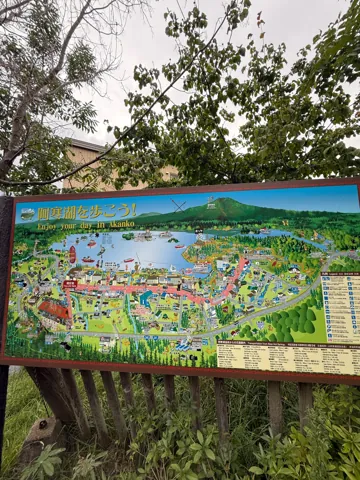
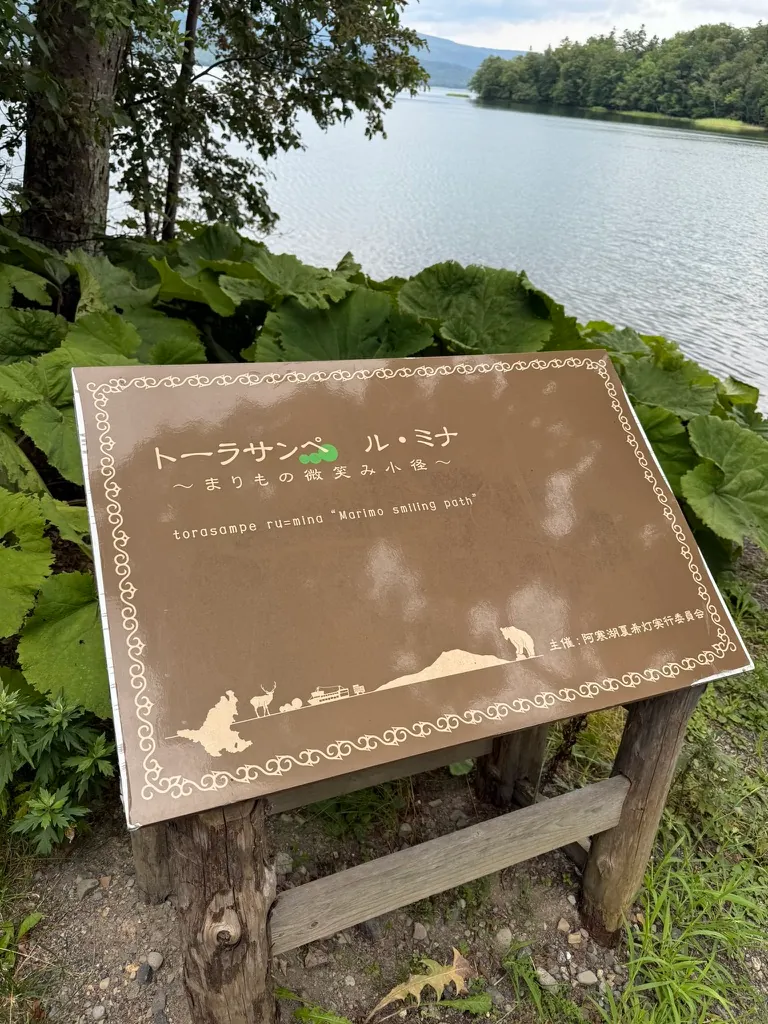
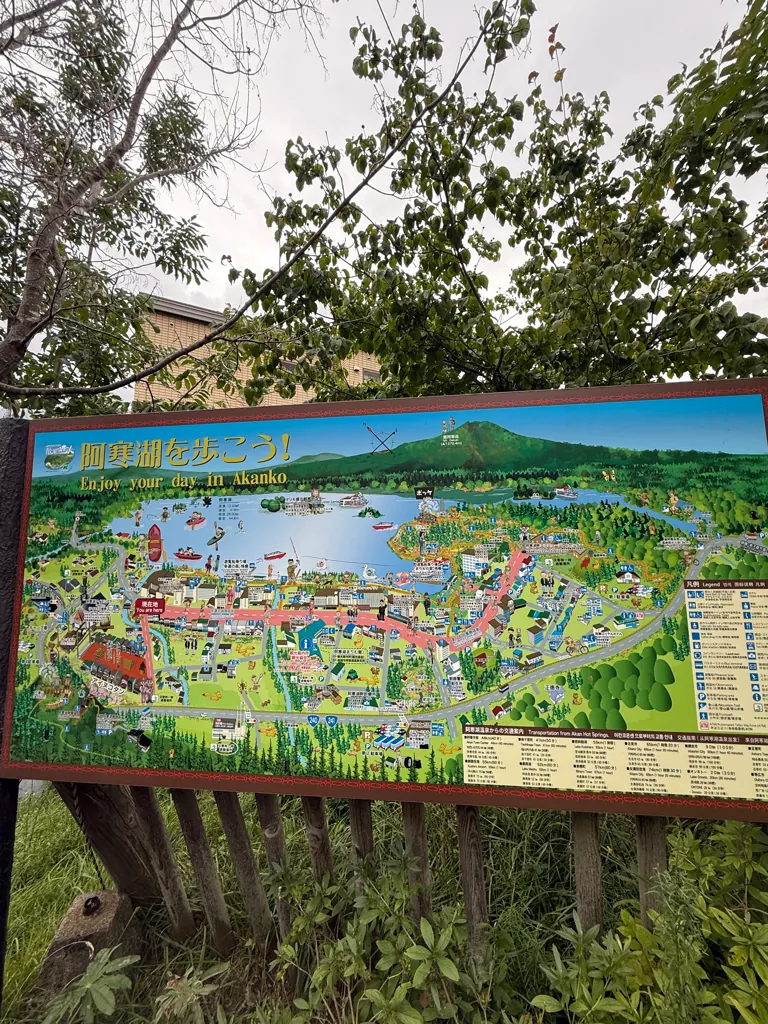
- Lake Akan (阿寒湖) and marimo: a caldera lake of 13.25 km² in the Akan area of the city11. Its round marimo algae balls can grow to about 30 cm across4.
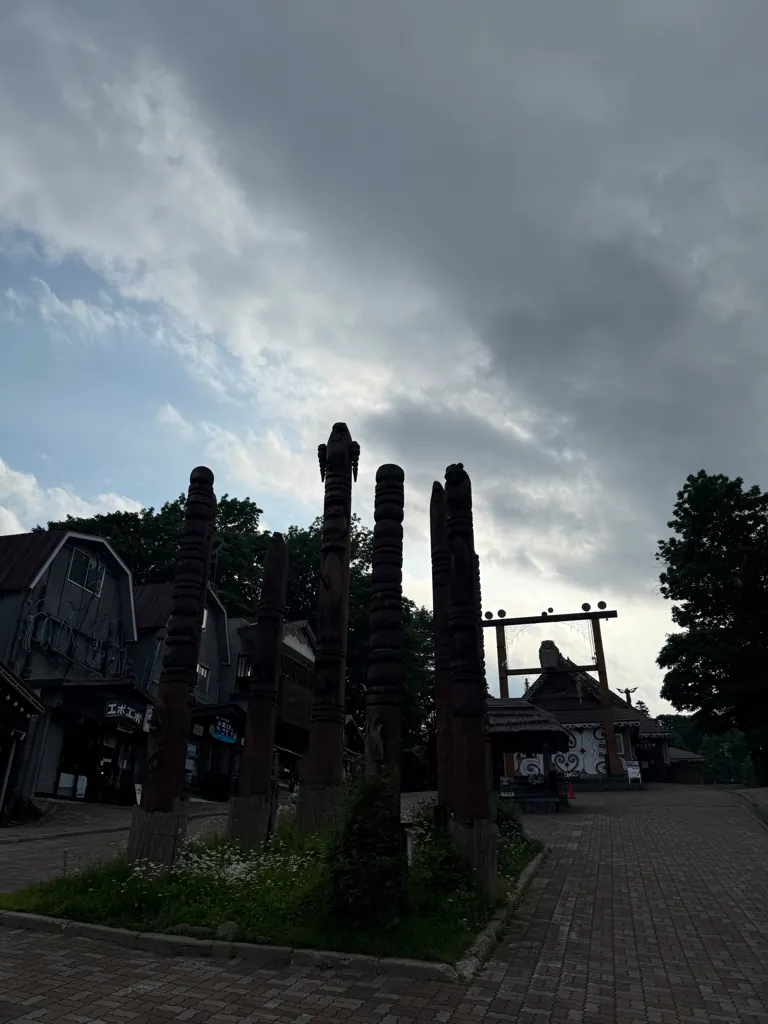
- Akan Ainu Kotan (阿寒湖アイヌコタン): an Ainu village of about 120 people, with craft shops and the Ikor theater (阿寒湖アイヌシアターイコㇿ)22.
- Japan's top fishing port: Kushiro Port landed the most fish in Japan in 2023 (189,416 t) and 2024 (173,659 t)2. In 2025 it was second23.
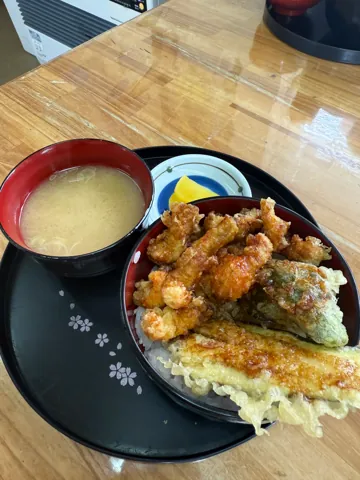
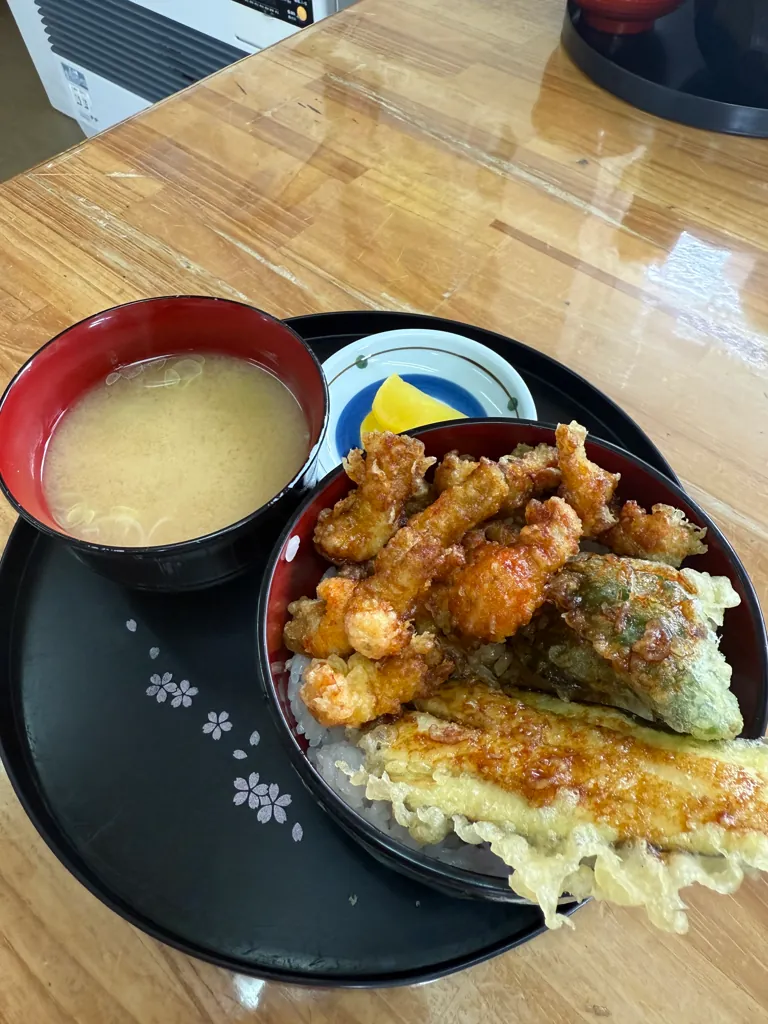
- Food that started here: Kushiro claims to be where robatayaki (炉端焼き, seafood grilled over coals) began. The kattedon (勝手丼), a rice bowl you top yourself at Washo Market, also comes from here24.
- Sunsets over Nusamai Bridge (幣舞橋): sailors who had travelled the world are said to have ranked them among the "world's three great sunsets," with Bali and Manila25.
- Japan's last underground coal mine: Kushiro Coal Mine (釧路コールマイン) is the only company in Japan still mining coal underground. The city calls it the country's only operating colliery126.
Sights & activities
Nature & scenery
- Kushiro City Marsh Observatory (釧路市湿原展望台), Hokuto 6-11. Open 8:30–18:00 from April to September and 9:00–17:00 from October to March. Admission is ¥480. A 2.5 km boardwalk loop leads to a satellite viewpoint62.
- Lake Akan: boat trips on the lake. Akanko Onsen town. Hikes up Mt. Oakan, which opens each June56.
- Nusamai Bridge (幣舞橋): the fifth bridge on this site opened in 1976. Its "Four Seasons of East Hokkaido" statues were added in 197719. The bridge is the closest sunset spot to the station, and Kushiro Cape Lighthouse is about 20 minutes' walk away25.
- Harutori Lake: a city lake that is a natural monument for its red crucian carp. A water festival with fireworks over the lake is held in late August3156.
Cranes
- Kushiro City Tancho-zuru Natural Park (釧路市丹頂鶴自然公園): opened in 1958 with five cranes15. You can see cranes all year, and chicks in May–June21.
- Akan International Crane Center GRUS: Kamiakan 23-40, opened in 19966333. Winter feeding at its annex draws wild cranes64. Feeding in Akan began when a local farmer, the late Yamazaki Sadajirō (山崎定次郎), found cranes in his field one snowy morning and began scattering corn for them63.
- Kushiro Zoo (釧路市動物園): Akan-chō Shimo-Niniushibetsu. Open 9:30–16:30 from 10 April to 14 October. Winter hours are shorter, and the zoo closes on Wednesdays in December–February. Admission is ¥580; children of junior-high age and under get in free6566.
Onsen
- Akanko Onsen: the hot-spring town on the lake shore, next to the Ainu kotan22.
- Akai Beret (赤いベレー): a sodium-chloride spring at the Michi-no-Eki, open 10:00–22:00 for ¥56067.
- Yamabana Onsen Refre (山花温泉リフレ): about 40 minutes by car from the station. It sells combined tickets with the zoo5666.
Museums & heritage
- Hokuto Site Historical Plaza: has reconstructed Satsumon pit houses. Its exhibition hall opens April–November, 10:00–16:00, and is closed Mondays30.
- Kushiro City Museum: local history and natural history59.
- Kushiro Marsh Art Museum (釧路湿原美術館): works by Sasaki Eishō, the "painter of the marsh"64.
- Coal Mine and Railway Museum (炭砿と鉄道館): at the Michi-no-Eki, with a steam locomotive. Open May–September, free68.
- Shitsugen 55 Pass: ¥1,030 for five days' entry to the observatory, zoo, crane park, crane center and museum. Paid separately, these cost ¥2,50059.
Outdoor & seasonal
- Kushiro Shitsugen Norokko (くしろ湿原ノロッコ号): a slow observation train on the Senmō Line between Kushiro and Tōro, about an hour each way. It runs at set times from late April to early October5657.
- Kamuy Lumina (カムイルミナ): a night walk in the Lake Akan forest, with digital effects based on Ainu stories, 26 May–3 November 202656.
- Winter on the lake: smelt fishing on the ice and snowmobiling on frozen Lake Akan (Ice Land Akan)56.
Food experiences
Roadside stations (Michi-no-Eki)
Akan Tancho no Sato (道の駅阿寒丹頂の里)
- Location: Kamiakan 23-sen 36-1, Akan-chō, Kushiro, on National Route 240, the "Marimo Highway" (マリモ国道). Akan-Mashū National Park lies to the north and the Kushiro Marsh to the east. The Akan International Crane Center is nearby64.
- Hours: 9:00–18:00 from May to September and 9:00–17:00 from October to April. Open all year, but it closes for maintenance with notice. The restaurant serves 11:00–14:30 and 17:00–20:3064. From October the restaurant's evening service is for hotel guests and takeout only43. As of September 2026 — check before visiting.
- Shops & products: the Akan Marché (阿寒マルシェ) local-products shop sells Kushiro-area meat, seafood, vegetables and sweets6964.
- Food: Restaurant Tsuru (レストラン鶴), in the Akai Beret hotel, serves local Akan Momiji venison, Akan Pork and Akan Malt Beef. The takeout corner has Ezo deer burgers and soft-serve ice cream4364.
- Facilities:
- Parking for 251 cars and 19 large vehicles64.
- Information center (Crane's Terrace, opened November 2016) with a tourist concierge64.
- Wi-Fi, accessible and ostomate toilets, nursing room, dog run and park64.
- Akai Beret hot-spring hotel: day bathing 10:00–22:00, ¥56067.
- Campground (late April–October): tents ¥1,000 plus ¥1,500 per car, bungalows from ¥6,05068.
- Barbecue area, park golf, Coal Mine and Railway Museum, Kushiro Marsh Art Museum6468.
- EV charging and 24-hour toilets were not confirmed.
- Notes: registered on 16 April 1996 as Hokkaido station No. 30. Stamps can be collected during opening hours. Mapcode 556 212 05864. The Akan Tancho no Sato Festival, with harvest markets and charcoal-grilled Akan Pork, is held here each September56. Other stations in the region include Shiranuka Koitoi-kan in Shiranuka, Akkeshi Gourmet Park in Akkeshi and Mashū Onsen in Teshikaga70.
Getting there & around
- Air: Tancho Kushiro Airport (たんちょう釧路空港) is about 22 km northwest of the center. It has flights to Tokyo Haneda (JAL, ANA, AIRDO), New Chitose (ANA) and Sapporo Okadama (JAL)34. It took the name "Tancho" in 2006 and has had a CAT-III landing system for fog since 199534. Flights take about 1 hour 40 minutes from Haneda and 45 minutes from New Chitose1. Buses take about 60 minutes from the airport to Lake Akan56.
- Rail: JR Kushiro Station, on the Nemuro Main Line, is about 4 hours from Sapporo. It is 3 hours 30 minutes from Abashiri via the Senmō Line and about 2 hours 30 minutes from Nemuro1. Onbetsu Station serves the Onbetsu area56.
- Road: Sapporo is about 4 hours 7 minutes away on the Dōtō Expressway1, which now reaches Kushiro-nishi IC36. National Route 240 runs north through Akan to Lake Akan64.
- Bus: intercity buses take about 5 hours from Sapporo and 3 hours from Kitami or Nemuro1. Buses from Kushiro Station take about 120 minutes to Lake Akan, 70 minutes to the crane center and 50 minutes to the zoo56.
- Sea: cruise ships call at Kushiro Port. The Westerdam, for example, was scheduled to call on 24 September 2026 (7:00–17:00)71.
Practical tips
- Best seasons:
- Summer is cool, with August highs averaging 21.5 °C. The city promotes itself as a place for long summer stays401. Expect fog and pack a layer.
- Autumn brings clear skies, good sunsets and the Marimo Festival156.
- Winter (November–March) is dry and sunny, the best time to watch cranes and the season for ice activities on Lake Akan2140.
- Tourist information:
- Winter trains: in FY2025, winter JR cancellations caused by natural disasters cut visitor numbers44. Check train operations and road conditions in winter.
- Wildlife and safety: the Akan and marsh roads cross forest and farmland. Watch for Ezo deer, especially at dusk. As in other Hokkaido forests, brown bears may be present in the mountains around Lake Akan, so follow the notices at trailheads. Stay on the boardwalks in the protected marsh.
- At the port: watch the catch being landed only from the 5th-floor deck of the Kushiro Fisheries Center, not from the quay2.
Photos
-
 Aug 2025
 -
 Jul 2025
 -
 Aug 2025
 -
 Aug 2025
 -
 Aug 2025
More about Kushiro
At a glance
| Field | Details |
|---|---|
| Type | City (市). Seat of the Kushiro General Subprefectural Bureau, which sits at Urami 2-chome in the city5 |
| Subprefecture | Kushiro (釧路総合振興局) |
| District | None (cities belong to no district). The core city grew out of Kushiro District (釧路郡) of Kushiro Province. The Akan area was Akan District (阿寒郡), and the Onbetsu area was part of Shiranuka District (白糠郡)67 |
| Population | 165,077 at the 2020 Census (77,506 men, 87,571 women), in 80,349 households. By area: Kushiro 159,011, Akan 4,390, Onbetsu 1,6768. The preliminary 2025 Census count was 151,326, down 8.3%, sixth in Hokkaido9. The resident register showed 149,777 people (1,776 of them foreign residents) in 90,376 households on 31 August 2026, down 2,563 in a year10 |
| Area | 1,363.26 km² (GSI, 1 April 2026)11. The 2020 Census page uses the 2020 GSI figure of 1,363.29 km². It splits the city into Kushiro 221.61 km², Akan 739.37 km² and Onbetsu 401.4 km² (2000 values)8. Onbetsu is an exclave: Shiranuka Town lies between it and the rest of the city12 |
| Density | About 110 people/km² (August 2026 register). It was 121.1/km² at the 2020 Census8 |
| Municipal history | Kushiro Town (釧路町) was created on 1 July 1900 under Hokkaido's first-class town system13. It became Kushiro Ward (釧路区) on 1 July 1920, after splitting off Kushiro Village14. It became a city on 1 August 192214. It absorbed Tottori Town and part of Shiranuka Village on 10 October 194915. On 11 October 2005 it merged with Akan Town (阿寒町, a town since 1957) and Onbetsu Town (音別町, a town since 1959) to form the present city1 |
| Neighboring municipalities | Kushiro Subprefecture: Shiranuka, Tsurui, Kushiro Town, Teshikaga. Tokachi: Ashoro, Urahoro. Okhotsk: Tsubetsu12 |
| Symbols | Three flowers: nasturtium (キンレンカ), lily of the valley (スズラン) and Ezo gentian (エゾリンドウ). Three trees: Japanese tree lilac (ハシドイ), Sargent cherry (エゾヤマザクラ) and rowan (ナナカマド). No city bird is listed1. The flowers and trees were adopted on 11 October 2006, the first anniversary of the merger16. In the emblem, the outer star is the North Star and the inner ring is a bracelet (釧, kushiro)1 |
| Mascot | No official city mascot was found in city sources. The commercial marimo character Marimokkori (まりもっこり) is a widely sold souvenir. It even got an official song, released nationwide in 200817 |
| Official website | https://www.city.kushiro.lg.jp/ |
Name origin
The name comes from the Ainu place name Kusuri (クスリ). A Dutch account of the ship Castricum, which anchored at Akkeshi in 1643, is considered the first written record of the name. A shogunate map of 1644 also shows it27. The Meiji government fixed the names Kushiro Province and Kushiro District on the 15th day of the 8th month of Meiji 2 (1869, old lunar calendar)6. The kanji 釧 means "bracelet," which is the image on the city emblem1.
The Hokkaido Government's Ainu place-name list rates the meaning as uncertain (level C) and records the theories below28.
- kus-ru ("crossing path"). The route from here led over to the Shibetsu coast or Shari. Matsuura Takeshirō also noted that Ainu often travelled from here to Shari and Nemuro.
- kusuri ("medicine"). There were hot springs upstream, and medicinal water flowed down the river.
- ci-kus-ru ("the road we pass along"). This was the name of the trail to Abashiri.
- kutcaro ("throat," the outlet of a lake). A large Ainu village stood at the outlet of Lake Kussharo, the source of the Kushiro River. In this theory, the Matsumae Domain moved its people to present-day Kushiro in 1635 and named the trading post Kusuri (久寿里), a corruption of kutcaro.
- kus-pet ("a river you can pass through"). The list quotes the city's own explanation: rivers were once the main routes to Akkeshi, Nemuro, Tokachi and Abashiri. Another theory in the list is kus-sir ("the mountain across the river").
The merged areas have their own names. Akan comes from the Ainu akan, which is said to mean "unmoving," as in Mt. Oakan and Mt. Meakan29. Onbetsu comes from o-mu-pet, "the river whose mouth gets blocked"7.
History
- Prehistory: people lived continuously at the Hokuto Site (北斗遺跡), on the western edge of the marsh, from about 13,000 BCE to the 13th century CE. The site has 102 pit-dwelling hollows from the Jōmon and Epi-Jōmon periods and 232 from the Satsumon period30. It is one of four national historic sites in the city. The others are the Harutori Plateau pit dwellings (1935), the Higashi-Kushiro Shell Mound (1970), and the Moshiriya and Harutori-Charanke chashi (Ainu fort) sites (2015)31.
- Edo period: the Kusuri trading post (久寿里場所) traded with the Ainu. The Shakushain uprising of 1669 reached it too, and a Matsumae ship was attacked there27. Kelp harvesting began in 1786. By 1791 the post produced about 8,000 da (pack-horse loads) of kelp a year27. In 1805 the merchant Yoneya Magobei became the post's contractor and built Itsukushima Shrine (厳島神社)27. Inō Tadataka surveyed the area in 1800. Matsuura Takeshirō visited three times; on the third trip, in 1858, he explored Akan and wrote the Kusuri Nisshi (久摺日誌)27.
- Meiji settlement: a local headman's office (釧路戸長役場) opened in Komemachi (米町) on 15 July 18806. Former samurai (shizoku) from Tottori Prefecture founded Tottori Village (鳥取村) on the Akan River's west bank. The first group of 41 households (207 people) arrived on 9 June 1884, and a second group of 64 households (306 people) came in May 18856. In February 1887 Yasuda Zennosuke acquired the Harutori coal mine and the Atosanupuri sulfur mine. A railway from Shibecha to the sulfur mine opened that November6. Kushiro Port opened to foreign trade on 4 August 189913. The first Kushiro Station opened with the Kushiro–Shiranuka railway on 20 July 190113. The poet Ishikawa Takuboku came as a newspaper reporter on 21 January 1908 and stayed 76 days13.
- Coal, paper and fish: Taiheiyo Coal Mining (太平洋炭礦) was founded on 22 April 1920. In the same year, Fuji Paper opened a mill in Tottori Village14. Fishing grew from kelp gathering into a base for the North Pacific fleets. From the mid-1960s North Pacific fishing and then sardines made Kushiro Japan's top port by catch for 1969–1977 and again for 1979–1991. The record year was 1987, with 1.33 million t32. The 200-nautical-mile limits of 1977 and the sardine collapse of 1992 ended that era32.
- War and earthquakes: US carrier aircraft bombed the area on 14–15 July 1945, killing 193 people in the city15. The Tokachi-oki earthquake of 4 March 1952 brought a 2.2 m tsunami at Chiyonoura15. The Kushiro-oki earthquake of 15 January 1993 (JMA intensity 6, M7.8 per the city chronology) killed one person and injured 439 in the city33.
- The Akan and Onbetsu mines: in 1906 Maeda Masana (前田正名) took over the land around Lake Akan. His family later protected its forests29. Coal shaped both outer towns. The Yūbetsu mine in Akan had over 3,000 workers at its peak, and its area once held more than 12,000 people. The Shakubetsu mine in Onbetsu opened in 1918. Both mines closed in 1970297. Onbetsu's population then fell by half from about 8,000, and the town set out to attract factories such as the Otsuka Pharmaceutical Factory7.
- Late 20th century: Kushiro Airport opened in July 196134. Fisherman's Wharf MOO opened in 198933. On 30 January 2002, Taiheiyo Coal closed after 82 years, and the new company Kushiro Coal Mine took over the mine35.
- Merger and recent years: Kushiro, Akan and Onbetsu merged on 11 October 20051. The Ikor theater opened at Lake Akan in April 201217. The Nippon Paper Kushiro mill had started in 1920 as Fuji Paper's mill. It stopped making paper in August 2021 and closed on 30 September 202136. In February 2023 the population dropped below 160,000 for the first time in 61 years36. The Akan IC–Kushiro-nishi IC section of the Dōtō Expressway opened in December 202436.
Geography & climate
Kushiro sits on the Pacific coast of eastern Hokkaido. The city gives its position as 42°58′10″N, 144°22′24″E1. The city has three separate parts:
- Kushiro proper, on the coast around the mouth of the Kushiro River, with the Kushiro Marsh spreading inland to the north.
- Akan, stretching inland to Lake Akan and the volcanoes Mt. Meakan (雌阿寒岳, 1,499 m) and Mt. Oakan (雄阿寒岳, 1,371 m)29.
- Onbetsu, a coastal exclave to the west, running 31.1 km north–south between the Pashikuru and Chokubetsu rivers7.
Protected areas
- Kushiro-shitsugen National Park (釧路湿原国立公園): designated on 31 July 1987 and covering 28,788 ha. It spans Kushiro City, Kushiro Town, Shibecha Town and Tsurui Village20. The marsh was sea about 6,000 years ago3. The marsh became a Natural Monument on 6 July 19673137. On 17 June 1980 an area of 5,012 ha was listed under the Ramsar Convention19.
- Akan-Mashū National Park (阿寒摩周国立公園): designated on 4 December 1934 and covering 91,413 ha38. Lake Akan lies in a caldera created by volcanic activity about 150,000 years ago, and the area is ringed by forests of Ezo spruce, Todo fir and Erman's birch (ダケカンバ)3. The lake is 13.25 km² in area11. Wikipedia gives a maximum depth of 45 m, while the former Akan Town's profile gives 38 m. The lake was listed as a Ramsar site in 20053929.
- Other natural monuments: Harutori Lake (春採湖), in the city, is a national natural monument as a habitat of the red crucian carp (hibuna). City-designated monuments include sandstone dikes and the tussock sedge mounds called yachibōzu (谷地坊主)31.
Climate. At the Kushiro weather station, the 1991–2020 normals are an annual mean of 6.7 °C, a January mean of −4.8 °C and an August mean of 18.2 °C, with average August highs of only 21.5 °C40. Summer brings sea fog: July averages about 16 fog days, and the year about 9740. Winters are dry and sunny. Annual sunshine is 1,957.6 hours, snowfall totals only 127 cm, and the deepest snow averages 34 cm40. The record high is 33.5 °C (31 July 2022) and the record low is −28.3 °C (28 January 1922)41. The city says inland areas can pass 30 °C in summer while the coast seldom reaches 25 °C1.
Economy & industry
- Fisheries: in 2025 Kushiro Port landed 130,577 t, worth ¥9.44 billion. That made it second in Japan by volume and 16th by value23. Purse-seine fishing brought in 105,486 t. The saury (sanma) catch recovered to 1,939 t from 274 t the year before23. In 2024 sardines made up more than 80% of the catch. They are used for fishmeal (for fertilizer and fish feed), sold fresh or canned. Pollock (for surimi and roe) and Pacific cod are also important2. The city also stocks and farms shishamo smelt, sailfin sandfish and sea urchins32.
- Port and logistics: Kushiro Port opened in 1899 and was named a Major Port in 195142. In 2011 the government chose it as an International Bulk Strategic Port for grain. Eastern Hokkaido keeps about half of Japan's dairy cows, and Kushiro is the nearest grain-import port to North America. Deep-water berths for large bulk ships were finished in 2018, the first of their kind in Japan42. A container route to Busan began in 200242.
- Coal, paper and manufacturing: the city's official profile lists large food and pharmaceutical plants, paper mills and "the only operating colliery in Japan" as its industrial core1. Nippon Paper's Kushiro mill, open since 1920, closed in 202136. Onbetsu attracted plants such as the Otsuka Pharmaceutical Factory and Otsuka Foods after its coal mine closed7.
- Farming and forestry: dairy is the main farm business, and the city also has large forests1. Akan brands include Akan Malt Beef (阿寒モルト牛) and Akan Pork (阿寒ポーク)43.
- Tourism: 4,450,090 visitors came in FY2025, down 2.4%. Overnight stays totalled 1,295,36744. The Akan area drew 1,118,857 visitors. Visitors from outside Hokkaido rose 3.1%, helped by the new expressway section and more flights. Foreign overnight stays grew 4.8% to about 154,000, led by Taiwan (70,652)44. The total is still 16% below FY2018 (5.30 million)44.
- Furusato nozei: FY2025 donations reached 115,854 gifts worth ¥2.45 billion45.
- Population trend: the population fell 5.5% between the 2015 and 2020 censuses and 8.3% between 2020 and 202589. In 2020 Obihiro overtook Kushiro on the resident register, and Kushiro fell to sixth place in Hokkaido36.
Local specialties
| Specialty | Category | Details & where to get it |
|---|---|---|
| Robatayaki (炉ばた焼き) | Dish | Kushiro is said to be where seafood robata grilling began. Ganpeki Robata (岸壁炉ばた), beside MOO on the river since 199533, lets you grill your own seafood outdoors, May–October, 17:00–21:00. Rōbata Uroko (ろばた 鱗, founded 1975) is one of the long-running restaurants46 |
| Kattedon (勝手丼) | Dish | At Washo Market (釧路和商市場), near Kushiro Station, you buy rice and then pick toppings from the fish stalls. It started as a cheap meal for touring motorcyclists24. The market is open Mon–Sat 8:00–17:00 and closed on Sundays except announced days47 |
| Kushiro soba (釧路そば) | Dish | Green buckwheat noodles: white sarashina soba mixed with chlorella. Chikurōen Azumaya Sōhonten (竹老園東家総本店), whose recipe has been handed down since 1874, is credited with the green soba and also serves soba-zushi (soba rolled in nori like sushi)24 |
| Zangi (ザンギ) | Dish | Hokkaido-style fried chicken. Torimatsu (鳥松) in the Suehiro nightlife district is said to be where it began. It serves bone-in pieces with a Worcestershire-like dipping sauce48 |
| Spakatsu (スパカツ) | Dish | Meat-sauce spaghetti topped with a pork cutlet, served on a sizzling iron plate. It comes from the Western-style restaurant Izumiya (泉屋), founded in 196049 |
| Kushiro ramen (釧路ラーメン) | Dish | A light soy broth made with bonito stock, and very thin, curly noodles. Often called Hokkaido's "fourth ramen" after Sapporo, Hakodate and Asahikawa50 |
| Sanmanma (さんまんま) | Seafood | Rice wrapped in a boned saury, basted with soy sauce and grilled over charcoal. Sold fresh or frozen24 |
| Kushiro seafood | Seafood | Hairy crab, saury, salmon, shishamo and mackerel. Processed goods include rice-bran-cured saury and pickled salted squid51. The city brands its local fish as "Kushiro Pride Sengyo" (くしろプライド釧魚)2 |
| Akan Malt Beef, Akan Pork, Akan Momiji venison | Meat | Local meat brands, served at the Michi-no-Eki restaurant43. Nagamura Farm's Akan Malt Beef sirloin won the meat prize in the city's 2025 furusato nozei awards52 |
| Lake Akan fish | Freshwater fish | Kokanee salmon (ヒメマス), which are native to the lake, and pond smelt (ワカサギ), often sold as sweet-simmered tsukudani242951 |
| Fukutsukasa (福司) | Sake | Kushiro's local sake brewery, founded in 19191751 |
| Marimo yōkan & Fukushi cake | Sweets | Marimo yōkan (まりもようかん) and marimo pudding from Hokkai Marimo Seika. Fukushi cake (福司ケーキ) from Kushiro Kashidokoro Nakajima. The chocolate-soaked rusk Kujirasuku (クジラスク), named for Kushiro's past as a whaling base, from Patisserie Korune (パティスリー コルネ)53 |
| Onbetsu butterbur (音別の蕗) | Crop / craft | Giant fuki grow more than 2 m tall along the Muri River. Their peel is used for fukigami (富貴紙), which the city says is the only paper in the world made from butterbur. It has been handmade since 1991, with a pause from 2006 to 201654. Onbetsu also grows Jerusalem artichoke (菊芋) and sells "Kono Machi Aisu" ice cream in a butterbur flavor55 |
| Furusato nozei top gifts | Gifts | 2025 award winners: salmon roe in soy sauce (Marusa Sasatani Shōten), frozen scallops (Marua Abe Shōten), lightly salted wild sockeye (Ōtake Oroshiuri Center), Akan Malt Beef, and a seafood gratin set from Café Restaurant Pont Neuf52 |
Culture & festivals
| Event | When | Highlights |
|---|---|---|
| Kushiro Tulip & Flower Fair (釧路チューリップ&花フェア) | Late May (24 May 2026) | Tsurugadai Park. Stage events and tent market. 18,600 visitors in FY202556 |
| Kapachep Nomi kokanee festival (阿寒湖原産「ヒメマス祭」) | Late June (27 June 2026) | Held by the Akan Ainu Association. Traditional kokanee fishing from a dugout canoe, prayers to the kokanee and the kamuy, ancestor rites and dance56 |
| Kita-no-Venus Fuki Festival (北のビーナス蕗まつり) | June (21 June 2026) | Onbetsu. Fresh butterbur sale, local performing arts and a "thousand-person pot" of butterbur soup56 |
| Itsukushima Shrine Grand Festival – Kushiro Matsuri (厳島神社例大祭) | 10–12 July | Portable-shrine parades through the city and about 80 stalls on the quay56 |
| Kushiro Fog Festival (くしろ霧フェスティバル) | Late July (24–26 July 2026) | Laser shows and stage events at Saiwai-chō green space. About 24,000 visitors in FY202556 |
| Kushiro Port Festival (くしろ港まつり) | Early August (7–9 August 2026, 79th) | Citizens' dance and music parades, YOSAKOI, and fireworks. About 38,000 visitors in FY202556 |
| Kushiro Citizens' Hokkai Bon Odori (くしろ市民北海盆踊り) | Mid-August (19 August 2026) | Costume and dance contests on Kita-ōdōri56 |
| Kushiro Tairyō Donpaku (釧路大漁どんぱく) | Mid-September (12–13 September 2026) | A food fair plus fireworks at the Kushiro River mouth. The organizers bill its 3-shaku shell, which bursts about 600 m wide, as Hokkaido's largest. 96,000 visitors in FY20255657 |
| Tottori Shrine Festival and women's sumo (鳥取神社例大祭) | Mid-September | Portable shrines tour the old Tottori district. An international women's sumo tournament is held in the shrine grounds56 |
| Marimo Festival (まりも祭り) | Early October (8–10 October 2026, 77th) | At Lake Akan and the Ainu kotan. Ceremonies to welcome, protect and return the marimo, a torch parade and marimo dances56. First held in 195015 |
| Kushiro Whale Festival (くじら祭り) | Early November | Restaurants serve limited whale dishes. Kushiro hosts the National Whale Forum in November 202656 |
| Kushiro Winter Festival (くしろ冬まつり) & Winter Park | Late January–early February | Winter Park has a skating trail of natural ice. The festival follows in early February56 |
| ICE・愛す・阿寒 and Ice Land Akan (あいすランド阿寒) | January–March | On frozen Lake Akan: ice fishing for smelt, snowmobiles, and fireworks every night in February56 |
Traditions and performing arts. In 1940, descendants of the Tottori settlers first dedicated the Kushiro Tottori Kirin Shishimai (釧路鳥取きりん獅子舞), a lion dance from the Inaba region of Tottori, at Tottori Shrine. It was designated a Hokkaido intangible folk cultural property in 20203158. The city also keeps Kinooka Kagura (紀ノ丘神楽) shrine dance and an Enkū Buddhist statue that is a Hokkaido cultural property31. Ishikawa Takuboku's stay is remembered each winter with the Takuboku Yukiakari (啄木・雪あかりの町・くしろ) ice-candle event near the Kōbunkan (港文館)5613.
Shrines. Itsukushima Shrine dates from 180527. Tottori Shrine (鳥取神社), the shrine of the former Tottori Village, moved into a newly built shrine hall there in 189913.
Museums. Kushiro City Museum (釧路市立博物館) is at Shunkodai 1-7. It opens 9:30–17:00, is closed Mondays, and costs ¥480 for adults59. The fisheries museum Marine Topos Kushiro (マリン・トポスくしろ) is on the 3rd floor of the Kushiro Fisheries Center, and a 5th-floor deck there looks over the landing quay2.
Ainu heritage
- Place names and history: the city takes its name from the Ainu Kusuri28. In 1853 the Kusuri trading post counted 1,298 Ainu residents27. In 1885, 137 Ainu from Moshiriya in Kushiro were relocated to Setsuri, in what is now Tsurui Village29. The city chronology gives 1386.
- Chashi forts: the Moshiriya chashi and the Harutori-Charanke chashi are national historic sites, listed together as the Kushiro River chashi sites31.
- Akan Ainu Kotan: the village grew after Maeda Mitsuko, head of the Maeda Ippoen estate, provided her private land free of charge so that Ainu from across Hokkaido could settle and make a living there60. It has craft shops, restaurants, a museum and galleries60.
- Ikor theater: Akan Ainu Theater Ikor (opened April 2012) stages traditional dance. Ainu traditional dance is a nationally designated Important Intangible Folk Cultural Property (1984)1731. From May to October there are shows at 11:00, 13:30 and 20:00, and in winter at 20:00 only. Shows last 30 minutes and cost ¥1,500 for adults, with no booking needed61. The theater also stages the production Lost Kamuy (阿寒ユーカラ ロストカムイ)22.
- Living traditions: besides the Marimo Festival and the Kapachep Nomi kokanee rite at Lake Akan56, the Kushiro Ainu Association rebuilt its Harutori Seikatsukan community center in 202336.
- Onbetsu: Onbetsu has a legend of the Korpokkur, the little people under the butterbur leaves. The city thinks it was set around Muri (霧里)54.
Sister & friendship cities
- Burnaby, British Columbia, Canada: sister city, 9 September 19651
- Kholmsk, Sakhalin, Russia: sister city, 27 August 19751
- Port of Seward, Alaska, USA: sister port, 1982. Port of New Orleans, USA: sister port, 19841
- Hunter Estuary Wetlands, Australia: sister wetland, 19941
- Petropavlovsk-Kamchatsky, Russia: port-town friendship city, 19981
- Yuzawa (Akita) and Tottori (Tottori): sister cities, 4 October 19631
- Okayama (Okayama): tourism exchange city, 19791
- Izumi (Kagoshima), 1989; Tsuru (Yamanashi), 1992; Naka (Tokushima), 2006; Matsushige (Tokushima), 2023: friendship cities1
Notable people
- Akira Ifukube (伊福部昭): composer of the Godzilla score and creator of the monster's roar, born in Kushiro on 31 May 191472.
- Sakuragi Shino (桜木紫乃): Kushiro-born novelist. She won the 149th Naoki Prize for Hotel Royal, set at her family's hotel overlooking the marsh73.
- Obata Yuki (小畑友紀): Kushiro-born manga artist. Her Bokura ga Ita, set in Kushiro, was filmed in 201273.
- Ishikawa Takuboku (石川啄木): poet. He was not born here, but he worked for the Kushiro Shimbun for 76 days in 190813.
- Maeda Masana (前田正名): acquired the land around Lake Akan in 1906. His family estate, Maeda Ippoen, went on to protect the lake's forests29.
Sources
Numbers in the text link to these sources. Figures as of 23 September 2026
- 釧路市のあらまし — Kushiro City (釧路市) JA accessed 2026-09-23
- 水揚げ日本一 釧路港 — Kushiro City (釧路市) JA accessed 2026-09-23
- 釧路だけ!異なる生態系を持つ2つの国立公園 — Kushiro Tourism & Convention Association / Akan Tourism Association (釧路・阿寒湖観光公式サイト) JA accessed 2026-09-23
- 釧路市ってこんなところ — Kushiro Tourism & Convention Association / Akan Tourism Association (釧路・阿寒湖観光公式サイト) JA accessed 2026-09-23
- 北海道釧路総合振興局のホームページ — Hokkaido Government, Kushiro General Subprefectural Bureau JA accessed 2026-09-23
- 釧路市統合年表 年表2:明治元年~明治26年 — Kushiro City (釧路市) JA accessed 2026-09-23
- 旧音別町の概要 — Kushiro City (釧路市) JA accessed 2026-09-23
- 令和2年国勢調査結果 — Kushiro City (釧路市) JA accessed 2026-09-23
- 令和7年国勢調査速報 北海道の人口・世帯数 — Hokkaido Government, Statistics Division JA accessed 2026-09-23
- 住民基本台帳人口 — Kushiro City (釧路市) JA accessed 2026-09-23
- 令和8年全国都道府県市区町村別面積調(4月1日時点) — Geospatial Information Authority of Japan (国土地理院) JA accessed 2026-09-23
- 釧路市 — Wikipedia JA accessed 2026-09-23
- 釧路市統合年表 年表3:明治27年~明治44年 — Kushiro City (釧路市) JA accessed 2026-09-23
- 釧路市統合年表 年表4:大正元年~大正14年 — Kushiro City (釧路市) JA accessed 2026-09-23
- 釧路市統合年表 年表6:昭和20年~昭和34年 — Kushiro City (釧路市) JA accessed 2026-09-23
- 釧路市の歌、花・木、市民憲章 — Kushiro City (釧路市) JA accessed 2026-09-23
- 釧路市平成年表 — Kushiro City (釧路市) JA accessed 2026-09-23
- 釧路湿原 — Wikipedia JA accessed 2026-09-23
- 釧路市統合年表 年表8:昭和50年~昭和63年 — Kushiro City (釧路市) JA accessed 2026-09-23
- 概要・計画書_釧路湿原国立公園 — Ministry of the Environment (環境省) JA accessed 2026-09-23
- 湿原の神・タンチョウ、ベスト観察スポット — Kushiro Tourism & Convention Association / Akan Tourism Association (釧路・阿寒湖観光公式サイト) JA accessed 2026-09-23
- 阿寒湖アイヌコタン — Akan Ainu Kotan (阿寒湖アイヌコタン) JA accessed 2026-09-23
- 令和7年概況(「釧路市の水産」統計資料) — Kushiro City (釧路市) JA accessed 2026-09-23
- 釧路発祥の料理続々!絶対食べたいご当地グルメ — Kushiro Tourism & Convention Association / Akan Tourism Association (釧路・阿寒湖観光公式サイト) JA accessed 2026-09-23
- 夕焼けと絵になる写真を撮る!夕方から夜にかけてのモデルコース — Kushiro Tourism & Convention Association / Akan Tourism Association (釧路・阿寒湖観光公式サイト) JA accessed 2026-09-23
- 釧路コールマイン — Wikipedia JA accessed 2026-09-23
- 釧路市統合年表 年表1:近世 — Kushiro City (釧路市) JA accessed 2026-09-23
- アイヌ語地名リスト キト~コム P41-50(Internet Archive copy) — Hokkaido Government, Ainu Policy Promotion Office (北海道環境生活部アイヌ政策推進室) JA accessed 2026-09-23
- 旧阿寒町の概要 — Kushiro City (釧路市) JA accessed 2026-09-23
- Hokuto Archaeological Site・北斗遺跡 — Kushiro City (釧路市) EN accessed 2026-09-23
- 釧路市の文化財 — Kushiro City Museum (釧路市立博物館) JA accessed 2026-09-23
- 水産業の歴史 — Kushiro City (釧路市) JA accessed 2026-09-23
- 釧路市統合年表 年表9:平成元年~平成9年 — Kushiro City (釧路市) JA accessed 2026-09-23
- たんちょう釧路空港 — Kushiro City (釧路市) JA accessed 2026-09-23
- 釧路市統合年表 年表10:平成10年~平成17年 — Kushiro City (釧路市) JA accessed 2026-09-23
- 2020~2024釧路市年表 — Kushiro City (釧路市) JA accessed 2026-09-23
- 釧路市統合年表 年表7:昭和35年~昭和49年 — Kushiro City (釧路市) JA accessed 2026-09-23
- 概要・計画書_阿寒摩周国立公園 — Ministry of the Environment (環境省) JA accessed 2026-09-23
- 阿寒湖 — Wikipedia JA accessed 2026-09-23
- 釧路 平年値(年・月ごとの値) — Japan Meteorological Agency (気象庁) JA accessed 2026-09-23
- 釧路 観測史上1~10位の値 — Japan Meteorological Agency (気象庁) JA accessed 2026-09-23
- 釧路港の概要 — Kushiro City (釧路市) JA accessed 2026-09-23
- 食事 | 道の駅 阿寒丹頂の里 — 道の駅 阿寒丹頂の里 JA accessed 2026-09-23
- 令和7年度釧路市観光入込客数 調査の結果(概要) — Kushiro City (釧路市) JA accessed 2026-09-23
- 令和7年度ふるさと納税 活用事業紹介 — Kushiro City (釧路市) JA accessed 2026-09-23
- 炉ばた焼き — Kushiro Tourism & Convention Association / Akan Tourism Association (釧路・阿寒湖観光公式サイト) JA accessed 2026-09-23
- よくある質問 — Kushiro Washo Market (釧路和商市場) JA accessed 2026-09-23
- ザンギ — Kushiro Tourism & Convention Association / Akan Tourism Association (釧路・阿寒湖観光公式サイト) JA accessed 2026-09-23
- スパカツ — Kushiro Tourism & Convention Association / Akan Tourism Association (釧路・阿寒湖観光公式サイト) JA accessed 2026-09-23
- 釧路ラーメン — Kushiro Tourism & Convention Association / Akan Tourism Association (釧路・阿寒湖観光公式サイト) JA accessed 2026-09-23
- 絶対買いたいお土産【グルメ編】 — Kushiro Tourism & Convention Association / Akan Tourism Association (釧路・阿寒湖観光公式サイト) JA accessed 2026-09-23
- 釧路市ふるさと納税大賞2025を決定しました! — Kushiro City (釧路市) JA accessed 2026-09-23
- 絶対買いたいお土産【スイーツ編】 — Kushiro Tourism & Convention Association / Akan Tourism Association (釧路・阿寒湖観光公式サイト) JA accessed 2026-09-23
- 蕗からつくられる手漉き和紙「富貴紙 ふきがみ」 — Kushiro City (釧路市) JA accessed 2026-09-23
- 音別の特産品 — Kushiro City (釧路市) JA accessed 2026-09-23
- 令和8年度釧路市イベント一覧 — Kushiro City Tourism Promotion Office (釧路市産業振興部観光振興室), via 釧路・阿寒湖観光公式サイト JA accessed 2026-09-23
- イベント — Kushiro Tourism & Convention Association / Akan Tourism Association (釧路・阿寒湖観光公式サイト) JA accessed 2026-09-23
- 「釧路鳥取きりん獅子舞」(北海道指定無形民俗文化財) — Kushiro City Museum (釧路市立博物館) JA accessed 2026-09-23
- ご利用案内(開館時間・休館日・入館料など) — Kushiro City Museum (釧路市立博物館) JA accessed 2026-09-23
- 阿寒湖アイヌコタンについて — Akan Ainu Kotan (阿寒湖アイヌコタン) JA accessed 2026-09-23
- アイヌ古式舞踊 — Akan Ainu Theater Ikor (阿寒湖アイヌシアターイコㇿ) JA accessed 2026-09-23
- 釧路市湿原展望台 — Kushiro Tourism & Convention Association / Akan Tourism Association (釧路・阿寒湖観光公式サイト) JA accessed 2026-09-23
- Home | aiccgrus — Akan International Crane Center GRUS (阿寒国際ツルセンター【グルス】) EN accessed 2026-09-23
- 阿寒丹頂の里 | 北の道の駅 — 北の道の駅 (official Hokkaido Michi-no-Eki site) JA accessed 2026-09-23
- 開園情報 — Kushiro Zoo (釧路市動物園) JA accessed 2026-09-23
- 入園料・遊園地料金 — Kushiro Zoo (釧路市動物園) JA accessed 2026-09-23
- 日帰り温泉 | 道の駅 阿寒丹頂の里 — 道の駅 阿寒丹頂の里 JA accessed 2026-09-23
- キャンプ | 道の駅 阿寒丹頂の里 — 道の駅 阿寒丹頂の里 JA accessed 2026-09-23
- 買い物 | 道の駅 阿寒丹頂の里 — 道の駅 阿寒丹頂の里 JA accessed 2026-09-23
- 住所等一覧 | 北の道の駅 — 北の道の駅 (official Hokkaido Michi-no-Eki site) JA accessed 2026-09-23
- クルーズ船寄港のお知らせ — Kushiro Tourism & Convention Association / Akan Tourism Association (釧路・阿寒湖観光公式サイト) JA accessed 2026-09-23
- Akira Ifukube — Wikipedia EN accessed 2026-09-23
- 釧路市観光大使 — Kushiro City (釧路市) JA accessed 2026-09-23