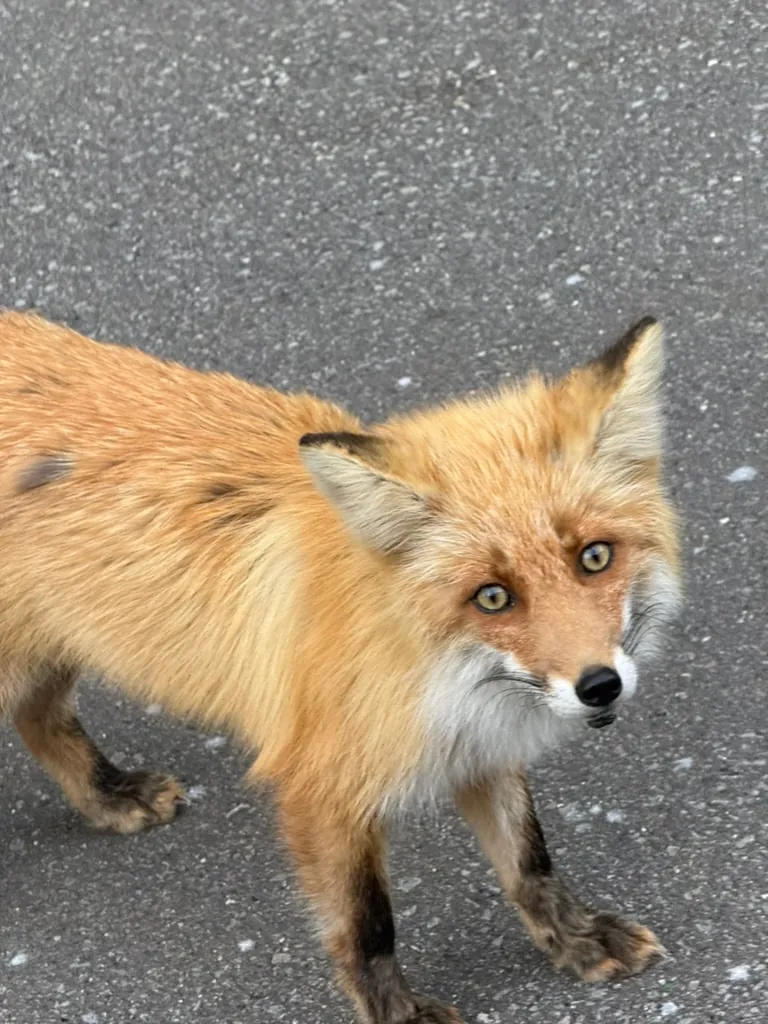
Shibetsu 士別市
しべつし
A farming city on the upper Teshio River, founded in 1899 as the last and northernmost tondenhei (soldier-farmer) settlement. It has built its identity on Suffolk sheep ("Suffolkland Shibetsu"), and it also hosts winter test tracks for car and tire makers and summer training camps for athletes.
- Population (2020 Census)
- 17,858
- Area
- 1,119.22 km²
- Official website
- www.city.shibetsu.lg.jp
Known for
- Sheep town, "Suffolkland Shibetsu" (サフォークランド士別). The city imported 100 Suffolk sheep from Australia in 1967 and another 100 in 1969. Since 1982 a citizens' movement has made the sheep the face of the town, and the brand lamb Shibetsu Suffolk Lamb (士別サフォークラム) is sold as a premium product in Hokkaido.12
- Sheep and Cloud Hill (羊と雲の丘): a hilltop sheep farm with grazing Suffolks, a pavilion of sheep breeds from around the world, a wool-craft studio and a lamb restaurant.1314
- The last tondenhei village. In July 1899, 100 soldier-farmer households arrived. They were the last and northernmost of Hokkaido's tondenhei settlements.715
- Winter vehicle testing. Five test grounds (Toyota, Daihatsu, Yamaha Motor, Bridgestone and a traffic-science research institute) cover about 1,670 ha16. Michelin calls Shibetsu the "holy ground" of studless winter tires (スタッドレスの聖地).17
- Sports training camps (合宿の里). About 20,000 athletes train here each year, and more than 500,000 have come since the 1970s.18 The Suffolkland Shibetsu Half Marathon has run since 1987.6
- Rice, wheat, soybeans and sugar beet. The city calls its farming "a miniature of Hokkaido agriculture"19. Beet sugar has been refined here since 1936.20
- Upper Teshio River country: Mt. Teshio (天塩岳), the highest peak of the Kitami Mountains, and Lake Iwaonai (岩尾内湖), a dam lake at the top of the Teshio River.2122
Sights & activities
Nature & scenery
- Sheep and Cloud Hill (羊と雲の丘), Nishi-Shibetsu-cho 5351:
- Manten no Hoshi no Oka (満天の星の丘): a hill beyond Sheep and Cloud Hill, once billed as Hokkaido's best stargazing spot, with a clear view of the Milky Way. About 15 minutes by car from the station.54
- Kawanishi no Oka (かわにしの丘): rolling farm hills just east of the Shibetsu-Kenbuchi Interchange.1
- Soshin no Matsu (祖神の松): a Japanese yew (イチイ) thought to be more than 1,000 years old, 18 m tall with a 7.5 m trunk. It ranked 2nd in Japan (1st in Hokkaido) in the 1990 national survey of giant yews and is a city natural monument.25
- Lake Iwaonai and Erica Park: Erica Park (エリカ公園) has 60,000 heaths of 11 species, blooming June to September. Autumn colors peak around mid-to-late September.2243
- Onnebetsu Cosmos Road: Every year about 150,000 cosmos are planted along the national road through Onnebetsu.8
Onsen
- Hinata Onsen (日向温泉, 日向保養センター), Tayoro area:
- Bathing 10:00–21:00 (last entry 20:30); closed Wednesdays for now.
- ¥550 for junior-high age and up, ¥270 for elementary-school children.
- The cafeteria offers takeout if you order by 14:00. Local buses from Shibetsu Station stop here twice a day.55
- Asahi "Wagaya" (和が舎): a community lodge in Asahi with a large bath and sauna, open 14:00–21:00 (from noon on weekends and holidays). It is a good base for Mt. Teshio climbs.5621
Museums & heritage
- Shibetsu City Museum (Nishi-Shibetsu-cho 2554):
- Open 9:30–16:30 from April to September and 10:00–16:30 from October to March.
- Closed Mondays, Tuesdays, 29 December–3 January, and weekdays from 20 January to the end of February.
- Adults ¥100; junior-high students and younger free.57
- Tondenhei house (屯田兵屋), Fudō Park beside the museum: Soldier-farmer house No. 67 (the Kawazu Manjiro residence). It was renovated in 2007, reusing original posts and beams where possible. Open free; closed from early November to late April.25
- Kamishibetsu Site (上士別遺跡): Early Jomon dwelling site and city-designated historic site.25
Outdoor & seasonal activities
- Mt. Teshio hiking:
- Several routes start from the free Teshiodake Hut (天塩岳ヒュッテ), 9 km beyond Pon-Teshio Dam. The hut sleeps 40, and there is no mobile signal around it.
- The old valley route (旧道) is closed after a landslide.21
- Tsukumo Suigō Park (つくも水郷公園):
- Iwaonai Lake Shirakaba Campground (岩尾内湖白樺キャンプ場):
- Free sites with car access for ¥500 per tent per night; three bungalows at ¥3,000 per night; showers and coin laundry.
- The 2026 season ran from 25 April to 12 October.59
- Hinata Ski Area (日向スキー場): open from early December to late March. It is covered by the regional "Diamond Dust Pass", which works at six ski areas.60
- Asahi Sanbodai Schanze (朝日三望台シャンツェ): small and medium hills usable all year. It hosts Class-A summer competitions sanctioned by the Ski Association of Japan.18
Food experiences
- Restaurant Hitsujikai no Ie (レストラン羊飼いの家): on the hilltop, 11:00–15:00, closed Wednesdays except in peak periods. The menu includes a lamb grilling set, a jingisukan rice bowl (¥1,600) and lamb-burger soup curry (¥1,600).14
- Pecora Kitchen (ペコラキッチン), Kawanishi no Oka Shizuo Farm: lamb dishes made with the farm's own tomatoes and herbs; closed Wednesdays.61
- Kururun (くるるん): a wool-craft workshop. Short projects such as brooches or coasters take about 15–30 minutes.4244
Roadside stations (Michi-no-Eki)
Hitsuji no Machi Samurai Shibetsu, "Sheep Town Samurai Shibetsu" (道の駅羊のまち 侍・しべつ)
- Location:
- Hours: as of September 2026; check before visiting.
- Shops & products:
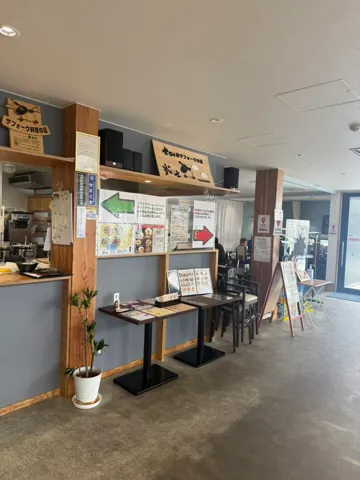
- The antenna shop sells Shibetsu Suffolk Lamb, which is hard to find elsewhere in Hokkaido, plus fresh local vegetables.
- It also carries specialties from neighboring Wassamu, Kenbuchi and Horokanai and from the friendship city of Miyoshi, Aichi.38
- Signature souvenirs are the frozen Hitsuji to Kumo Rice Burger (¥880) and Ten Cider (about ¥200–210).3839 Beet-sugar events are held in autumn.49
- Goods are also sold online.62
- Food:
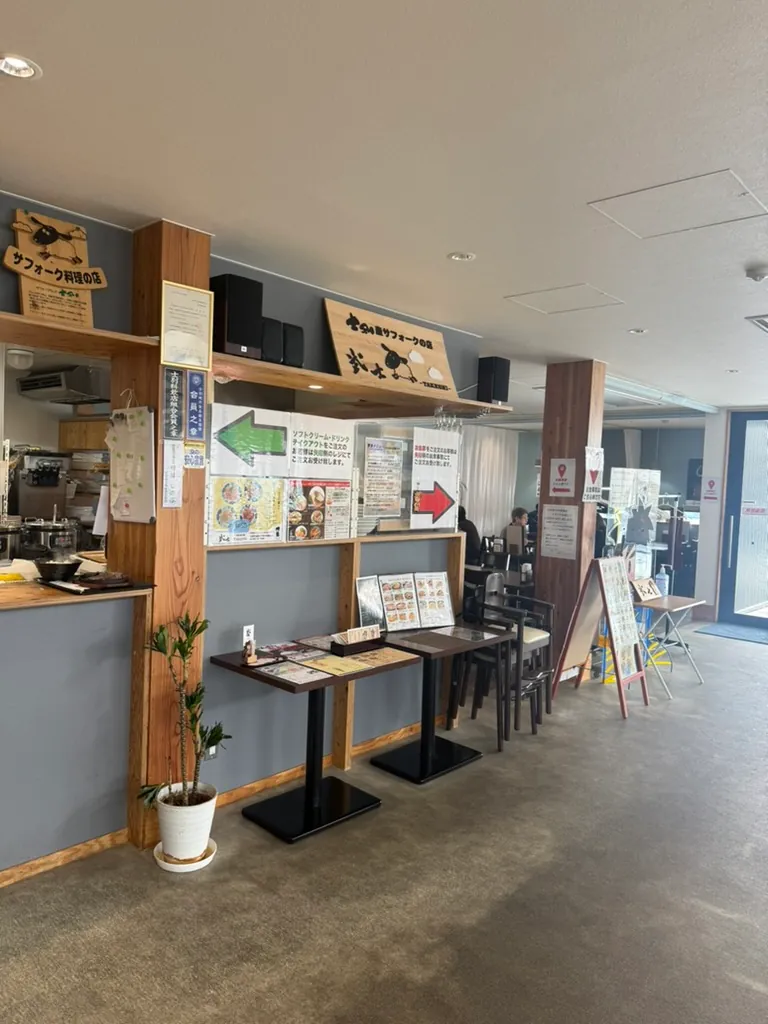
- Café & Restaurant Takeshi uses Shibetsu Suffolk Lamb. Its recommended dish is a sizzling hamburg steak of Hokkaido beef (150 g, ¥1,100), with hamburgers and French toast at café time.38
- Soft-serve flavors include a Shiroi Koibito (白い恋人) soft-serve and Hokkaido azuki bean.63
- During festivals a container stall sells lamb skewers, lamb croquettes and lamb menchi-katsu.48
- Facilities:
- Parking: 18 large-vehicle and 44 standard spaces per the official Hokkaido site; Japanese Wikipedia gives 64. Some parking is covered.3824
- Toilets: warm-water bidet toilets, an accessible toilet and ostomate facilities.38
- EV charger, Wi-Fi, a nursing room with diaper-changing table and a kids' space.38
- Credit cards and other cashless payment accepted.38
- Tourist information, plus a relocation desk (移住ナビデスク) staffed by a relocation coordinator.38
- Rental bicycles and a public phone.24
- None of the facility lists mention an RV park, campground or onsen. The nearest campground is Tsukumo Suigō Park.58
- Notes:
- Registered on 30 March 2021 as Hokkaido's 129th Michi-no-Eki; opened 1 May 2021.6524
- The stamp can be pressed 24 hours a day per the official site; the operator says during shop hours.3863
- Run by Machizukuri Shibetsu Co. (まちづくり士別株式会社). It stands on the long-vacant site of former downtown stores, including a Yamada Department Store branch.24
- A Pokémon manhole cover (ポケふた) shows Vulpix and Mareep.66 A manhole with the Sahocchi family was added in July 2022.6
- The "Samurai" in the name comes from the city's nickname.24
Nearest stations in neighboring towns:
Getting there & around
- Rail: Shibetsu has three JR Hokkaido Sōya Main Line stations: Shibetsu (士別), Tayoro (多寄) and Mizuho (瑞穂). Shimo-Shibetsu Station closed in March 2021.1
- Bus:
- Car:
- Take the Dō-Ō Expressway to the Shibetsu-Kenbuchi Interchange (士別剣淵IC). It sits in Kenbuchi town on the city border, about 5 minutes from downtown, and has Japan's northernmost toll gate.3267
- From Sapporo IC about 2 hours; from Asahikawa-Kita IC about 30 minutes.67
- National Routes 40 and 239 cross downtown.162
- Air: The nearest airport is Asahikawa, about 1 hour by car.67
- Getting around: Distances are large, and Sheep and Cloud Hill, the star hill, Hinata Onsen, Lake Iwaonai and Mt. Teshio all need a car. Hinata Onsen has two local buses a day. The roadside station can arrange a demand-response "Sahocchi Taxi" for sightseeing.5563
Practical tips
- Best seasons:
- Wednesday closures: Most facilities at Sheep and Cloud Hill close on Wednesdays. The World Sheep Pavilion also closes Thursdays from October to March. Peak holiday periods are exceptions.5314
- Winter: Expect −30 °C cold snaps (the record is −35.1 °C) and snow a meter deep in town. Allow extra driving time and carry winter gear.357
- Brown bears:
- The city's 2026 bear log reached entry No. 59 by 1 September, with sightings and tracks in Kamishibetsu, Onnebetsu, Tayoro and the Iwaonai area.68
- From 1 September to 31 October is a special bear-caution period. Don't go into the mountains alone, make noise, and pack out all food and garbage.68
- In May 2026 a bear that stayed for days on the Asahi Sanbodai ski jump was shot under the emergency procedure, and the facility was closed.33
- Mt. Teshio is bear habitat.21
- Road and lake notices (2026):
- The Asahi–Aibetsu road (朝日愛別道路) has been closed near Moshiri Tunnel since 17 July 2026, with no reopening date. The city posts this notice on its Mt. Teshio and Iwaonai campground pages, so check your route.2159
- Low water forced the 2026 suspension of power boats and jet skis on Lake Iwaonai; canoes are still allowed.22
- Information: The roadside station doubles as the tourist information center.38
Photos
-
 May 2026
 -
 Mar 2026
 -
 Mar 2026
 -
 Mar 2026
More about Shibetsu
At a glance
| Field | Details |
|---|---|
| Type / 種別 | City (市) |
| Subprefecture / 振興局 | Kamikawa (上川総合振興局) |
| District / 郡 | none (cities belong to no district) |
| Population / 人口 | 17,858 (2020 Census)2; 15,739 by resident register as of 2026-08-313. The Hokkaido Government's figure was 16,001 on 2026-01-01.4 |
| Area / 面積 | 1,119.22 km²5, the largest municipality in Kamikawa Subprefecture by area (next is Kamikawa Town at 1,049.47 km²)5 |
| Density / 人口密度 | about 14.1 people/km² (15,739 people ÷ 1,119.22 km², August 2026)35; about 16.0/km² at the 2020 Census2 |
| Municipal history / 沿革 | Settlement founded 1 July 1899 by tondenhei. Shibetsu Village got its own village office, split from Kenbuchi, in 1902 and came under the second-class village system in 1906. It became a town in November 1915.6 City status came on 1 July 1954, when Shibetsu Town merged with Kamishibetsu (上士別), Tayoro (多寄) and Onnebetsu (温根別) villages; it was Hokkaido's 20th city.7 On 1 September 2005 the city merged with Asahi Town (朝日町) to form the present city.7 |
| Neighbors / 隣接自治体 | Nayoro, Wassamu, Kenbuchi, Shimokawa, Pippu, Kamikawa, Aibetsu, Horokanai (all Kamikawa) and Takinoue (Okhotsk)1 |
| Symbols / 市の木・花 | Trees: Japanese rowan (ナナカマド) and Sakhalin spruce (アカエゾマツ). Flowers: cosmos (コスモス), marsh marigold (エゾノリュウキンカ) and Ezo purple azalea (エゾムラサキツツジ).8 No city bird was found. |
| Mascots / マスコット | Sahocchi (さほっち), a Suffolk ram whose full name is Hitsujida Kurosuke (羊田黒助). His birthday, 1 July, is the city's founding day. He "married" Mei-chan (メイちゃん) in 20149, and the family includes the lamb Mi-chan (みーちゃん).10 Asahi district has its own mascot, Jumpun (ジャンプん), a ski-jumping fairy first shown in 2014.11 |
| Official website / 公式サイト | https://www.city.shibetsu.lg.jp/ |
Name origin
- The name comes from the Ainu word si-pet (シペッ / シペㇳ).110
- The translation varies by source. The city's statistics yearbook and Japanese Wikipedia give "great river" (大いなる川)61. The Shibetsu City Museum's English exhibition guide gives "true river".23
- The city's official chronology says that when Matsuura Takeshiro (松浦武四郎) came up the Teshio River in 1857, a small number of Ainu lived here and called the area "Shupetsu" (シュペツ, "great river").6
- The sources consulted give no competing derivation, only these two translations of si.
- The kanji 士別 are phonetic. Because 士 can be read as "samurai", the city is nicknamed "Samurai Shibetsu", and the roadside station's name uses the same pun.124
History
- Jomon era: The Kamishibetsu Site (上士別遺跡) holds Early Jomon dwelling remains. The city dates them to about 7,000 years ago; the museum's history panel says about 6,000 years2526. A 1971 dig found surface-level dwellings and outdoor hearths, which suggests people camped there only for the summer hunting season.25
- Edo-period contact: Shogunate officials traveled up the Teshio River in 1798.6 Kondo Juzo (近藤重蔵), Mamiya Rinzo (間宮林蔵) and Matsuura Takeshiro all left records of the Ainu who lived here.27 Matsuura's Teshio Nisshi (天塩日誌), written after his 1857 journey, describes local Ainu life, rituals and diet.2723
- 1897–1899, the tondenhei: Shibetsu Village was proclaimed in 1897. The first Wajin (ethnic Japanese) settler arrived from Fukagawa in 1898.6 On 1 July 1899, 100 tondenhei households (later 99) arrived under company commander Nagoshi Gengoro (名越源五郎). They formed the 5th Company of the 3rd Tondenhei Infantry Battalion, whose headquarters were in neighboring Kenbuchi. The city counts this date as its founding.615 Shibetsu Shrine was built the same month.6
- Group migrations: Other settler groups came from Honshu. The Yoshino group from Nara Prefecture settled in Kamishibetsu, a Yamagata group in Tayoro and a Tottori group in Onnebetsu.15 Settlers from Toyama Prefecture opened the Asahi (Okushibetsu) area on imperial land leased from 1905.257
- Railway, 1900–1903: The government railway reached Shibetsu from Wassamu on 5 August 1900 and was extended to Nayoro in 1903.2829
- Village to town, 1902–1915:
- Shibetsu got its own village office, separate from Kenbuchi, in September 1902.
- It adopted the second-class village system in 1906 and the first-class system in April 1915.
- It became a town in November 1915, with Endo Yasuyuki (遠藤康之) as first mayor.6
- Other sources differ: Japanese Wikipedia dates the second-class village system to 19021, and English Wikipedia gives 1925 for town status.10 This entry follows the city's own chronology.
- Starch, flax, mint and timber: From the Meiji into the Taisho era the area grew potatoes, mint and flax, and sawmills clustered around the station.20 In 1919 Shibetsu produced 40% of Hokkaido's starch.6 The Shibetsu Kido company ran a horse-drawn tramway toward Kamishibetsu from 1920 and switched to steam in 1928. The line closed in 1959.29
- Sugar, 1936: The Meiji Sugar factory, now Nippon Beet Sugar Manufacturing's Shibetsu refinery (日本甜菜製糖 士別製糖所), began operating in October 1936.620 The same year, local rice breeder Yamazaki Eita (山崎永太) reported to the Emperor on his breeding of the "Yamazaki mochi" glutinous rice.6
- Village splits and the 1954 city merger: Kamishibetsu Village split from Shibetsu in 1913, Onnebetsu Village from Kenbuchi in 1927, and Tayoro Village from Furen in 1938.6 Asahi Village split from Kamishibetsu in 1949 and became a town in 1962.7 On 1 July 1954 Shibetsu Town and the villages of Kamishibetsu, Tayoro and Onnebetsu merged into Shibetsu City. It had 38,854 people.6
- Postwar: The first Shibetsu Snow Festival was held in February 1956.6 In 1967 the city imported Suffolk sheep.12 Iwaonai Dam was finished in March 1971.30 The city museum opened in 1981.31 Toyota's Shibetsu Proving Ground was completed in October 1984.16
- Sheep-town revival: A citizens' group, the Suffolk Research Society, formed in 1982. The World Sheep Pavilion opened in 1994.126
- Sister cities and the expressway: The Goulburn (Australia) sister-city agreement was signed during the 1999 centennial.6 The Dō-Ō Expressway reached the Shibetsu-Kenbuchi Interchange on 4 October 2003.32
- 2005 merger: On 1 September 2005 the city and Asahi Town merged into the new Shibetsu City.7
- Recent events:
- A new city hall opened on 7 May 2020.6
- Shimo-Shibetsu Station closed on 13 March 2021.1
- The roadside station opened on 1 May 2021.6
- The city declared a goal of zero carbon by 2050 in February 2022.6
- On 24 May 2026 the city ordered an emergency shooting (緊急銃猟) of a brown bear that had stayed on the Asahi Sanbodai ski jump. It was the second such shooting in Hokkaido.33
- Depopulation: The population has fallen since about 1970, as farmers left the land and young people moved to cities.7 Between the 2015 and 2020 censuses it dropped by 10.3% (19,914 to 17,858), and 41.2% of residents were 65 or older in 2020.2
Geography & climate
- Size and landforms: The city stretches 58 km east to west and 42 km north to south. About 75% of it is mountain forest.7 The urban core lies in the southern Nayoro Basin, where the Kenbuchi River (剣淵川) joins the Teshio River (天塩川). The east rises into the Kitami Mountains (北見山地) and the western Onnebetsu area into the Teshio Mountains (天塩山地).1
- Teshio River: The city calls the Teshio "Hokkaido's second great river". Its source is on Mt. Teshio, inside the city.730
- Lake Iwaonai (岩尾内湖): This reservoir sits at the top of the Teshio River. Iwaonai Dam, a multipurpose dam for flood control, power and irrigation, was built between April 1965 and March 1971. The Iwaonai Bridge crosses the lake, and the shore has camping, bungalows, fishing and canoeing.3022
- Mt. Teshio (天塩岳, about 1,557 m): the highest peak of the Kitami Mountains. A 9,369 ha area around it was designated Teshiodake Prefectural Natural Park (天塩岳道立自然公園) on 6 January 1978. Alpine plants such as the yellow rhododendron (キバナシャクナゲ) grow on the ridges, and the pika (ナキウサギ) lives there. The lower slopes have black woodpeckers (クマゲラ), red foxes and brown bears.21
- Other peaks: Mae-Teshio (1,540 m) and Teshio-Fuji (1,450 m). The small hill Tsukumo-yama (九十九山) in town is home to Shibetsu Shrine.1
- Climate (Shibetsu AMeDAS, 1991–2020 normals):
- Snow: Snow starts falling around mid-November. It lies about 1 m deep on flat land and more than 2 m in the mountains.7 The city is designated a special heavy-snow area (特別豪雪地帯).1
Economy & industry
- Agriculture, the base industry:
- Rice is the main crop, alongside wheat, potatoes, beans and sugar beet, plus onions, pumpkins and broccoli.19
- In 2020, farmland totaled 13,731 ha (8,120 ha paddy, 5,611 ha upland). Farms averaged 27.0 ha, up from 20.8 ha in 2010.19
- Farm households fell about 30% in ten years, to 553 in 2020, and 59.4% of farm operators were 60 or older.19
- The statistics yearbook uses a broader measure of 16,600 ha of cultivated land. Its FY2022 planted areas: rice 2,280 ha, soybeans 2,290 ha, wheat 2,180 ha, sugar beet 618 ha, potatoes 176 ha and onions 147 ha.6
- Livestock (1 February 2023): 4,368 dairy cattle, 10,906 beef cattle, 15,580 pigs and 1,009 sheep.6
- Suffolk lamb: Shibetsu Suffolk Lamb is grain-finished rather than grass-fed. The feed includes corn, local wheat and soybeans, and beet pulp from the city's sugar refinery.12 Since 2018, a Sapporo business has turned Shibetsu Suffolk hides into leather goods sold as "SHIBETSU Suffolk Leather".12
- Sugar: Nippon Beet Sugar Manufacturing's Shibetsu refinery (日本甜菜製糖 士別製糖所) processes local sugar beet.20 Its by-product molasses becomes "Beet Oligo" (ビートオリゴ), a liquid sweetener.36
- Vehicle testing:
- Yamaha Motor ran snowmobile trials here in 1969. Permanent test grounds followed: Toyota (1984, Onnebetsu), a traffic-science institute (1987), Daihatsu (1992), Yamaha Motor (1994) and Bridgestone (1996, Tayoro).16
- Together they cover about 1,670 ha, about 2.8% of the city, and bring about 20,000 visitors a year.16
- Toyota's ground has a straight of about 4 km and a circuit of about 10 km.16
- Sports tourism: The city markets itself as a training-camp town (合宿の里), with about 20,000 athletes a year.18 German track teams held pre-competition camps here before the 2008 Beijing and 2021 Tokyo Olympics.6
- Hometown tax (furusato nozei): In FY2024 the city received 4,795 donations worth ¥120.34 million.37
- Population: The pre-merger city had about 41,000 people in the early 1960s6. The merged city had 15,739 residents in August 2026.3 Tourism visitor totals were not found in the sources consulted.
Local specialties
| Specialty | Category | Details & where to get it |
|---|---|---|
| Shibetsu Suffolk Lamb (士別サフォークラム) | Meat (brand lamb) | Grain-finished Suffolk lamb, tender and mild-smelling, and rare in Hokkaido shops.12 Sold at the roadside station's antenna shop38. The lamb grilling set at Sheep and Cloud Hill's restaurant costs ¥2,950 for 140 g and is served from about June to October or November.14 |
| Jingisukan (ジンギスカン) | Local dish | Sheep and Cloud Hill's own marinated lamb is grilled at its BBQ House from May to October, with sides of potato mochi and pumpkin mochi. Packs are also sold to take home.14 |
| Lamb-burger soup curry (ラムバーグのスープカレー) | Local dish | A Suffolk-lamb patty in soup curry (¥1,600) at Restaurant Hitsujikai no Ie.14 A local product called "Hitsuji no Machi no Soup Curry" (羊のまちのスープカレー) went on sale in August 2007.6 |
| Hitsuji to Kumo Rice Burger (羊と雲のライスバーガー) | Frozen souvenir | A 100% Suffolk-lamb patty and Hokkaido cheese between buns of Shibetsu rice, with yama-wasabi; ¥880. Sold at the roadside station.38 |
| Ten Cider (天サイダー) | Soft drink | Cider made from Teshio River water with local beet sugar and beet oligosaccharide. It was redesigned in 2021 by students of Shibetsu Shoun High School and regional revitalization volunteers. ¥210 for a 330 ml bottle (as of November 2025).39 |
| Beet Oligo (ビートオリゴ) | Sweetener | Liquid sweetener from beet molasses, made in Shibetsu; a featured hometown-tax gift.36 |
| Shibetsu rice (士別米): Yumepirika, Nanatsuboshi | Rice | Promoted by the city as low-protein, sweet rice grown with Teshio River water.36 Hometown-tax gifts include rice from Mangetsu Farm (満月農園) and "Asahi-cho rice".40 |
| Yamazaki mochi (山崎糯) legacy | Rice heritage | Glutinous rice variety bred by honorary citizen Yamazaki Eita, who also pioneered hotbed seedling-raising for cold-climate rice.416 |
| Tayoro "Haru yo Koi" flour (たよろの春よ恋) | Wheat flour | Bread flour milled from spring wheat grown in Tayoro; a hometown-tax gift.40 |
| "Kuri Shogun" pumpkin (くり将軍) | Vegetable | Shibetsu-grown pumpkin offered as a seasonal hometown-tax gift.40 |
| Koishi Hitsuji (恋し羊) | Shochu | Shochu made from spring wheat grown in Tayoro, launched in September 2013.6 |
| Suffolk senbei (サフォークせんべい) | Sweets | Local cracker made by Torita Seika (トリタ製菓).1 |
| Kururun wool crafts | Craft | Felt, knitting and weaving from Shibetsu wool at the Kururun sheep-wool craft house (めん羊工芸館くるるん), with more than 20 workshop menus.42 |
| SHIBETSU Suffolk Leather | Craft | Leather goods made from Shibetsu Suffolk hides (since 2018).12 |
| Toyota Shibetsu Proving Ground experience | Hometown-tax gift | A tour of the normally closed Toyota test course, offered only as a hometown-tax gift.1636 |
Culture & festivals
| Event | When | Highlights |
|---|---|---|
| Sheep and Cloud Hill fence-building (牧柵整備) | April | Residents drive posts and paint the fences before the sheep go out to pasture.43 |
| Shibetsu Shrine cherry blossoms | May | About 2,000 Ezo mountain cherries bloom on Tsukumo-yama.43 |
| Sheep-shearing show (羊の毛刈りショー) | May, usually during Golden Week | Held at the World Sheep Pavilion; visitors can try shearing.44 |
| Mt. Teshio opening ceremony (天塩岳山開き) | Early June | The 42nd was held on 7 June 2026 with 65 hikers.45 |
| Suffolkland Shibetsu Half Marathon (サフォークランド士別ハーフマラソン大会) | July | A course certified by the Japan Association of Athletics Federations, with 10 km and 5.2 km races too. The 39th was on 12 July 2026.4346 |
| Hokuren Distance Challenge, Shibetsu meet | July | Top middle- and long-distance runners at the city athletics stadium (18 July 2026); free to watch.47 |
| All-Japan Summer Jump / Summer Combined, Asahi (全日本サマージャンプ朝日大会) | July | Ski jumping at the Asahi Sanbodai Schanze and roller-ski races.43 |
| Roadside station summer festival | Mid-July | Lamb skewers, lamb croquettes and shaved ice. In 2026 it ran 18–20 July and included a "Sugar Summer Festa".48 |
| Lake Iwaonai Water Festival (岩尾内湖水まつり) | August | Hands-on activities, stage shows and food stalls by the lake.43 |
| Teshio River Source Festival fireworks (士別天塩川源流まつり 納涼花火大会) | August | 1,600 shaku-dama (large-shell) fireworks set to music.43 |
| Sugar Autumn Festa (砂糖オータムフェスタ) | October | Beet-sugar breads, bagels and sweets at the roadside station.49 |
| Shibetsu Snow Festival (士別雪まつり) | February | Giant snow slides, snow sculptures and stalls. First held in 1956.436 |
| MFJ All-Japan Snowcross Championship | February | Top snowmobile racers.43 |
- Performing arts:
- Mizuho Shishimai (瑞穂獅子舞): a lion dance in Asahi. Toyama settlers modeled it on their home region's Etchū lion dance and first offered it at the Okushibetsu Shrine festival in 1916. It is a city-designated intangible cultural property and is performed at the Asahi Shrine festival.2550
- Hinata Jindai Kagura (日向神代神楽): a Shinto dance from Tayoro, said to trace to the Daimon Kagura of Ichinoseki, Iwate, and begun in 1908.50
- Shrines: Shibetsu Shrine (士別神社) dates from the tondenhei year, 1899, and stands on Tsukumo-yama. Tayoro Shrine (多寄神社) dates from 1901.1
- Museums:
- The Shibetsu City Museum (士別市立博物館) opened in 1981 for the 80th anniversary of the settlement. It covers local archaeology, Ainu history, tondenhei life, farming, industry and nature.3126
- Next door is the Public Hall Exhibition Hall (公会堂展示館). The Shibetsu Public Hall was first built in 19156 and served as an assembly hall and community center. It was restored in 1989 as an exhibition space. It shows local artists such as printmaker Koike Nobuko (小池暢子) and sculptor Abe Kōkō (阿部晃工). It also has Arctic expedition material from actress-explorer Izumi Masako and boxer Wajima Koichi's trophies and championship belts.51
- Literary link: Novelist Murakami Haruki visited Shibetsu to research sheep for A Wild Sheep Chase (羊をめぐる冒険).1
- Sport: The independent-league baseball team Shibetsu Samurai Blaze (士別サムライブレイズ) was founded in 2020.1
Ainu heritage
- Before the tondenhei arrived, the upper Teshio basin was Ainu land. Records by Kondo Juzo, Mamiya Rinzo and above all Matsuura Takeshiro's Teshio Nisshi (1857) describe the Ainu of the Shibetsu area: their way of life, rituals and diet.27 The city chronology says only a few Ainu lived here at the time of Matsuura's visit.6
- The museum's pre-settlement gallery displays clothing and other items used by the Ainu, along with material on Matsuura Takeshiro.2627
- Ainu names survive in the landscape as well as in "Shibetsu" (si-pet):
- Itoi-dake (糸魚岳), from Itoi-nupuri, "mountain of high landslide cliffs".
- Towari-yama (登和里山), from the old stream name Tomori, "place with much Ainu leek".
- Nisama-dake (似峡岳), from Niisama-wen-shiri.1
- The sources consulted did not document an Ainu cultural facility or a living Ainu community organization in the city today.
Sister & friendship cities
- Goulburn Mulwaree, New South Wales, Australia (sister city, 3 July 1999): The two places grew close through sheep farming. They exchange high-school students and assistant English teachers.6
- Miyoshi, Aichi Prefecture (friendship city, 6 October 2000): The link came from automotive companies located in both places. A disaster-cooperation agreement followed in 2011.6
- Kawauchi Village, Fukushima Prefecture: a "bond-building agreement" (絆づくり協定) signed in 2013. Shibetsu had hosted Kawauchi children at a summer school since 2011.6
Notable people
- Wajima Koichi (輪島功一), former WBA/WBC world boxing champion.1 He was born on Karafuto (Sakhalin) in 1943 and went to school in Shibetsu, where a 7 km walk each way built his legs.69
- Izumi Masako (和泉雅子), actress and the first Japanese woman to reach the North Pole. She first came to Shibetsu in 1986 because of the Yamaha snowmobiles, built a vacation home here in 1996, and became a hometown ambassador in 2016.696
- Ogura Yusuke (小椋裕介), a long-distance runner from Shibetsu. He won the 7th-leg section award at the Hakone Ekiden for Aoyama Gakuin University in 2015 and 2016.6
- Yamazaki Eita (山崎永太), breeder of the Yamazaki mochi rice and pioneer of hotbed seedling-raising; the city's first honorary citizen.416
- Takahashi Shin (高橋しん), manga artist, listed among people from Shibetsu.1
Sources
Numbers in the text link to these sources. Figures as of 23 September 2026
- 士別市 — ウィキペディア日本語版 JA accessed 2026-09-23
- 令和2年国勢調査 人口等基本集計結果(確定値)が公表されました — 士別市 JA accessed 2026-09-23
- 士別市住民基本台帳人口及び世帯数(令和8年8月末現在) — 士別市 JA accessed 2026-09-23
- 住民基本台帳人口・世帯数(令和8年1月1日現在) — 北海道総合政策部計画局統計課 JA accessed 2026-09-23
- 令和8年全国都道府県市区町村別面積調(4月1日時点) — 国土地理院 JA accessed 2026-09-23
- 2023年版 士別市統計書(第19号) — 士別市 JA accessed 2026-09-23
- 士別市の概要 — 士別市 JA accessed 2026-09-23
- 市の木・市の花 — 士別市 JA accessed 2026-09-23
- さほっち — 士別市 JA accessed 2026-09-23
- Shibetsu, Hokkaido — Wikipedia EN accessed 2026-09-23
- ジャンプん — 士別市 JA accessed 2026-09-23
- 羊のまち サフォークランド士別 — 士別市 JA accessed 2026-09-23
- ふれあう | 羊と雲の丘 羊のテーマファーム — 羊と雲の丘観光株式会社 JA accessed 2026-09-23
- 羊飼いの家 | 羊と雲の丘 羊のテーマファーム — 羊と雲の丘観光株式会社 JA accessed 2026-09-23
- Settlement (Exhibition Guide 5) — Shibetsu City Museum EN accessed 2026-09-23
- 自動車等試験研究のまち・士別市 — 士別市 JA accessed 2026-09-23
- MICHELIN X-ICE スペシャルページ — 日本ミシュランタイヤ JA accessed 2026-09-23
- 合宿の里 士別サイト — 士別市 JA accessed 2026-09-23
- 士別市の農業 — 士別市 JA accessed 2026-09-23
- Manufacturing (Exhibition Guide 9) — Shibetsu City Museum EN accessed 2026-09-23
- 天塩岳 — 士別市 JA accessed 2026-09-23
- 岩尾内湖 — 士別市 JA accessed 2026-09-23
- The History of Shibetsu (Exhibition Guide 2) — Shibetsu City Museum EN accessed 2026-09-23
- 道の駅羊のまち 侍・しべつ — ウィキペディア日本語版 JA accessed 2026-09-23
- 士別市の指定文化財 — 士別市 JA accessed 2026-09-23
- 歴史展示 — 士別市立博物館 JA accessed 2026-09-23
- Pre-settlement History (Exhibition Guide 4) — Shibetsu City Museum EN accessed 2026-09-23
- 士別駅 — ウィキペディア日本語版 JA accessed 2026-09-23
- Transportation (Exhibition Guide 13) — Shibetsu City Museum EN accessed 2026-09-23
- 水とみどりの里・士別市 — 士別市 JA accessed 2026-09-23
- Shibetsu City Museum (English guide page) — Shibetsu City Museum EN accessed 2026-09-23
- 士別剣淵インターチェンジ — ウィキペディア日本語版 JA accessed 2026-09-23
- 北海道士別市:ヒグマがスキージャンプ台の中腹に、市が緊急銃猟…18日からほぼ毎日出没で施設は利用中止に — 読売新聞オンライン JA accessed 2026-09-23
- 士別(上川地方) 平年値(年・月ごとの値) — 気象庁 JA accessed 2026-09-23
- 士別 観測史上1~10位の値(年間を通じての値) — 気象庁 JA accessed 2026-09-23
- ふるさと納税サイト(ピックアップ返礼品) — 士別市 JA accessed 2026-09-23
- 寄附の実績・活用方法 — 士別市 JA accessed 2026-09-23
- 羊のまち 侍・しべつ — 北の道の駅(北海道の道の駅公式総合情報サイト) JA accessed 2026-09-23
- 「天サイダー」が新しくなりました! — 士別市 JA accessed 2026-09-23
- 北海道士別市のふるさと納税 お礼の品ランキング — ふるさとチョイス JA accessed 2026-09-23
- Agriculture (Exhibition Guide 6) — Shibetsu City Museum EN accessed 2026-09-23
- めん羊工芸館くるるん — 士別市 JA accessed 2026-09-23
- 年間観光イベント — 士別市 JA accessed 2026-09-23
- 体験する | 羊と雲の丘 羊のテーマファーム — 羊と雲の丘観光株式会社 JA accessed 2026-09-23
- 第42回天塩岳山開き(終了) — 士別市 JA accessed 2026-09-23
- 第39回士別ハーフマラソン大会 — 士別市 JA accessed 2026-09-23
- ホクレン・ディスタンスチャレンジ士別大会 — 士別市 JA accessed 2026-09-23
- 道の駅「羊のまち 侍・しべつ」夏まつり開催!! — 北の道の駅(北海道の道の駅公式総合情報サイト) JA accessed 2026-09-23
- 「砂糖オータムフェスタ2025」開催!! — 北の道の駅(北海道の道の駅公式総合情報サイト) JA accessed 2026-09-23
- Folk Performing Arts (Exhibition Guide 7) — Shibetsu City Museum EN accessed 2026-09-23
- 士別市立公会堂展示館(文化芸術展示) — 士別市立博物館 JA accessed 2026-09-23
- 羊と雲の丘 — ウィキペディア日本語版 JA accessed 2026-09-23
- 世界のめん羊館 — 士別市 JA accessed 2026-09-23
- 満天の星の丘 — 士別市 JA accessed 2026-09-23
- 日向温泉(日向保養センター) — 士別市 JA accessed 2026-09-23
- 朝日地域交流施設「和が舎」 — 士別市 JA accessed 2026-09-23
- 博物館の利用案内 — 士別市立博物館 JA accessed 2026-09-23
- キャンプ場 — 士別市 JA accessed 2026-09-23
- 岩尾内湖白樺キャンプ場 — 士別市 JA accessed 2026-09-23
- 日向スキー場 — 士別市 JA accessed 2026-09-23
- ペコラキッチン — 士別市 JA accessed 2026-09-23
- 道の駅 羊のまち 侍・しべつ — 士別市 JA accessed 2026-09-23
- 羊のまち|侍・しべつ — まちづくり士別株式会社 JA accessed 2026-09-23
- 営業時間の変更のお知らせ!! — 北の道の駅(北海道の道の駅公式総合情報サイト) JA accessed 2026-09-23
- 住所等一覧 — 北の道の駅(北海道の道の駅公式総合情報サイト) JA accessed 2026-09-23
- ポケモンマンホール「ポケふた」についてのご案内 — 士別市 JA accessed 2026-09-23
- 士別市への交通アクセス — 士別市 JA accessed 2026-09-23
- ヒグマに注意! — 士別市 JA accessed 2026-09-23
- Famous People with Connections to Shibetsu (Exhibition Guide 22) — Shibetsu City Museum EN accessed 2026-09-23