Takikawa 滝川市
たきかわし
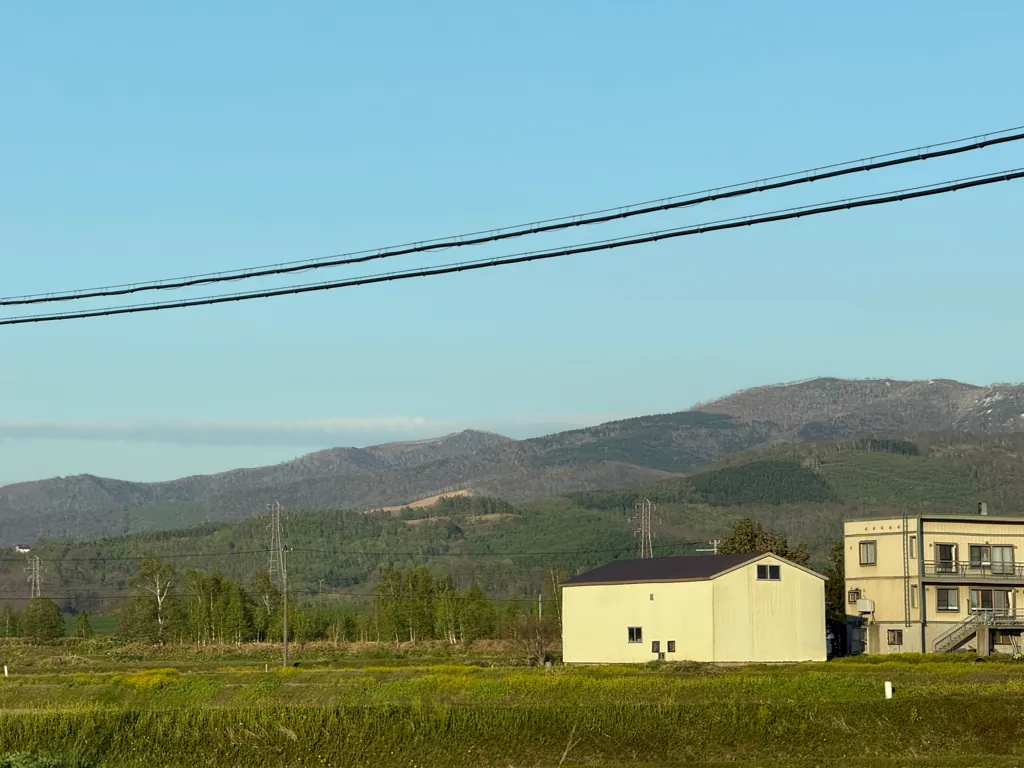
Takikawa is a rail and road junction on the northern Ishikari Plain, where the Nemuro Main Line branches off the Hakodate Main Line. It calls itself the birthplace of seasoned jingisukan, its eastern hills turn yellow with rapeseed every May, and gliders launch from an airfield on the bank of the Ishikari River.
- Population (2020 Census)
- 39,490
- Area
- 115.9 km²
- Official website
- www.city.takikawa.lg.jp
Known for
- Seasoned jingisukan (味付ジンギスカン): the city calls itself the birthplace of seasoned jingisukan12. Matsuo Jingisukan (松尾ジンギスカン), founded in Takikawa in 1956, marinates lamb and mutton in a sauce of apples, onions, ginger and soy sauce with more than ten spices1314.
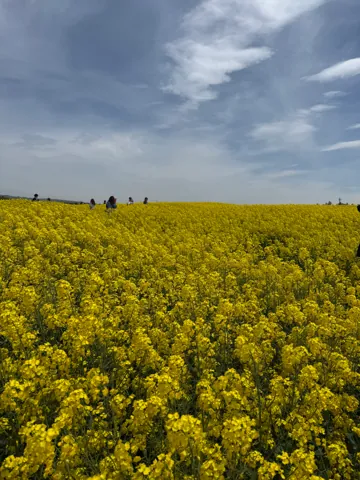
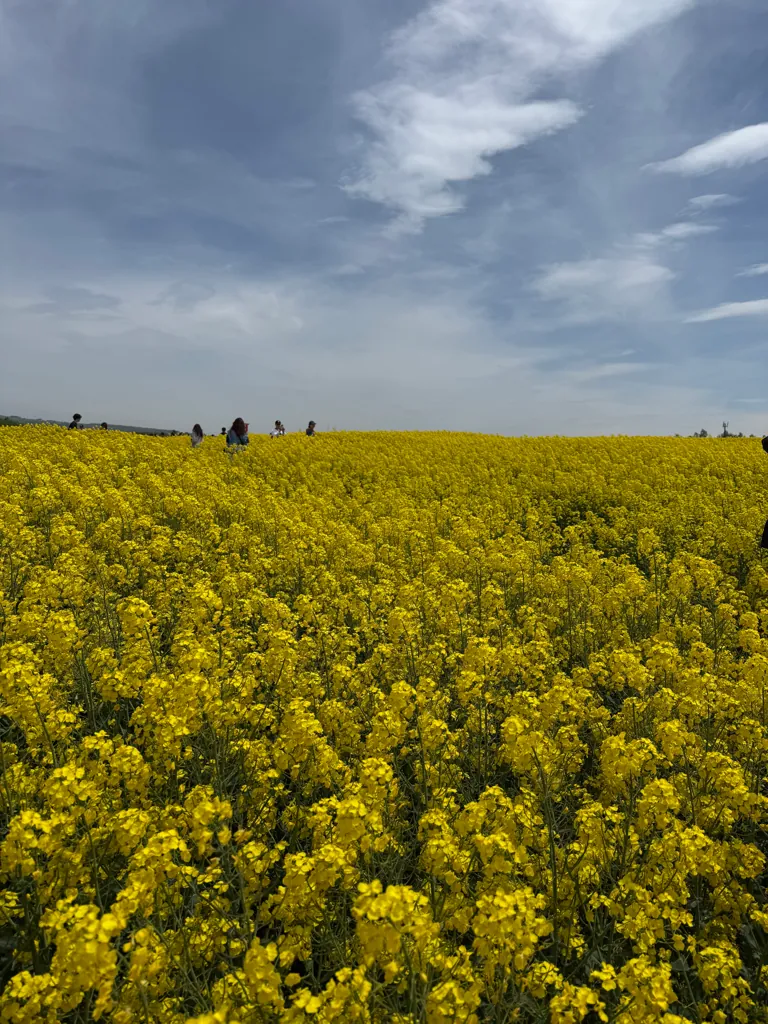
- Rapeseed fields (菜の花畑): the city says its rapeseed area is among the largest in Japan15. The crop covered 148 ha in 202416. The fields are on the list of "Hokkaido's 100 Moving Moments" (北海道感動の瞬間100選)15, and the May festival drew 78,230 visitors in FY202417.
- Gliding: Takikawa Sky Park (たきかわスカイパーク) describes itself as Japan's first full-scale "aviation park" combining a park and an airfield18. Visitors can take a 10-minute trial flight19.
- Aigamo duck (あいがも): a local specialty served in ramen, rice bowls and hot pots around the city12.
- Ebeotsu apples (江部乙りんご): grown in the Ebeotsu district since the Meiji era12.
- Takikawa sea cow (タキカワカイギュウ): an almost complete skeleton of an extinct Steller's sea cow relative, found in the Sorachi River bed in 1980. It is a Hokkaido natural monument2021.
- Rail and road junction: the Hakodate and Nemuro main lines meet at Takikawa Station, where all limited expresses stop22. National Route 12 between Takikawa and Bibai runs 29.2 km without a curve, billed as the longest straight road in Japan12.
- Paper Bag Lantern Festival (紙袋ランターンフェスティバル): a one-night February event that grew from 3,000 lanterns in 2003 to more than 10,00012.
Sights & activities
Nature & scenery
- Rapeseed fields of Ebeotsu (江部乙の菜の花畑): scattered across the Ebeotsu hills, at their best from mid to late May12. They are working oilseed farms, so view them from the roads and stay out of the fields except in the festival's special areas15.
- Maruka Kōgen (丸加高原): the observation deck looks across the Ishikari Plain. On spring and autumn mornings after a big overnight temperature swing, a sea of clouds (雲海) can form below it. Nearby stands a stone silo built for sheep farming (牧羊用石造サイロ)12, which is a city cultural property1.
- Ebeotsu Hills Footpath (江部乙丘陵地フットパス): walking and snowshoe routes through the hills, with nature-watching events run by a local fan club12.
Onsen
- Takikawa Fureai no Sato (滝川ふれ愛の里, 西滝川76-1): a sodium chloride–bicarbonate spring nicknamed a "beauty bath" (美肌の湯). It has indoor and outdoor baths, a sauna and bedrock baths, and a restaurant serving hand-made soba from Naka-Sorachi buckwheat flour. Open 8:00–22:00 (last entry 21:30); adults ¥6305312.
- Ebeotsu Onsen (えべおつ温泉, 江部乙町西12-8-22): a small inn with 11 rooms12, first opened as a hot spring in 19211.
Museums & heritage
- Takikawa Museum of Art and Natural History (滝川市美術自然史館, 新町2-5-30): the Takikawa sea cow skeleton, about 8 m long and some 5 million years old, found in 1980 and designated a Hokkaido natural monument in 198420. Open 10:00–17:00 (last entry 16:30); adults ¥63054. Closed Mondays, the day after national holidays, and 1 December to the end of February. There is no dedicated parking; use the lot of the neighboring children's center55.
- Local History Museum (郷土館, 新町3-8-20): open weekends and holidays, May to September36, 12:00–16:00; adults ¥15056. Kagetsukan (文京町1-1-19) opens only on the fourth Sunday, May to September, 13:00–16:00. The Tondenhei house (江部乙町東11-13-2) opens daily except Sunday, May to October, 9:00–16:30. Both are free34.
- River Science Museum (川の科学館, 西滝川1): the Takikawa district's disaster-prevention center. Its "Ishikari River Walk" is a 1:1000 model of the river12.
Outdoor & seasonal activities
- Takikawa Sky Park (たきかわスカイパーク, 中島町139-4): about 50 ha on the Ishikari River floodplain, with an 800 m paved runway, a 1,200 m grass strip and two 1,150 m winch-launch lanes18. Trial flights last about 10 minutes and reach about 500 m. They cost ¥9,000 (¥5,000 for school students) and run almost daily from mid-April to mid-November, weather permitting19. Children from fourth grade up can fly12. The Sky Museum, a hangar museum opened in 1993, can house up to about 30 gliders18. The park is run by the Takikawa Sky Sports Promotion Association57.
- Riverside area (リバーサイドエリア): the Takikawa Campsite (滝川キャンプサイト) offers glamping, cottages and an RV park12. The B&G Marine Center (B&G海洋センター, mid-May to early October) offers canoeing on the Raune River from elementary-school age12. Riverside golf includes the 18-hole Takikawa Municipal Golf Course (6,051 yards, par 72) and Hokkaido Coca-Cola Park Field 72, about 10 ha and one of Hokkaido's largest park-golf courses12.
- Craft workshops: make a silver ring at Mark Brothers or a leather item at Jamais Vu Cuir (ジャメヴュクイール)12.
Food experiences
Roadside stations (Michi-no-Eki)
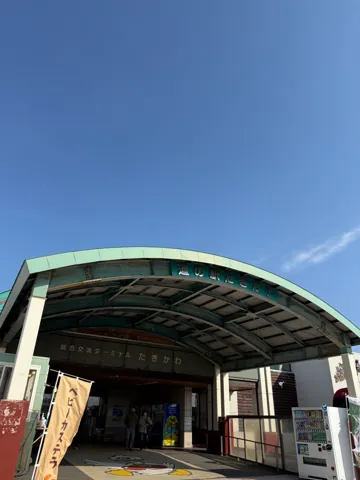
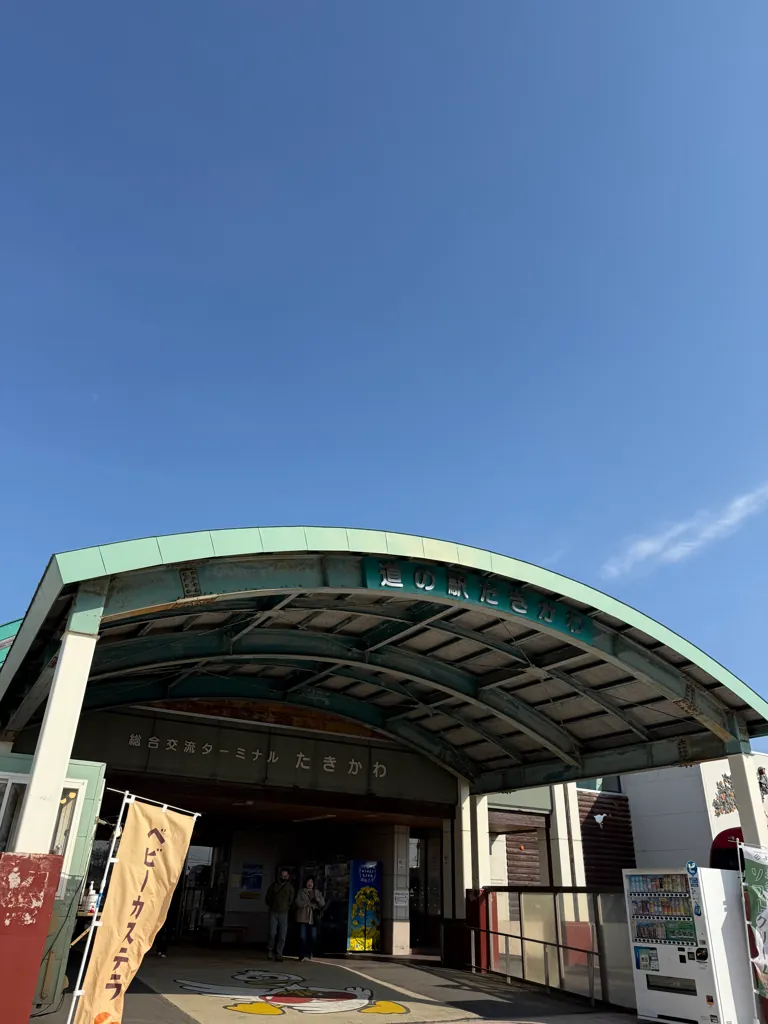
Takikawa (道の駅たきかわ)
- Location: 江部乙町東11丁目13-3, on National Route 12, about halfway between Sapporo and Asahikawa38. The rebuilt Tondenhei house (江部乙町東11-13-2) is almost next door34. The station suggests Fureai no Sato, the Maruka Kōgen lookout and the Sky Park as nearby sights38.
- Hours: shop 9:00–18:00 (April–October) and 10:00–17:00 (November–March). Restaurant 11:00–14:00 (last order 13:50) and 15:00–17:00 (last order 16:30). Closed 31 December – 4 January (as of September 2026, check before visiting)38.
- Shops & products: Takikawa specialties and processed goods, local farmers' vegetables and fruit, and seasonal wild greens. It also stocks products from Nago and Tochigi, Takikawa's friendship cities1238. Items sold only here include Ebeotsu apple dorayaki (りんごどらやき), rapeseed-field crackers (菜の花畑せんべい) and honey castella (はちみつカステラ)38. Takikawa craft beer and seasoned jingisukan are also sold38. You can also buy limited-edition aigamo curry and aigamo rice-seasoning mix, Tacky-kun cookies, rapeseed products and local honey12.
- Food: the restaurant features local aigamo duck, with dishes such as aigamo nanban soba (アイガモ南蛮そば) and aigamo spicy katsu curry3812. A new operator reopened it as Kitchen LaLa on 1 October 2025, keeping the earlier popular dishes58; its menu also lists a zangi (fried chicken) set made with Takikawa rice flour38. The signature "Nanohana-batake" soft-serve (菜の花畑ソフト) is topped with rapeseed-leaf powder from a local farm, dried rapeseed flowers, rusk crumbs from a local confectioner and a chocolate honeybee12.
- Facilities: parking for 5 large vehicles and 50 cars. Toilets with heated bidet seats, accessible facilities, a baby-changing table and Wi-Fi. Farm stand, shop and restaurant38. There is also a gallery corner on Takikawa's artists12. EV charging and 24-hour toilet access are not listed38.
- Notes: registered on 27 August 1999 (registration no. 58)38. Japanese Wikipedia gives the same date as its opening1, but the city chronology dates the opening of the building, the Sōgō Kōryū Terminal Takikawa, to April 200032. The station reopened after a renovation in 202038. It is a base for the May rapeseed festival and hosts a harvest festival in October5112. Other stations in the area include Rice Land Fukagawa, where Routes 12 and 233 meet in Fukagawa59, and Utashinai Tirol no Yu in Utashinai60.
Getting there & around
- Rail: JR Takikawa Station is on the Hakodate Main Line and is the starting point of the Nemuro Main Line. Every train, including every limited express, stops here22. Limited expresses run once or twice an hour and take about 53 minutes to Sapporo and about 33 minutes to Asahikawa22. The city gives about 50 minutes from Sapporo, about 35 from Asahikawa and about 1 hour 40 minutes from New Chitose Airport12. Ebeotsu Station (江部乙駅) on the Hakodate Main Line serves the north of the city1. Nemuro Main Line local trains run east to Akabira, Ashibetsu and Furano. The line beyond Furano to Shintoku closed on 1 April 202441, and Higashi-Takikawa Station closed on 15 March 20251. Kitaca IC cards work on the Hakodate Main Line but not on the Nemuro Main Line22. Takikawa Station handled about 477,800 boardings in FY202417.
- Bus: since April 2018, local buses have left from the station-front plaza, and since April 2025 highway buses have also used its stop 322. Hokkaido Chūō Bus runs the "Kōsoku Takikawa-gō" (高速たきかわ号) and "Kōsoku Rumoi-gō" (高速るもい号) to Sapporo. Local lines go to Ashibetsu, Bibai, Utashinai and Fukagawa, and a city-run inner-city line operates too22. The trip from Sapporo's bus terminal takes about 1 hour 20 minutes12.
- Road: Takikawa IC on the Dō-ō Expressway handled 945,254 vehicles in FY202417. National Routes 12, 38 and 451 pass through the city1. By car it is about 60 minutes from Sapporo IC, about 1 hour 20 minutes from New Chitose Airport IC and about 30 minutes from Asahikawa-Takasu IC12.
- Air: New Chitose Airport is the main gateway. It is about 1 hour 40 minutes away by JR or about 1 hour 20 minutes by car via the expressway12. Asahikawa Airport is an alternative, with a connection via Asahikawa Station, which is about 33–35 minutes from Takikawa by limited express2212.
- Getting around: the Takikawa Tourism International Square (たきかわ観光国際スクエア), next to the station at 栄町4-9-1, is open 9:00–17:00 every day except the New Year holidays. It offers tourist information, free Wi-Fi, rental bicycles, rental-car bookings and luggage storage61. The Michi-no-Eki, the rapeseed fields and Maruka Kōgen are all in the Ebeotsu district in the north of the city12. Outside the festival shuttles, a car or taxi is the practical way to reach the hills.
Practical tips
- Best seasons: mid to late May for rapeseed; the 2026 festival ran 16–24 May51. Mid-April to mid-November for gliding19. Autumn for apples and the October harvest festival12. Mid to late February for the Paper Bag Lantern Festival12.
- Rapeseed etiquette: the fields are private oilseed crops, not ornamental gardens. Enter only the festival's special areas and watch for farm vehicles15.
- Gliding: flights are cancelled in rain, in winds of 10 m/s or more, with cloud below 300 m or in poor visibility. Only 2–3 flights an hour are possible, so call ahead (0125-24-3255). Motor-glider rides were suspended as of February 202619.
- Seasonal closures: the Museum of Art and Natural History closes from 1 December to the end of February55. The Local History Museum and Kagetsukan open only in summer on limited days3634. The Children's Science Museum has closed43.
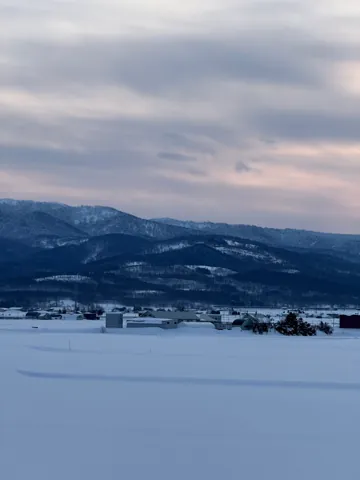
- Winter: Takikawa is a special heavy-snowfall area1. Normal snowfall is 844 cm a season46, and the snow is usually deepest in February or March8. Temperatures below −25 °C still occur: the low reached −26.6 °C on 30 January 20238. Allow extra time on Route 12 and the expressway.
- Wildlife: Hokkaido issued the city's first brown-bear advisory in June 20221. Take care on riverbanks, footpaths and in the eastern hills.
- Information: Takikawa Tourism Association, tel. 0125-23-00306162. The Tourism International Square next to the station also holds pamphlets for the rest of Hokkaido61.
Photos
-
 May 2026
 -
 Apr 2025
 -
 Jun 2025
 -
 Jan 2026
 -
 Mar 2026
 -
 Apr 2026
 -
 May 2026
 -
 Aug 2026
More about Takikawa
At a glance
| Field | Details |
|---|---|
| Type | City (市). The central city of the Naka-Sorachi (中空知) area1 |
| Subprefecture | Sorachi (空知総合振興局) |
| District | None (city) |
| Population | 39,490 in 18,688 households (2020 Census)2. The preliminary 2025 Census count was 35,845, 19th among Hokkaido's 179 municipalities3, a fall of about 9.2% in five years. The resident register showed 35,336 people in 20,447 households on 31 August 20264. The Hokkaido Government's register figure for 1 January 2025 was 36,5155 |
| Area | 115.90 km²67. The city measures 16.9 km east–west and 15.8 km north–south8 |
| Density | About 305 people/km² (August 2026 register). The 2020 Census density was 340.7/km²2 |
| Municipal history | Takikawa Village was established on 15 January 1890 by Hokkaido Government Ordinance No. 18. It became a second-class village in 1906 and a first-class village in 1909, when Ebeotsu Village (江部乙村) split off. It became a town in 1910 and a city on 1 July 19581. It merged with Ebeotsu Town (江部乙町) on 1 April 197121 |
| Neighboring municipalities | Akabira (east), Shintotsukawa and Uryu (west), Sunagawa (south), Fukagawa and Moseushi (north)8 |
| Symbols | Tree: plane tree (プラタナス). Flowers: azalea (つつじ), both designated 23 February 1968, and cosmos (コスモス), designated 1 January 19889. The glider is listed as an additional city symbol1 |
| Mascot | "Hitsuji Kamo Shirenai Shūru" (ひつじカモしれないシュール), the official character of the city's Tourism Division, based on Takikawa's sheep and aigamo duck. It debuted on 23 March 202610, and its goods have been sold at the Michi-no-Eki since September 202611. The Michi-no-Eki also sells its own "Tacky-kun cookies" (タッキーくんクッキー)12 |
| Official website | https://www.city.takikawa.lg.jp/ |
Name origin
- Takikawa (滝川, "waterfall river") is a Japanese translation of the Ainu name of the Sorachi River (空知川), which joins the Ishikari River at the city's southwest edge123.
- The city gives the Ainu form as sōrapuchi (ソーラプチ), "where the waterfalls come down" (滝下る所). It explains that the Sorachi had waterfall-like steps in its middle reaches, so the Ainu called it sōrapuchi-pet (ソーラプチペツ), "the river where waterfalls hang"24. The Hokkaido Development Bureau gives sōrapuchi, "a river with waterfalls" (滝掛かる川), and notes that it is also the origin of "Sorachi" (空知)23.
- Japanese Wikipedia writes the name as so-rapchi-pet (ソ・ラㇷ゚チ・ペッ), "a river where waterfalls fall in many tiers". It links the name to the Sorachi Great Falls (空知大滝), upstream in Ashibetsu just below today's Takisato Dam (滝里ダム)125.
- Ebeotsu (江部乙), the northern part of the city, comes from Ainu yupe-ot (ユーペオツ), "the river where sturgeon swarm". An older Ebeotsu town history read it instead as "a place where many cold mineral springs well up". The Takikawa city history prefers the sturgeon reading as closer to Ainu life26. Another reading, ipe-ot-i, means "a place with many fish (salmon)"27.
History
- Before settlement: the city lists ten registered buried-cultural-property sites, including the Higashi-Takikawa, Ponkura, Takinokawa and Ebeotsu 1 and 2 sites. The list does not give their periods28. The confluence of the Sorachi and Ishikari rivers was called Sorachibuto (空知太), from Ainu so-rap-chi-put, "the inlet where the waterfall falls", meaning the mouth of the Sorachi River29. Matsumae-era trading posts and contact in the Takikawa area are not covered in the sources consulted.
- 1886–1889, the Kamikawa road: Takahata Toshiyoshi (高畑利宜), a Hokkaido official, built a provisional road to Kamikawa (today's National Route 12) using convict labor from Kabato Prison30. In June 1886, Miura Yonezō (三浦米蔵), a settler from Yamagata Prefecture, opened a ferry and inn, the Miura-ya (三浦屋), at the Sorachi River crossing31. The city's chronology dates the inn's opening to June 188732. It was renamed Hotel Miura Kaen (ホテル三浦華園) in 193031 and still operates in Kagetsu-chō12. In 1889 Takahata retired and settled at his Sorachibuto post station (空知太駅逓). There he became Takikawa's first postmaster and started the area's first rice growing30.
- 1889–1894, tondenhei: soldier-settler villages were founded at South Takikawa (92 households, December 1889) and North Takikawa (July 1890)33. The first 92 households came from the 632 households of Totsukawa settlers who reached Sorachibuto in November 1889; the Totsukawa group moved on to Shintotsukawa in June 189032. The city's profile gives 440 tondenhei households for 189024, and its chronology counts 348 arriving in July 1890, making 440 in all32. In 1894, 400 more households settled at South and North Ebeotsu (200 each)3324. Tondenhei applicants came from across Japan, including Yamagata and Fukuoka prefectures34. A local tradition says the "laughing komainu" of Ebeotsu Shrine, dedicated in September 1910, were carved by a tondenhei settler from Fukuoka Prefecture12.
- 1890: Takikawa Village and its village office were established on 15 January8.
- Railways, floods and coal: Sorachibuto Station opened on the Hokkaido Colliery Railway on 1 February 1892, on the Sunagawa bank of the Sorachi River. It closed when the government-built Kamikawa Line opened Takikawa Station on 16 July 18982922. The city says Takikawa then lost its role as a transport hub, and the same year's flood hit it hard24. The Sorachi River flood of 1898 destroyed Takahata's businesses30. The Shimo-Furano Line (today's Nemuro Main Line) opened on 10 November 1913 and restored the junction2422. In the Shōwa era, coal from Akabira, Ashibetsu and other mining towns passed through Takikawa, and this traffic laid the base for the city's growth24.
- 1938–1945, synthetic oil: Hokkaido Jinzō Sekiyu (北海道人造石油) was founded in December 1938 to make oil from coal by the Fischer–Tropsch process. Its Takikawa works on a 117 ha site employed up to about 2,000 people and was called "the largest chemical plant in the Orient", but it never reached mass production. The site is now mostly used by the Ground Self-Defense Force's Camp Takikawa35. Plant records and samples kept by former employees were recognized as Chemical Heritage in 2013 and registered as Essential Historical Materials for Science and Technology in September 20213532.
- Town to city: Ebeotsu became a separate village in 1909 and a town on 5 May 1952. Takikawa became a town in 1910 and a city on 1 July 1958, and the two merged on 1 April 197112.
- Postwar growth: Matsuo Jingisukan was founded in 195614. The Local History Museum opened in 197736. The glider airfield on the Ishikari riverbank opened in August 198232. Kokugakuin Women's Junior College opened on 1 April 1982; it became co-educational in 1991 and is now Kokugakuin University Hokkaido Junior College37. The resident population peaked at 53,121 in 19832.
- 1980s–1990s: the sea-cow fossil was found on 10 August 198021. The Museum of Art and Natural History opened in 198620. The Takikawa IC on the Dō-ō Expressway opened on 8 October 19881. The Sky Museum hangar opened at the Sky Park in 199318. The Route 12 Takikawa Bypass was completed in 19951. Takikawa Fureai no Sato opened in June 199732. Michi-no-Eki Takikawa was registered on 27 August 199938, and its building, the Sōgō Kōryū Terminal Takikawa (総合交流ターミナルたきかわ), opened in April 200032. Japanese Wikipedia gives 27 August 1999 as the opening date1.
- 2000s–2026: the Paper Bag Lantern Festival began in 200312. In November 2014 an Ebeotsu council of "The Most Beautiful Villages in Japan" association was set up32; Ebeotsu does not appear on the association's member map as of September 202639. In 2016 the Takikawa Tondenhei Documents were designated a Hokkaido tangible cultural property33. The city's first brown-bear advisory was issued on 7 June 20221. Longmeadow, Massachusetts became a sister city on 19 October 202340. JR closed Higashi-Takikawa Station on 15 March 20251; it remains as a signal station41. In 2026 Matsuo celebrated its 70th anniversary on 1 March42, and the Children's Science Museum (こども科学館) closed on 31 March, according to a city notice updated on 1 April 202643.
Geography & climate
- Setting: Takikawa lies in the northern Ishikari Plain, also called the Sorachi Plain. The Ishikari River runs along the west of the city and the Sorachi River along the south, and they meet at its southwest corner1. The city hall stands at 43°33′28″N, 141°54′37″E8. Most of the city is flat, with gentle hills to the east4445.
- Rivers: the Ishikari River is 268 km long with a basin of 14,330 km², and the Sorachi River is 194.5 km long with a basin of 2,618 km²8. The city calls the Ishikari the third-longest river in Japan45. The Raune River (ラウネ川), a slow oxbow-like tributary, is used for canoeing12.
- Hills: east of Route 12, the Ebeotsu hills around Maruka Kōgen (丸加高原) are rapeseed country45. Marked high points include Maruka-yama (丸加山, 286.20 m) and Sumamanai-yama (須摩馬内山, 477.22 m). Survey benchmarks on the plain, from the city center to Ebeotsu, lie at about 39–56 m above sea level8.
- Land use (1 January 2025): farmland 49.46 km², of which 37.26 km² is rice paddy and 12.20 km² is upland fields. Residential land covers 10.78 km² and forest 9.23 km²8.
- Parks: the sources consulted list no national, quasi-national or prefectural natural park inside the city.
- Climate (1991–2020 normals, Takikawa station): annual mean 7.0 °C. August mean high 26.0 °C and January mean low −11.7 °C. Precipitation 1,156.0 mm, snowfall 844 cm and 1,551.6 hours of sunshine a year. The normal maximum snow depth is 114 cm46.
- Records (since 1976): highest 36.0 °C on 28 July 2021 and lowest −27.2 °C on 29 January 1977. The deepest snow was 167 cm on 23 February 2018, and the wettest day brought 196 mm on 4 August 198147. The city is designated a special heavy-snowfall area (特別豪雪地帯)1. Snow lies from late November to early April44.
- Recent years: 2025 averaged 8.7 °C. The 2024–25 winter brought 577 cm of snow8.
Economy & industry
- Farming: rice dominates. In 2024 Takikawa planted 1,990 ha of paddy rice (11,900 t) and 829 ha of wheat (2,990 t). Other crops were soybeans (381 ha, 1,060 t), buckwheat (203 ha, 109 t), rapeseed (148 ha, 415 t), onions (37 ha, 1,830 t) and sugar beet (14 ha, 1,010 t)16. The 2020 agricultural census counted 338 farm households, 273 of them commercial, and 284 farm businesses, down from 544 in 200516. JA Takikawa (JAたきかわ) was formed in 1998 from the Takikawa, Ebeotsu and Akabira co-ops and later absorbed Ashibetsu's1.
- Food brands: apples, onions, aigamo duck, seasoned jingisukan, Haruyutaka wheat (ハルユタカ) and buckwheat are local specialties. Some restaurants use local Haruyutaka flour in ramen, udon, pasta and bread1. Rapeseed growing began with adaptation trials in 1989–90 by what is now the Genetic Resources Division of the Hokkaido Central Agricultural Experiment Station, and plantings expanded from about 1999–200015.
- Companies: Matsuo (株式会社マツオ, Matsuo Jingisukan) and Circle Kikō (サークル機工) have their head offices in the city1. Matsuo once had up to 250 affiliated restaurants across Hokkaido14.
- Commerce and services: Takikawa is the retail center of Naka-Sorachi. Its primary trade area takes in Akabira, Shintotsukawa, Uryu and Urausu, and neighboring municipalities account for more than 60% of the trade area's population. Out-of-town stores have hollowed out the downtown1. The city also hosts GSDF Camp Takikawa and regional government offices1.
- Tourism: 702,415 visitors in FY2024, 72,594 of them from outside Hokkaido. Only 15,720 stayed overnight, for 17,444 guest-nights. May, the rapeseed month, is the busiest (155,768 visitors in May 2024)17.
- Population trends: the census population peaked at 52,004 in 19852 and fell to 35,845 by 2025 (preliminary)3. In 2020, 35.0% of residents were 65 or older, and the average age was 51.42.
- Revitalization: the city promotes itself through its rapeseed, gliding and jingisukan4812. Furusato nozei donations can be earmarked for the town in general, raising children, making the most of local resources, the Kokugakuin junior college or the municipal hospital49.
Local specialties
| Specialty | Category | Details & where to get it |
|---|---|---|
| Seasoned jingisukan (味付ジンギスカン) | Signature dish | Lamb marinated before grilling, the "Takikawa style" that followed the method recommended by the former Hokkaido sheep-breeding station in Takikawa14. Matsuo Jingisukan Takikawa main store (松尾ジンギスカン 滝川本店, 明神町3-5-12, 11:00–22:00). Kobayashi Seinikuten (小林精肉店, Ebeotsu) won the 2023 Ajitsuke Jingisukan Grand Prix12. Kobayashi Jingisukan closed in October 2021 and reopened in April 2022 under a young local owner49. Aimaton (アイマトン, 流通団地) is known for a chili "nanban" version12 |
| Aigamo duck (あいがも) | Signature dish | Raised on plant-based feed and processed by Takikawa Shinseien (滝川新生園). Try aigamo ramen at Izakaya Uoichi (居酒屋 魚一), aigamo don at Aji no Nakata (味のなかた) and aigamo nabe at Kyōdo Ryōri Okamura (郷土料理おかむら). Smoked duck is sold at the Michi-no-Eki12 |
| Chap-don (チャップ丼) | Local comfort food | A pork rice bowl in sweet sauce, called Takikawa's representative B-grade dish, at Shokujidokoro Takadaya (食事処 高田屋)12 |
| Rapeseed products (菜の花関連特産品) | Oil and condiments | Rapeseed oil (なたね油), rapeseed dressing, oil sauce and furikake, plus spring-only "Yukiwari Nabana" (雪割りなばな) greens. JA Takikawa Nanohana-kan (JAたきかわ菜の花館, 滝の川町西8-1-30) presses oil on site, with the process open to view12 |
| Rapeseed honey (菜の花はちみつ) | Honey | Takami Apiary (高見養蜂場, Ebeotsu) sells pure, additive-free honey sorted by flower. Also sold at Michi-no-Eki Takikawa and JA Nanohana-kan12 |
| Ebeotsu apples (江部乙りんご) | Fruit | Main varieties are Himekami (ひめかみ), Tsugaru (つがる) and Fuji (ふじ), and they also suit jams and juices. Asahi Kōbō Shibuya Shōten (あさひ工房 渋谷商店) in Ebeotsu turns local produce into sweets, carrot juice and jams12 |
| Takikawa rice (滝川のお米) | Rice | "Takikawa Okome Chips" (滝川お米チップス) are made from 100% Takikawa Nanatsuboshi rice, in burdock and onion flavors12. Yumepirika rice rated Special A (特A) is a furusato nozei gift49 |
| Haruyutaka wheat breads and noodles | Wheat | Local bakeries use Takikawa-grown Haruyutaka flour. Ōsawa Seimen (大澤製麺), a noodle maker for more than 60 years, sells Haruyutaka ramen12 |
| Takikawa Craft Beer (滝川クラフトビール) | Beer | Brewed at the Takikawa Craft Beer Kōbō inside Fureai no Sato: Sorachi Pilsner, Sorachi Ale and Sorachi Weizen, plus the fruit beer "Ringo & Dry" (りんご&ドライ) made with Takikawa apple juice. All are unpasteurized12 |
| Ebeotsu Wein (えべおつWein) | Wine | Made at a winery in Ebeotsu from grapes grown in the district12. The first wine from Takikawa-grown grapes was shipped in 2019, and a winery opened in 202350 |
| Monmoo (モンモオ) | Sweets | A simple cake filled with white bean paste from Okada Kashiho (おかだ菓子舗), a standard Takikawa souvenir121 |
| Furusato nozei gifts | Hometown tax | Seasoned jingisukan from three makers (Matsuo, Kobayashi, Aimaton), Yumepirika rice, aigamo hot-pot sets, Takikawa craft beer, green asparagus and down quilts49 |
Culture & festivals
| Event | When | Highlights |
|---|---|---|
| Takikawa Nanohana Matsuri (たきかわ菜の花まつり) | Mid to late May (2026: 16–24 May) | Based at Michi-no-Eki Takikawa and other sites51. Special areas let visitors walk into the fields15. On weekends a Nanohana bus runs to the main site, and daily Nanohana taxis tour the fields with local drivers12. The festival began as the one-day "Nanohana Festa in Maruka" with about 1,300 visitors and now draws more than 70,00015 |
| Takikawa Shrine Grand Festivals (滝川神社例大祭) | June (spring) and August (autumn) | Stalls line both sides of a straight street for about 500 m from the station12 |
| Takikawa Craft Beer Festival (滝川クラフトビールフェスティバル) | July (2026: 22–23 July, Heiwa Park) | Beer garden with locally brewed craft beer and food5112 |
| Summer Sky Festa (サマースカイフェスタ) | Late July (2026: 26 July, Takikawa Sky Park) | Free glider flights for lottery winners and sweets dropped from a motor glider5112. 4,500 visitors in FY202417 |
| Takikawa Summer Fireworks (たきかわ納涼花火大会) | August (2026: 11 August, Shinmachi riverbank, held as the たきかわ納涼盆踊り花火大会) | Organized by the Takikawa Junior Chamber, with other events alongside the fireworks5112 |
| Sorachi Wine × Wine Festa (そらちワイン×ワインFesta) | August (2026: 22 August, 15:00–20:00, Heiwa Park) | Rare wines from Sorachi wineries, with food stalls, jazz and talks by winemakers50 |
| Takikawa Cosmos Marathon (たきかわコスモスマラソン) | Early September | A course through the town and farmland, run when the cosmos are in bloom12 |
| Michi-no-Eki Takikawa Harvest Festival (道の駅たきかわ大収穫祭) | October | Ebeotsu apples, onions, sweet potatoes and other autumn produce12 |
| Fureai no Sato Pokapoka Winter Festival (滝川ふれ愛の里ぽかぽか冬まつり) | February (2027: 6 February) | Winter event at the onsen complex51 |
| Takikawa Paper Bag Lantern Festival (たきかわ紙袋ランターンフェスティバル) | Mid to late February (the 25th is in late February 2027) | Lanterns decorated by residents light the station-front streets for about three hours on one night5112. About 15,000 visitors a year in FY2022–202417 |
| Takikawa Stamp Rally (たきかわ周遊スタンプラリー) | May to February (2026–27: 2 May – 28 February) | A stamp tour of city facilities, with local products as prizes5112 |
| Hokkaido Gishi-sai (北海道義士祭) | 14 December | Residents dressed as the 47 Akō rōnin parade on the anniversary of their raid. Spirits of the rōnin were brought from Sengakuji in Tokyo to the Kita-Sengakuji temple at Sorachibuto (Sunagawa) in 1956, so the festival alternates between Takikawa and Sunagawa (current status unverified)1 |
- Shrines: Takikawa Shrine (滝川神社) holds the spring and autumn grand festivals12. Ebeotsu Shrine (江部乙神社) was founded by the tondenhei settlers of 189452. It is known for its "laughing komainu" (笑う狛犬), dedicated in September 1910. The one with a rounded back and an open, laughing mouth is the girl, and the one with a straight back and a smile is the boy. The shrine sells komainu charms12.
- Museums: the Takikawa Museum of Art and Natural History (滝川市美術自然史館) opened in 1986. It shows the Takikawa sea cow, dinosaur skeletons and a mammoth, and its art section holds works by the Nihonga painter Iwahashi Eien20. The Local History Museum (郷土館, 1977) recreates an early 20th-century merchant house and has a corner on the pioneer Takahata Toshiyoshi36. It has two branches. The Kagetsukan (華月館, city cultural property No. 3) was built in the Meiji 30s (around 1897–1906) as the Takikawa office of the Imperial Estates Bureau. The Miura-ya inn's second owner bought and moved it in 1914 and added inner guest rooms in 1915, where distinguished visitors stayed. The Tondenhei house (屯田兵屋, No. 5) was rebuilt using the main timbers of a real Meiji tondenhei house3412.
- Lost and changed traditions: the Andon Takikawa Shibuki Matsuri (あんどん滝川しぶき祭), a lantern-float festival started after the sea-cow find, ended in 20041. The NHK morning drama Chotchan (チョッちゃん), about Takikawa-born Kuroyanagi Chō, made the city widely known1.
Ainu heritage
The city's own names carry its Ainu past. Takikawa and Sorachi both come from so-rapchi-pet, the "river of waterfalls"2423. Sorachibuto (空知太), the old name of the river mouth where the first post station and railway terminus stood, comes from so-rap-chi-put29. Ebeotsu comes from yupe-ot, "where sturgeon swarm"26. Takahata Toshiyoshi, who opened the Sorachibuto post station, had earlier written detailed reports on the life of the Kamikawa Ainu during his surveys. Those reports are now part of the Kaitakushi records designated as Important Cultural Properties in 201430.
Little else is documented. The city lists ten buried-cultural-property sites, but the sources consulted give no periods or Ainu-era findings for them28. No Ainu cultural facility or living-tradition group in Takikawa was found in the sources consulted.
Sister & friendship cities
- Springfield, Massachusetts, USA: exchanges grew out of the sister-state tie between Hokkaido and Massachusetts, signed on 7 February 1990. A memorandum followed in September 1992, and the sister-city agreement was signed on 7 August 199363. The city notes that Springfield lies at almost the same latitude as Takikawa and has a similar climate64.
- Longmeadow, Massachusetts, USA: Springfield's southern neighbor65. Exchanges began in 2006 through junior-ambassador homestays and high-school visits, and the sister-city agreement was signed on 19 October 202340.
- Tochigi, Tochigi Prefecture: a partnership formed on 15 April 1982. It grew out of the city's visits to the Kokugakuin University Tochigi school corporation while it was bringing a college to Takikawa, which led to the Kokugakuin junior college1. The Michi-no-Eki sells products from Tochigi and Nago as its "friendship and goodwill cities" (友好親善都市)1238.
- Nago, Okinawa Prefecture: a partnership formed on 1 July 1990, marking Takikawa's centennial and Nago's 20th year as a city. It followed child-exchange programs run by the two cities' junior chambers since 19741.
Notable people
- Iwahashi Eien (岩橋英遠, 1903–1999): Nihonga painter, born in Ebeotsu as the son of a tondenhei family. He was a professor at Tokyo University of the Arts and received the Order of Culture in 199412.
- Ichiki Masumi (一木万寿三, 1903–1981): Western-style painter, born in Takikawa. He painted the apple orchards of Ebeotsu, and in 1977 he received the Hokkaido Culture Award12.
- Takahata Toshiyoshi (高畑利宜, 1841–1922): Meiji pioneer who opened the Kamikawa road and the Sorachibuto post station. He was given Takikawa Village's first village funeral30.
- Matsuo Masaji (松尾政治): founder of Matsuo Jingisukan114.
- Igarashi Takenobu (五十嵐威暢): designer and sculptor from Takikawa whose idea inspired the Paper Bag Lantern Festival12.
- Kuroyanagi Chō (黒柳朝): the mother of Tetsuko Kuroyanagi and the heroine of the NHK drama Chotchan1.
- Sorachi Hideaki (空知英秋): manga artist. Fujimoto Miki (藤本美貴): TV personality and former Morning Musume member. Ōmasa Aya (大政絢): actress. Moritsugu Kōji (森次晃嗣): actor. All were born in Takikawa1.
Sources
Numbers in the text link to these sources. Figures as of 23 September 2026
- 滝川市 — Wikipedia JA accessed 2026-09-23
- 令和7年版 滝川市の統計(第51号) 人口及び世帯 — 滝川市 JA accessed 2026-09-23
- 令和7年国勢調査速報 北海道の人口・世帯数(要計表に基づく人口・世帯数の集計) — 北海道総合政策部計画局統計課 JA accessed 2026-09-23
- 滝川市公式ホームページ(人口・世帯数 2026年8月31日現在) — 滝川市 JA accessed 2026-09-23
- 令和7年版 滝川市の統計(第51号) 付録(全道市区町村別世帯数及び男女別人口) — 滝川市 JA accessed 2026-09-23
- 令和8年 全国都道府県市区町村別面積調(1月1日時点) — 国土地理院 JA accessed 2026-09-23
- 滝川市のプロフィール(面積) — 滝川市 JA accessed 2026-09-23
- 令和7年版 滝川市の統計(第51号) 土地及び気象 — 滝川市 JA accessed 2026-09-23
- 滝川市のプロフィール(市の木・花) — 滝川市 JA accessed 2026-09-23
- 滝川市観光課公式キャラクター「ひつじカモしれないシュール」 — 滝川市観光情報 JA accessed 2026-09-23
- ひつじカモしれないシュール特設コーナーができたカモしれない…(たきかわからのお知らせ、2026年9月17日) — 北海道の道の駅(北海道道の駅連絡会) JA accessed 2026-09-23
- 北海道滝川市観光ガイドブック(2025年5月版) — 滝川市産業振興部観光課・一般社団法人たきかわ観光協会 JA accessed 2026-09-23
- 松尾のなかみ — 株式会社マツオ JA accessed 2026-09-23
- 松尾ジンギスカン — Wikipedia JA accessed 2026-09-23
- 滝川の菜の花 — 滝川市観光情報 JA accessed 2026-09-23
- 令和7年版 滝川市の統計(第51号) 農林業 — 滝川市 JA accessed 2026-09-23
- 令和7年版 滝川市の統計(第51号) 運輸・通信及び観光 — 滝川市 JA accessed 2026-09-23
- スカイパークについて — たきかわスカイパーク JA accessed 2026-09-23
- 体験してみたい!(体験飛行) — たきかわスカイパーク JA accessed 2026-09-23
- 美術自然史館について — 滝川市美術自然史館 JA accessed 2026-09-23
- タキカワカイギュウ — Wikipedia JA accessed 2026-09-23
- 滝川駅 — Wikipedia JA accessed 2026-09-23
- 滝川市(市町村紹介) — 国土交通省 北海道開発局 札幌開発建設部 JA accessed 2026-09-23
- 滝川市のプロフィール(歴史) — 滝川市 JA accessed 2026-09-23
- 空知川 — Wikipedia JA accessed 2026-09-23
- 江部乙町 — Wikipedia JA accessed 2026-09-23
- 江部乙駅 — Wikipedia JA accessed 2026-09-23
- 埋蔵文化財 — 滝川市 JA accessed 2026-09-23
- 空知太駅 — Wikipedia JA accessed 2026-09-23
- 高畑利宜 — Wikipedia JA accessed 2026-09-23
- 滝川の歴史を語る宿(開発初期:空知川流域) — 国土交通省 北海道開発局 札幌開発建設部 JA accessed 2026-09-23
- 滝川市年表 — 滝川市郷土館(滝川市美術自然史館) JA accessed 2026-09-23
- 屯田兵 — Wikipedia JA accessed 2026-09-23
- 郷土館分館について(華月館・屯田兵屋) — 滝川市美術自然史館 JA accessed 2026-09-23
- 北海道人造石油 — Wikipedia JA accessed 2026-09-23
- 郷土館について — 滝川市美術自然史館 JA accessed 2026-09-23
- 國學院大學北海道短期大学部 — Wikipedia JA accessed 2026-09-23
- 道の駅たきかわ — 北海道の道の駅(北海道道の駅連絡会) JA accessed 2026-09-23
- 「日本で最も美しい村」連合(トップページ・加盟地域マップ) — 「日本で最も美しい村」連合 JA accessed 2026-09-23
- 滝川市とロングメドー町交流の軌跡 — 滝川市 JA accessed 2026-09-23
- 根室本線 — Wikipedia JA accessed 2026-09-23
- 松尾ジンギスカン 公式サイト — 株式会社マツオ JA accessed 2026-09-23
- こども科学館について(閉館) — 滝川市観光情報 JA accessed 2026-09-23
- 滝川市のプロフィール(位置・気候) — 滝川市 JA accessed 2026-09-23
- 江部乙町 — 滝川市観光情報 JA accessed 2026-09-23
- 滝川 平年値(年・月ごとの値) — 気象庁 JA accessed 2026-09-23
- 滝川 観測史上1~10位の値(年間を通じての値) — 気象庁 JA accessed 2026-09-23
- 滝川市観光情報 — 滝川市 JA accessed 2026-09-23
- 滝川市ふるさと納税 特設サイト — 滝川市 JA accessed 2026-09-23
- そらちワイン×ワインFesta — 滝川市観光情報 JA accessed 2026-09-23
- イベント — 滝川市観光情報 JA accessed 2026-09-23
- 江部乙神社 — Wikipedia JA accessed 2026-09-23
- 滝川ふれ愛の里 — 滝川ふれ愛の里 JA accessed 2026-09-23
- 利用案内(美術自然史館) — 滝川市美術自然史館 JA accessed 2026-09-23
- 交通案内 — 滝川市美術自然史館 JA accessed 2026-09-23
- 利用案内(郷土館) — 滝川市美術自然史館 JA accessed 2026-09-23
- たきかわスカイパーク — 公益社団法人滝川スカイスポーツ振興協会 JA accessed 2026-09-23
- 2025年10月1日より、新レストランオープン!(たきかわからのお知らせ) — 北海道の道の駅(北海道道の駅連絡会) JA accessed 2026-09-23
- ライスランドふかがわ — 北海道の道の駅(北海道道の駅連絡会) JA accessed 2026-09-23
- うたしないチロルの湯 — 北海道の道の駅(北海道道の駅連絡会) JA accessed 2026-09-23
- たきかわ観光国際スクエア — 滝川市観光情報 JA accessed 2026-09-23
- たきかわ菜の花まつり — 一般社団法人たきかわ観光協会 JA accessed 2026-09-23
- 滝川市とスプリングフィールド市交流の軌跡 — 滝川市 JA accessed 2026-09-23
- アメリカ合衆国マサチューセッツ州スプリングフィールド市 — 滝川市 国際交流 JA accessed 2026-09-23
- アメリカ合衆国マサチューセッツ州ロングメドー町 — 滝川市 国際交流 JA accessed 2026-09-23