Sunagawa 砂川市
すながわし
Sunagawa is a small city where the Sorachi River meets the Ishikari, about halfway between Sapporo and Asahikawa. It grew up as a coal-railway junction and chemical-plant town. Today it is known for the "Sunagawa Sweet Road," about 20 confectioners and cafés along and near National Route 12, and for its many parks: the city says its urban park area was once the largest in Japan.12
- Population (2020 Census)
- 16,486
- Area
- 78.68 km²
- Official website
- www.city.sunagawa.hokkaido.jp
Known for
- Sunagawa Sweet Road (すながわスイートロード): about 20 confectioners and cafés are spread through the city.1 Among them are the head store of Kitakaro (北菓楼), a well-known Hokkaido confectioner,14 and Hori (ホリ), maker of Yubari Melon Pure Jelly (夕張メロンピュアゼリー).15 The tourism association says the tradition began with sweets that relieved the fatigue of coal miners.16
- Sunagawa Highway Oasis (砂川ハイウェイオアシス館): it opened on 26 April 1991. It was the first "highway oasis" in Hokkaido and the second in Japan. Drivers on the Dō-Ō Expressway and on ordinary roads can both reach its shops and restaurants.17
- Hokkaido Children's Land (北海道子どもの国): a 232.5 ha prefectural park set up in 1976. Its "Fushigi no Mori" (ふしぎの森) has play equipment modeled on the Seven Wonders of the World.1819
- A "city in a park": in 1984 Sunagawa became Hokkaido's first Amenity Town (アメニティ・タウン), one of 20 model areas named by the national Environment Agency. The city says its urban park area was once the largest in Japan.2
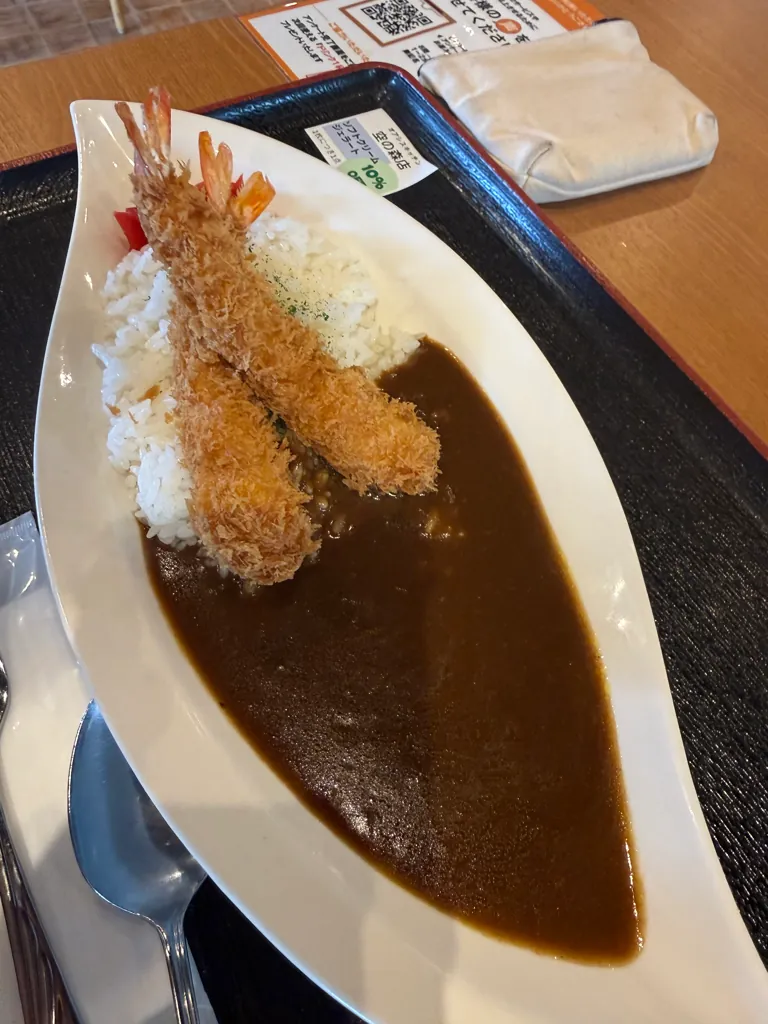
- Sunagawa pork chop (砂川ポークチャップ): a local dish made with Sunagawa tomatoes and onions. More than 20 restaurants serve their own versions.20
- Craft factories you can visit: SOMÈS SADDLE (ソメスサドル), a maker of saddles and leather goods, has a factory and showroom here.2122 SHIRO's open-plan cosmetics factory, "Minna no Kōjō" (みんなの工場), lets visitors watch products being made through glass walls.23
- Industry and medicine: at its height, about 10,000 workers and family members lived around the Toyo Koatsu chemical plant (東洋高圧).2 Hokkaido Mitsui Chemicals operates in the city today.4 Sunagawa City Hospital (砂川市立病院) is now the regional center hospital for central Sorachi.24
Sights & activities
Nature & scenery
- Sunagawa Oasis Park (砂川オアシスパーク): this water park was built on part of the Ishikari River's old course as a flood-control basin. A trail circles the pond, with hydrangeas in summer and sunsets over Mt. Pinneshiri in the Kabato range.16 Visitors can sail or canoe, and bicycles can be borrowed free from summer to autumn.19 The tourism association gives the rental season as late April to 31 October.16 The basin's management building is open as a rest house and has stained-glass windows.16
- Hokkō Park (北光公園): a 23.5 ha park5 with about 11,000 trees of 105 species. It is the city's cherry-blossom spot, with yachting, canoeing and fishing and a dog run.19 It began in 1932 as "Hokkōen" on leased levee land.12
- Summer flowers: lavender fields bloom at Kurose Lavender Garden (黒瀬ラベンダー園). Nasu Farm (那須ファーム) plants about 200,000 late-blooming sunflowers each year.16
Onsen
- No hot-spring facility was found inside the city. The closest hot spring found is Michi-no-Eki Utashinai Chiroru-no-Yu over the hills in Utashinai, with day bathing and an open-air bath.49
Museums & heritage
- SOMÈS SADDLE Sunagawa Factory & Showroom (ソメスサドル砂川ファクトリー・ショールーム), Hokkō 237-6: the company's own store beside the factory where it makes saddles and bags.2250
- SHIRO "Minna no Kōjō" (みんなの工場), Toyonuma-chō 54-1: the factory floor is visible through glass from the shop and café. At the Blender Lab visitors can mix their own fragrance in about 15 minutes, no booking needed. Factory tours and a kids' space are also available.23 The shop is open 10:00–19:00. The café is open 11:00–19:00 and serves wood-fired pizza found only at this branch.5152
- Hokusengakuji (北泉岳寺) and Sunagawa Shrine (砂川神社): see Culture & festivals.
Outdoor & seasonal activities
- Hokkaido Children's Land (北海道子どもの国), Hokkō 401-1: a 232.5 ha prefectural park with about 255 species of trees and wild plants. Ezo red squirrels, hares, raccoon dogs and foxes live there. It was named one of Japan's 100 best urban parks in 1989. Parking is free for 929 cars, and the park is open 4 January–28 December, with seasonal hours for each facility.18 Fushigi no Mori charged ¥500 for high-school age and up (9:30–17:00, mid-April–September) and ¥300 in October–10 November in 2025. Children of junior-high age and under enter free. Campsites cost ¥1,000 per night. The park also has "Yahho no Mori" universal play equipment and the Napal Sunagawa youth lodge. Fireflies can be seen in summer.19
- Winter: smelt fishing (ワカサギ釣り) on the ice at Oasis Park runs from January to the end of February.19 Children's Land has snow slides.17
- Auto Sports Land Sunagawa (オートスポーツランドスナガワ): paved kart track and dirt course. Loud vehicles over 100 dB are not allowed.19
- Drives and cycling: the tourism association promotes back-road "Country Road" drives past fruit and flower farms. Its English page also describes the Hokkaido Sweets Ride, a late-September cycling event linking sweet shops across north and central Sorachi; check whether it is still held.16
Food experiences
- Tour the Sweet Road. The city's list includes Iwase Farm, Kitakaro, Nakaya, Honda, Iyoda, Yoshikawa Foods, Petit Truffe Yamaya (macarons), Donut Cafe Zuzu and Cafe Kurumiru.1 Kinoniwa YA-YELL is a garden café overlooking Oasis Park, known for soft-serve bars filled with fresh fruit. It closes in winter, apart from bar sales.53
Roadside stations (Michi-no-Eki)
No Michi-no-Eki is located in Sunagawa. The official list of Hokkaido roadside stations has none in the city.54 The nearest are:
- Michi-no-Eki House Yarubi Naie (道の駅ハウスヤルビ奈井江), Naie, south on Route 12: a log-house-style station at about the midpoint of Route 12's 29.2 km straight. Its café Mimizuku (木莵) is known for homemade ice cream, and it sells local products.28
- Michi-no-Eki Takikawa (道の駅たきかわ), Takikawa (Eboetsu), north on Route 12, about halfway between Sapporo and Asahikawa.55
- Michi-no-Eki Utashinai Chiroru-no-Yu (道の駅うたしないチロルの湯), Utashinai, east of the city: a hot-spring station with day bathing and an open-air bath.49
- Michi-no-Eki Tsurunuma (道の駅つるぬま), Urausu, across the Ishikari River on Route 275, with local products and a vegetable stand.56
Roadside alternative inside the city: Sunagawa Highway Oasis (砂川ハイウェイオアシス館). This is not a registered Michi-no-Eki. It is a service-area complex that ordinary-road traffic can also use, and in practice it fills the same role.
- Location: Hokkō 336-7, inside Hokkaido Children's Land. It is linked to both carriageways of the Dō-Ō Expressway at Sunagawa SA. From Route 12, turn at the "Hokkaido Kodomo no Kuni" sign near Kitakaro's head store and follow Prefectural Road 1027.175758
- Hours: in September 2026, 9:00–17:00 on weekdays and 9:00–18:00 on weekends and holidays. From 1 October 2026 to 30 April 2027 it is open 9:00–17:00 every day. On 31 December it closes at 15:00, and it is closed on 1 January. The restaurant is open 10:30–17:00 (last order 16:30). Hours as of September 2026; check before visiting.17
- Shops & products: the complex has five outlets.17 Oasis Plaza sells Hokkaido souvenirs. The Soraichi Market (opened 2017) sells vegetables with producers' photos, rice, seasoned jingisukan, horumon, tomato juice and Jinnai Wagyu Aka beef from Urausu.46 Kitakaro's branch sells baumkuchen, rice crackers and the store-only "Budō to Komugi."38
- Food: Restaurant Oasis seats 180 on each floor. It serves a pork chop set (¥1,450), Urausu Wagyu hamburger (¥1,650), lamb jingisukan and Takikawa duck soba made with Horokanai buckwheat.37 At Oasis Kitchen Sora-no-Mori you can get Iwase Farm soft-serve (¥460), about 10 gelato flavors (single ¥480), Akabira "Hot Leg" fried chicken (¥780), rice-flour margherita pizza (¥720) and Yoshikawa ohagi (¥180; prices as of April 2024).43 Kitakaro's branch sells soft-serve and cream puffs.38
- Facilities: parking and entry are free. The expressway-side lot holds 313 cars and 104 large vehicles, the Children's Land lot 337 cars and 22 large vehicles, and a summer-only north lot 125 cars.5758 Other facilities:
- Notes: expressway users can make a U-turn through the Oasis between 6:00 and 22:00.57 The Sunagawa SA Smart IC (ETC only, vehicles up to 12 m, 6:00–22:00) links it to local roads.24 Children's Land describes the facility as the first place in Japan where expressway users could make a U-turn.18
Getting there & around
- Rail: the city has two JR Hakodate Main Line stations, Sunagawa (砂川, A20) and Toyonuma (豊沼).4 All limited expresses stop at Sunagawa except the Okhotsk No. 2 and the up Sōya.25 Limited expresses take about 50 minutes from Sapporo, 40 minutes from Asahikawa and 90 minutes from Chitose.27 The station opened on 5 July 1891.25
- Road: National Route 12 runs through the center. The Dō-Ō Expressway has the Sunagawa SA Smart IC (ETC only) in the city, and Naie-Sunagawa IC (in Naie) and Takikawa IC nearby.427 By car the city is about 80 km from Sapporo, roughly 45 minutes on the expressway or 100 minutes on ordinary roads, and about 60 km from Asahikawa (35 minutes by expressway).27
- Buses: Chūō Bus intercity expresses to Asahikawa and Furano stop at "Kōsoku Sunagawa Ishiyama" (高速砂川石山), about 15 minutes' walk from the Highway Oasis. The walk is longer in winter, when the north gate of Children's Land is closed.57 Local buses are changing. Chūō Bus's Takikawa–Naie line ends on 30 September 2026. From 1 October the Urausu–Sunagawa line, run by Bibai Driving School, serves the city; fares are paid when boarding.59 SHIRO runs a free shuttle bus from Sunagawa Station to its factory.51
- Taxi: about 10 minutes from Sunagawa or Takikawa station to the Highway Oasis.57
- Air: New Chitose Airport is about 90 minutes by limited express. Asahikawa Airport is another option (about 95 minutes' flight from Haneda).2716
Practical tips
- When to go:
- May: cherry blossoms and the Green and Flower Festival at Hokkō Park.
- July–August: lavender, sunflowers and the Love River festival with fireworks.
- Late September: the harvest festival and Sweet Maranic.
- December: street mochi-pounding and the Gishi Festival.
- January–February: ice fishing at Oasis Park.4716
- Visitor information: the Sunagawa Tourism Association has a counter at Sunairu (すないる), near the station at Nishi 1-jō Kita 2-chōme 1-20. SuBACo in the same building is open 10:00–17:00 on weekdays.36 Sunairu also has free Wi-Fi, a café and rental bicycles.24
- Brown bears: the city had logged 36 bear sightings, tracks and droppings in FY2026 by 14 September. They included young bears near the rail line at Higashi 2-jō Minami 4-chōme (2 September) and a bear on factory grounds in town (3 September).60 Children's Land reported a cub on a park path on 24 June 2026.18 SHIRO asks visitors to take its shuttle from the station instead of walking.51 Carry a bell, avoid thickets and do not walk alone at dawn or dusk.18
- Winter driving: expect heavy snow. The average deepest snow at nearby Takikawa is 114 cm.29 Route 12's snow-flushing gutters keep the main street usable,2 but side roads and the hills to the east can be icy.
- Seasonal closures: Children's Land facilities close outside their seasons, and the park is closed 29 December–3 January.18 YA-YELL closes from December to late April.53 The Smart IC is ETC-only and closes overnight.2724
Photos
-
 Mar 2026
More about Sunagawa
At a glance
| Field | Details |
|---|---|
| Type | City (市) since 1 July 19583 |
| Subprefecture | Sorachi (空知総合振興局) |
| District | None (city). Before 1958 it was Sunagawa Town in Sorachi District (空知郡)34 |
| Population | 16,486 in 7,599 households at the 2020 Census.5 The preliminary 2025 Census count was 14,998, down 1,488 (9.0%).6 The resident register showed 14,801 people in 8,316 households on 31 August 2026. Of these, 6,080 (41.1%) were 65 or older and 104 were foreign residents.7 |
| Area | 78.68 km².8 The city is about 11.3 km east–west and 12.7 km north–south.9 Forest covers 31.4% of the land, rice paddies 10.1%, other fields 7.6% and residential land 7.4%.5 |
| Density | About 188 people/km² in August 2026, down from about 210/km² at the 2020 Census (calculated from the figures above) |
| Municipal history | Nae Village (奈江村) was founded in 1890. The city's data book gives 7 August 1890 as its founding date.5 Utashinai split off in July 1897. Nae became a second-class village on 1 April 1902, was renamed Sunagawa Village on 23 August 1903, and became a first-class village on 1 April 1907. Town status came on 15 June 1923.3 The city data book gives 21 June 1923 instead.5 Naie Village split off on 1 April 1944 and Kamisunagawa Town on 1 January 1949. City status came on 1 July 1958, and part of Shintotsukawa was added in 1959.3 |
| Neighboring municipalities | Takikawa (north, across the Sorachi River), Akabira, Utashinai and Kamisunagawa (east), Naie (south) and Shintotsukawa (west, across the Ishikari River)9 |
| Symbols | Tree: Japanese rowan (ナナカマド), adopted 25 October 1966. Flower: lily of the valley (スズラン), adopted 19 August 1987. The emblem, adopted 21 June 1948, is a stylized す for "Sunagawa."10 No official city bird was found. |
| Mascot | The city has no general-purpose yuru-chara. The Sunagawa Sweet Road Council's official character is Swip-chan (スィップちゃん; spelled スイップちゃん in its usage rules).111 Mimamoringo (みまもりんご) is an apple-shaped character created in 2013 for the city's program of watching over elderly residents.1213 |
| Official website | https://www.city.sunagawa.hokkaido.jp/ |
Name origin
- The city says "Sunagawa" (literally "sand river") is a translation of the Ainu ota-us-nay (オタ・ウシ・ナイ): ota "sand," us "plentiful," nay "river." Two streams in the city still carry the Ainu name. The Penke-Otaushinai (ペンケオタウシナイ川, "upper") rises in Utashinai, and the Panke-Otaushinai (パンケオタウシナイ川, "lower") flows through the middle of downtown.9
- The Hokkaido Government gives the word as otashinai (オタシナイ) with the same meaning ("sand–plentiful–river").3 Its entry for Kamisunagawa glosses it as "a big sandy river" (大きな砂の川). Kamisunagawa ("upper Sunagawa") took its name because it lies upstream of Sunagawa.3
- Japanese Wikipedia offers another reading, "the river attached to the sandy beach" (砂浜・についている・川). It also notes that the same Ainu name, written by sound instead of by meaning, became "Utashinai" (歌志内).4 The Hokkaido Government confirms that Utashinai comes from the Penke-Otashinai River.3
- The municipality's first name, Nae (奈江), was replaced by "Sunagawa" in 1903.3 Sunagawa Station had carried the name since 1891. The railway company had first planned to call the junction "Utashinai" before settling on "Sunagawa."25
History
- Ainu era and exploration: little is recorded about Ainu settlement inside today's city (see Ainu heritage). In 1857 the explorer Matsuura Takeshirō (松浦武四郎) surveyed Sorachibuto (空知太), at the mouth of the Sorachi River, during his exploration of Kamikawa. In 1872 Takabatake Toshiyoshi (高畑利宜) stayed there overnight while traveling up the Ishikari River to survey the Kamikawa region.12
- Road, ferry and coal (1886–1890): in 1886 about 500 convicts from the Kabato and Sorachi prisons cut the Kamikawa road from Iwamizawa toward Chūbetsubuto (Asahikawa).242 That same year Miura Yonezō (三浦米蔵) opened a ferry at Sorachibuto, which the city counts as the start of permanent settlement.125 The Hokkaido Government's entry for Takikawa describes him as a Yamagata Prefecture native.3 The Utashinai coal mine opened in 1887, turning the area into a junction between Kamikawa and the coalfield. In 1890 Nae Village was established.2
- Railway town (1891–1920s): on 5 July 1891 the Hokkaido Colliery and Railway Company opened lines from Iwamizawa to Sunagawa and on to Utashinai. Sunagawa Station was the junction.25 The government surveyed land plots and leased them to farmers. The population grew from 11 in 1890 to 2,331 in 1894 and over 7,000 by 1900.2 Mitsui Bussan opened a sawmill in 1902. A great fire burned about 120 houses in 1909.12 In 1899 woodyard workers from Awa (Tokushima) started the year-end street mochi-pounding that continues today.26 Mitsui's Sunagawa coal mine in Kamisunagawa opened in 1915, and a branch line reached it in 1918.12
- Rivers, floods and industry (1920s–1945): town status came in 1923.3 An irrigation canal brought water to the paddies from 1929. Repeated floods in the early Showa years hit the town hard.122 Construction of the Toyo Koatsu (東洋高圧) Hokkaido works began in 1939. Work on a thermal power station at Toyonuma, run by a predecessor of Hokkaido Electric, began in 1940.12 In February 1944 Sunagawa had 40,022 residents. That April, Naie split off.5
- Postwar boom and city status (1946–1970): Toyo Koatsu began producing ammonium sulfate in 1946. During the high-growth years about 10,000 employees and family members lived around the plant.2 After Kamisunagawa split off in 1949, the town had 23,072 people.5 Hokkaido Electric's Sunagawa power station began generating in 1951.12 Sunagawa became a city in 1958. The next year the population reached 32,495, its highest since city status.9 The 1962 Ishikari River flood put 1,252 homes under water above floor level.12 The city responded with a new river channel, finished in 1970 at a cost of ¥3.6 billion.2
- Parks and amenity (1970s–1990s): the city declared itself a "greening city" in 1974.10 Hokkaido Children's Land was set up in 1976.18 Snow-flushing gutters were built along Route 12, the first section in 1982 and the full system by 1984.12 The Amenity Town designation also came in 1984.2 The expressway opened through the city in 1988. The JR Utashinai Line closed that same year, and the Kamisunagawa branch followed in 1994.12 The Highway Oasis opened in 1991,17 and the Sunagawa flood-control basin, now Oasis Park, was completed in 1995.12
- Sweets and makers: Hori was founded in Sunagawa in April 1947 and launched Yubari Melon Pure Jelly in 1987. It set up Kitakaro in April 1991.15 SOMÈS SADDLE began in Utashinai in 1964 as Orient Leather. About 30 years later it moved production to a new Sunagawa factory and showroom.21
- Recent decades: the new Sunagawa City Hospital opened in 2010.24 The Sunagawa SA Smart IC opened in August 2015.27 The city's timeline lists the new city hall as completed in 2021,12 while the 2024 city yearbook gives 2020.24 "Sunairu" (すないる), a meeting and tourist-information hub by the station, opened in April 2025. Sunagawa Gakuen (砂川学園), a combined elementary–junior high school, opened in April 2026.2 Local talks in 2003–04 about merging the Naka-Sorachi municipalities ended without a merger.12
Geography & climate
- Setting: Sunagawa lies in the Ishikari Plain on the east bank of the Ishikari River, just south of where the Sorachi River joins it. The rivers form the western and northern borders. To the east, low hills of the Yubari range separate it from the former coal towns of Akabira, Utashinai and Kamisunagawa. Downtown stretches north–south between the flatland and the Ishikari. Route 12, the Dō-Ō Expressway and the JR Hakodate Main Line all run through the middle of the city.9 Route 12 here is part of what is described as Japan's longest straight road, 29.2 km.1528
- Hills and waters: the highest named summit is Toyohirayama (豊平山, 261 m). Ishiyama (石山) is 237 m. Rivers include the Ishikari, the Sorachi, the Naetoyohira (奈江豊平川) and the Panke- and Penke-Utashinai. Ponds include Fukurochi-numa (袋地沼) and Hokkō-numa (北光沼).4 The flood-control basin of Oasis Park was built on part of the Ishikari River's old course.16
- Parks: the city manages 26 urban parks with 363.98 ha in use, including a 232.5 ha wide-area park listed as Ishiyama Park (the same area as Children's Land), 23.5 ha Hokkō Park and 63.4 ha of Ishikari River green space.5 That is roughly 245 m² per resident (calculated from the 2026 register). No national, quasi-national or prefectural natural park was found within the city.
- Climate: the city describes an inland climate with a wide gap between summer and winter, heavy summer rain and heavy winter snow.9 Sunagawa has no JMA station. The nearest, Takikawa AMeDAS, lies just north across the Sorachi River. Its 1991–2020 normals are: annual mean 7.0 °C; January mean −6.9 °C (average daily low −11.7 °C); August mean 20.7 °C (average daily high 26.0 °C); annual precipitation 1,156 mm; total snowfall 844 cm; average deepest snow 114 cm.29 Records there include a high of 36.0 °C on 28 July 2021, a low of −27.2 °C on 29 January 1977, and snow 167 cm deep on 23 February 2018.30
Economy & industry
- Jobs: at the 2020 Census, 7,444 residents were employed. Medical care and welfare was the largest sector, with 1,710 workers (about 23%), reflecting the city hospital and care facilities. Next came wholesale and retail (1,037), manufacturing (890), construction (832) and agriculture (377, 5.1%).5
- Manufacturing: the 2024 survey counted 27 plants with 719 employees and ¥46.7 billion in 2023 shipments. Chemicals led, with 4 plants shipping ¥26.1 billion. Food followed, with 10 plants, 278 employees and ¥15.9 billion.5 Companies based here include Hori and Kitakaro,1531 SOMÈS SADDLE,22 Hokkaido Mitsui Chemicals and Oji Cornstarch's Hokkaido plant.4 Kitakaro alone employed 247 people in April 2026, including group-company and part-time staff.31 The city still hosts a thermal power station and receives national power-siting grants, which it spends on daycare.32 It offers subsidies to companies that locate in the Dō-Ō Sunagawa Industrial Park.33
- Commerce: the 2021 Economic Census counted 164 wholesale and retail businesses with 1,583 workers and ¥50.5 billion in annual sales.5
- Agriculture: farm households fell from 308 in 2005 to 193 in 2020. In FY2024 farmers planted 467 ha of rice, 175 ha of buckwheat, 89 ha of onions, 202 ha of pasture and 34 ha of corn. The city also had 221 dairy cattle and 9,256 pigs.5 The city's furusato nozei gifts include Nanatsuboshi and Yumepirika rice. A local liquor store sells a sake made from Sunagawa-grown sake rice.24
- Tourism: tourist visits rose from 903,000 in FY2021 to 1,476,000 in FY2024.5
- Health care: Sunagawa City Hospital serves as a regional center hospital, disaster base hospital, regional perinatal center and regional cancer hospital.34 It also runs a 24-hour emergency and critical care center.24 In FY2024 it averaged 302 inpatients and 946 outpatients a day.5
- Population and revitalization: the population has fallen by more than half since its peak of over 40,000 before 1949.9 The city's revitalization efforts include:
- the Sweet Road brand and its sweets stamp rally;35
- Sunairu by the station, which houses the tourism association and the chamber of commerce;24
- SuBACo, a downtown information center run by regional revitalization volunteers;36
- furnished "trial living" houses for prospective migrants;24
- furusato nozei (ふるさと納税) donations, whose best-known gifts are SHIRO products.34
Local specialties
| Specialty | Category | Details & where to get it |
|---|---|---|
| Sunagawa pork chop (砂川ポークチャップ) | Local dish (ご当地グルメ) | Pork chop made with local tomatoes and onions. More than 20 restaurants serve it as a set meal, steak or curry.20 Restaurant Oasis at the Highway Oasis serves a pork chop set with Kamifurano pork and Uryū-grown rice for ¥1,450.37 |
| Kitakaro (北菓楼) | Confectionery | Founded in Sunagawa in 1991.31 The head store and café at Nishi 1-jō Kita 19-chōme is open 9:00–18:30 and closed only on 1 January.14 Signature products are rice crackers made over about seven days and moist baumkuchen.24 The Highway Oasis branch sells the store-only raisin cake "Budō to Komugi" (葡萄と小麦).38 |
| Hori (ホリ) | Confectionery | Founded in Sunagawa in 1947. Yubari Melon Pure Jelly came out in 1987. It and Tōkibi Choco (とうきびチョコ) both won Monde Selection grand gold medals in 2005.15 |
| Ringo Roman (林檎ロマン) | Sweets | The best seller at Honda (ほんだ) is a sablé sandwich with apple pieces in white-chocolate cream. The shop at Nishi 1-jō Kita 11-chōme is open 9:00–18:00.39 |
| Nakaya apple pie (ナカヤ) | Sweets | A town bakery since 1948. Its apple pie is baked several times a day.40 The city's Sweet Road page says more than 2,000 can sell in a single day.1 |
| Kinuta-mochi (きぬたもち) | Wagashi | Iyoda (いよだ), founded in 1897,24 makes this steamed mochi with Hokkaido glutinous rice, sugar, soy sauce and walnuts. It won an honorary president's award at a national confectionery expo in 1955.41 |
| Ohagi (おはぎ) | Wagashi | Yoshikawa Foods (吉川食品) at Higashi-Toyonuma makes koshi-an, kinako, sesame and zunda ohagi.42 It also sells ohagi at the Highway Oasis for ¥180 each.43 |
| Iwase Farm gelato (岩瀬牧場) | Dairy | Gelato from a pasture dairy farm more than 100 years old; the best-selling flavor is "Shiboritate" (fresh milk).44 The farm shop at Ichinosawa 237-6 has an eat-in area.45 |
| Rice and sake | Crops / sake | Nanatsuboshi and Yumepirika rice are among the furusato nozei gifts. Iriyama Koyama Shōten (いりやま小山商店), a liquor store founded in 1909, sells the sake "Sunagawa Suisei" (砂川彗星), made entirely from sake rice grown in Sunagawa.24 |
| Apples and blueberries | Fruit | Mitani Orchard (三谷果樹園) grows apples and blueberries and makes jam and apple juice.24 |
| SOMÈS SADDLE leather (ソメスサドル) | Craft | Saddles and handmade bags. The company supplied carriage harness for the Heisei enthronement and leaders' gifts for the 2008 Tōyako G8 Summit.21 Factory and showroom at Hokkō 237-6.22 |
| SHIRO cosmetics | Brand products / furusato nozei | Fragrances, laundry liquid and hair care from SHIRO's Sunagawa factory are among the city's most popular furusato nozei gifts.34 |
| Sorachi seasoned jingisukan and horumon | Meat | The Soraichi Market (そらいちマーケット) at the Highway Oasis sells them. It describes Sorachi as the birthplace of pre-seasoned jingisukan.46 |
Culture & festivals
Dates are from the city's FY2026 event calendar (April 2026–March 2027) unless noted.47
| Event | When | Highlights |
|---|---|---|
| Sunagawa Sweets Stamp Rally (すながわスイートスタンプラリー) | 1 May–30 Sep 2026 | Collect app stamps at Sweet Road shops for prizes and coupons35 |
| Sunagawa Green and Flower Festival (すながわ緑と花の祭典) | 17 May 2026 (52nd) | Held at Hokkō Park since 1975.24 Garden market, free seedlings and stage shows1648 |
| All-Japan Dirt Trial and Gymkhana rounds | 23–24 May and 27–28 Jun 2026 | National motorsport championship rounds at Auto Sports Land Sunagawa47 |
| Amenity Town Sunagawa Marathon | 28 Jun 2026 (39th) | Road race around Children's Land47 |
| Love River Sunagawa Summer Festival (ラブ・リバー砂川夏まつり) | 8 Aug 2026 (29th) | Held at Oasis Park since 1995.24 Stalls and stage shows, ending with the 54th Sunagawa fireworks display. A Bon dance with costume and children's rounds is held the same day48 |
| Sunagawa Citizens' Festival (砂川市民祭り) | 25–27 Aug 2026 | Downtown festival; the "Ryokusui" portable shrine (緑粋みこし) parades on 26 Aug47 |
| Sunagawa Handmade Soba Festival (砂川手打ちそば祭り) | 13 Sep 2026 | At the Yū community center (地域交流センターゆう)47 |
| Sunagawa Sweet Maranic (すながわスイートマラニック) | 19 Sep 2026 | Run-and-picnic event at Oasis Park47 |
| Naka-Sorachi Harvest Festival (なかそらち大収穫祭) | 26–27 Sep 2026 | Produce and processed foods from the five cities and five towns of central Sorachi, at the Highway Oasis48 |
| Sunagawa Street Mochi-Pounding (砂川街頭もちつき) | 12 Dec 2026 | Held every year-end since 1899. It is the city's first designated intangible folk cultural property (2008). In 2025 the mochi was handed out at three places in town26 |
| Hokkaido Gishi Festival (北海道義士祭) | 14 Dec every year | Honors the 47 rōnin of Chūshingura at Hokusengakuji (北泉岳寺). Includes an iai sword offering, a graveside rite and a costumed parade4816 |
| Children's Land Winter Festival / Sunagawa Winter Festival | 7 Feb 2027 / early Feb | Snow play at Children's Land; winter festival at Oasis Park47 |
- Shrines and temples: Sunagawa Shrine (砂川神社, Higashi 5-jō Minami 4-chōme) was founded in 1891. There are smaller shrines at Sorachibuto and Tomihira.4 Hokusengakuji's graves of the 47 rōnin stand on soil brought from Sengakuji in Takanawa, Tokyo.16
- Museums and heritage: there is no large city museum. A local history room (郷土資料室) opened with the new community center in 1981; its current opening was not verified.24 The Yū community center (2007) hosts citizens' theater, a kids' jazz school and the culture festival.24
- Other traditions: the 1899 mochi-pounding recalls workers who came from Tokushima (Awa).26 The September soba festival suits a city that planted 175 ha of buckwheat in FY2024.475
Ainu heritage
Little Ainu history specific to Sunagawa is documented, and no Ainu cultural facility or archaeological site in the city was found. The Ainu legacy survives mainly in place names:
- Sunagawa and Utashinai both come from the Ainu name ota-us-nay for the sandy streams. Sunagawa's name is the translation, and Utashinai's is the sound transcription. The Panke- and Penke-Otaushinai rivers keep the original name.93
- Toyohirayama (豊平山) is named after the Naetoyohira River. Japanese Wikipedia, citing the Ainu place-name dictionary Hokkaidō Ezo-go Chimei-kai (北海道蝦夷語地名解), derives the name from Ainu tuye-pira (ト゚イエピラ, "collapsed cliff").4
- Sorachibuto (空知太), at the Sorachi confluence, was the stopping point recorded by Matsuura Takeshirō in 1857.12 The Hokkaido Government derives neighboring Takikawa's name from the Ainu ソーラップチプト, glossed as "river where waterfalls descend."3
Sister & friendship cities
None found. Neither the city's website nor its 2026 data book lists a sister or friendship city. Sunagawa does work with its neighbors through the Naka-Sorachi Settlement and Self-Reliance Zone (中空知定住自立圏), whose agreement was signed in 2014.12
Notable people
- Kaneda Tatsue (金田たつえ, b. 1948): enka singer from Sunagawa. Her 1973 song "Hanamachi no Haha" (花街の母) became a national hit six years after release and took her to the 1979 Kōhaku Uta Gassen.61
- Kuri Ryōhei (栗良平, b. 1943): author of the tale Ippai no Kakesoba (一杯のかけそば, "One Bowl of Soba"), which became a sensation in 1989. He was born in Sunagawa and graduated from the local high school.62
- Nemoto Yukinori (根本幸典): member of the House of Representatives for Aichi 15th district, born in Sunagawa.63
- Nagai Mitsuya (長井満也, b. 1968): professional wrestler from Sunagawa.64
Sources
Numbers in the text link to these sources. Figures as of 23 September 2026
- すながわスイートロード|観光情報 — 砂川市 Sunagawa City JA accessed 2026-09-23
- 砂川の軌跡|砂川の歴史 — 砂川市 Sunagawa City JA accessed 2026-09-23
- 道内市町村沿革、字(町)名等検索システム(道内市町村の沿革) — 北海道総合政策部地域行政局市町村課 Hokkaido Government JA accessed 2026-09-23
- 砂川市 — Wikipedia JA accessed 2026-09-23
- 砂川市勢要覧資料編 2026 — 砂川市 Sunagawa City JA accessed 2026-09-23
- 令和7年国勢調査速報 北海道の人口・世帯数 — 北海道 Hokkaido Government JA accessed 2026-09-23
- 令和8年度住民基本台帳人口|DATAすながわ — 砂川市 Sunagawa City JA accessed 2026-09-23
- 令和8年全国都道府県市区町村別面積調(4月1日時点) — 国土地理院 Geospatial Information Authority of Japan JA accessed 2026-09-23
- プロフィール|砂川市の概要 — 砂川市 Sunagawa City JA accessed 2026-09-23
- 砂川アラカルト|砂川市の概要 — 砂川市 Sunagawa City JA accessed 2026-09-23
- すながわスイートロード協議会公式キャラクター使用に関する取扱要項 — すながわスイートロード協議会 / 砂川市 JA accessed 2026-09-23
- 歴史年表|砂川の歴史 — 砂川市 Sunagawa City JA accessed 2026-09-23
- 高齢者見守りキャラクター『みまもりんご』 — 砂川市 Sunagawa City JA accessed 2026-09-23
- 北菓楼|すながわスイートロード — 砂川市 Sunagawa City JA accessed 2026-09-23
- 会社概要 沿革 — 株式会社ホリ JA accessed 2026-09-23
- Sunagawa Trip (English) — 砂川観光協会 Sunagawa Tourism Association EN accessed 2026-09-23
- 【公式】砂川ハイウェイオアシス館|土産・食事・遊び・休憩 — 砂川ハイウェイオアシス観光株式会社 JA accessed 2026-09-23
- 北海道子どもの国 — 一般財団法人北海道子どもの国協会 JA accessed 2026-09-23
- 観る・遊ぶ|観光情報 — 砂川市 Sunagawa City JA accessed 2026-09-23
- 食べる|観光情報 — 砂川市 Sunagawa City JA accessed 2026-09-23
- ソメスについて — ソメスサドル株式会社 SOMÈS SADDLE JA accessed 2026-09-23
- 会社概要 — ソメスサドル株式会社 SOMÈS SADDLE JA accessed 2026-09-23
- FACILITY みんなの工場ってどんな施設? — 株式会社シロ SHIRO JA accessed 2026-09-23
- 砂川市勢要覧(2024年3月発行) — 砂川市 Sunagawa City JA accessed 2026-09-23
- 砂川駅 — Wikipedia JA accessed 2026-09-23
- 砂川市指定無形民俗文化財「街頭もちつき」 — 砂川市 Sunagawa City JA accessed 2026-09-23
- 交通アクセス|砂川市の概要 — 砂川市 Sunagawa City JA accessed 2026-09-23
- ハウスヤルビ奈井江 — 北の道の駅(北海道道の駅連絡会) JA accessed 2026-09-23
- 滝川(空知地方) 平年値(年・月ごとの値) — 気象庁 Japan Meteorological Agency JA accessed 2026-09-23
- 滝川(空知地方) 観測史上1~10位の値 — 気象庁 Japan Meteorological Agency JA accessed 2026-09-23
- 会社情報 — 株式会社北菓楼 JA accessed 2026-09-23
- 電源立地交付金を活用した事業について — 砂川市 Sunagawa City JA accessed 2026-09-23
- 道央砂川工業団地の分譲 — 砂川市 Sunagawa City JA accessed 2026-09-23
- ふるさと「砂川」を応援してください!!(ふるさと納税) — 砂川市 Sunagawa City JA accessed 2026-09-23
- すながわスイートスタンプラリー2026が開催されます — 砂川市 Sunagawa City JA accessed 2026-09-23
- まちなか集客施設「SuBACo」(商工労働観光課隊員の活動拠点)について — 砂川市 Sunagawa City JA accessed 2026-09-23
- レストランおあしす — 砂川ハイウェイオアシス館 JA accessed 2026-09-23
- 北菓楼砂川ハイウェイオアシス館店 — 砂川ハイウェイオアシス館 JA accessed 2026-09-23
- ほんだ|すながわスイートロード — 砂川市 Sunagawa City JA accessed 2026-09-23
- ナカヤ|すながわスイートロード — 砂川市 Sunagawa City JA accessed 2026-09-23
- いよだ|すながわスイートロード — 砂川市 Sunagawa City JA accessed 2026-09-23
- 吉川食品|すながわスイートロード — 砂川市 Sunagawa City JA accessed 2026-09-23
- オアシスキッチン空の森 — 砂川ハイウェイオアシス館 JA accessed 2026-09-23
- 【English】すながわスイートロードマップ英語版(表面) — すながわスイートロード協議会 / 砂川市 EN accessed 2026-09-23
- 岩瀬牧場|すながわスイートロード — 砂川市 Sunagawa City JA accessed 2026-09-23
- 空知の産直そらいちマーケット — 砂川ハイウェイオアシス館 JA accessed 2026-09-23
- 観光イベントカレンダー(令和8年4月~令和9年3月) — 砂川市 Sunagawa City JA accessed 2026-09-23
- イベントを楽しむ|観光情報 — 砂川市 Sunagawa City JA accessed 2026-09-23
- うたしないチロルの湯 — 北の道の駅(北海道道の駅連絡会) JA accessed 2026-09-23
- 店舗一覧 — ソメスサドル株式会社 SOMÈS SADDLE JA accessed 2026-09-23
- ACCESS みんなの工場へのアクセス — 株式会社シロ SHIRO JA/EN accessed 2026-09-23
- SHIRO(みんなの工場)|すながわスイートロード — 砂川市 Sunagawa City JA accessed 2026-09-23
- 季の庭 YA-YELL|すながわスイートロード — 砂川市 Sunagawa City JA accessed 2026-09-23
- 道の駅一覧 — 北の道の駅(北海道道の駅連絡会) JA accessed 2026-09-23
- たきかわ — 北の道の駅(北海道道の駅連絡会) JA accessed 2026-09-23
- つるぬま — 北の道の駅(北海道道の駅連絡会) JA accessed 2026-09-23
- アクセス — 砂川ハイウェイオアシス館 JA accessed 2026-09-23
- 施設案内 — 砂川ハイウェイオアシス館 JA accessed 2026-09-23
- 路線バス「滝川奈井江線」の廃止と「浦臼砂川線」の運行開始 — 砂川市 Sunagawa City JA accessed 2026-09-23
- 【農政課】令和8年度クマの目撃情報等について(更新) — 砂川市 Sunagawa City JA accessed 2026-09-23
- 金田たつえ — Wikipedia JA accessed 2026-09-23
- 栗良平 — Wikipedia JA accessed 2026-09-23
- 根本幸典 — Wikipedia JA accessed 2026-09-23
- 長井満也 — Wikipedia JA accessed 2026-09-23