Fukagawa 深川市
ふかがわし
Fukagawa is a farming city where the Ishikari River leaves its gorges and enters the Ishikari Plain, in the middle of Hokkaido on the main routes between Sapporo and Asahikawa.12 It grows around 30,000 tonnes of rice a year and, according to the city, ranks second in Japan for buckwheat area.34 It is also known for apples and cherries, a sweet called Urokodango that has been sold at the railway station since 1913, and a Jōmon-period stone circle that is a national historic site.567
- Population (2020 Census)
- 20,039
- Area
- 529.42 km²
- Official website
- www.city.fukagawa.lg.jp
Known for
- Rice: Fukagawa is one of Hokkaido's main rice districts. Paddy fields line the Ishikari and Uryū rivers, and the city produces about 30,000 tonnes of rice a year, led by the Yumepirika, Nanatsuboshi and Fukkurinko brands.13 JA Kitasorachi's Yumepirika won the top prize (最高金賞) at the Hokkaido-wide Yumepirika Contest in 2021.18
- Buckwheat (soba): the city says Fukagawa ranks second in Japan for buckwheat area. In FY2021 it was second for both area and harvest, with 2,480 ha planted and 1,100 tonnes harvested.34 Its local dish, Fukagawa soba-meshi (深川そばめし), combines local rice and buckwheat.4
- "Fruit kingdom": visitors can pick cherries in July, blueberries in August, and apples and prunes in September. Local apples also go into a cider sold as Fukagawa Cider (ふかがわシードル).51920
- Urokodango (ウロコダンゴ): a soft, fish-scale-shaped rice cake. It has been sold at Fukagawa Station since 1913 and takes its name from the herring scales stuck to freight wagons on the Rumoi Line.216
- Otoe Stone Circle (音江環状列石): a group of Jōmon-period graves on a hill in Otoe. It was designated a national historic site in 1956.722
- Tondenhei heritage: soldier-farmers settled Ichiyan and Osamunai in 1895–96. A preserved soldier's house and several city-designated sites remain from that time.157
- Rice Land Fukagawa: a rice-themed Michi-no-Eki at the junction of National Routes 12 and 233.23
- Crossroads of northern Hokkaido: three national routes and two expressways meet here, and limited express trains to Asahikawa, Wakkanai and Abashiri stop at Fukagawa Station.1224
Sights & activities
Nature & scenery
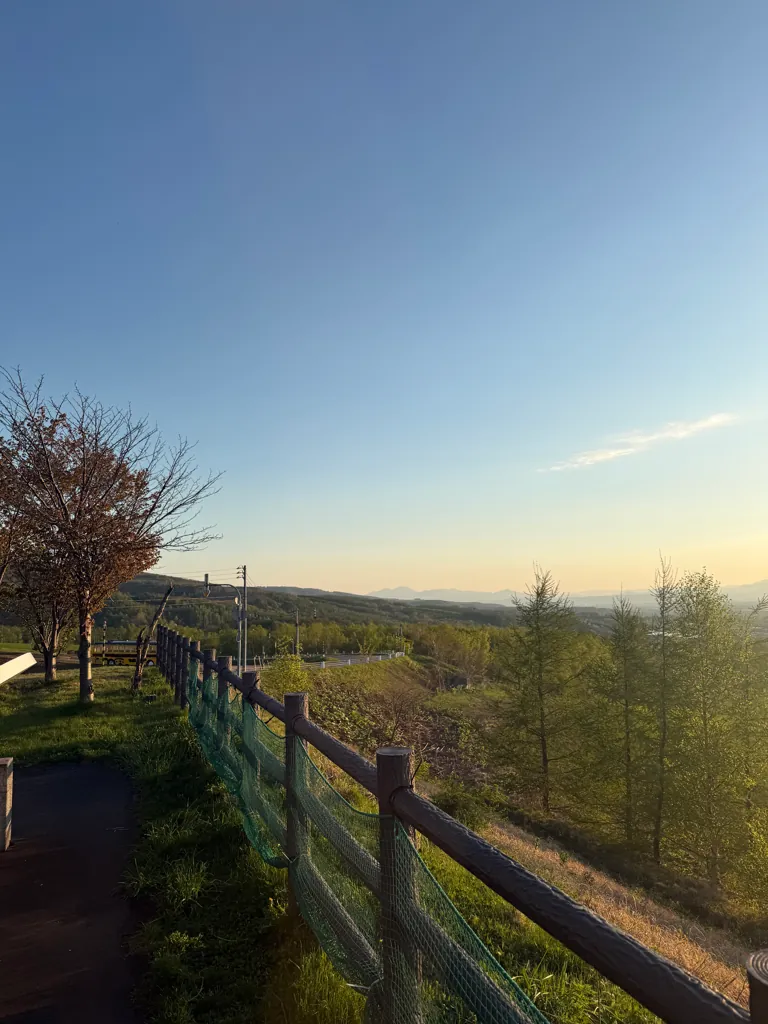
- Kunimi Park and Kunimi Pass (国見公園・国見峠):
- on the old Route 12 in Otoe. The 154 m lookout gives a panorama over the city and the Ishikari valley.
- Toilets and a gazebo. Closed in winter.34
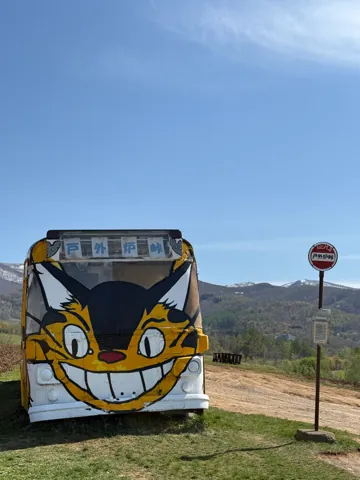
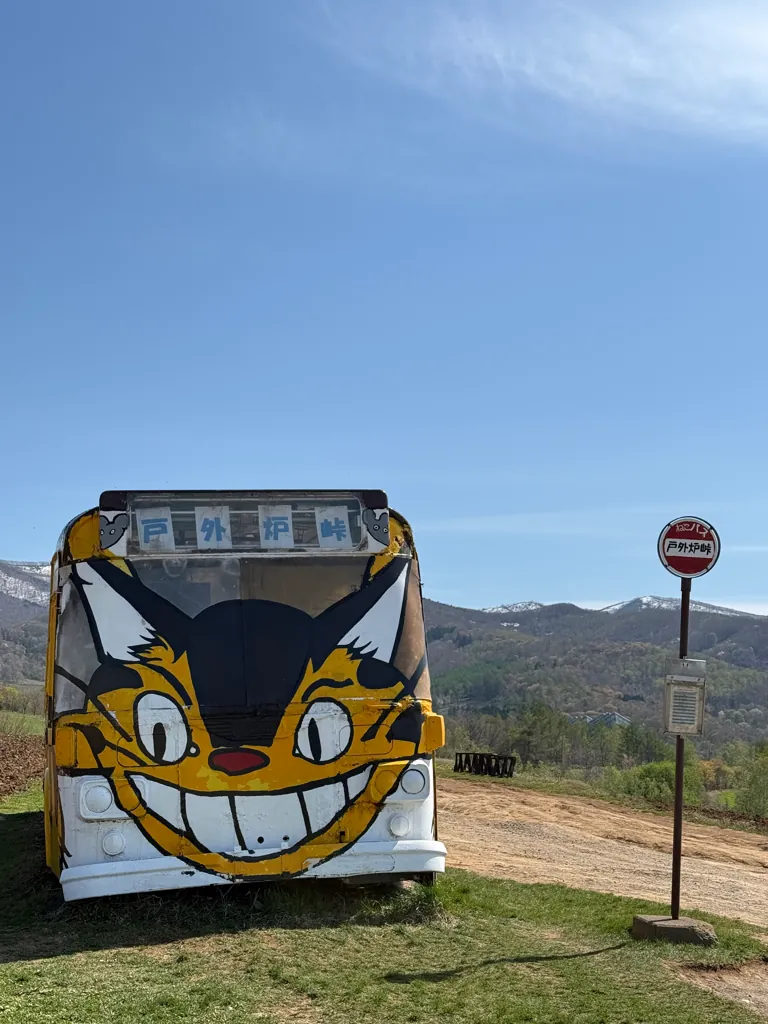
- Togairo Pass parking park (戸外炉峠駐車公園):
- Irumukeppu Skyline lookout: reached by trail from the Michi-no-Eki via the former Fukagawa ski area, or from the former Okirikawa hot spring. The last stretch climbs 90 wooden steps from the parking lot.20
- Maruyama Park (丸山公園):
- Ichiyan 2527-78, next to Maruyama-ji.
- Rare katakuri colonies bloom here in early May.
- Visitors can feed the carp in Masuo Pond from a jetty, and there is a monument with a poem by Kitahara Hakushū.
- About 10 minutes' drive from Fukagawa Station.46
- Sakurayama Park (桜山公園):
- Ichiyan 1863.
- About 800 cherry trees, a park-golf course, a running course and two steam locomotives on display.45
- Takadomari Nature Park (鷹泊自然公園): beside the Takadomari Dam lake in the north, with a lookout and a campground.33
- Ginkgo avenue on the Oto 43-gō road (音43号線銀杏並木): a stretch of the old national road lined with ginkgo trees.255
Onsen
- Irumu no Yu at Agri Studio Maabu (アグリ工房まあぶ「天然温泉イルムの湯」):
- Otoe 600. The only hot-spring facility in the city.6
- Water: the Fukagawa Irumu spring, a weakly alkaline cold mineral spring promoted as a "beautiful-skin bath".
- Indoor bath, open-air rock and pot baths facing the forest, and a sauna kept at about 100 °C.
- Day bathing 10:00–21:00 (last entry 20:30). Adults ¥500, children ¥300.56
- The facility also has cottages and a restaurant, Kitchen Shunsai (きっちん旬彩).57
Museums & heritage
- Otoe Stone Circle (音江環状列石):
- Otoe-chō Kōyō 171-1.
- A national historic site of Jōmon graves.
- About 10 minutes' drive from Fukagawa IC, or a 10-minute walk from the Inamiyama-iriguchi bus stop.
- There are no toilets, so use the Michi-no-Eki first.7
- Tondenhei and pioneer sites: these are all city-designated sites.7
- Otoe Hokke post station site: Otoe 42-3.
- 1st Tondenhei Infantry Battalion HQ site, in the grounds of Kyōen-ji.
- Kantekigō (監的壕): a bunker at the tondenhei shooting range where hits were checked, rebuilt in concrete in 1932.
- Birthplace of Fukagawa paddy rice: Otoe 400-12.
- Takukon (拓魂): a 12.5 m pioneer memorial built in 1969 on the tondenhei parade ground in Akebono-chō.
- Ikigai Culture Center local history museum (生きがい文化センター郷土資料館): Nishi-machi 3-15. Local history exhibits and a multi-slide theater about the four seasons in Fukagawa. Open 10:00–17:00. Closed Mondays, national holidays and at the year's end.52
- Art Hall Tōshūkan (アートホール東洲館): 2nd floor of the Economic Center, 1-jō 9-19, near the station. Open 10:00–18:00. Closed Mondays.53
- Kōyōkan (ぬくもりの里「向陽館」):
- Otoe-chō Kōyō 82-3.
- More than 470 works by Takahashi Kaname fill a former school that was open for 90 years.
- The highlight is Sōzō no Daichi (Seimei), a 10 m × 12.5 m canvas in the gym. He began it in 1999 and plans to finish it in 2029.
- Open 10:00–16:00, May–October. Closed Mondays.54
- St. Margaret's Church at Irumu no Oka (イルムの丘 セント・マーガレット教会): Otoe 777. A wedding chapel in English classical style on a hill overlooking the plain. A restaurant, Corina, is next door.23
Outdoor & seasonal activities
- Fruit picking: the seasons, according to the city's four-seasons guide, are:
- Hiking:
- The Otoe Range trail runs from the Skyline lookout over Okirikawa-yama and Kenzan (剣山) to the former Okirikawa hot spring. It is open from early June to late October.2044
- The Fukagawa footpath Kunimi course links the Kunimi and Togairo lookouts. It starts and finishes at Maabu, so you can soak afterwards.20
- Camping:
- Cycling and snowshoeing:
Food experiences
- Hands-on workshops at Agri Studio Maabu:
- Make rolls with Hokkaido Haruyokoi wheat and eggs from free-range hens in Otoe, or try rice-flour bread, apple pie with Fukagawa apples or rice-flour chiffon cake.
- Groups of 1–20. Book by phone at least a week ahead.59
- Soba-meshi crawl: the city tourism site lists places serving soba-meshi, including the station's Bussankan, the Michi-no-Eki, Tonden Chaya in Ichiyan and Fujiya in 2-jō.42
Roadside stations (Michi-no-Eki)
Rice Land Fukagawa (道の駅ライスランドふかがわ)
- Location:
- Otoe-chō Hirosato 59-7 (〒074-1271), at the junction of National Routes 12 and 233.23
- About 2 minutes by car from Fukagawa IC on the Hokkaido Expressway, or about 6 minutes by bus from Fukagawa City Hospital.60
- Nearby are Agri Studio Maabu, the Maabu Auto Campground, Apple Land Yama-no-Eki Otoe and St. Margaret's Church.23
- Hours: as of September 2026 — check before visiting.
- Shops & products:
- The eciR farm stand (農産物直売所eciR) sells rice, seasonal vegetables such as green asparagus, fruit and Fukagawa Pork products.2363
- The specialty corner stocks Urokodango, Fukagawa Cider, potato chips, apple juice and Hokkaido rice bran oil.6323
- Other souvenirs include Kunne Amam black-rice castella and Fukagawa strawberry roll cake.23
- Food: hours are for April–October / November–March.17
- Ajishirube Ekitei (味しるべ 駅逓): kamameshi rice pots cooked to order with a house blend of Fukagawa Oborozuki and Nanatsuboshi rice. Toppings include chicken, scallop, crab and braised pork, plus seasonal specials.23 Open from 11:00, with last orders at 19:00 / 17:00.17
- Onigiri-ya Kappōgi (おにぎり屋かっぽうぎ): about ten kinds of oversized hand-made rice balls every day. 10:00–18:00 / 9:00–17:00.17
- Pad Village: fruit crêpes made with fruit from the Fujitani orchard, plus Tadoshi soba and udon made from Fukagawa wheat. 10:00–18:00 / 10:00–15:00. Closed Thursdays.17
- Tawawa: the Fukagawa Pork "SLT" sausage-steak sandwich and 100% rice-flour baby castella. 9:45–17:30 / 10:00–16:00.17
- F-Club: Komecchi-yaki rice-flour cakes, soft-serve ice cream and house-roasted coffee. 9:00–18:00 / 9:00–17:00.1723
- TEMARI (手まりおむすび): bite-size rice balls and, at weekends, ohagi. 10:00–16:00. Closed Mondays and Tuesdays.17
- Facilities:
- Parking for 150 vehicles: 135 cars, 11 large vehicles and 4 accessible spaces, some of it covered.2360
- Toilets open 24 hours, including warm-water toilets, an accessible toilet, an ostomate facility and a diaper-changing table.2342
- One EV charger, available 24 hours. It was out of service during a replacement project from October 2025, so check its status before relying on it.6064
- A gas station next door.60
- Wi-Fi and credit card and cashless payment.23
- An information desk with a tourism concierge who covers Fukagawa and northern Sorachi, and a rice quiz and game corner for children.23
- Notes:
- Registered on 13 August 2002 as Hokkaido Michi-no-Eki No. 71. The stamp can be used during opening hours.23
- Japanese Wikipedia gives the opening date as 1 July 2003.2
- The station runs seasonal events: an anniversary festival, the Dai-Tanjōsai (大誕生祭), in early July (5 July in 2026), a Tanabata festival in early August (1–2 August in 2026), the Dai-Shūkakusai harvest festival in early October, the Apple Festa in late October and a Nagaimo Festival in November.656648386
Getting there & around
- Rail:
- JR Hakodate Main Line stations: Fukagawa (A24) and Osamunai (A25). Osamunai is unstaffed.2467
- Limited expresses stopping at Fukagawa: Lilac and Kamui (Sapporo–Asahikawa), Sōya (to Wakkanai) and Okhotsk (to Abashiri).24
- One or two limited expresses stop each hour. Journey times: about 1 hour 6 minutes to Sapporo and about 19 minutes to Asahikawa.24
- The station building has the Fukagawa Bussankan souvenir shop and a tourist information corner.24
- The Rumoi Main Line, including Kita-Ichiyan Station, closed on 1 April 2026.3124
- Buses:
- Sorachi Chūō Bus runs city and suburban routes.
- JR Hokkaido Bus runs the Shinmei Line to Horokanai, which replaced the old railway.
- Hokkaido Chūō Bus runs the Express Rumoi (高速るもい号) between Sapporo and Rumoi. Other expressway buses to Asahikawa stop at Kōsoku Osamunai on the expressway.
- Dōhoku Bus and Engan Bus run the Rumoi–Asahikawa line.224
- The main downtown stop is Fukagawa Jūjigai, about 3 minutes' walk from the station. Plaza Fukagawa next to it serves as a waiting room with toilets.24
- Roads:
- Hokkaido Expressway (E5): Fukagawa IC and JCT.
- Fukagawa–Rumoi Expressway (E62): Fukagawa-Nishi IC.
- National Routes 12, 233 and 275.2
- Distances and times:
- Flights:
- Via Asahikawa Airport: about 1 hour 35 minutes from Tokyo, then about 48 minutes by bus and limited express to Fukagawa.
- Via New Chitose Airport: take the rapid train to Sapporo (about 37 minutes), then the limited express to Fukagawa (about 1 hour).68
- Getting around:
- Many sights, such as the Michi-no-Eki, Maabu, the stone circle and the passes, are south of the Ishikari in Otoe. A car is the easiest way to reach them.
- Taxis: Otoe Hire (0164-22-2423) and Osamunai Hire (0164-24-2301). A car-rental office is in town.70
Practical tips
- Best seasons:
- Start at Rice Land Fukagawa. Its tourism concierge covers all of northern Sorachi, and its toilets are open 24 hours.2342 In town, Fukagawa Bussankan at the station sells local products and hands out pamphlets. It is open 9:00–17:00 and closed only at New Year.41
- Seasonal closures:
- Kunimi Park, Maruyama Park, Sakurayama Park and Takadomari Nature Park close in winter. Togairo Pass is closed from mid-November to mid-April.3446453335
- Kōyōkan is closed from November to April. F-Yogurt closes from early December to mid-April.5443
- Kōyōkan, the Ikigai Culture Center and Art Hall Tōshūkan are closed on Mondays.545253
- Winter driving:
- In the mountains:
- Garbage attracts brown bears, so take all rubbish home.
- Hunting season runs from 1 October to 31 January, so wear bright clothing.
- Carry a bell or radio, and do not enter private forest without permission.71
- Stone circle: there are no toilets at the Otoe Stone Circle.7
- Festival weekends: during the harvest festival, use the overflow parking at Otoe Elementary School and the free shuttle.48 During the Summer Festival, free shuttles run from Fukagawa Station.47
Photos
-
 May 2026
 -
 Oct 2025
 -
 Oct 2025
 -
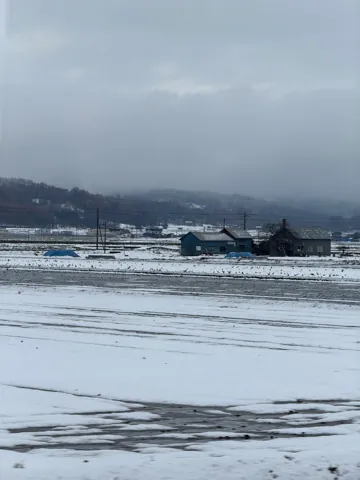 Nov 2025
 -
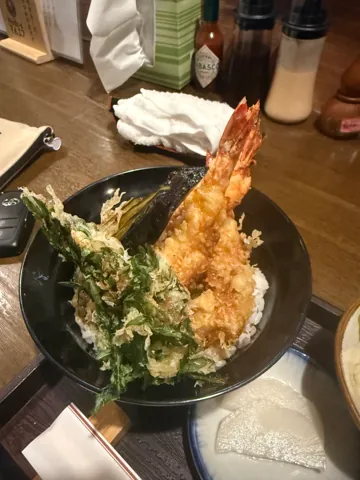 Mar 2026
 -
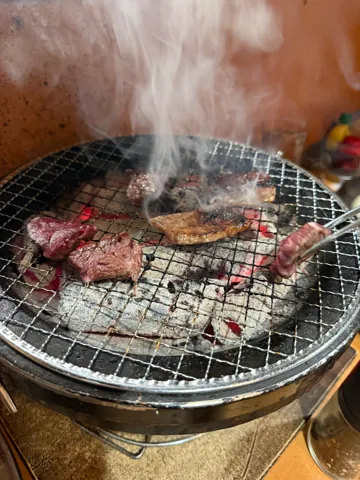 Apr 2026
 -
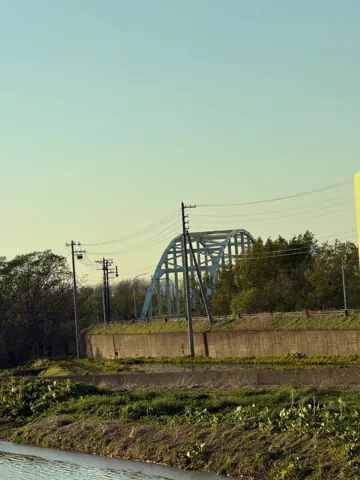 May 2026
 -
 May 2026
More about Fukagawa
At a glance
| Field | Details |
|---|---|
| Type | City (市). Fukagawa became a city on 1 May 1963. It was Japan's 555th city and Hokkaido's 28th82 |
| Subprefecture | Sorachi (空知総合振興局). Fukagawa is the transport hub of the northern Sorachi area (北空知, Kita-Sorachi)2 |
| District | None (city). Before 1963, Fukagawa Town and the villages that merged with it belonged to Uryū District (雨竜郡)2 |
| Population | 20,039 at the 2020 Census (9,362 men, 10,677 women, 9,198 households), down 8.5% from 21,909 in 20159. The preliminary 2025 Census count is 17,720, down 11.6% from 202010. The resident register showed 17,502 people in 9,987 households on 31 August 202611. The census population peaked at 42,520 in 195512 |
| Area | 529.42 km² (GSI, 1 April 2026)13. The city measures about 22 km east to west and 47 km north to south1. English Wikipedia gives 529.12 km², which does not match the current GSI figure14 |
| Density | About 33 people/km² on the August 2026 register, or 37.9/km² at the 2020 Census (calculated from the figures above) |
| Municipal history | Fukagawa Village was created on 4 February 189215 and became a town in 19181. On 1 May 1963, Fukagawa Town merged with the villages of Ichiyan (一已), Osamunai (納内) and Otoe (音江) to form Fukagawa City82. Tadoshi Town (多度志町) joined on 1 April 197082 |
| Neighboring municipalities | Sorachi: Takikawa, Akabira, Ashibetsu, Moseushi, Chippubetsu, Numata. Kamikawa: Asahikawa, Horokanai. Rumoi: Obira2 |
| Symbols | Tree: Japanese white birch (シラカバ). Flower: chrysanthemum (菊). Bird: common cuckoo (カッコウ)214. The city emblem was adopted on 16 July 19632 |
| Mascot | No official city yuru-chara was found. Komecchi (こめッち), a rice-grain character, promotes Fukagawa rice for the Fukagawa rice growers' association (ふかがわまい生産組合). The Michi-no-Eki sells rice-flour cakes shaped like it1617 |
| Official website | https://www.city.fukagawa.lg.jp/ |
Name origin
- Fukagawa (深川, "deep river") is a Japanese name, not a sound-borrowing of an Ainu word. The town area was once called Memu (メム), from Ainu mem, a spring-fed pond. The name may refer to the source of the Memu River just west of town, or to some other mem.25 The name "Fukagawa" appears from about 1890. That is when the scholar Nagata Hōsei (永田方正) was translating Ainu names along the Ishikari River into Japanese, which produced names such as Sunagawa, Takikawa and Asahikawa. Fukagawa may be another of these translations.25
- Which Ainu name it translated is forgotten. One suggestion is the Ōhō River (大鳳川), which flows just north of the town center. Its Ainu name, ooho-nay, means "deep river". The Hokkaido Government's Ainu place-name list rates its Fukagawa entry at the lowest of its three confidence levels (C).252
- Former village names:
- Ichiyan (一已) comes from ican, "salmon spawning ground". The kanji were chosen because they can be read as "united as one" (一にして已む), which suited the spirited tondenhei village.26
- Osamunai (納内) may come from o-sar-un-nay, "river with a reed bed at its mouth". Place-name scholar Yamada Hidezō noted that no local tradition survives to confirm it.27
- Otoe (音江) may come from o-tuy-(us)-nay, "river whose mouth breaks off". Yamada called it a name he could not really explain.27
- Tadoshi (多度志) comes from tat-us-nay, "river where birches grow".28
- Takadomari (鷹泊) means "hawk's perch" in Japanese. It refers to a boulder in the Uryū River where birds of prey always perched. A 1954 guide to station names instead proposed an Ainu origin, chikap-ot.287
History
- Prehistory: stone tools and pottery found in Fukagawa date back 10,000–12,000 years and are kept at the Ikigai Culture Center. The Otoe Stone Circle on Inami-yama hill in Kōyō (向陽) is a set of Jōmon graves. Jade beads, arrowheads and a red-lacquered bow found there were probably traded from Honshu. It became a national historic site on 28 December 1956.227
- Ainu era: before Japanese settlers arrived, Ainu lived mainly along the banks of the Ishikari River, in kotan (villages) of five or six houses.22
- Edo-period exploration: in 1807, Kondō Jūzō (近藤重蔵) traveled down the Ishikari and reported a large plain here to the shogunate. In 1857, Matsuura Takeshirō (松浦武四郎) came up the river with Ainu guides. He recorded the rapids and boulders up to Kamuikotan (神居古潭), near today's border with Asahikawa.22
- Meiji roads and post stations: in 1889 the Kamikawa Road (上川道路) opened between Sapporo and Asahikawa, and settlement of the Fukagawa area began. The road was cut through virgin forest by convicts from Kabato Prison and is the origin of National Route 12.115 In June 1889, the Otoe Hokke post station (音江法華駅逓) opened to lodge travelers and rent out horses, and Otoe became the busiest stop on the road.157
- Noble farms and group settlers: in 1889, six aristocrats, among them Prince Sanjō and the Marquesses Hachisuka and Kikutei, leased land on the Uryū plain for the Kazoku Kumiai Uryū Farm (華族組合雨竜農場). For the Kikutei Farm at Memu, the Yamato group (大和団体) came from Shintotsukawa in 1893 and the Kaga group (加賀団体) from Ishikawa Prefecture in 1897. Together they are remembered as the "Memu 100-household group".15
- 1890–1897, rice against the odds: Takahashi Sōkichi (高橋惣吉) sowed the area's first paddy rice beside the Otoe River in 1890. The spot is a city-designated historic site.7 The city's own history page dates the first successful rice crop in Otoe to 1892.29 Tondenhei were not allowed to grow rice at first. One Ichiyan soldier-farmer succeeded anyway in 1896, and the ban was lifted around 1897.29
- 1892: Fukagawa Village was created on 4 February. The same year, a ferry service began across the Ishikari River. Eventually about ten ferry crossings ran between Memu and Osamunai, and in winter people crossed on ice bridges.15
- 1895–1896, tondenhei: 200 households of soldier-farmers settled Ichiyan and 100 settled Osamunai in 1895, and the same numbers came again in 1896. They formed the 1st Tondenhei Infantry Battalion, headquartered on today's Kyōen-ji temple grounds.157 Records name settlers from Wakayama and Ishikawa prefectures among the 1895 Ichiyan group.30
- 1896, Tadoshi: Ishibashi Sueyoshi (石橋末吉), a businessman from Hyōgo Prefecture, leased 448 ha at Tadoshi and brought in about 70 farm households.15 Irrigation came late to Tadoshi, so farmers there grew pyrethrum and edible lilies instead of rice. Tadoshi is said to be where Hokkaido's lily-bulb growing began.2
- Railways: the government railway from Sorachibuto (空知太) to Asahikawa opened in 1898, with stations at Fukagawa and Osamunai. The Rumoi Line followed in 1910 and the Shinmei Line to Nayoro in 1941, which made Fukagawa a rail junction.15
- 1912–1916, irrigation: a land-improvement association dug canals by hand to bring Ishikari River water to the fields. The Osamunai and Ichiyan canals needed a tunnel under the river. Once the canals were finished, dry fields turned into paddies.29
- Taishō era: Fukagawa became a town in 1918.1 In 1917 a pontoon bridge was built near today's Fukagawa Bridge. Permanent bridges followed at Fukagawa in 1931 and Osamunai in 1932.15 The poet Kitahara Hakushū (北原白秋) visited in 1925.7
- Postwar and mergers: the census population peaked at 42,520 in 1955.12 On 1 May 1963, Fukagawa Town merged with Ichiyan, Osamunai and Otoe villages to form the city. Tadoshi Town joined in 1970.8
- Rail cutbacks: the Shinmei Line closed in 1995.2 The Rumoi Main Line was closed in stages, and its last section, Fukagawa–Ishikari-Numata, closed on 1 April 2026.3124
- Recent years: the city marked the 100th anniversary of its founding in 1992 by building the Ikigai Culture Center.8 The Michi-no-Eki was registered in 2002.23 On 6 August 2021, the city recorded its all-time high of 36.1 °C.32 The population fell from 20,039 in 2020 to 17,720 in the preliminary 2025 Census count.910
Geography & climate
- Location: Fukagawa lies at the northern tip of the Ishikari Plain. Mountains surround it on three sides, and the plain opens to the south.2 The city covers about 530 km², measuring 22 km east to west and 47 km north to south.1
- Rivers: the Ishikari River, Hokkaido's longest, runs east to west through the south of the city. The Uryū River flows south through the north of the city and then turns west, barely entering the plain. The town center, paddies and fields lie on the flat land along these two rivers.12 Upstream, the Ishikari cuts through the Kamuikotan gorge on the Asahikawa border.22 In the north, the Takadomari Nature Park sits beside the lake behind Takadomari Dam on the Uryū River.33
- Mountains and passes: the Otoe range (音江連山) and Mt. Irumukeppu (イルムケップ山) rise south of the Ishikari. From the summit of Okirikawa-yama (沖里河山) you can see the Daisetsuzan range, Mt. Shokanbetsu and, on clear days, the Sea of Japan.20 Kunimi Pass (国見峠), on the old Route 12 where the foot of Okirikawa-yama meets the Ishikari, has a lookout at 154 m. The pass was named by Yoshimura Hikokurō (吉村彦九郎) and others when work on the Kamikawa Road began.34
- Parks: no national or quasi-national park lies within the city in the sources consulted. The main green spaces are city and prefectural facilities such as Kunimi Park and the Togairo Pass parking park.3435
- Climate (Fukagawa AMeDAS, 1991–2020 normals): the annual mean temperature is 6.8 °C, ranging from −7.3 °C in January to 20.6 °C in August. August highs average 25.8 °C, and January and February lows average −13.0 °C. Annual precipitation is 1,044.2 mm, with 1,560 hours of sunshine. Snowfall totals 929 cm a year, and the deepest snow each year averages 111 cm.36
- Records: the highest temperature was 36.1 °C on 6 August 2021. The lowest was −29.7 °C, recorded on 2 February 1982 and again on 7 February 1998. The deepest snow was 158 cm on 7 March 1987, and the wettest day brought 172 mm of rain on 4 August 1981.32
Economy & industry
- Agriculture is the base of the economy. The fertile plains along the Ishikari and Uryū rivers make Fukagawa one of Hokkaido's leading rice districts and a main source of high-quality rice in the prefecture.1 The city gives its output as:
- about 30,000 tonnes of rice a year
- buckwheat, second in Japan by planted area
- statice and other cut flowers, first in Hokkaido
- apples, sticky nebari Chinese yam (ねばり長芋), Fukagawa beef and Fukagawa Pork3
- Rice: the main brands are Yumepirika, Nanatsuboshi and Fukkurinko.3 Fukkurinko may only be grown in southern Hokkaido and certain Sorachi districts, and Fukagawa is one of them.16 Since FY2007, local growers have cut chemical fertilizer and pesticide use under the "YES! clean" scheme. JA Kitasorachi opened a new rice mill in 2019.37 The Mainary (マイナリー), which the city calls one of Japan's largest storage facilities for unhulled rice, holds the harvest until shipment.6
- Buckwheat: in FY2021, farmers planted 2,480 ha, mostly of the Kitawase variety, and harvested 1,100 tonnes, second in Japan for both area and harvest.4
- Fruit and livestock: the Fukagawa Fruit Growers' Association runs apple sales events, and many farms offer fruit picking.538 Fukagawa Pork began with city-backed pig fattening in FY2012. The brand launched in 2014. Since 2019, the processing plant of Fukagawa Mirai Farm (深川未来ファーム) has made ham and sausages in the city from free-range pigs fed Fukagawa rice.39
- Other businesses: companies based in the city include Fukagawa Yushi Kōgyō (深川油脂工業), Hirono (ヒロノ) and Hokkon (ホッコン). The Kita-Sorachi Shinkin Bank has its head office here, and the local farm cooperative is JA Kitasorachi.2
- Tourism: Hokkaido counted 971,700 tourist visits in FY2025, up slightly from 963,500 in FY2024. Most visitors are day-trippers from within Hokkaido. Only 38,200 stayed overnight, and 83,300 came from outside Hokkaido.40
- Population and aging:
- Revitalization:
- The city's Sixth Comprehensive Plan aims for a "garden city" (田園都市) where people live in harmony with nature.1
- Furusato nōzei donations reached ¥1.61 billion from 88,018 gifts in 2024, then ¥655 million in 2025.37
- The city has joined the Accel Japan promotion (アクセルジャパン), whose ambassador is the TV personality Hiromi.3
Local specialties
| Specialty | Category | Details & where to get it |
|---|---|---|
| Fukagawa soba-meshi (深川そばめし) | Local dish | Rice balls made with Fukagawa rice and topped with buckwheat groats fried at low temperature, then seasoned with soba dipping sauce.4 Fukagawa Bussankan at JR Fukagawa Station sells a Fukkurinko version as bale-shaped tawara rice balls (listed at ¥380 on a page last updated in 2019).41 It is also served at the Michi-no-Eki and at restaurants such as Tonden Chaya (とんでん茶屋) and Fujiya (ふじ屋).42 |
| Urokodango (ウロコダンゴ) | Sweet | Born at Fukagawa Station in the days when the Rumoi Line carried coal and herring. It was first called tsubaki-dango after a sweet from the founder's native Niigata. The station master, whose name was Tsubaki, objected, so it was renamed after the herring scales stuck to freight wagons. It has been sold since 1913. Made by Takahashi Shōji (高橋商事, 5-jō 8-5, open daily 8:00–17:30), which also makes uroko yōkan. Fresh and vacuum-packed versions are available.216 |
| Fukagawa rice (深川産米) | Rice | Yumepirika, Nanatsuboshi and Fukkurinko.3 At Rice Land Fukagawa, the onigiri shop uses Nanatsuboshi and Oborozuki, and Fukagawa rice is sold on site.23 |
| Kitanomurasaki black rice and Kunne Amam (クンネ・アマム) | Grain, sweet | Kunne Amam is a black castella cake made with local Kitanomurasaki (きたのむらさき) black rice and sold at the Michi-no-Eki.23 |
| Tadoshi mountain soba "Rera no Kaori" (多度志山そば レラノカオリ) | Noodles | A local soba brand praised for its flavor, aroma and firm bite. It is served at the Michi-no-Eki. Fukagawa buckwheat flour is sold at the Michi-no-Eki, Agri Studio Maabu, Hokuren Shop Ichiyan and Fukagawa Bussankan.234 |
| Fukagawa Pork (ふかがわポーク) | Meat | Sausages, cheese sausages, chorizo, frankfurters and sausage "steaks" from free-range, rice-fed pigs. Sold at the eciR farm stand, Fukagawa Bussankan, Agri Studio Maabu, Hokuren Shop Ichiyan and online.39 |
| Fukagawa Cider (ふかがわシードル) | Drink | A 5% cider made only from Fukagawa apples, blending Tsugaru, Hacnine, Benishōgun, Himekami and other varieties. It is made at Apple Land Yama-no-Eki Otoe, which also produces jam and juice.20 |
| Fresh fruit | Fruit | Cherries in July, blueberries in August, and apples and prunes from September, at pick-your-own farms and farm stands.519 |
| Komecchi-yaki (こめッち焼き) and rice-flour sweets | Sweet | Chewy cakes made from Fukagawa rice flour in the shape of the Komecchi character, with fillings such as custard and sweet bean paste. Also Fukagawa strawberry roll cake and rice-flour baby castella, all at the Michi-no-Eki.2317 |
| F-Yogurt Greek yogurt (F-YOGURT) | Dairy | A Greek yogurt shop in the grounds of St. Margaret's Church at Irumu no Oka. Closed from early December to mid-April and on Wednesdays and Thursdays.2343 |
| Rice bran oil and other gifts | Furusato nōzei | Gifts listed on Furusato Choice include 5 kg of new-crop Fukagawa Yumepirika, 5 kg of Tsugaru apples (shipped September–October) and Hokuren rice bran oil (こめ油), along with ham and sausages.37 The Michi-no-Eki also sells "Hokkaido rice bran oil" (北海道こめ油) as a souvenir.23 |
| Fukagawa miso (深川みそ) | Condiment | Sold with black rice and other local goods at Fukagawa Bussankan.41 |
Culture & festivals
| Event | When | Highlights |
|---|---|---|
| Fukagawa Citizens' Cherry Blossom Festival (ふかがわ市民桜まつり) | Early May (Sunday) | Barbecues under the cherry trees at Sakurayama Park, which has about 800 Ezo mountain cherry, Kuril cherry and other trees. Free buses run from the Ikigai Culture Center.4445 |
| Katakuri season at Maruyama Park (丸山公園) | Early May, for about a week | Dogtooth violets carpet the hillside purple. The Fukagawa Tourism Association posts bloom updates on social media.46 |
| Fukagawa Spring Festa (ふかがわスプリングフェスタ) | Late May (Sunday) | A flea market, garden market and free flower seedlings at the Mi-rai cultural hall.44 |
| Otoe Range trail opening (音江連山登山コース開き) | Early June | A guided climb along the Otoe Range trail, about 11.5 km long. The trail season runs from early June to late October.44 |
| Hokuren Distance Challenge, Fukagawa meet | Early July | A track meet in which many of Japan's middle- and long-distance runners compete.44 |
| Maabu Festa (まあぶフェスタ) | Early July (Sunday) | Held for Agri Studio Maabu's opening anniversary, with a stage, food stalls, games and a prize draw.44 |
| Fukagawa Summer Festival (ふかがわ夏まつり) | Last weekend of July | In 2026 it ran from 24 to 25 July. A beer party was held outside City Hall, and on Saturday a fireworks show, billed as one of the biggest in northern Hokkaido, lit up the Ishikari riverbed.47 The tourism site also lists the shanshan kasa odori umbrella dance, food stalls and Bon dancing downtown, with about 3,000 fireworks.44 |
| Slow Food Festa in Fukagawa | With the Summer Festival | A farm quiz, rice-scooping games and a farmers' market with local produce.44 |
| Michi-no-Eki Melon & Watermelon Festival (道の駅メロンスイカまつり) and Fukagawa Shrine annual festival | August | The melon festival is at Rice Land Fukagawa. The Fukagawa Shrine festival takes place along Nakamachi-dōri.6 |
| Minori no Aki Dai-Shūkakusai (稔の秋 大収穫祭) | Early October | The Michi-no-Eki's harvest festival. In 2026 it runs on 3–4 October with new-rice sales, new-rice curry and a Fukkurinko scoop game. A free shuttle runs from overflow parking at Otoe Elementary School.4448 |
| Autumn Rice Carnival: Komecchi New Rice & Soba Festa (こめッち新米&そばフェスタ) | Mid-October | New rice and new soba, food trucks and stage shows. The 2026 festa is on 18 October, 11:00–14:30, at the Ikigai Culture Center.49 |
| Nōdō Music Festival (農道音楽祭) | October | An open-air music festival run by volunteers to promote local farming and food, held at venues including Takushoku University Hokkaido Junior College. It was first held in 2025.2 |
| Fukagawa Apple Festa (ふかがわアップルフェスタ) | Late October | Tastings and sales of many apple varieties at the Michi-no-Eki. In 2025 it ran on 25–26 October.3844 |
| Nagaimo Festival (長芋まつり) | November | Sales of Chinese yam and other produce at the Michi-no-Eki.6 |
| Fukagawa Ice & Snow Festival (ふかがわ氷雪まつり) | First weekend of February (Fri–Sun) | A big snow sculpture and a giant snow slide at Hanazono Park, plus stage events such as a mandarin-orange toss and bingo. On the Friday only the slide is open, from 16:00 to 18:00.4450 |
- Performing arts: Fukagawa has three lion dances designated as intangible cultural properties by the city:
- the Tadoshi lion dance (多度志獅子舞) at Tadoshi Shrine
- the Osamunai Shōjō lion dance (納内町猩々獅子舞) at Osamunai Shrine
- the Shōjō lion "five-part" dance (猩々獅子五段くずし舞) at Ōkuni Shrine2
- Shrines and temples:
- Shrines listed by the city's tourism site include Fukagawa Shrine (6-jō), Otoe Shrine, Ōkuni Shrine (一已), Suigen Shrine and Memu Shrine (芽生神社).51 The main hall of Memu Shrine is a city-designated tangible cultural property.2
- Suigen Shrine stands where the Taishō-era irrigation canal draws water from the Ishikari. Memorials to the region's irrigation projects stand in its grounds.7
- Shingon-ji (真言寺) and Maruyama-ji (丸山寺) are stops 13 and 14 on the Hokkaido 33 Kannon pilgrimage.246
- Museums:
- The Ikigai Culture Center's local history museum shows local history and has an archive.52 A preserved tondenhei house was moved there in 1993.15
- Art Hall Tōshūkan shows the work of the calligrapher Ogawa Tōshū (小川東洲) and the painter Matsushima Masayuki (松島正幸).53
- Kōyōkan (向陽館) is a gallery of the painter Takahashi Kaname (高橋要) in a closed village school.54
Ainu heritage
- Kotan on the Ishikari: before Japanese settlement, Ainu lived mainly along the Ishikari River in small kotan of five or six houses. They fished for salmon and trout, hunted deer, bears and hares, and wore attus, cloth woven from tree-bark fiber. Their oral tradition included yukar epics and uepeker folk tales.22
- Guides for explorers: Matsuura Takeshirō's 1857 survey up the Ishikari relied on Ainu guides. His diary names places such as Ijan (today's Hirosato), Naitaibe and Kamuikotan.22 Kamuikotan is the rocky gorge on the Asahikawa border.22
- Place names: Ainu words survive in Memu (mem, spring-fed pond), Ichiyan (ican, salmon spawning ground), Osamunai, Otoe and Tadoshi (tat-us-nay, river where birches grow). See Name origin above.25262728
- Sites: the city has designated the pit-dwelling remains of an indigenous people (先住民族の竪穴住居跡) as a historic site.2 No Ainu cultural center or living Ainu community organization in Fukagawa was documented in the sources consulted.
Sister & friendship cities
- Abbotsford, British Columbia, Canada:
- Sister city since 14 September 1998, when the agreement was signed in Fukagawa.
- Exchanges began after Takushoku University Hokkaido Junior College and the University of the Fraser Valley became sister schools in 1994.
- Since then there have been youth delegations, student exchanges and joint concerts.72
- The youth visit program and the exchange-student program are suspended for FY2026.73
- Domestic: no formal domestic sister city was found. A 2026 notice from the Michi-no-Eki calls Miyakonojō (都城市), Miyazaki Prefecture, a "tourism exchange city" (観光交流都市). Miyakonojō sold charcoal-grilled Miyazaki jidori chicken at the station's anniversary festival on 5 July 2026.65
Notable people
- Fujii Matsutarō (藤井松太郎): seventh president of Japanese National Railways, from the former Ichiyan Village.2
- Kongō Masahiro (金剛正裕): former sekiwake sumo wrestler, from the former Otoe Village.2
- Matsushima Masayuki (松島正幸): painter, from the former Ichiyan Village. His works hang in Art Hall Tōshūkan.253
- Ogawa Tōshū (小川東洲): calligrapher with ties to Fukagawa. His works are shown at Art Hall Tōshūkan.253
- Yamada Goichi (山田吾一): actor.2
- dj honda: DJ and track maker.2
- Shima Taisei (島太星): entertainer (NORD) and a Fukagawa tourism ambassador.250
Sources
Numbers in the text link to these sources. Figures as of 23 September 2026
- 深川市の紹介 — Fukagawa City JA accessed 2026-09-23
- 深川市 — Wikipedia JA accessed 2026-09-23
- ふるさと納税はこちら — Fukagawa City JA accessed 2026-09-23
- 深川は密かなそばどころ? — Fukagawa City, Agricultural Policy Division JA accessed 2026-09-23
- 果樹王国深川へようこそ! — Fukagawa City, Agricultural Policy Division JA accessed 2026-09-23
- 深川の四季 — 北海道ふかがわ観光サイト, Fukagawa City JA accessed 2026-09-23
- ふかがわの石碑をご紹介します — 北海道ふかがわ観光サイト, Fukagawa City JA accessed 2026-09-23
- 深川市の誕生 — Fukagawa City JA accessed 2026-09-23
- 令和2年 国勢調査人口等基本集計結果 — Fukagawa City JA accessed 2026-09-23
- 令和7年国勢調査速報 北海道の人口・世帯数(要計表に基づく人口・世帯数の集計) — Hokkaido Government, Statistics Division JA accessed 2026-09-23
- 人口統計 令和8年度(人口統計 令和8年8月末 XLSX) — Fukagawa City, Citizens' Life Division JA accessed 2026-09-23
- 国勢調査人口・世帯数の推移 (PDF) — Fukagawa City JA accessed 2026-09-23
- 令和8年全国都道府県市区町村別面積調(4月1日時点) — Geospatial Information Authority of Japan JA accessed 2026-09-23
- Fukagawa, Hokkaido — Wikipedia EN accessed 2026-09-23
- 開拓のころ — Fukagawa City JA accessed 2026-09-23
- 2月9日が北海道米「ふっくりんこ」の日に制定されました! — Fukagawa City, Agricultural Policy Division JA accessed 2026-09-23
- 食べる — 道の駅ライスランドふかがわ【公式】 JA accessed 2026-09-23
- 【最高金賞受賞】ゆめぴりかコンテスト2021「JAきたそらち」が頂点に! — Fukagawa City, Agricultural Policy Division JA accessed 2026-09-23
- 遊ぶ・体験|フルーツ狩り — 北海道ふかがわ観光サイト, Fukagawa City JA accessed 2026-09-23
- アップルランド 山の駅おとえ — 北海道ふかがわ観光サイト, Fukagawa City JA accessed 2026-09-23
- 高橋商事(深川名物ウロコダンゴ) — 北海道ふかがわ観光サイト, Fukagawa City JA accessed 2026-09-23
- 開拓以前の深川地区 — Fukagawa City JA accessed 2026-09-23
- ライスランドふかがわ — 北の道の駅 (Hokkaido Michi-no-Eki Liaison Council) JA accessed 2026-09-23
- 深川駅 — Wikipedia JA accessed 2026-09-23
- アイヌ語地名リスト ヒラタ~ホロナ P111-120 (Internet Archive copy) — Hokkaido Government, Ainu Policy Promotion Office JA accessed 2026-09-23
- アイヌ語地名リスト P11-20 (Internet Archive copy) — Hokkaido Government, Ainu Policy Promotion Office JA accessed 2026-09-23
- アイヌ語地名リスト P21-30 (Internet Archive copy) — Hokkaido Government, Ainu Policy Promotion Office JA accessed 2026-09-23
- アイヌ語地名リスト P71-80 (Internet Archive copy) — Hokkaido Government, Ainu Policy Promotion Office JA accessed 2026-09-23
- 米作りへの挑戦 — Fukagawa City JA accessed 2026-09-23
- 一已村 — Wikipedia JA accessed 2026-09-23
- 留萌本線 — Wikipedia JA accessed 2026-09-23
- 深川(空知地方) 観測史上1~10位の値 — Japan Meteorological Agency JA accessed 2026-09-23
- 鷹泊自然公園 — 北海道ふかがわ観光サイト, Fukagawa City JA accessed 2026-09-23
- 国見公園 — 北海道ふかがわ観光サイト, Fukagawa City JA accessed 2026-09-23
- 戸外炉峠駐車公園 — 北海道ふかがわ観光サイト, Fukagawa City JA accessed 2026-09-23
- 深川(空知地方) 平年値(年・月ごとの値) — Japan Meteorological Agency JA accessed 2026-09-23
- 北海道深川市|自治体・ふるさと納税情報 — ふるさとチョイス JA accessed 2026-09-23
- ふかがわアップルフェスタ2025 — 北海道ふかがわ観光サイト, Fukagawa City JA accessed 2026-09-23
- ふかがわポーク — Fukagawa City, Agricultural Policy Division JA accessed 2026-09-23
- 北海道観光入込調査報告書(R7_資料編) — Hokkaido Government, Tourism Bureau JA accessed 2026-09-23
- 深川物産館 — 北海道ふかがわ観光サイト, Fukagawa City JA accessed 2026-09-23
- 食べる|深川そばめし — 北海道ふかがわ観光サイト, Fukagawa City JA accessed 2026-09-23
- 買う|お菓子 — 北海道ふかがわ観光サイト, Fukagawa City JA accessed 2026-09-23
- 主な年間イベント — 北海道ふかがわ観光サイト, Fukagawa City JA accessed 2026-09-23
- 桜山公園 — 北海道ふかがわ観光サイト, Fukagawa City JA accessed 2026-09-23
- 丸山公園 — 北海道ふかがわ観光サイト, Fukagawa City JA accessed 2026-09-23
- 2026ふかがわ夏まつり — 北海道ふかがわ観光サイト, Fukagawa City JA accessed 2026-09-23
- 大収穫祭開催のお知らせ — 北の道の駅 JA accessed 2026-09-23
- ~秋のふかがわライスカーニバル~こめッち新米&そばフェスタ2026 — 北海道ふかがわ観光サイト, Fukagawa City JA accessed 2026-09-23
- 観る|イベント — 北海道ふかがわ観光サイト, Fukagawa City JA accessed 2026-09-23
- 観る|教会・神社・仏閣 — 北海道ふかがわ観光サイト, Fukagawa City JA accessed 2026-09-23
- 深川市生きがい文化センター(郷土資料館) — 北海道ふかがわ観光サイト, Fukagawa City JA accessed 2026-09-23
- アートホール東洲館 — 北海道ふかがわ観光サイト, Fukagawa City JA accessed 2026-09-23
- ぬくもりの里「向陽館」 — 北海道ふかがわ観光サイト, Fukagawa City JA accessed 2026-09-23
- 観る|自然美・撮影スポット — 北海道ふかがわ観光サイト, Fukagawa City JA accessed 2026-09-23
- 温泉「天然温泉イルムの湯」 — アグリ工房まあぶ【公式】 JA accessed 2026-09-23
- 【公式】アグリ工房まあぶ — アグリ工房まあぶ JA accessed 2026-09-23
- 【公式】まあぶオートキャンプ場 — まあぶオートキャンプ場 JA accessed 2026-09-23
- 体験「アグリ工房まあぶ」加工実習メニューのご案内 — アグリ工房まあぶ【公式】 JA accessed 2026-09-23
- アクセス — 道の駅ライスランドふかがわ【公式】 JA accessed 2026-09-23
- 道の駅ライスランドふかがわ【公式】北海道深川市のグルメ・観光拠点 — 道の駅ライスランドふかがわ JA accessed 2026-09-23
- 営業時間変更のお知らせ — 北の道の駅 JA accessed 2026-09-23
- 買う — 道の駅ライスランドふかがわ【公式】 JA accessed 2026-09-23
- EV充電器入替工事 追加延長のお知らせ — 北の道の駅 JA accessed 2026-09-23
- 「大誕生祭」開催のお知らせ(ポスター画像を含む) — 北の道の駅 JA accessed 2026-09-23
- 「七夕まつり」開催のお知らせ — 道の駅ライスランドふかがわ【公式】 JA accessed 2026-09-23
- 納内駅 — Wikipedia JA accessed 2026-09-23
- 深川市へのアクセス地図 — Fukagawa City JA accessed 2026-09-23
- 北海道ふかがわ観光サイト 寄って・遊んで・食べて「深川いただきます」 — Fukagawa City JA accessed 2026-09-23
- 深川へのアクセス — 北海道ふかがわ観光サイト, Fukagawa City JA accessed 2026-09-23
- 山での事故等に注意 — Fukagawa City, Agricultural Policy Division JA accessed 2026-09-23
- 姉妹都市カナダ・アボツフォード市 — Fukagawa City JA accessed 2026-09-23
- 姉妹都市・国際交流 — Fukagawa City JA accessed 2026-09-23