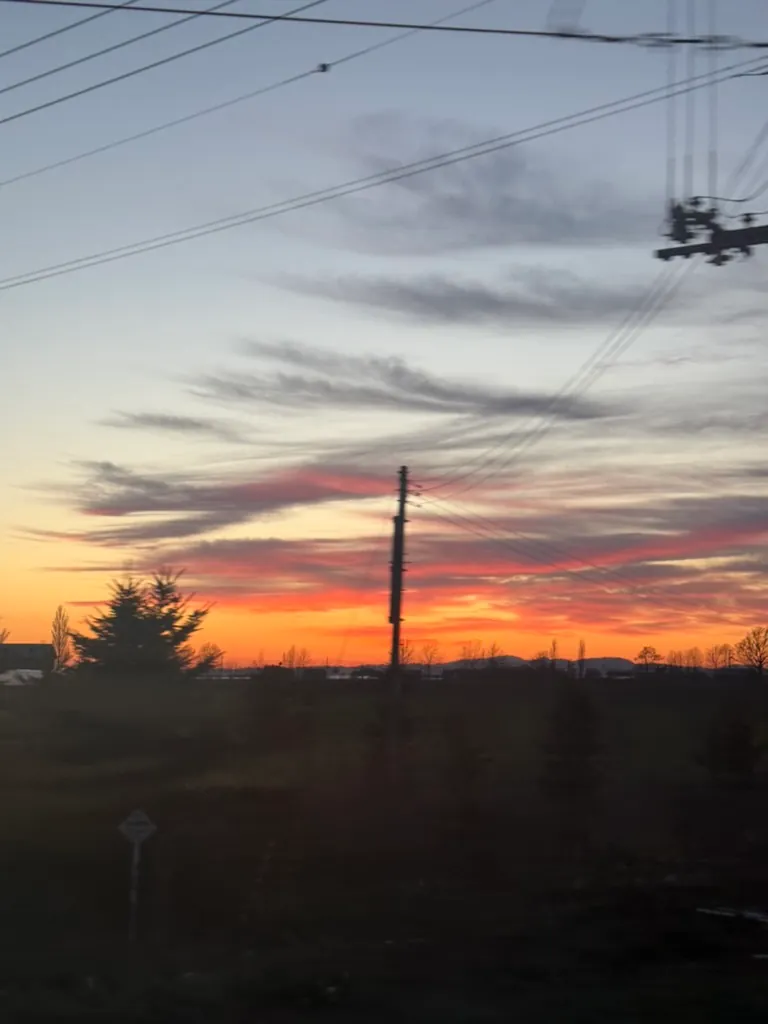
Iwamizawa 岩見沢市
いわみざわし
Iwamizawa is the seat of Sorachi Subprefecture. It grew up around a junction on Hokkaido's first railway and once had a freight yard said to be the largest from Tohoku northward.12 Today it is one of Hokkaido's leading rice, wheat and onion districts and a city known for heavy snow, with a free rose garden of about 8,800 plants.34567
- Population (2020 Census)
- 79,306
- Area
- 481.02 km²
- Official website
- www.city.iwamizawa.hokkaido.jp
Known for
- Railway town (鉄道のまち):
- Hokkaido's first railway, the Horonai Railway, has run through Iwamizawa since 1882. The town became the junction for lines to Sunagawa and Utashinai, to Muroran, and to the Manji coal field.19
- Its freight yard was expanded in 1961 to handle about 2,000 wagons a day and was called the largest yard from Tohoku northward (東北以北最大).192
- An award-winning station: The third station building burned down in December 2000. Its replacement, the Iwamizawa Station complex (岩見沢複合駅舎), was chosen through an open design competition that drew 376 entries. The complex uses old rails in its glass front. It won the 2009 Good Design Grand Prize and a 2011 Brunel Award.2021
- Rice, wheat and onions:
- Heavy snow:
- Iwamizawa Park (いわみざわ公園): The park has several attractions:
- Hyakumochi Festival (いわみざわ百餅祭り): At the city's largest festival, held each September, crews pound rice cakes in a mortar 2.2 m across and weighing 5.5 t.27
- Coal and rail heritage: Iwamizawa is one of 12 municipalities in "Tan-Tetsu-Kō" (炭鉄港, "coal, steel, port"). This story of Hokkaido's industrial revolution was recognized as Japan Heritage in May 2019.2
- Wine: Wine grapes grow in the city's hill districts.3 Hosui Winery (宝水ワイナリー), whose trial vineyard was planted in 2002 and whose winery was completed in 2006, grows its own grapes beside the winery in Hōsui-chō, and several smaller producers make wine locally.281
Sights & activities
Nature & scenery
- Iwamizawa Park Rose Garden (いわみざわ公園バラ園), Shibun-chō 794.7
- About 630 varieties and 8,800 rose plants, plus native hamanasu roses, over roughly 40,000 m².
- Roses peak from mid-June to mid-July and again from mid-September to mid-October.
- The garden is open from late April to early November. Entry is free.
- From April 2026 it closes on Wednesdays, except during Golden Week and the Rose Festa.
- There are 250 free parking spaces and free Wi-Fi.
- The indoor garden Shikisaikan (色彩館) charges ¥250 for adults.
- Lookout (見晴台). The Iwamizawa Park lookout, 146.2 m above sea level, looks out over the Ishikari Plain.41
- Tonebetsu Nature Park. Its old-growth forest and Taishō Pond are open to walkers.1
- Ayame Park (あやめ公園). About 12,000 irises bloom here in July.36
- Tonebetsu River cherry trees. The "thousand cherry trees" (利根別川千本桜) along the river won the grand prize of MLIT's Tezukuri Furusato awards in FY2007.1
Onsen
- Iwamizawa Kitamura Onsen (いわみざわ北村温泉), Kitamura Akagawa 156-7.59
- The spring is strongly saline and flows at 43 °C. It is not heated or diluted and runs straight into the baths.
- There are two outdoor baths and 14 stone-bed sauna (岩盤浴) spaces.
- Day bathing is 6:00–22:00 (last entry 21:30) and costs ¥750 for adults.
- A hotel is attached, and a campground in Kitamura Central Park lies just behind it.41
- Log Hotel Maple Lodge (ログホテル メープルロッジ), Moyo. A hotel of Canadian logs, reopened in April 2018 after renovation. It has hot-spring baths in cypress, granite and open-air tubs, a restaurant serving local produce, and glamping.60
Museums & heritage
- Iwamizawa Station complex. Old rails form the window mullions, and bricks carry names stamped by 4,777 participants.2035
- Iwamizawa Rail Center (岩見沢レールセンター). Built in 1899 as the Hokkaido Colliery & Railway works, it is the only working rail workshop in Hokkaido. The Hokutan red-star emblem is still on its brick wall. Visitors can view the exterior only.2
- Tankō no Kioku Management Center Ishigura (炭鉱の記憶マネジメントセンター石蔵), 1-jō Nishi 4-chōme. This stone warehouse dates from 1909. Since 2009 a citizens' group has run it as an information center for Sorachi's coal heritage.2
- Former Asahi Station (旧朝日駅舎), Asahi-machi 176. The Manji Line station stands in the Manji Line Railway Park beside a B20 steam locomotive. Exterior only.2
- Manji Tanzan Forest Park. Visitors can climb the steps of the mine's slag heap (ズリ山階段).341
- Minami Park. Two steam locomotives, a C57 and a D51, are on display.1
Outdoor & seasonal activities
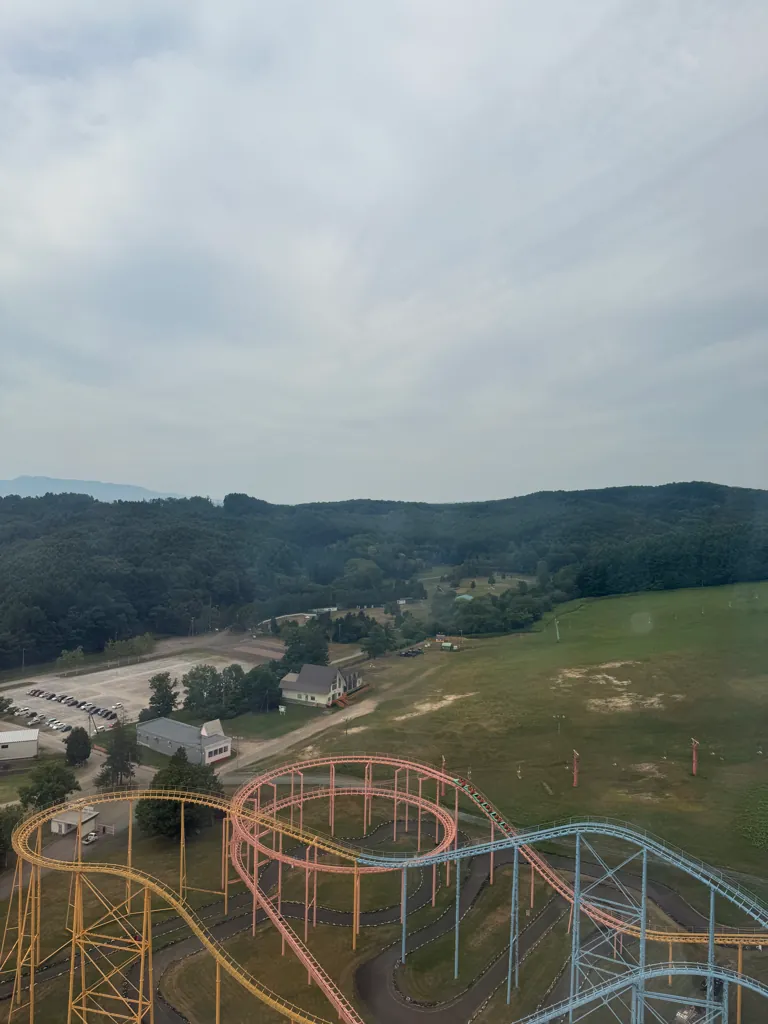
- Hokkaido Greenland (北海道グリーンランド). The amusement park has 46 large rides. They include the 85 m Ferris wheel, the tallest in Hokkaido, the GO-ON roller coaster and the triple-loop Ryūō (龍王). The park is about 5 minutes from Iwamizawa IC.25
- Skiing.
- Iwamizawa Park Campground.63
- 22 standard sites at ¥1,500 per night and 20 auto sites at ¥5,000
- open 29 April–3 November; reservations required
- Kurisawa Furusato-no-Mori Bōken Land (栗沢ふるさとの森冒険ランド). A forest park with 11 wooden play structures and a barbecue area, open late April to late October.64
- Cycling. The tourism association runs a rent-a-cycle service each season from April.36
Food experiences
- Hosui Winery, Hōsui-chō 364-3.4365
- The shop opens 10:00–17:00. From January to March it closes on Tuesdays and Wednesdays.
- An upstairs gallery looks down into the winery, which is busiest in October and November.
- The Via Gresto soft-serve stand next door is seasonal and closes for the winter. The winery gives its season as late April to early November on one page and as running until late October in its current notice. Its red- and white-grape flavors use sauce from grapes grown in the next-door vineyard.
- Pizzeria Lucci is next to the rose garden.41
- U-pick fruit is available in Moyo in season.42
- Iwamizawa Gourmet Guide. The city publishes a map of 77 restaurants, bakeries and farm stands that use local produce.66
Roadside stations (Michi-no-Eki)
No Michi-no-Eki is located in Iwamizawa. The official list of Hokkaido's registered stations shows none in the city.67 The nearest are:
- Mikasa (道の駅三笠), Mikasa, Okayama 1056-1, on National Route 12 at Mikasa's western edge.68
- Registered on 22 April 1993 as Hokkaido's first Michi-no-Eki.
- Look for the Nō no Yakata (農の館), marked by a 10 m water wheel.
- Stalls sell local vegetables, homemade soft-serve and fried potatoes, and in summer old-style eight-row corn.
- There is also a ramen restaurant and a hot-bath facility.
- 275 Tsukigata (道の駅275つきがた), Tsukigata, on the National Route 275 corridor about an hour's drive from Sapporo.69
- Registered on 7 August 2024.
- It has a natural hot spring, lodging, a restaurant and 24-hour toilets.
- Its tomato soft-serve (¥450) is made from Tsukigata tomatoes and alternates weekly with other flavors.
- Shinshinotsu (道の駅しんしのつ), Shinshinotsu, on the Ebetsu–Naie road.70
- The station shares a building with the village's hot-spring facility and sells local produce.
- Lake Shinotsu nearby offers camping in summer and pond-smelt ice fishing in winter.
- Maoi-no-Oka Kōen (道の駅マオイの丘公園), Naganuma, on National Route 274.71
- The center house is a silo-shaped brick building.
- Eight farm stands sell vegetables fresh from the fields.
- Also in the area: Yubari Meroad (道の駅夕張メロード) in Yubari and House Yarubi Naie (道の駅ハウスヤルビ奈井江) in Naie.67
Getting there & around
- Rail. Iwamizawa is where the JR Hakodate Main Line and Muroran Main Line meet.1
- Hakodate Main Line stations: Horomui, Kami-Horomui and Iwamizawa.
- Muroran Main Line stations: Kurioka, Kurisawa, Shibun and Iwamizawa.
- One or two limited expresses stop each hour. Sapporo is about 25 minutes away and Asahikawa about an hour.3272
- New Chitose Airport, in Chitose, is about 65 minutes by limited express and rapid train, changing at Sapporo.72
- Heavy snow sometimes forces cancellations or planned overnight suspensions for snow clearing.32
- Bus. The Hokkaido Chūō Bus Iwamizawa Terminal, next to the station, is the hub for city routes, suburban routes and intercity buses. Its services include replacement buses for the closed Manji and Horonai lines.1 Free municipal buses run in areas that private operators have left, such as Moyo–Manji and Kurisawa–Horomui.1
- Road. Iwamizawa IC and Iwamizawa SA are on the Dōō Expressway, and National Routes 12 and 234 run through the city.1
- Getting around.
Practical tips
- When to go.
- For roses and summer festivals (Saihana, JOIN ALIVE), go from late June to mid-July.74726
- August brings the Kitamura and Kurisawa festivals and the Nebuta.485052
- For autumn roses, the Hyakumochi Festival and autumn leaves at Moyo, go from mid-September to mid-October.72755
- For deep snow and the Doka-Yuki Festival, go in February.6
- Tourist information. The Iwamizawa Tourism Association (岩見沢市観光協会) is on the first floor of the station complex at Ariake-chō Minami 1-1. Tel. 0126-22-3470.16
- Winter etiquette and safety.
- Many foreign visitors came to see the snowscapes in January 2025, and the city now asks visitors not to enter private land.
- It also asks visitors not to take photos from the roadway or under the eaves of buildings, which it describes as dangerous.73
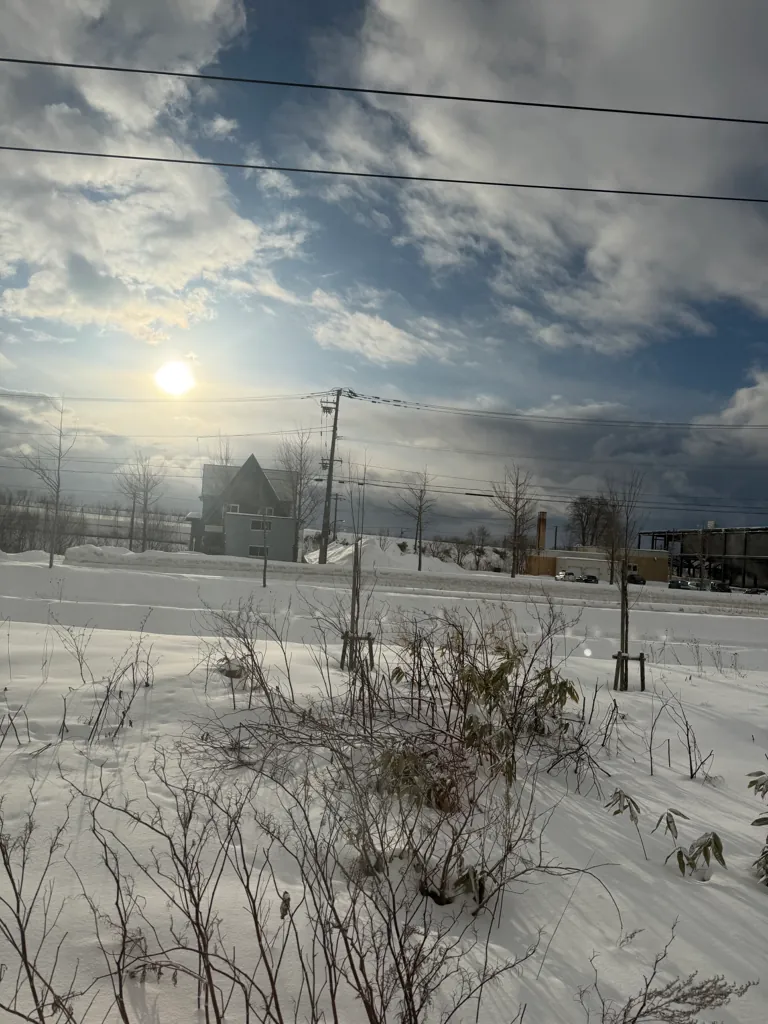
- Winter travel. Snow can disrupt trains, and the average winter peak snow depth is 120 cm.3223
- Brown bears. The city posts a map of bear sightings. In 2026, bears or their traces were reported at Moyo-chō, Kurisawa-chō Mogami, Shibun-chō and Midorigaoka.74
- Closing days.
Photos
-
 Apr 2025
 -
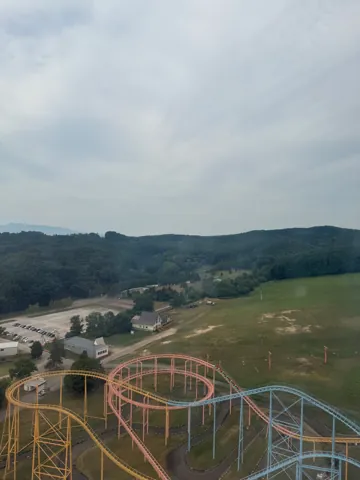 Jul 2025
 -
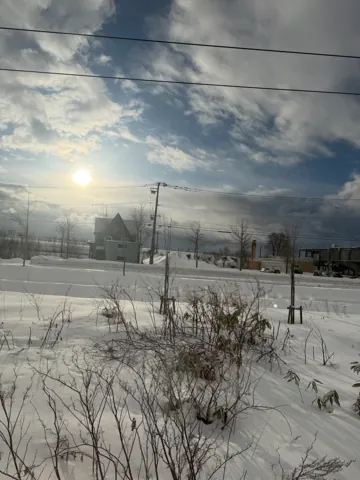 Jan 2026
More about Iwamizawa
At a glance
| Field | Details |
|---|---|
| Type | City (市) |
| Subprefecture | Sorachi (空知総合振興局). The subprefectural bureau is in Iwamizawa.1 |
| District | None (cities do not belong to a district) |
| Population | 79,306 at the 2020 Census.8 The preliminary 2025 Census count was 73,004. That is 7.9% fewer than in 2020 and ranks 12th among Hokkaido's municipalities.9 The resident register showed 71,890 people (33,567 men and 38,323 women) in 39,960 households on 31 August 2026.10 |
| Area | 481.02 km². The city measures 36.2 km east–west and 29.1 km north–south, and ranges from 6.7 m to 836.2 m above sea level.11 |
| Density | About 149 people/km² in August 2026 (resident register), and about 165/km² at the 2020 Census. Both figures are calculated from the numbers above. |
| Municipal history | Iwamizawa Village (岩見澤村) was proclaimed on 6 October 1884, now the city's founding day (開基記念日).121 Kurisawa split off in 1892 and Kitamura in 1900.13 Iwamizawa became a town in February 1906 and a city on 1 April 1943.121 On 27 March 2006 it absorbed Kurisawa Town (栗沢町) and Kitamura Village (北村), both from Sorachi District.121 |
| Neighboring municipalities | In Sorachi: Mikasa and Bibai to the north, and Yubari to the east beyond the Yubari Mountains. Kuriyama, Naganuma and Nanporo lie to the south, and Tsukigata lies west across the Ishikari River. In Ishikari: Ebetsu and Shinshinotsu, also across the Ishikari River.11 |
| Symbols | Tree: kobushi magnolia (コブシ). Flower: rose (バラ). Bird: dove (ハト). All three were chosen from a citizens' vote and adopted on 5 May 1968 to mark Hokkaido's centenary and the city's 85th anniversary.14 The emblem dates from 1948 and the flag from 1968. The emblem's gold figure is shaped like the character 米 and stands for transport routes that spread out in all directions.1 |
| Mascot | Iwami-chan (いわみちゃん♪) is the city's official character. He is round and yellow and wears a red headband reading いわみざわ and red boots.1516 His design is based on the city's rice and onions. He was chosen through a public contest and a citizens' vote, and his listed birthday is 9 November 2009.17 English Wikipedia gives 3 October 2010 as his unveiling date. It also names his companion, Kuri-chan (クリちゃん), a squirrel from the former Kurisawa Town.18 |
| Official website | https://www.city.iwamizawa.hokkaido.jp/ |
Name origin
- A Japanese name. Most Hokkaido place names come from Ainu, but Iwamizawa's does not.29
- In 1878 the Hokkaido Development Commission (開拓使) cut a road from Sapporo to the Horonai coal field. It set up a rest lodge (休泊所) for the road crews beside the Ikushunbetsu River (幾春別川), in the north of today's city.
- The crews bathed there (浴, yuami) to ease their fatigue. The spot came to be called Yuami-sawa (浴澤, "bathing stream"), and over time the name became Iwamizawa (岩見澤).29
- Another version. The Sapporo Development and Construction Department of MLIT tells the same story but says the bathers were a party of Kaitakushi engineers. It frames the account as a traditional one ("it is said").13
- Ainu names in the merged districts:
- Kitamura (北村) is named after its developer, Kitamura Yūji (北村雄治).12
History
- Before settlement. Japanese Wikipedia lists a group of stone tools among the city's designated cultural properties. It dates them from the late Paleolithic to the middle Jōmon period, and they are kept at the Iwamizawa Local Science Museum.1 The museum displays finds excavated in the city.31 The sources consulted document little else from the Ainu era.
- Edo period. The area was under the Matsumae domain and at times under direct shogunate rule. Japanese Wikipedia dates a survey of the area by the explorer Matsuura Takeshirō to 1858.1
- 1878–1884: road and rail.
- The Kaitakushi opened the rest lodge in 1878.29
- On 13 November 1882 the Horonai Railway opened between Temiya (Otaru) and the Horonai mine, with a flag stop at today's Motomachi.1912 Railway histories date Iwamizawa's flag station to 15 August 1884.32
- In 1882 Harada Kisuke settled at Sunahama, in today's Kitamura. Kanō Sueji applied to rent the rest lodge. Both are counted among the first settlers.33
- 1884–1885: samurai settlers. Rules for resettling former samurai (移住士族取扱規則) were issued in 1883. Under them, 277 households, 1,503 people in all, arrived from ten prefectures, mostly Yamaguchi and Tottori.1233 Iwamizawa Village was proclaimed on 6 October 1884.12
- Farms spread.
- Terayama Shōichi grew the first trial rice in 1886, at what is now 1-jō Nishi 7-chōme. Onions were grown along the Ikushunbetsu River from the Meiji 30s (1897–1906).33
- In Kurisawa, Shibata Yojiemon was granted land at Kuttari, now Kurioka, in 1886. Yamada Seitarō of Wakayama opened the Okayama Farm in 1890. Settlers from Gifu, Toyama, Kagawa, Shiga and Tokushima followed.3312
- Kitamura Yūji of Yamanashi opened the Kitamura Farm in 1894.12
- A transport hub.
- Roads opened to Asahikawa in 1889 and to Yubari in 1890. Railways followed to Utashinai in 1891 and to Wanishi (Muroran) in 1892, when the station moved to its present site.12
- The Hokkaido Government opened its Sorachi branch office here in 1897.12
- Kurisawa split off in 1892 and Kitamura in 1900.13 Also in 1900, Iwamizawa became a first-class village with 12,518 people.12
- Town and city.
- Iwamizawa became a town in February 1906.12
- In 1908 it completed Hokkaido's second modern waterworks, after Hakodate.12
- The 80 km Hokkai trunk irrigation canal (北海幹線用水路) was dug by hand and with horses from 1924. Its completion date varies by source: the city museum gives both 1928 and Shōwa 5 (1930), and Japanese Wikipedia gives 1929.331
- City status came on 1 April 1943.1
- The coal era.
- Hokkaido Colliery & Railway (北炭) opened the Manji mine in 1905. The Manji Line from Shibun reached it in 1914, and mines followed at Asahi and Miruto.34 In the Shōwa 30s (1955–1964) more than 20,000 people lived along the Manji Line.34
- The Iwamizawa freight yard opened in 1926.19 Around 1961 the station handled over 20,000 passengers a day and had more than 500 staff.19
- Decline.
- Mines closed one by one: Hokusei in 1969, Asahi in 1974 and Manji in 1976. The last, the Itō mine, closed in 1989.34
- The Manji Line closed in 1985 and the Horonai Line in 1987.34 The city dates the yard's closure to 1994, while Japanese Wikipedia gives 1980.21
- Traffic shifted to the roads. The Route 12 bypass opened in 1974 and the expressway to Sapporo in 1983.19
- On 4 August 1981, 262 mm of rain fell in one day, still the station record, and the Horomui and Kitamura districts flooded.241
- A new station. The third station burned in December 2000. The new station opened in 2007, and the full complex, including the Ariake Kōryū Plaza (有明交流プラザ), opened in 2009.201935 In 2006, 4,777 people signed up to have names stamped into its bricks.35
- Merger and recent years.
- Merger talks in southern Sorachi began with six municipalities and narrowed to three. On 27 March 2006 Iwamizawa absorbed Kurisawa and Kitamura.1
- Ban'ei horse racing, held each summer at the Iwamizawa racecourse, ended in 2006 because falling attendance strained city finances. Ban'ei horse statues at the station and the expressway service area recall it.1
- The city joined the Japan Heritage story "Tan-Tetsu-Kō" in 2019.2 A new city hall opened on 4 January 2022.1
- The 2025 Census counted 73,004 residents, 7.9% fewer than in 2020.9
Geography & climate
- Setting. Iwamizawa lies in central-western Hokkaido, about 40 km from Sapporo, where the Ishikari Plain meets the Yubari Mountains.11
- The west is lowland along the Ishikari River, and low mountains line the east.
- The Ikushunbetsu and Horomui rivers rise in the Yubari Mountains. They build alluvial fans where they leave the hills and then join the Ishikari.11
- Land use (2025). Rice paddies cover 35.7% of the city and upland fields 5.6%. Forest covers 33.0% and residential land 4.2%.11
- Peaks.
- The highest point is Horomui-dake (幌向岳, 836.1 m at its triangulation point), on the border with Mikasa and Yubari. It has no trail.1 The city's statistics give the city's highest elevation as 836.2 m.11
- Other peaks are Sankaku-yama (三角山, 769.4 m) on the Yubari border and the Manji slag heap (万字ズリ山, 380 m). Hagi-no-yama (萩の山), home of the municipal ski hill, is 152 m.1
- Green spaces. Tonebetsu Nature Park (利根別自然公園) protects an old-growth forest and Taishō Pond (大正池). Higashiyama Park is another large park.1 The sources consulted list no national or quasi-national park in the city.
- Climate. Iwamizawa has a humid continental climate (Köppen Dfb).1 Normals for 1991–2020 at the Iwamizawa station (5-jō Higashi, 42.3 m) are:123
- mean annual temperature 7.9 °C, with January at −5.3 °C and August at 21.3 °C
- annual precipitation 1,248.5 mm and 1,679.1 hours of sunshine
- annual snowfall 664 cm, and an average deepest snow cover of 120 cm
- Records.
- highest temperature: 36.1 °C (25 July 2025)
- lowest temperature: −24.3 °C (8 January 1957)
- deepest snow cover: 208 cm (12 February 2012)
- most snowfall in a season: 1,112 cm (winter of 1969–70)
- wettest day: 262.0 mm (4 August 1981)24
- Heavy-snow designation. The whole city is a designated heavy-snow area (豪雪地帯). The former city of Iwamizawa and former Kitamura are special heavy-snow areas (特別豪雪地帯).1
Economy & industry
- Farming. The city has 19,700 ha of cultivated land. Rice dominates the flats, alongside wheat, soybeans, onions and Chinese cabbage. Orchards and wine grapes grow on the eastern hills.336 The 2024 harvests were:22
- rice: 28,500 t from 4,880 ha
- wheat: 29,800 t from 5,580 ha
- soybeans: 6,840 t from 2,200 ha
- onions: 47,700 t from 1,120 ha
- JA Iwamizawa. The co-op ships onions under the "Marui-wa" (まるいわ) brand from late July to April. It calls the area one of Hokkaido's leading onion districts and says its Chinese-cabbage acreage is the largest in Hokkaido, as does the city.54
- Fewer farms. Iwamizawa, Kitamura and Kurisawa had 1,743 farms between them in 2005. In 2020 the merged city had 1,047, including 881 commercial farm businesses.22
- Smart farming.
- The city describes itself as a pioneer of ICT-based "smart" agriculture.3
- It installed four RTK-GNSS base stations in 2013, 2014 and 2019. Their correction signals let auto-steered tractors work to within 2–3 cm.37
- Since 2013 an agricultural weather system has forecast pests and the best harvest dates. It grew out of the IT business special zone the city received in 2003.1
- Industry and commerce.
- Manufacturing shipments were worth ¥86.0 billion in 2024. Wholesale and retail sales were ¥146.2 billion in 2021.38
- The city has seven industrial parks, and food processing accounts for more than 40% of manufacturing. Plants include Satō Foods' Hokkaido factory, Hokkaido LIXIL's Kurisawa plant and Hitachi Power Solutions' Iwamizawa plant.1
- Iwamizawa is also a regional shopping center, and neighbors such as Mikasa, Tsukigata and Shinshinotsu fall within its primary trade area.1
- Tourism.
- Population.
- Revitalization. Recent efforts include:
Local specialties
| Specialty | Category | Details & where to get it |
|---|---|---|
| Iwamizawa rice: Nanatsuboshi (ななつぼし), Yumepirika (ゆめぴりか), Oborozuki (おぼろづき), Kirara 397 (きらら397) | Rice | Shipped nationwide. The city says Nanatsuboshi was born in Iwamizawa.4 JA Iwamizawa sells graded "Jōnetsu-mai" (情熱米) Nanatsuboshi and own-brand rice milled and bagged at its own plant.5 Near the station, the long-established rice dealer Yamaishi Maeno Shōten (山石前野商店) helps customers choose.41 |
| Kitano Kaori wheat (キタノカオリ) | Wheat and flour | JA calls this hard-to-grow bread wheat "miracle wheat". It goes into local school-lunch bread, and 1 kg and 5 kg bags of flour are sold at A-Coop stores and JA's online shop.5 |
| Marui-wa onions (まるいわタマネギ) | Vegetables | The vegetable JA handles in the largest volume. Varieties include Okhotsk 222 and Kitamomiji 2000, and the harvest peaks in late August.54 |
| Summer produce: Chinese cabbage, "Megumi" sweet corn, red-fleshed melons, Suzuakane strawberries, Kitamura peanuts | Produce | Strawberries June–July, melons late June–early August, sweet corn late June–early September, Chinese cabbage and fresh peanuts September–October.4 Sold at farm stands at Kami-Shibun and Moyo.42 |
| Moyo fruit (毛陽) | Fruit | U-pick orchards along the Yubari–Iwamizawa road: cherries late June–late July, apples and pears late September–late October.42 |
| Hosui Winery wine (宝水ワイナリー) | Wine | The RICCA and Yuki no Keifu (雪の系譜, "snow lineage") ranges. RICCA Chardonnay 2025 won a silver medal at the Japan Wine Competition 2026.43 |
| Other local wine | Wine | 10R Winery's Kamihoro Wine (上幌ワイン), Nakazawa Vineyard's Kurisawa Blanc (クリサワブラン) and Iwamizawa Wine (岩見沢ワイン) from the local grape growers' association.1 |
| Junmai sake Yuamisawa (純米酒 ゆあみさわ) | Sake | Named for the city's original name. It is brewed from local Suisei (彗星) sake rice by Kobayashi Shuzō in Kuriyama and sold by JA Iwamizawa.5 |
| Pheasant (キジ) | Meat | Iwamizawa Seikyūen (清丘園) raises pheasant for the table, which is rare in Japan.1 Pheasant hot pot (きじ鍋) is served free at the Doka-Yuki Festival.6 |
| Tengu Manjū (天狗まんじゅう) | Sweets | A long-time local favourite from Tengu Manjū Honpo. The shop's soft-serve is its best seller.41 |
| Kamadaya (かまだ屋) and giant-portion ramen | Local food | Kamadaya, run by a flour miller, serves cheap soba and udon in a stand-up style but with seats. Giant-portion (デカ盛り) ramen shops also thrive. Both traditions are said to come from feeding hungry mine and railway workers.1 |
| North Farm Stock (NORTH FARM STOCK) | Processed food | Hokkaido ginger ale and vegetable dips made from Hokkaido ingredients, with a café upstairs.141 |
| Kobushi-yaki (こぶ志焼) | Pottery | Indigo namako-glazed tableware. The Kobushi kiln was founded in 1946 by its first potter, Miaki, who developed the glaze from Hokkaido volcanic ash.44 |
| Furusato nozei gifts | Hometown-tax gifts | Rice in 5–50 kg lots, Kitano Kaori bread sets, marinated lamb (ジンギスカン), gelato and dips. Experiences include a hunting tour and farm-stay vouchers.4045 |
Culture & festivals
| Event | When | Highlights |
|---|---|---|
| IWAMIZAWA Doka-Yuki Festival (IWAMIZAWAドカ雪まつり) | Early February (7–8 Feb 2026) | The "human ban'ei" championship, a giant snow slide, jumbo karuta, food stalls, free pork miso soup and pheasant hot pot. Held at Ekihigashi Shimin Hiroba Park and the Akarenga hall.6 First held in 1991.1 |
| Iwamizawa Spring Festival (いわみざわ春まつり) | 14–15 May | The spring grand festival of Iwamizawa Shrine, with prayers for a good harvest as farm work begins.46 |
| Iwamizawa Saihana Festival (いわみざわ彩花まつり) | July (4 July 2026) | A flower festival with dancing to Iwamizawa Ondo (いわみざわ音頭), food trucks and a photo contest.47 Roses and about 12,000 irises bloom at Ayame Park during the festival.36 |
| JOIN ALIVE | Mid-July (18–19 July 2026) | Two-day rock and pop festival on five indoor and outdoor stages at Kitaon and Hokkaido Greenland.2636 |
| Kitamura Inaka Festival (きたむら田舎フェスティバル) | Mid-August | Kitamura's largest summer festival, at Kitamura Central Park. It has live stages, the festival's own "Wāruzo Cup" (わ~るぞカップ), and the Kitamura High School students' Iwamizawa Burger. It ends with the Numagami rapid-fire fireworks (沼上連発花火大会).4849 |
| Kurisawa Agricultural Festival (くりさわ農業祭) | August | A costume bon dance and a karaoke contest at Kurisawa Central Park. Fresh melons, corn and tomatoes sell cheaply.50 |
| Iwamizawa Park fireworks (いわみざわ公園花火大会) | August | Held at Iwamizawa Park.1 The 2026 edition was billed as "FIREWORKS illusion".51 |
| Iwamizawa Nebuta Festival (岩見沢ねぶた祭) | Late August (28–30 Aug 2026) | A festival run mainly by students of Hokkaido University of Education's Iwamizawa campus. Nebuta lantern floats parade through the shopping streets, and food trucks gather. Venues are the Akarenga event hall, Ekihigashi Shimin Hiroba Park and the central shopping streets.52 |
| Iwamizawa Autumn Festival (いわみざわ秋まつり) | 14–16 September | The autumn grand festival of Iwamizawa Shrine, with food stalls from across Hokkaido open late into the night.46 |
| Iwamizawa Hyakumochi Festival (いわみざわ百餅祭り) | Mid- to late September (19–20 Sep 2026, the 44th) | Rice-cake pounding with a mortar 2.2 m across and weighing 5.5 t, which the city calls one of the largest in the world. Stalls line Sakae-dōri and 4-jō-dōri, about 5 minutes' walk from the station.2753 |
| Iwamizawa Jōnetsu Festival (いわみざわ情熱フェスティバル) | Same weekend as Hyakumochi | Local produce, dishes and locally made goods at Ekihigashi Shimin Hiroba Park and the Akarenga hall.54 |
| Moyo–Manbi Autumn Leaves Festival (毛陽・万美紅葉まつり) | Mid-October (11 Oct 2026) | Held at the Moyo Exchange Center car park.55 It was formerly the Moyo–Manji Apple Festival.1 |
- Performing arts. Two traditions are city-designated cultural properties.1
- The Iwamizawa Gagaku Society (岩見沢雅楽会) keeps up the court music that Meiji-era farming settlers played in their spare time.
- The Tonami lion dance (砺波獅子舞) was brought by settlers from Toyama.
- Iwamizawa Shrine (岩見沢神社). Its grounds hold the 1905 Iwamizawa Kihi (巖見澤紀碑), a monument to the hardships of the pioneers.1
- Museums.
- The Iwamizawa Local Science Museum (岩見沢郷土科学館) in Iwamizawa Park covers local nature, excavated finds, farming, coal and railways, and has a planetarium with a 12 m dome screen.31 It opens 9:30–17:00 (Tuesdays from 13:30) and closes on Mondays.56 Admission is ¥400 for adults, and the planetarium is ¥280 extra (rates from April 2026).57
- Local history is also displayed at the Kitamura corner "Kitamura no Kioku" (北村の記憶) and at Raimu 21 (来夢21), which holds coal-mining materials.3334 A Manji Line railway exhibition room is in the Asahi Community Center.19
- Arts.
- Hokkaido University of Education's Iwamizawa campus specializes in art and sport.1
- The former mining town of Miruto (美流渡) has drawn artists and is now known as the "Miruto Art Park" (美流渡アートパーク), with craft studios and private galleries.1
- The city founded the Himuro Saeko Youth Literature Prize (氷室冴子青春文学賞) in 2017 to honor the novelist.58
Ainu heritage
- The sources consulted document little Ainu history for Iwamizawa itself, and the city's own name is Japanese in origin.29
- Place names. Ainu names survive in the merged districts:
- Archaeology. A city-designated group of stone tools and other excavated items are held at the Local Science Museum.131
- Facilities. The sources consulted list no Ainu cultural facility or living-tradition group in the city.
Sister & friendship cities
- Pocatello, Idaho, USA (sister city, 1985).75 The two cities chose each other for their similar latitude, industry and history. Middle- and high-school delegations and general delegations visit in alternate years.1
- Canby, Oregon, USA (sister city, 1989). Former Kurisawa Town set up the link, which centers on junior-high exchange visits.751
- Minami-Alps, Yamanashi (domestic sister city). Kitamura's founder, Kitamura Yūji, came from this area. Friendship ties with the former Wakakusa Town date from 2000, and the sister-city agreement from 2004.1
- Sanuki, Kagawa (friendship city, 1992). The link runs between the former Nagao Town and former Kurisawa, whose Konishi district was settled by people from Nagao.1
- Tonami, Toyama (exchange city, 1992). Kurisawa's Tonami district was settled by people from Tonami.1
- A'cheng District, Harbin, China (exchange protocol, 1982). Former Kurisawa signed it with the former Yuquan town, focusing on farming technology.1 Wider ties with China grew from the rice-farming work of Hara Shōichi (below).76
Notable people
- Hara Shōichi (原正市, 1917–2002), rice-farming expert from Iwamizawa.7776
- Over 21 years he made 63 trips to China and, according to the city, taught rice growing in 30 of its 33 provinces. Japanese Wikipedia gives 25 provinces and 151 counties.
- Chinese farmers called him Yang Caishen (洋財神), "the god of wealth from abroad".
- A bust of him, given by the Chinese government, stands at Iwamizawa Agricultural High School.76
- Himuro Saeko (氷室冴子, 1957–2008), novelist, born in Iwamizawa.58
- Nakamura Murao (中村武羅夫, 1886–1949), editor and novelist. He was born in Iwamizawa Village to a family of former samurai who had settled there from Tottori.78
- Yoda Norimoto (依田紀基, born 1966), professional Go player (9-dan) and four-time Meijin. He was born in Bibai and grew up in Iwamizawa.79
- Fuji Keiko (藤圭子, 1951–2013), enka singer. She moved to Iwamizawa at about 15. She was discovered after singing as a stand-in at the Iwamizawa snow festival song show in February 1967.80
Sources
Numbers in the text link to these sources. Figures as of 23 September 2026
- 岩見沢市 — Wikipedia JA accessed 2026-09-23
- 日本遺産「炭鉄港」/岩見沢市ホームページ — 岩見沢市 JA accessed 2026-09-23
- 岩見沢市の農業/岩見沢市ホームページ — 岩見沢市 JA accessed 2026-09-23
- いわみざわ産の農産物/岩見沢市ホームページ — 岩見沢市 JA accessed 2026-09-23
- いわみざわの農業 | JAいわみざわ 本所(いわみざわ農業協同組合) — いわみざわ農業協同組合 JA accessed 2026-09-23
- IWAMIZAWAドカ雪まつり2026 – 岩見沢市周辺エリアの観光情報ポータルサイト — 一般社団法人 岩見沢市観光協会 JA accessed 2026-09-23
- バラ園 - いわみざわ公園 — いわみざわ公園(グリーンランドリゾート) JA accessed 2026-09-23
- 2026年版岩見沢市統計書「国勢調査」(PDF) — 岩見沢市 JA accessed 2026-09-23
- 令和7年国勢調査速報 北海道の人口・世帯数(要計表に基づく人口・世帯数の集計) — 北海道総合政策部計画局統計課 JA accessed 2026-09-23
- 市の人口/岩見沢市ホームページ — 岩見沢市 JA accessed 2026-09-23
- 2026年版岩見沢市統計書「土地・気象」(PDF) — 岩見沢市 JA accessed 2026-09-23
- 岩見沢のおいたち/岩見沢市ホームページ — 岩見沢市 JA accessed 2026-09-23
- 岩見沢市 |札幌開発建設部 — 国土交通省北海道開発局 札幌開発建設部 JA accessed 2026-09-23
- 市の木・花・鳥/岩見沢市ホームページ — 岩見沢市 JA accessed 2026-09-23
- いわみちゃん 着ぐるみ使用マニュアル (PDF) — 一般社団法人 岩見沢市観光協会 JA accessed 2026-09-23
- いわみちゃん♪紹介&ダウンロード – 岩見沢市周辺エリアの観光情報ポータルサイト — 一般社団法人 岩見沢市観光協会 JA accessed 2026-09-23
- いわみちゃん♪|岩見沢市のゆるキャラ・ご当地キャラクター紹介 — Kawaii Hokkaido JA accessed 2026-09-23
- Iwamizawa — Wikipedia EN accessed 2026-09-23
- 岩見沢の鉄道の歴史/岩見沢市ホームページ — 岩見沢市(岩見沢郷土科学館) JA accessed 2026-09-23
- GOOD DESIGN AWARD [ Results 2009 ] 駅舎および複合施設[岩見沢複合駅舎] — 公益財団法人日本デザイン振興会 JA accessed 2026-09-23
- 岩見沢複合駅舎「第11回ブルネル賞」の受賞について (PDF, Internet Archive copy) — 北海道旅客鉄道 JA accessed 2026-09-23
- 2026年版岩見沢市統計書「農業」(PDF) — 岩見沢市 JA accessed 2026-09-23
- 岩見沢(空知地方)平年値(年・月ごとの値)主な要素 — 気象庁 JA accessed 2026-09-23
- 岩見沢(空知地方)観測史上1~10位の値 — 気象庁 JA accessed 2026-09-23
- 北海道グリーンランド(遊園地)/岩見沢市ホームページ — 岩見沢市 JA accessed 2026-09-23
- JOIN ALIVE 2026 — 株式会社マウントアライブ JA accessed 2026-09-23
- いわみざわ百餅祭り/岩見沢市ホームページ — 岩見沢市 JA accessed 2026-09-23
- 会社概要│宝水ワイナリー — 株式会社宝水ワイナリー JA accessed 2026-09-23
- 地名の由来/岩見沢市ホームページ — 岩見沢市 JA accessed 2026-09-23
- 南幌町 |札幌開発建設部 — 国土交通省北海道開発局 札幌開発建設部 JA accessed 2026-09-23
- いわみざわ公園 郷土科学館/岩見沢市ホームページ — 岩見沢市 JA accessed 2026-09-23
- 岩見沢駅 — Wikipedia JA accessed 2026-09-23
- 岩見沢の開墾と農業の歴史/岩見沢市ホームページ — 岩見沢市(岩見沢郷土科学館) JA accessed 2026-09-23
- 岩見沢の炭鉱の歴史/岩見沢市ホームページ — 岩見沢市(岩見沢郷土科学館) JA accessed 2026-09-23
- 岩見沢複合駅舎「2009年度グッドデザイン大賞」の受賞について (PDF, Internet Archive copy) — 北海道旅客鉄道 JA accessed 2026-09-23
- Iwamizawa Area Tourist Information Portal Site – Sightseeing and Travel Information in Iwamizawa City, Hokkaido, Japan — Iwamizawa Tourism Association EN accessed 2026-09-23
- 高精度測位補正情報(RTK-GNSS)の活用/岩見沢市ホームページ — 岩見沢市 JA accessed 2026-09-23
- 2026年版岩見沢市統計書「イラストで見る岩見沢市」(PDF) — 岩見沢市 JA accessed 2026-09-23
- 北海道観光入込調査報告書(R7 資料編) — 北海道経済部観光局 JA accessed 2026-09-23
- 岩見沢市ふるさと応援寄附パンフレット「I Real B vol.03」(PDF) — 岩見沢市 JA accessed 2026-09-23
- TRIP TO IWAMIZAWA – 岩見沢市周辺エリアの観光情報ポータルサイト — 一般社団法人 岩見沢市観光協会 JA accessed 2026-09-23
- いわみざわふれあいの郷/岩見沢市ホームページ — 岩見沢市 JA accessed 2026-09-23
- トップ│宝水ワイナリー — 株式会社宝水ワイナリー JA accessed 2026-09-23
- こぶ志焼・海鼠釉の器 こぶ志陶苑こぶ志窯 北海道岩見沢市 伝えていきたい日本の技|日商 Assist Biz — 日本商工会議所 JA accessed 2026-09-23
- 岩見沢市ふるさと応援寄附(ふるさと納税)/岩見沢市ホームページ — 岩見沢市 JA accessed 2026-09-23
- いわみざわ春まつり・秋まつり/岩見沢市ホームページ — 岩見沢市 JA accessed 2026-09-23
- いわみざわ彩花まつり2026 – 岩見沢市周辺エリアの観光情報ポータルサイト — 一般社団法人 岩見沢市観光協会 JA accessed 2026-09-23
- きたむら田舎フェスティバル/岩見沢市ホームページ — 岩見沢市 JA accessed 2026-09-23
- きたむら田舎フェスティバル2026 – 岩見沢市周辺エリアの観光情報ポータルサイト — 一般社団法人 岩見沢市観光協会 JA accessed 2026-09-23
- くりさわ農業祭/岩見沢市ホームページ — 岩見沢市 JA accessed 2026-09-23
- 北海道グリーンランド|公式webサイト — 北海道グリーンランド JA accessed 2026-09-23
- 岩見沢ねぶた祭2026 – 岩見沢市周辺エリアの観光情報ポータルサイト — 一般社団法人 岩見沢市観光協会 JA accessed 2026-09-23
- 第44回 いわみざわ百餅祭り – 岩見沢市周辺エリアの観光情報ポータルサイト — 一般社団法人 岩見沢市観光協会 JA accessed 2026-09-23
- いわみざわ情熱フェスティバル/岩見沢市ホームページ — 岩見沢市 JA accessed 2026-09-23
- 毛陽・万美紅葉まつり – 岩見沢市周辺エリアの観光情報ポータルサイト — 一般社団法人 岩見沢市観光協会 JA accessed 2026-09-23
- 開館時間/岩見沢市ホームページ(岩見沢郷土科学館) — 岩見沢市 JA accessed 2026-09-23
- 利用料金/岩見沢市ホームページ(岩見沢郷土科学館) — 岩見沢市 JA accessed 2026-09-23
- 氷室冴子 — Wikipedia JA accessed 2026-09-23
- いわみざわ北村温泉施設/岩見沢市ホームページ — 岩見沢市 JA accessed 2026-09-23
- ログホテル メープルロッジ/岩見沢市ホームページ — 岩見沢市 JA accessed 2026-09-23
- 北海道グリーンランドホワイトパーク/岩見沢市ホームページ — 岩見沢市 JA accessed 2026-09-23
- 萩の山市民スキー場/岩見沢市ホームページ — 岩見沢市 JA accessed 2026-09-23
- いわみざわ公園キャンプ場/岩見沢市ホームページ — 岩見沢市 JA accessed 2026-09-23
- ふるさとの森冒険ランド/岩見沢市ホームページ — 岩見沢市 JA accessed 2026-09-23
- ワイナリー紹介│宝水ワイナリー — 株式会社宝水ワイナリー JA accessed 2026-09-23
- いわみざわグルメガイド/岩見沢市ホームページ — 岩見沢市 JA accessed 2026-09-23
- 住所等一覧(北の道の駅) — 北の道の駅(北海道の道の駅 公式総合情報サイト) JA accessed 2026-09-23
- 三笠(北の道の駅) — 北の道の駅(北海道の道の駅 公式総合情報サイト) JA accessed 2026-09-23
- 275つきがた(北の道の駅) — 北の道の駅(北海道の道の駅 公式総合情報サイト) JA accessed 2026-09-23
- しんしのつ(北の道の駅) — 北の道の駅(北海道の道の駅 公式総合情報サイト) JA accessed 2026-09-23
- マオイの丘公園(北の道の駅) — 北の道の駅(北海道の道の駅 公式総合情報サイト) JA accessed 2026-09-23
- 岩見沢市へのアクセス/岩見沢市ホームページ — 岩見沢市 JA accessed 2026-09-23
- インバウンド対応/岩見沢市ホームページ — 岩見沢市 JA accessed 2026-09-23
- ヒグマ出没情報/岩見沢市ホームページ — 岩見沢市 JA accessed 2026-09-23
- 姉妹都市交流(アメリカ合衆国アイダホ州ポカテロ市、オレゴン州キャンビー市)/岩見沢市ホームページ — 岩見沢市 JA accessed 2026-09-23
- 中国との交流01/岩見沢市ホームページ — 岩見沢市 JA accessed 2026-09-23
- 原正市 — Wikipedia JA accessed 2026-09-23
- 中村武羅夫 — Wikipedia JA accessed 2026-09-23
- 依田紀基 — Wikipedia JA accessed 2026-09-23
- 藤圭子 — Wikipedia JA accessed 2026-09-23