Kitami 北見市
きたみし
Kitami is the largest city in the Okhotsk region. At 1,427.41 km², it is also the largest municipality in Hokkaido (not counting Rubetsu Village in the Northern Territories), running about 110 km from the Sekihoku Pass to the Sea of Okhotsk.12 It grows more onions than anywhere else in Japan and once supplied about 70% of the world's peppermint.34 It is also known as a yakiniku (grilled meat) town and as the home of the Olympic-medal-winning curling team Loco Solare.56
- Population (2020 Census)
- 115,480
- Area
- 1,427.41 km²
- Official website
- www.city.kitami.lg.jp
Known for
- Onions: Kitami is Japan's No. 1 onion producer. The 2020 crop was about 244,000 t, about 25% of Hokkaido's total, grown on more than 3,500 ha.3
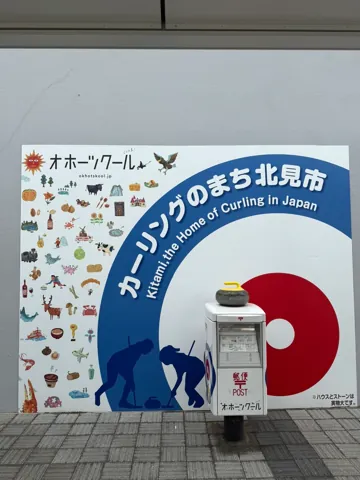
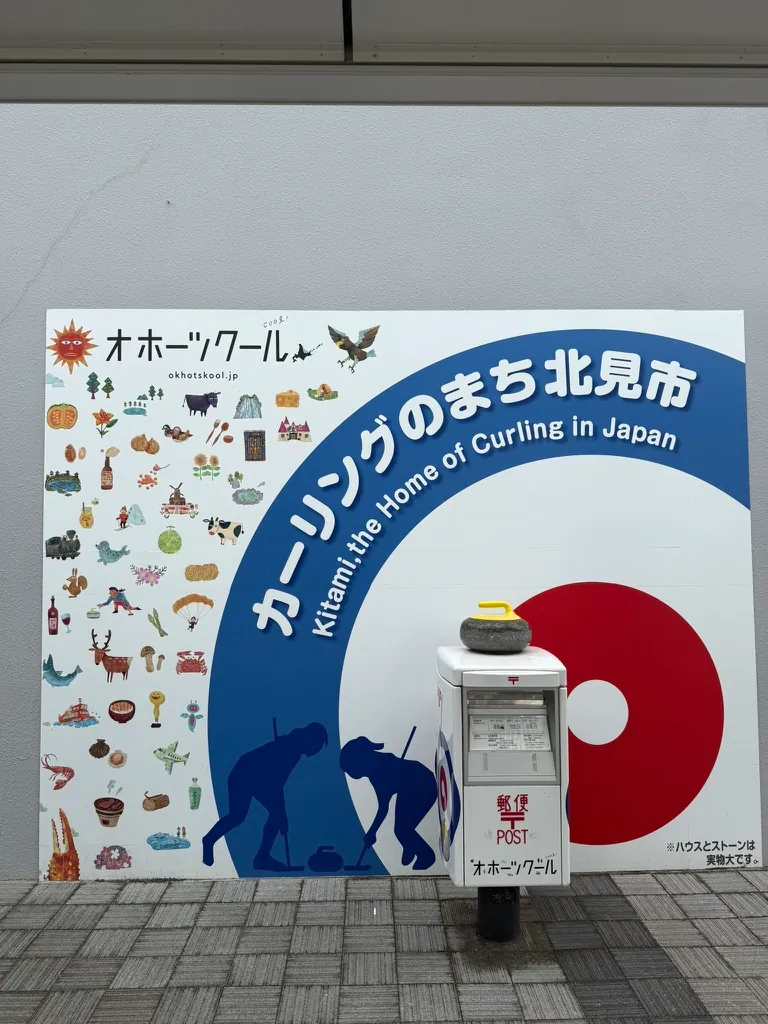
- Curling: Tokoro is known as a curling town, and Japan's first dedicated curling hall opened there in 1988.9 It now has Japan's largest year-round curling hall.1 Loco Solare won Japan's first Olympic curling medal, a bronze at PyeongChang in 2018, and a silver at Beijing in 2022.69
- Yakiniku town: Kitami has more yakiniku restaurants per resident than any other place in Hokkaido.5 Locals grill beef sagari (skirt) and pork horumon (offal) over charcoal shichirin braziers. In early February, crowds grill outdoors in sub-zero cold at the Winter Yakiniku Festival.15
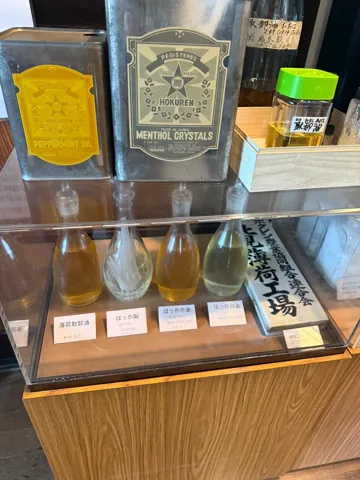
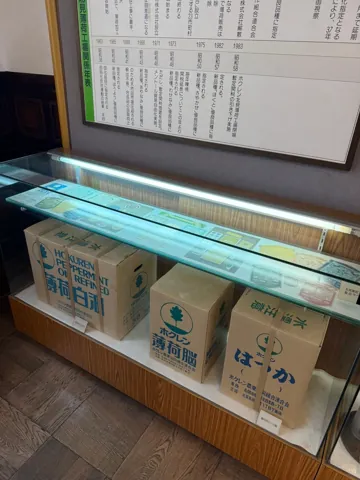
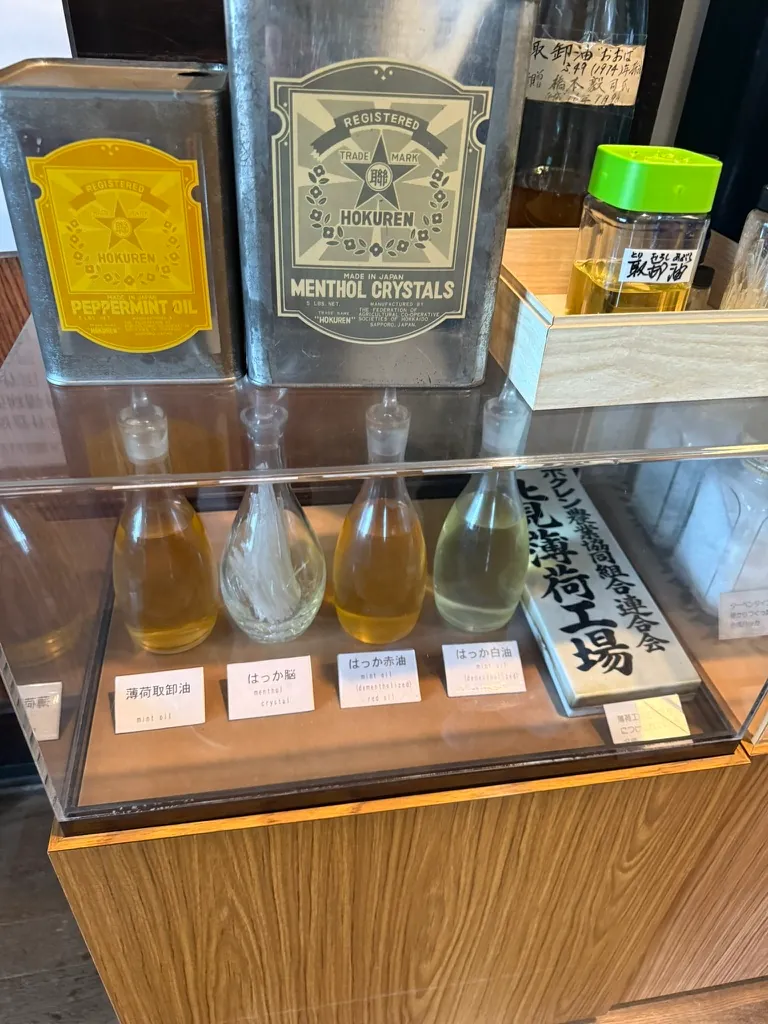
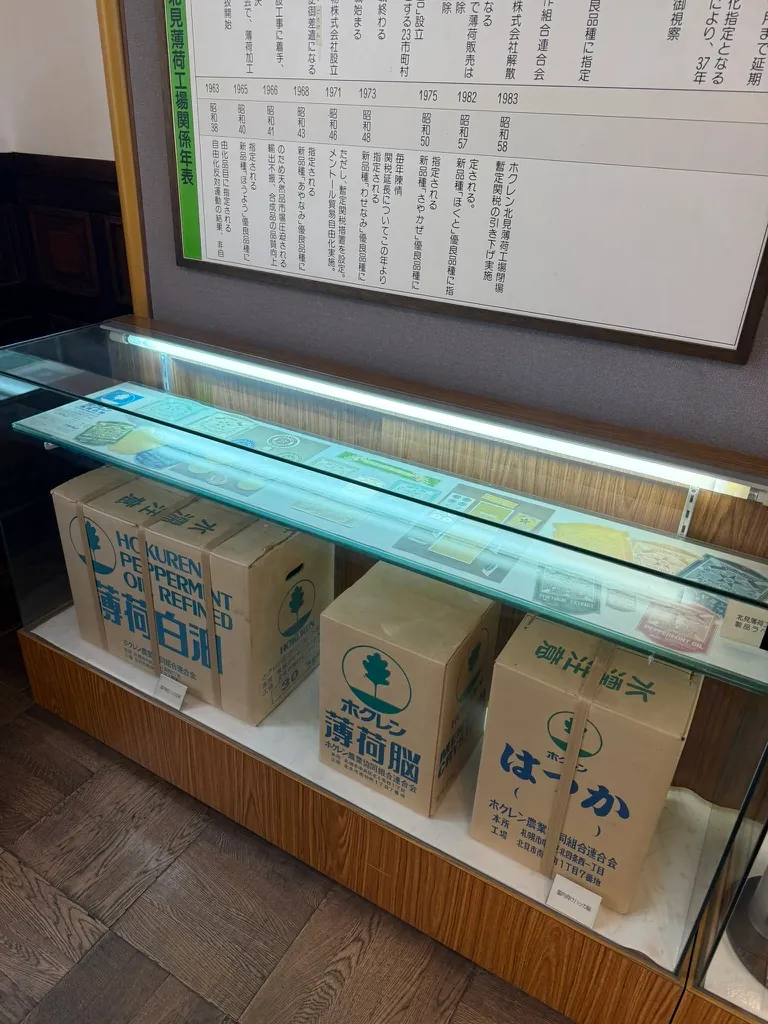
- Peppermint heritage: Around 1939, Kitami peppermint made up about 70% of the world market.4 The Kitami Hakka Memorial Museum keeps that history alive and is certified as a Heritage of Industrial Modernization.10 "Kitami's peppermint and herbs" is one of the Environment Ministry's 100 Fragrant Landscapes of Japan.9
- Scallops and Lake Saroma: Tokoro calls itself the birthplace of scallop farming and lands some of the largest scallop catches in Japan.16 The Wakka Natural Flower Garden (ワッカ原生花園) lies on the sandbar between Lake Saroma and the Sea of Okhotsk.17
- Onneyu Onsen and the "Mountain Aquarium": This hot-spring village opened in 1899.18 It has a roadside station with a 20 m cuckoo-clock tower and a small aquarium with a waterfall-basin tank and a river tank that freezes in winter.19
- Ancient sites: The Tokoro Site (常呂遺跡) is a National Historic Site. About 2,700 pit-dwelling hollows are still visible on the ground.20
- White runner beans: Rubeshibe grows about 70% of Japan's shirohana-mame (白花豆), the "queen of beans".14
Sights & activities
Nature & scenery
- Wakka Natural Flower Garden (ワッカ原生花園): A 20 km sandbar where more than 300 plant species grow. The peak bloom is late June to mid-July. Private cars have been banned on the sandbar road since 1991, so explore on foot or by rental bicycle.1718 The Wakka Nature Center in Tokoro-chō Sakaeura opens from 29 April to mid-October, 8:00–17:00 (to 18:00 in June–August). Entry is free, and bicycles cost ¥940 (¥470 for children).69
- Onneyu Onsen Tsutsuji Park (おんねゆ温泉つつじ公園): At the foot of a hill with about 280,000 wild Ezo-murasaki azaleas.70 The peak bloom is late April to early May. The park has a campground.34
- Flowers and cherries near downtown: Kitami Flower Paradise has about 30,000 plants of 85 species on 28 ha. Kompira Sakura Park has about 650 cherry trees.70
- Nikoro Hakka Park (仁頃はっか公園): Preserves the "Peppermint Palace" (ハッカ御殿) of a mint merchant. Purple loosestrife blooms from late July to mid-August. Open May to October.71
- Kaoryanse Park (香りゃんせ公園): A riverside herb garden with more than 50 varieties, best from June to August.72
Onsen
- Onneyu Onsen (おんねゆ温泉): A hot-spring village on the Muka River, opened in 1899, with alkaline water.18 The free Onsen Yume-hiroba foot bath is open 24 hours from May to October.73
- Takinoyu Fureai-no-Sato (滝の湯ふれあいの里): A free roofed foot bath fed by the Takinoyu spring, about 8 minutes' drive past Onneyu. Open late April to early October.74
- Tanno Onsen Nonta-no-Yu (端野温泉 のんたの湯): A hot-spring facility in Tanno.3375
Museums & heritage
- Kitami Hakka Memorial Museum and Hakka Distillery (北見ハッカ記念館・薄荷蒸溜館): Free. Open 9:30–16:30. Closed Mondays, the day after a public holiday (unless it falls on a weekend) and 30 December–6 January. Distillation demonstrations run 10:00–15:00. A 10-minute walk from Kitami Station.76 The city tourism map lists 9:00–17:00 in May–October, so check before visiting.77
- Pierson Memorial Hall: Free. Open 9:30–16:30. Closed Mondays, the day after a public holiday (unless it falls on a weekend) and 30 December–6 January. A 15-minute walk from Kitami Station.67
- Hokumōken Kitami Culture Center (北網圏北見文化センター): Combines a science museum, history museum, art museum and planetarium, 5 minutes by car from downtown.70 Closed Mondays.78
- Tokoro Iseki-no-Mori (ところ遺跡の森): A site park with reconstructed pit dwellings.79 Its museum shows the Important Cultural Property grave goods. Open 9:00–17:00. Closed Mondays, the day after a public holiday (unless that day is a weekend or holiday) and 29 December–5 January. Admission is ¥420 for adults.26
- Buka Ekitei (武華駅逓): A settlers' post station from 1920, the oldest surviving one in the Okhotsk region.70 Free. Open April to November, Wednesday to Sunday.80
Outdoor & seasonal activities
- Curling: The Adovics Tokoro Curling Hall has six sheets, the most in Japan. Book trial sessions in advance; it is closed on Mondays.81 The Argo Graphics Kitami Curling Hall has three sheets and opened in 2020. It lends equipment, and beginners must book an instructor. It is closed on Tuesdays.8270
- Winter: Ski at Wakamatsu Citizens' Ski Area or ice-fish for smelt on Lake Tomisato.32
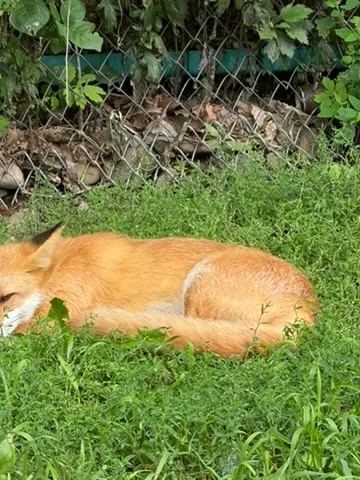
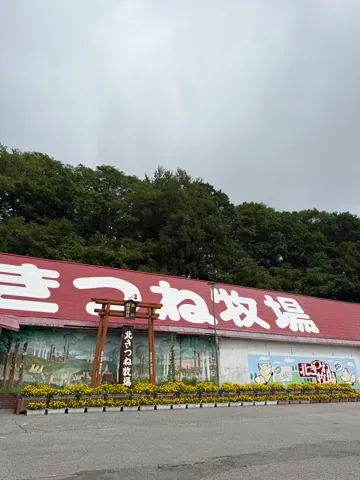
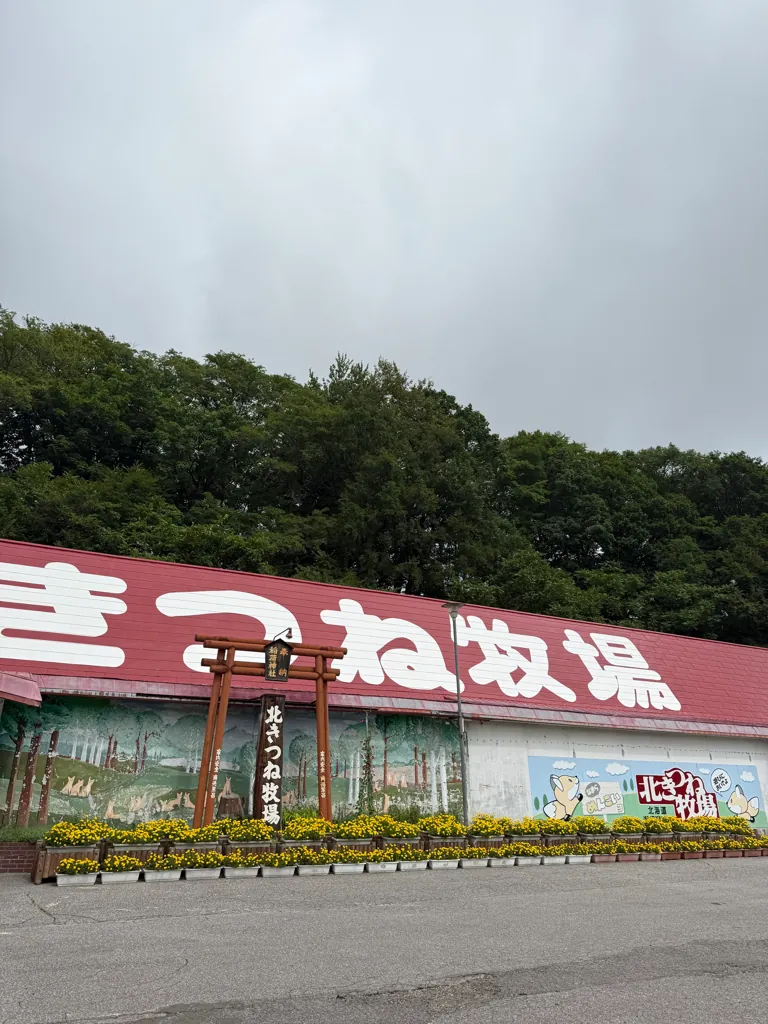
- Kita-kitsune Farm (北きつね牧場), Rubeshibe: About 50 foxes roam free. Open every day.83
Food experiences
Roadside stations (Michi-no-Eki)
Onneyu Onsen (道の駅おんねゆ温泉)
- Location: Rubeshibe-chō Matsuyama 1-4, on National Route 39.19 It is the first roadside station after coming down from the Sekihoku Pass, 50–60 minutes by car from central Kitami. The Onneyu Onsen hot-spring village is right next door.70
- Hours: 9:00–17:30. Closed 8–14 April, Monday to Friday of the second week of December, and 31 December–1 January (as of September 2026 — check before visiting).1985 The city tourism map gives different seasonal hours: 8:30–17:00 in April–October and 9:00–16:30 in November–March.45
- Shops & products: The Kamurin Shop (果夢林ショップ) sells woodcrafts, wooden furniture, folk crafts, ice cream and local confectionery.19 Try the white-bean soft serve.45 It also stocks Hakka Land peppermint products86 and can ship purchases.87
- Food: No sit-down restaurant is listed.19 The shop sells soft serve and ice cream.45 For meals and sweets, walk into the Onneyu onsen town. For example, Taisetsuan's main shop is open 8:00–18:00.88
- Facilities:
- Parking: 20 large and 247 standard spaces19
- Toilets with warm-water seats, an accessible toilet and an ostomate facility (24-hour access not confirmed)19
- EV charger, Wi-Fi, information desk, nursing room, kids' space and cashless payment19
- Clean Plaza Onneyu (クリーンプラザ・おんねゆ): a rest lobby with live road information for the Sekihoku Pass.19 Tourist information runs from late April to late October.45
- Kamurin World (果夢林ワールド): an indoor wooden playground, ¥330 (children ¥160).89 There is also a woodworking workshop with a resident instructor.19
- Yama-no-Suizokukan aquarium on site: ¥830 (children ¥400)85
- Notes:
- Registered on 3 August 1995 as Hokkaido's 24th Michi-no-Eki.19
- The 20 m Kamurin (果夢林) cuckoo-clock tower is one of the largest in the world. On the hour from 8:00 to 18:00, forest-fairy automata and "Poppo-chan", a pigeon with a 2 m wingspan, perform. It runs from mid-April to early November.19
- The station ranked 5th in the Yomiuri Shimbun's 2003 readers' poll of favourite Michi-no-Eki.25
- The aquarium moved here on 7 July 2012.19 Its highlights are a waterfall-basin tank that you look up into, a river tank that freezes in winter, and about ten wild itō (Sakhalin taimen) about 1 m long. The aquarium says that is the most 1 m itō kept anywhere in Japan.90 Live-feeding shows take place on Tuesdays, Thursdays and Saturdays at 14:30.89
- The old marker post from the Hokkaido Daibunsuiten is on display at Clean Plaza Onneyu.31
- Get the stamp at the Kamurin no Yakata reception during opening hours.19
- This is the only Michi-no-Eki in Kitami.91
Getting there & around
- Air: Memanbetsu Airport in Ozora is about 40 minutes from Kitami by airport bus. Flights take about 45 minutes from New Chitose and about 105 minutes from Haneda.92
- Rail: Ten stations in the city are on the JR Sekihoku Main Line.9 The limited express Okhotsk from Sapporo takes about 4 hours 40 minutes via Asahikawa and Rubeshibe. Kitami to Abashiri takes about 50 minutes.92
- Highway buses: Reserved-seat buses run from Sapporo in about 5 hours. From Asahikawa via Sōunkyō the trip takes about 3.5 hours, and from Kushiro via Akan about 3 hours 20 minutes.92
- Local buses: Hokkaido Kitami Bus runs from the terminal next to Kitami Station, and a city bus serves Tokoro.9 Kitami to Tokoro takes about 1 hour.69 Buses from JR Rubeshibe Station reach Onneyu in about 20 minutes.85 One-day bus passes are on sale.93
- Roads: National Routes 39, 238, 242 and 333 serve the city. The Kitami Road expressway section opened in 2013.9 By car, Sapporo to Tokoro takes about 5 hours via the Asahikawa-Monbetsu Expressway.69 Asahikawa to Onneyu takes about 2.5 hours on Route 39.85
- Getting around: By car, central Kitami is 50–60 minutes from Onneyu and 60–70 minutes from Tokoro.70 Rental bicycles are available at Paraboo and the Wakka Nature Center.8469
Practical tips
- Best seasons: Azaleas at Onneyu from late April to early May.34 Wakka flowers from late June to mid-July.17 Summer festivals from mid-July to mid-August.56 The Curry Rice Marathon in mid-September and the Autumn Festival in late September.6566 Winter festivals in early February.56
- Plan ahead: Yakiniku Festival tickets sell out within minutes; the 2026 tickets went on sale on 29 November 2025.15 Book curling sessions in advance.8182
- Closing days: The Hakka Memorial Museum, Pierson Memorial Hall and Tokoro Iseki-no-Yakata close on Mondays and usually the day after a public holiday.766726 The Wakka Nature Center, Tokoro Chashi Site and Buka Ekitei close in winter.692880
- Winter driving: January nights average about −14 °C, and the record low is −30.9 °C.3530 Check conditions on the Sekihoku Pass before crossing; Clean Plaza Onneyu shows live road information.19
- Insects and wildlife: Mosquitoes are common at Tokoro Iseki-no-Mori from late May to about October.27 As elsewhere in rural Hokkaido, watch for deer on roads and check local brown-bear warnings before hiking. No Kitami-specific bear advisory was checked for this entry.
- Tourist information: Kitami City Tourism Association, Ōdōri-Nishi 2-2-1, tel. 0157-32-9900.94
- Spend while you visit: A hometown-tax donation made on the spot returns "KITANO" e-coupons for local shops.41
Photos
-
 Aug 2025
 -
 Jul 2025
 -
 Jul 2025
 -
 Jul 2025
 -
 Jul 2025
 -
 Aug 2025
 -
 Aug 2025
More about Kitami
At a glance
| Field | Details |
|---|---|
| Type | City (市) |
| Subprefecture | Okhotsk (オホーツク総合振興局) |
| District | None (cities are not part of a district) |
| Population | 115,480 at the 2020 Census. The preliminary 2025 Census count was 108,287, a fall of 6.2% and the 8th-largest population in Hokkaido.7 The resident register showed 106,559 people in 60,668 households on 31 August 2026.8 |
| Area | 1,427.41 km².2 Leaving out Rubetsu Village in the Northern Territories (1,442.82 km², a reference figure because part of its boundary is undetermined), this is the largest municipality in Hokkaido, and in Japan only Takayama, Hamamatsu and Nikkō are larger.29 The city says it is about 65% the size of Tokyo.1 Forest covers about 66% of the land.3 |
| Density | About 74.7 people/km² (106,559 residents). It was 80.9/km² at the 2020 Census. |
| Municipal history | The Nokkeushi-and-one-other-village office (野付牛外1か村戸長役場) opened in 1897; this counts as the founding of the old city. Nokkeushi became a village in 1909 and a town in 1916. On 10 June 1942 it became a city and was renamed Kitami. It absorbed Ainai Village (相内村) in 1956.610 On 5 March 2006, Kitami merged with the towns of Tanno (端野町), Tokoro (常呂町) and Rubeshibe (留辺蘂町) to form the present city.1 The four former municipalities are now autonomous districts (自治区).11 |
| Neighboring municipalities | Okhotsk: Abashiri, Kunneppu, Oketo, Saroma, Ozora, Tsubetsu, Bihoro, Engaru, Yubetsu. Kamikawa: Kamikawa. Tokachi: Kamishihoro.9 |
| Symbols | Tree: Daimyo oak (カシワ). Flower: beach rose (ハマナス). The four autonomous districts keep the trees and flowers of the former municipalities.11 No city bird was found. |
| Mascot | Mint-kun (ミントくん), the city character, is an Ezo squirrel holding a peppermint leaf in its mouth.12 Kitami's card in the Okhotsk character-card series (July 2026 to February 2029) shows Kītan (きーたん).13 Onneyu has its own mascot, Shirohana Mametarō (白花マメ太郎).14 |
| Official website | https://www.city.kitami.lg.jp/ |
Name origin
- Kitami (北見): The name comes from Kitami Province (北見国). The Meiji government created the province in 1869, and Kitami fell within its Tokoro District. The explorer Matsuura Takeshirō suggested the name. He said the coast had long been called the "north shore", so he used the character 北 (north), and Sakhalin could be seen (見) from here on clear days.1021 Nokkeushi town took the name "Kitami" when it became a city in 1942. The new name reflected its central place in the old province and its role as a commercial hub.21
- Nokkeushi (野付牛): This was the city's old name. The Hokkaido Government's list of Ainu place names derives it from nup-kes (ヌプケシ), "end of the plain".21 Place-name scholar Yamada Hidezō says the name first belonged to Tanno, where farming in the Kitami Basin began. The area of today's downtown was called Peteukopi, "where the rivers part from each other", after the meeting of the Tokoro and Muka rivers. The name Nokkeushi moved to the downtown later, when the village office and police station were built there.9
- Tanno (端野): The name is a Japanese translation of nup-kes ("plain + end").22
- Tokoro (常呂): Old records spell it "Tsukoro". The list gives two readings. One is to-kor-pet, "river that has lakes". The other is tu-kor, "having a hill spur", and the list's comment rates tu-kor as more likely.23
- Rubeshibe (留辺蘂): From ru-pes-pe, "the stream the road follows down". This refers to the valleys north of the Muka River that led over the hills to the Saroma River.24
- Onneyu (温根湯): From onne-yu, "the big hot spring". The name set the spring apart from smaller springs nearby.2125
- Wakka (ワッカ): From wakka-o-i, "place with water". The name refers to a freshwater spring in the middle of the sandbar.17
History
- Prehistory to Ainu era: Sites along the Tokoro coast span the Paleolithic, Jōmon, Epi-Jōmon, Satsumon and Okhotsk cultures and the Ainu period.26 Graves at the Tokoro River mouth, from about 2,900 to 1,600 years ago, yielded 1,805 objects. These were designated a National Important Cultural Property in June 2023.2027 The Tokoro Chashi, an Ainu fortified site, dates from the 18th century.28
- Edo period: In 1808, Kashiya Kihei (柏谷喜兵衛) and two others settled on the Tokoro coast as fishery contractors. In 1856, Matsuura Takeshirō travelled up the Tokoro River into the Kitami area.9
- Early Meiji: Seven Ainu-named villages were created under Tokoro District in 1872, among them Tokoro and Nokkeushi. Their names were written in kanji from 1875. A local government office for Tokoro and six other villages opened in 1883.10
- Roads and prisoners: Construction of the Central Road (中央道路) between Abashiri and the Kitami Pass began in 1891. It used convict labour from Abashiri Prison, and many prisoners died. The Kusarizuka (鎖塚, "chain mound") in Tanno's Hiushinai is believed to be their resting place.29
- Settlers: A group of 29 households from Tosa (Kōchi) reached Tokoro in 1895.10 In 1897, the Hokkōsha (北光社) company settled 112 households from Kōchi. Sakamoto Naohiro (坂本直寛) was among those who founded it.9 Tondenhei (farmer-soldier) companies arrived in 1897 and 1898: 597 households settled in Tanno, Nokkeushi and Ainai. A group from Gifu came to Tokoro in 1898.106
- Peppermint boom: Hokkōsha first grew peppermint in 1899.9 The Kitami peppermint-processing factory opened in 1934; its old office, donated by Hokuren, is now the Hakka Memorial Museum.4 At the 1938–39 peak, Kitami peppermint made up about 70% of the world market.10
- Railways: The line reached Nokkeushi Station in 1911 and was extended to Rubeshibe in 1912. The Sekihoku Line to Asahikawa was completed in 1932.10
- Town and city: Oketo and Buka (later Rubeshibe) split off from Nokkeushi in 1915, and Ainai and Tanno in 1921. Rubeshibe became a town in 1921, Tokoro in 1950 and Tanno in 1961.106
- Mid-century industry: The Itomuka mercury mine in Rubeshibe was discovered in 1937 and closed in 1972.9 Kitami Institute of Technology opened as a junior college in 1960 and became a four-year university in 1966. Old Kitami passed 100,000 people in 1979.6
- Curling and scallops: Tokoro took up curling in 1980 after an exchange event with Alberta, Canada, held in Ikeda. Japan's first dedicated curling hall opened there in 1988.9 Scallop-farming trials in Lake Saroma began in 1933, and catches became stable in the 1970s.16
- Late 20th century: The JNR Yūmō Line through Tokoro closed in 1987.9 The Pierson Memorial Hall and the Wakka Natural Flower Garden were named Hokkaido Heritage sites in 2001, and the Tokoro Site followed in 2004.6
- 2006 merger: Kitami, Tanno, Tokoro and Rubeshibe merged on 5 March 2006.1 The Furusato Ginga Line (the former Chihoku Line) closed the same year.9
- Recent years: The Yama-no-Suizokukan aquarium reopened at the roadside station on 7 July 2012.19 The new Adovics Tokoro Curling Hall opened in 2013. The Argo Graphics Kitami Curling Hall opened in 2020 and the new city hall in 2021.6 On 24 July 2025, Kitami recorded 39.0 °C, its highest temperature on record.30
Geography & climate
- Shape and districts: The city covers the Tokoro River and Muka River basins and the Kitami Basin. It stretches about 110 km from the Daisetsu mountains to the Sea of Okhotsk.1 It has four autonomous districts.1 Kitami is the commercial and industrial center. Tanno is farmland on gentle hills. Tokoro faces the Sea of Okhotsk and Lake Saroma. Rubeshibe is forested and known for white beans, timber and the aquarium.
- Rivers and the "Great Divide": The Tokoro River rises on Mt. Mikuni (三国山, 1,541 m).9 Near its summit, where Kitami meets Kamikawa and Kamishihoro, lies the Hokkaido Daibunsuiten (北海道大分水点). The city describes it as the only point in Japan that drains to three seas: the Sea of Japan by the Ishikari River, the Pacific by the Tokachi River, and the Sea of Okhotsk by the Tokoro River. It was named in September 2005 and added to GSI's online maps in November 2019. The trail from Route 273 takes about 2 hours each way.31
- Mountains: Peaks include Mt. Mukka (武華山, 1,759 m), Kitami Fuji (1,291 m) and Mt. Nikoro (仁頃山, 829 m).9
- Lakes and coast: The Kitami share of Lake Saroma is 52.51 km², out of a total of 151.63 km².2 The Wakka sandbar is 200–700 m wide and about 20 km long and separates the lake from the Sea of Okhotsk. Over 300 plant species grow there.17 Lake Tomisato (富里湖), the reservoir of Tomisato Dam at the foot of Mt. Nikoro, has a campground and ice fishing for smelt in winter.932
- Protected areas: The Wakka area lies in Abashiri Quasi-National Park (網走国定公園).17 The city's western end reaches Daisetsuzan National Park and the Sekihoku Pass.33 Ezo-murasaki azaleas grow wild on Tsutsuji-yama at Onneyu; the colony is a Hokkaido natural monument.34
- Climate (Kitami station, 1991–2020 normals): The annual mean is 6.4 °C. January averages −8.0 °C, with a mean daily low of −14.2 °C. August averages 20.2 °C, with a mean daily high of 25.4 °C. Annual precipitation is only 774.8 mm. Snowfall totals 414 cm a year, and the usual deepest snow is 83 cm.35
- Extremes: The highest temperature on record is 39.0 °C (24 July 2025). The lowest is −30.9 °C (17 February 1978). The deepest snow was 171 cm (16 January 2004).30 Rubeshibe is colder and snowier, with about 507 cm of snowfall a year.9
Economy & industry
- Structure: The 2020 Census counted 49,777 workers. About 73% worked in services (36,556), 16% in the secondary sector (8,212) and 6% in farming, forestry and fishing (3,219).6 Kitami is the retail and service hub of the Okhotsk region.3
- Agriculture: MAFF estimates farm output at ¥38.32 billion in 2024. Vegetables, mostly onions, account for ¥22.36 billion and dairy cattle for ¥4.62 billion.36 Onions are the city's signature crop: about 244,000 t in 2020, about 25% of Hokkaido's total and the most of any municipality in Japan.3 Onion growing arrived in 1917 and replaced peppermint after the war.37 Other crops in 2025 included 25,600 t of wheat on 5,620 ha and 166,800 t of sugar beet.36 Rubeshibe grows about 70% of Japan's white runner beans, but planting is falling because of labour shortages.14
- Fisheries: Tokoro fishers land scallops, salmon and hairy crab in the Sea of Okhotsk. In Lake Saroma they harvest oysters and Hokkai shrimp.16 In 2018 the catch was 38,328 t, including 32,020 t of shellfish (9.7% of Hokkaido's shellfish).36 In 2023 there were 107 fishing businesses employing 361 people.6
- Forestry: Forests cover 94,281 ha.6 Local timber is made into building and packing lumber and wood products.3
- Manufacturing and research: There are 132 factories with 2,591 workers, and shipments were worth ¥97.78 billion in the 2024 survey.6 Firms cluster in the Kitami Industrial Complex and Kitami High-Tech Park. Kitami Institute of Technology leads joint research with local industry.3 Local processors include Greens Kitami, which makes onion products.37
- Tourism: In FY2025 Kitami had 1,177,800 visitors, down 3.9% from the previous year. Of these, 277,600 came from outside Hokkaido. Overnight stays totalled 592,400 guest-nights, and foreign overnight guests numbered 14,412.38 Since 1985 the city has attracted sports training camps, starting with Meiji University's rugby team. Rugby, athletics, skiing and curling camps now come in summer and winter.939
- Demographics: At the end of FY2025, 35.7% of residents were 65 or older and the average age was 51.9.6 The population fell 6.2% between the 2020 and 2025 censuses.7
- Revitalization: Hometown-tax (furusato nōzei) gifts began in December 2015.40 Since 4 December 2023, visitors can also make a hometown-tax donation on the spot and receive "Kitami e-Machi Gift KITANO", an e-coupon for local shops.41 The city's MY LOVE campaign promotes local food and tourism.37
Local specialties
| Specialty | Category | Details & where to get it |
|---|---|---|
| Kitami onions (北見玉ねぎ) | Crop | Japan's largest onion crop. It is shipped from August through the following April.373 The new brand Mashiro (真白) is white and has about one-third the usual pungency, so it can be eaten raw.37 |
| Tamakoro (たまコロ) | Processed food | An onion croquette made by Greens Kitami. It won the 4th National Croquette Festival in 2016. Supermarkets sell it frozen, or freshly fried in the deli section.37 |
| Kitami yakiniku (北見焼肉) | Signature dish | Beef sagari (skirt) and pork horumon grilled over charcoal shichirin and dipped in uncooked namadare sauce.59 A common side dish is medon (目丼), rice topped with a fried egg, sweet sauce and aonori.9 Kitami has more than 70 yakiniku restaurants, about 6 per 10,000 people.42 |
| Okhotsk Kitami shio-yakisoba (オホーツク北見塩やきそば) | Local gourmet | Kitami onions and Okhotsk scallops stir-fried in a salt sauce. It is served on a hot iron plate and finished with a scallop-broth "magic water". You can order it at Okhotsk Beer Factory and Hotel Kurobe's Chez Bleu, among others.43 The dish was created in 2007.9 |
| Tokoro scallops (常呂ホタテ) | Seafood | Seed scallops are raised in Lake Saroma and released into the Sea of Okhotsk. They are harvested after four years.16 Products include dried scallop adductors and Shinya's smoked scallops in oil (ほたて燻油漬), sold at Kai-no-Kura.44 |
| Saroma oysters and Hokkai shrimp | Seafood | Lake Saroma oysters are harvested from mid-October to the end of March and are prized raw. Hokkai shrimp are sold boiled in salt and only in July–August.3 |
| Shirohana-mame (白花豆) | Crop and sweets | Large white runner beans grown in Rubeshibe.14 Look for Fujiya's Shirohana yōkan and white-bean mousse,4414 JA Kitamirai's Shirohana Bijin candied beans,44 white-bean soft serve at the roadside station45 and white-bean honey.14 |
| Peppermint (ハッカ) products | Brand products | Mint oil and mint candy from Kitami Hakka Tsūshō, which runs the KITAMINT open factory.46 Shōgetsu Hakka Juhyō (昭月ハッカ樹氷) from Yamajuhyō has been a local favourite for over 40 years.47 Nagata Seiame, founded in 1921, sells mint candy in Mint-kun packaging.4844 |
| Okhotsk Beer (オホーツクビール) | Craft beer | After the 1994 liquor-tax reform, Okhotsk Beer received one of Japan's first two microbrewery licences. Its beers are all-malt, and the brewpub opened on 17 March 1995.499 It is at Yamashita-chō 2-2-2 and opens 11:30–22:00.50 |
| Wines | Wine | Two small wineries in Tanno-Hiushinai: Infield Winery, which calls itself the first in the Okhotsk region,51 and Bosu Agri Winery, which uses only grapes from its own vineyard.52 |
| Curling sweets | Sweets | Curling-yaki (カーリング焼き) from Sweets Sezon in Tokoro53 and Kitami Curling Casta pancakes, which the maker says have sold about 17,000 a day at department-store Hokkaido fairs.54 Akai Silo (赤いサイロ) is the cheesecake the 2018 Olympic curlers ate during their "mogu-mogu time" snack breaks.4244 |
| Tokoro Ryūhyō-yaki (ところ流氷焼) | Craft | Pottery glazed with scallop shell, oyster shell and seaweed. It is made, sold and taught at the Tokoro Handicraft House.55 |
| Hometown-tax gifts | Furusato nōzei | Gifts include onions, scallops (described as especially popular), oysters, Loco Solare merchandise and miniature yakiniku accessories.42 |
Culture & festivals
| Event | When | Highlights |
|---|---|---|
| Kitami Winter Yakiniku Festival (北見厳寒の焼き肉まつり) | Early February, the day before the Winter Festival | Crowds grill outdoors on hundreds of shichirin at around −10 °C. It started on 29 February 2000, the idea of transferred-in branch managers. For 2026, a ¥10,000 ticket admitted up to four people, and online sales sold out in one minute.1556 |
| Kitami Winter Festival (北見冬まつり) | Early February | Snow slides, stage events and food stalls on the plaza south of Kitami Station.5632 |
| Onneyu Onsenkyō Yuki Monogatari (おんねゆ温泉郷雪物語) | Winter (the city gives December–March; the Rubeshibe guide gives late January–early March) | Illuminations and snow fireworks in the onsen town.5657 |
| Onneyu Onsen Tsutsuji Matsuri (おんねゆ温泉つつじ祭り) | Early May (the 54th was held 3–6 May 2026) | About 280,000 Ezo-murasaki azaleas turn the hillside purple. Visitors eat Genghis Khan lamb and scallops.5658 |
| Lake Saroma 100 km Ultramarathon (サロマ湖100kmウルトラマラソン) | Last Sunday of June | Held since 1986.9 The course runs along Lake Saroma and through the Wakka flower garden.1718 |
| Kaoryanse Festival (香りゃんせフェスティバル) | Mid-July | A herb festival at Kaoryanse Park with "herb weddings", herb products and crafts.56 First held in 1997.9 |
| Kitami Bonchi Matsuri (北見ぼんちまつり) | Mid-July (Friday night, Saturday and Sunday) | A dance parade in yukata, the Tonden Ōtsunahiki tug-of-war with a 200 m rope, and closing fireworks.59 It grew out of a commerce festival first held in 1954.9 |
| Onneyu Onsen Matsuri (おんねゆ温泉まつり) | First weekend of August (the 74th was held 1–2 August 2026) | A mikoshi portable shrine is carried through the onsen town and across the Muka River. There is also a beer party and fireworks.60 |
| Tokoro Furusato Matsuri (ところふるさとまつり) | August (city: early August; tourism association: 14–15 August) | Costume bon-odori dancing, fireworks and mochi-maki rice-cake throwing.5661 |
| Rubeshibe Summer Festival (るべしべ夏まつり) | 14–15 August | Stalls, taiko drumming, YOSAKOI Sōran and fireworks on the Muka River bank.62 |
| Tanno Taiyō Matsuri (たんの太陽まつり) | Mid-August (the city's events list gives early August) | Held since 1978. The main event is the "Water Rodeo".6356 |
| Tanno Curry Rice Marathon (たんのカレーライスマラソン) | Third Sunday of September (the 41st was held 20 September 2026) | Teams of four run 2–5 km legs, collecting curry ingredients at checkpoints, then cook and eat the curry together. It is not a race. First held in 1986, it takes up to 200 teams.6465 |
| Kitami Autumn Festival: Okhotsk Marché (北見秋祭) | Late September (25–27 September 2026) | Since FY2024 it has combined the former chrysanthemum festival, Oktoberfest and Halloween events. It offers craft beer, Okhotsk food, yakiniku, and chrysanthemum and pumpkin displays around Kitami Station. Entry is free.5666 |
- Pierson Memorial Hall (ピアソン記念館): The American missionary couple the Piersons lived here for 15 years. William Merrell Vories designed the house in 1914, and it is preserved as the northernmost building he designed. The couple published an annotated Bible in Kitami and helped block a planned red-light district.67
- Tondenhei dolls: In 1932, a nun at Shinzenkōji Temple (信善光寺) had 75 dolls made, modelled on real tondenhei soldiers. The temple still displays them, and they are a city cultural property.10
- Tokoro Shrine (常呂神社): Sells fortune slips with a mini curling-stone charm, and curling-themed ema votive plaques.68
Ainu heritage
- Place names: Most district and river names have Ainu origins. They include nup-kes (Nokkeushi/Tanno), tu-kor (Tokoro), ru-pes-pe (Rubeshibe), onne-yu (Onneyu) and wakka-o-i (Wakka).2122232417 The downtown's old name, Peteukopi, describes the parting of the Tokoro and Muka rivers.9
- Tokoro Chashi Site (トコロチャシ跡遺跡群): This 18th-century Ainu chashi sits on a bluff above the Tokoro River mouth, cut off by a dry moat and once fenced. The fence and a bridge over the moat have been rebuilt. The builders made use of the hollows of older Okhotsk-culture houses, and the hollows were used for mono-okuri rites (sending spirits of objects back). The site also has a reconstructed Okhotsk-culture house (8th–9th century) and graves showing the Okhotsk custom of covering the face of the dead with a pot. It is open from spring thaw to November, with a 600 m loop path.28
- Tokoro Iseki-no-Yakata museum: Has an Ainu culture section alongside its Jōmon, Satsumon and Okhotsk displays.26
- Today: No Ainu cultural center or regular Ainu events in Kitami today were found in the sources consulted.
Sister & friendship cities
Kitami has sister or friendship ties with eight cities and towns.95
- Elizabeth, New Jersey, USA: 12 June 1969. It was the hometown of the missionary Pierson, the first foreigner to live in Kitami.6
- Poronaysk, Sakhalin, Russia: 13 August 1972, as northern neighbours.6
- Jinju, South Gyeongsang, South Korea: 16 May 1985. The tie grew out of private goodwill exchanges.6
- Barrhead, Alberta, Canada: 4 July 1991. The link was introduced through the Hokkaido–Alberta relationship.6
- Kōchi City, Kōchi Prefecture: 28 April 1986. It was the home of the Hokkōsha settlers.6
- Sakawa, Kōchi Prefecture: 6 November 1988. It was the home of the Tosa settlers in Tokoro.6
- Marumori, Miyagi Prefecture: 16 August 1996. It is the birthplace of Toyomi Kagura.6
- Ōno, Gifu Prefecture: 3 October 1998. It was the home of the Gifu settlers.6
Notable people
- Mari Motohashi (本橋麻里): Curler from Tokoro. She competed at three Olympics and founded Loco Solare in 2010.969
- Satsuki Fujisawa (藤澤五月): Curler from Kitami who played for Loco Solare at the PyeongChang 2018 and Beijing 2022 Olympics, where the team won bronze and silver.96
- Chinami Yoshida (吉田知那美) and Yurika Yoshida (吉田夕梨花): Sisters and Loco Solare curlers from Kitami who competed at the 2018 and 2022 Olympics.96
- Yumi Suzuki (鈴木夕湖): Loco Solare curler from Kitami and a founding member of the team.996
- Ami Kikuchi (菊地亜美): TV personality from Kitami and a Kitami tourism ambassador.97
- Rei Maruyama (丸山礼): Impressionist and comedian from Kitami, also a tourism ambassador.97
- Ayako Sawada (沢田亜矢子): Actress and singer from Kitami, also a tourism ambassador.97
- Jake Lee (ジェイク・リー): Professional wrestler from Kitami, also a tourism ambassador.97
Sources
Numbers in the text link to these sources. Figures as of 23 September 2026
- 北見市の概要 — Kitami City JA accessed 2026-09-23
- 令和8年 全国都道府県市区町村別面積調(1月1日時点) — Geospatial Information Authority of Japan JA accessed 2026-09-23
- 北見市勢要覧2024「北見市の産業」 — Kitami City JA/EN accessed 2026-09-23
- 北見の文化施設(ピアソン記念館・北見ハッカ記念館・薄荷蒸溜館) — Kitami City JA accessed 2026-09-23
- 北見焼肉 — 北見MYLOVE (Kitami City Tourism Promotion Office) JA accessed 2026-09-23
- きたみポケット統計 2026 — Kitami City, General Affairs Division JA accessed 2026-09-23
- 令和7年国勢調査速報 北海道の人口・世帯数(要計表に基づく人口・世帯数の集計) — Hokkaido Government, Statistics Division JA accessed 2026-09-23
- 北見市の人口(令和8年8月31日現在) — Kitami City JA accessed 2026-09-23
- 北見市 - Wikipedia — Japanese Wikipedia JA accessed 2026-09-23
- 北見市勢要覧2024「北見市の歴史」 — Kitami City JA/EN accessed 2026-09-23
- 北見市の木・花 — Kitami City JA accessed 2026-09-23
- 北見市キャラクター「ミントくん」のLINEスタンプ販売中♪ — Kitami City Tourism Association JA accessed 2026-09-23
- オホーツクキャラクターカード第2弾を開催いたします! — Kitami City JA accessed 2026-09-23
- 白花豆生産量日本一! 白花豆 — 北見MYLOVE (Kitami City Tourism Promotion Office) JA accessed 2026-09-23
- 北見厳寒の焼き肉まつり - Wikipedia — Japanese Wikipedia JA accessed 2026-09-23
- ホタテ王国 常呂で採れるホタテは地域の宝 — 北見MYLOVE (Kitami City Tourism Promotion Office) JA accessed 2026-09-23
- 北海道遺産 ワッカ原生花園 — Kitami City JA accessed 2026-09-23
- 北見市勢要覧2024「イベント・まつり・名所・名産・グルメ」 — Kitami City JA/EN accessed 2026-09-23
- おんねゆ温泉|北の道の駅 — Hokkaido Michi-no-Eki Liaison Council JA accessed 2026-09-23
- 国指定の文化財(重要文化財・史跡) — Kitami City JA accessed 2026-09-23
- アイヌ語地名リスト(オンネユ〜キタミ掲載分、pp. 31–40) — Hokkaido Government Ainu Policy Office, archived by the Internet Archive JA accessed 2026-09-23
- アイヌ語地名リスト(タンノ掲載分、pp. 71–80) — Hokkaido Government Ainu Policy Office, archived by the Internet Archive JA accessed 2026-09-23
- アイヌ語地名リスト(トコロ掲載分、pp. 81–90) — Hokkaido Government Ainu Policy Office, archived by the Internet Archive JA accessed 2026-09-23
- アイヌ語地名リスト(ルベシベ掲載分、pp. 141–145) — Hokkaido Government Ainu Policy Office, archived by the Internet Archive JA accessed 2026-09-23
- 道の駅「おんねゆ温泉」 - 北の大地の水族館 -山の水族館- | 公式ホームページ — Yama-no-Suizokukan JA accessed 2026-09-23
- ところ遺跡の館:ご利用案内 — Kitami City JA accessed 2026-09-23
- 北見市ところ遺跡の森 — Kitami City JA accessed 2026-09-23
- 国指定史跡常呂遺跡(トコロチャシ跡遺跡群) — Kitami City JA accessed 2026-09-23
- 観光・イベント(端野自治区) — Kitami City JA accessed 2026-09-23
- 北見 観測史上1~10位の値 — Japan Meteorological Agency JA accessed 2026-09-23
- 【日本唯一の場所】3つの河川の源流「北海道大分水点」をご存知ですか? — Kitami City JA accessed 2026-09-23
- 観光ガイド — Kitami City JA accessed 2026-09-23
- 北見のエリアガイド|北見観光協会 — Kitami City Tourism Association JA accessed 2026-09-23
- るべしべ観光スポットガイド — Kitami City JA accessed 2026-09-23
- 北見 平年値(年・月ごとの値) — Japan Meteorological Agency JA accessed 2026-09-23
- 北海道北見市(わがマチ・わがムラ 市町村の姿) — Ministry of Agriculture, Forestry and Fisheries JA accessed 2026-09-23
- 玉ねぎ生産量日本一! 北見玉ねぎ — 北見MYLOVE (Kitami City Tourism Promotion Office) JA accessed 2026-09-23
- 北海道観光入込客数調査報告書(令和7年度 資料編) — Hokkaido Government, Tourism Bureau JA accessed 2026-09-23
- スポーツ合宿の里 きたみ — Kitami City JA accessed 2026-09-23
- ふるさと北見応援寄附金(北見市ふるさと納税) — Kitami City JA accessed 2026-09-23
- 旅先納税「きたみe街ギフトKITANO」 — Kitami City JA accessed 2026-09-23
- 北海道北見市のふるさと納税 お礼の品ランキング【ふるさとチョイス】 — Furusato Choice JA accessed 2026-09-23
- 北見塩やきそば — 北見MYLOVE (Kitami City Tourism Promotion Office) JA accessed 2026-09-23
- 北見のお土産 — 北見MYLOVE (Kitami City Tourism Promotion Office) JA accessed 2026-09-23
- 道の駅おんねゆ温泉 – 北見市観光ガイド連動デジタルマップ — Kitami City tourism digital map JA accessed 2026-09-23
- 北見ハッカ通商 – 北見市観光ガイド連動デジタルマップ — Kitami City tourism digital map JA accessed 2026-09-23
- 山樹氷 – 北見市観光ガイド連動デジタルマップ — Kitami City tourism digital map JA accessed 2026-09-23
- 永田製飴 – 北見市観光ガイド連動デジタルマップ — Kitami City tourism digital map JA accessed 2026-09-23
- オホーツクビール — 北見MYLOVE (Kitami City Tourism Promotion Office) JA accessed 2026-09-23
- オホーツクビアファクトリー – 北見市観光ガイド連動デジタルマップ — Kitami City tourism digital map JA accessed 2026-09-23
- インフィールドワイナリー – 北見市観光ガイド連動デジタルマップ — Kitami City tourism digital map JA accessed 2026-09-23
- ボスアグリワイナリー – 北見市観光ガイド連動デジタルマップ — Kitami City tourism digital map JA accessed 2026-09-23
- スイーツせぞん – 北見市観光ガイド連動デジタルマップ — Kitami City tourism digital map JA accessed 2026-09-23
- 北見カーリングカスタ – 北見市観光ガイド連動デジタルマップ — Kitami City tourism digital map JA accessed 2026-09-23
- 常呂町手工芸の館 — Kitami City JA accessed 2026-09-23
- まつり・イベント — Kitami City JA accessed 2026-09-23
- るべしべお祭りガイド — Kitami City JA accessed 2026-09-23
- 第54回 おんねゆ温泉 つつじ祭り|北見市観光協会 — Kitami City Tourism Association JA accessed 2026-09-23
- 北見ぼんちまつり|北見市観光協会 — Kitami City Tourism Association JA accessed 2026-09-23
- 第74回(令和8年度)おんねゆ温泉まつり|北見市観光協会 — Kitami City Tourism Association JA accessed 2026-09-23
- イベント|北見市観光協会 — Kitami City Tourism Association JA accessed 2026-09-23
- 第57回るべしべ夏まつり — Kitami City JA accessed 2026-09-23
- 太陽まつり — Kitami City JA accessed 2026-09-23
- たんのカレーライスマラソン — Kitami City JA accessed 2026-09-23
- 第41回たんのカレーライスマラソン|北見市観光協会 — Kitami City Tourism Association JA accessed 2026-09-23
- 北見秋祭-オホーツクマルシェ2026-|北見市観光協会 — Kitami City Tourism Association JA accessed 2026-09-23
- ピアソン記念館 — Kitami City JA accessed 2026-09-23
- 常呂神社 – 北見市観光ガイド連動デジタルマップ — Kitami City tourism digital map JA accessed 2026-09-23
- サロマ湖ワッカネイチャーセンター — Kitami City JA accessed 2026-09-23
- 観光ポイント — Kitami City JA accessed 2026-09-23
- 仁頃はっか公園 – 北見市観光ガイド連動デジタルマップ — Kitami City tourism digital map JA accessed 2026-09-23
- 香りゃんせ公園 – 北見市観光ガイド連動デジタルマップ — Kitami City tourism digital map JA accessed 2026-09-23
- 温泉ゆめ広場 – 北見市観光ガイド連動デジタルマップ — Kitami City tourism digital map JA accessed 2026-09-23
- 滝の湯ふれあいの里(足湯) — Kitami City JA accessed 2026-09-23
- 端野温泉 のんたの湯で「北見市景観写真展」を開催します — Kitami City JA accessed 2026-09-23
- 北見ハッカ記念館・薄荷蒸溜館 — Kitami City JA accessed 2026-09-23
- 北見ハッカ記念館・薄荷蒸溜館 – 北見市観光ガイド連動デジタルマップ — Kitami City tourism digital map JA accessed 2026-09-23
- 北網圏北見文化センター — Hokumōken Kitami Culture Center JA accessed 2026-09-23
- 常呂の遺跡と文化財 — Kitami City JA accessed 2026-09-23
- 北見市留辺蘂町武華駅逓 — Kitami City JA accessed 2026-09-23
- アドヴィックス常呂カーリングホール – 北見市観光ガイド連動デジタルマップ — Kitami City tourism digital map JA accessed 2026-09-23
- アルゴグラフィックス北見カーリングホール – 北見市観光ガイド連動デジタルマップ — Kitami City tourism digital map JA accessed 2026-09-23
- 北きつね牧場 – 北見市観光ガイド連動デジタルマップ — Kitami City tourism digital map JA accessed 2026-09-23
- コミュニティプラザバラボ – 北見市観光ガイド連動デジタルマップ — Kitami City tourism digital map JA accessed 2026-09-23
- 北の大地の水族館 -山の水族館- | 公式ホームページ — Yama-no-Suizokukan JA accessed 2026-09-23
- ハッカランド – 北見市観光ガイド連動デジタルマップ — Kitami City tourism digital map JA accessed 2026-09-23
- 果夢林の館 - 北の大地の水族館 -山の水族館- | 公式ホームページ — Yama-no-Suizokukan JA accessed 2026-09-23
- おかしの大雪庵本店 – 北見市観光ガイド連動デジタルマップ — Kitami City tourism digital map JA accessed 2026-09-23
- 道の駅おんねゆ温泉(山の水族館・果夢林の館・果夢林) — Kitami City JA accessed 2026-09-23
- 北の大地の水族館とは - 北の大地の水族館 -山の水族館- | 公式ホームページ — Yama-no-Suizokukan JA accessed 2026-09-23
- 道の駅一覧|北の道の駅 — Hokkaido Michi-no-Eki Liaison Council JA accessed 2026-09-23
- アクセス — 北見MYLOVE (Kitami City Tourism Promotion Office) JA accessed 2026-09-23
- 北見観光の総合情報サイト|北見市観光協会 — Kitami City Tourism Association JA accessed 2026-09-23
- 北見観光協会とは|北見観光協会 — Kitami City Tourism Association JA accessed 2026-09-23
- 北見市の姉妹友好都市 — Kitami City JA accessed 2026-09-23
- ロコ・ソラーレ - Wikipedia — Japanese Wikipedia JA accessed 2026-09-23
- きたみ観光大使 — Kitami City JA accessed 2026-09-23